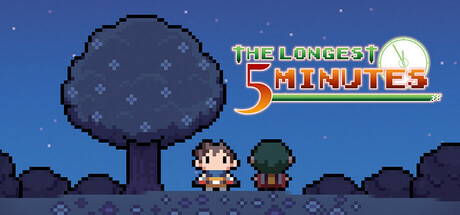
A hero faces his greatest foe, the Overlord. But there's one problem: Why can't he remember anything!? In the midst of battle, his allies' words and the Overlord's taunting trigger flashbacks, slowly rebuilding his memories. Will our hero remember everything before he falls to the Overlord?
Modeled estimate, not a reported figure. How we estimate →
Media
About
Stats
All-time low is the lowest price we've recorded for this game since we started tracking it.
Languages: English, Japanese
Engagement
Hours played at review time, across 41 reviews with recorded playtime.
Reviews
Themes across 41 recent reviews and how positive each mention is. A keyword signal, not full sentiment analysis.
positive critical· bar length = how often the theme comes up
Reviews
Gameplay's mediocre, but damn, the story and the characters are amazing. Sucks that the story's so short though. Would've liked to see more of these characters. Playtime: around 10 hour
I paid $4 and wouldn't recommend this game even if it was free. Looks like something that a kid made during a summer camp. Really disappointing since I expected more from NiS. The combat is a joke, with the only challenging part being that single target spells can only hit one person because the targeting bugs out when you try to select a different enemy/party member. No idea how this game made it through QC or playtesting.
So boring...
The Longest Five Minutes, developed by Nippon Ichi Software and SYUPRO-DX and published by NIS America, Inc., takes an unconventional approach to the role-playing genre by asking players to experience an entire adventure through the fragmented memories of its protagonist. The story opens in the middle of the climactic showdown with the Demon King, only for the hero to suddenly lose his memories at the very moment the fate of the world hangs in the balance. This unusual setup immediately establishes the game's identity, transforming what would normally be the ending of a fantasy epic into the beginning of a reflective and surprisingly emotional journey. As the battle continues, the hero begins recalling the events that shaped him, allowing players to relive his quest piece by piece. Each memory explores a different chapter of his adventure, from meeting companions and overcoming impossible odds to confronting personal doubts and making difficult choices. The game cleverly uses these recollections to maintain a sense of mystery despite relying on familiar fantasy elements. Rather than focusing on where the story is going, players are encouraged to consider why the journey mattered and what it meant to those who experienced it. This gives even routine moments an added significance, as every memory contributes to rebuilding the hero's identity. The presentation leans heavily into classic Japanese RPG sensibilities. Its pixel-art aesthetic captures the spirit of older console adventures, while the soundtrack delivers a fitting mix of cheerful, adventurous, and dramatic themes. Towns, dungeons, and battlefields possess a nostalgic charm that will resonate with longtime fans of the genre. Although the visuals are intentionally simple and occasionally lack the detail seen in more recent retro-inspired titles, they succeed in creating a warm and inviting atmosphere. The game understands its audience and embraces its influences without feeling entirely derivative. Gameplay remains rooted in traditional turn-based mechanics. Players engage in battles, manage equipment, and strengthen their party throughout various memories. However, because the narrative frequently jumps between different points in the hero's life, progression does not follow a typical linear path. Characters may enter a memory significantly stronger or weaker depending on when it occurred in the timeline. This approach reinforces the central theme of recollection but can sometimes disrupt the satisfaction of steadily building a character from humble beginnings to legendary status. Likewise, the constant transitions between the present-day confrontation and past events occasionally affect pacing, particularly during longer play sessions. What ultimately elevates The Longest Five Minutes is its thematic focus. It examines the importance of memory, asking whether a person's achievements and relationships retain meaning even if they can no longer remember them. The supporting cast is filled with familiar archetypes, yet their interactions with the protagonist carry genuine warmth. The script balances humor, sentimentality, and introspection effectively, resulting in a story that feels more personal than many larger RPGs. While some dialogue can be predictable and certain plot developments are easy to anticipate, the sincerity behind the writing makes these shortcomings easy to overlook. For players seeking complex systems or groundbreaking combat, The Longest Five Minutes may feel too conservative. Its mechanics rarely stray far from established JRPG traditions, and its experimental narrative structure will not appeal to everyone. However, those who appreciate story-driven experiences and nostalgic adventures will find plenty to enjoy. The game succeeds in delivering a heartfelt tribute to the genre while offering a unique perspective on what happens after the hero reaches the end of his quest. The Longest Five Minutes stands out through its imaginative premise and heartfelt storytelling, proving that even a familiar fantasy adventure can feel fresh when viewed through the lens of memory and reflection. Rating: 7/10
This game is pretty unique, I really liked all the character developpement, but also the fact that despite it being a jrpg, it's possible for you to completely change your party along the story for other characters that you might prefer, it also has multiple endings and one really unforseen plot twist. It might appeal to you as it's pretty short, so if you're a working adult who don't have time to play long games anymore, you'll still have time to play this one. Also you can play it casually or go for the challenge and try to get all those re-experience points all in all a pretty comedic experience that still retains a bit of seriousness, it might not be for everyone, but I personnally really liked it.
Ok lets make something clear: If you are looking at this review and then considering the game at full price - change my thumbs up to a thumbs down. The Longest Five Minutes is a unique rpg. There are two parts to it: the final battle, which is how the game starts (figure that one out), and the flashbacks that tell the story of getting there. But this game isn't your standard RPG. it is more like a Rogue-like RPG in a way. Each new flashback resets your money and gear. In addition the game is pretty easy....as you always feel overpoweredy. So even being Rogue-like (sorta), you can still just steamroll through the opposition. So if you demand a challenge..start hunting elsewhere. But even as easy and weird as it is...it is still pretty fun. The style is top quality. It reminds me of good old rpgs like Dragon Warrior in its style..but still with an anime/cartoon style turned up that adds to its flavor. So if you can handle losing gear you buy, and ok with no challenge....add it to your wishlist. I wouldn't pay $20 for it, but if it gets to like $2....it is worth it to slam through the game....just to see how the two style work together.
A retro pixel inspired jrpg about a group of hero's starting out at the end of the game....unique storytelling holds up the game to a otherwise simplistic and competent throwback jrpg that would sit comfortably on the snes. If your itching for a taste of games from the past with a unique storytelling flair a few bucks and a few hours of your time make The Longest 5 Minutes worth both.
単純に面白かったです。 いきなりラスボス戦からはじまる展開に驚きましたが 主人公もプレイヤーも訳もわからないまま話が少しずつ明らかになっていく描写は なるほど、と感心しました。 レベル上げもする必要がないため、サクサクと話を進められます。 プレイ時間は10時間ほどだったので、2日ほどで一気にクリアしてしまうのが 一番楽しめる方法ではないでしょうか。 一転気になるのは 途中ほのかな恋愛的描写があるのですが、 そこは辻褄があわないためモヤっとします。
まあまあ面白かった。セール中の値段なら割といいと思う。
魔王との戦いが始まろうという時に、主人公は記憶喪失になってしまう。今まで会得してきた必殺技の出し方は分からないし、培ってきた仲間との連携も図れない。絶体絶命の中、主人公はこのピンチを乗り切るべく過去の記憶を追体験していく… という冒頭で始まるのが今作だが、皆さんだったらどんなゲーム体験を期待するだろうか。 こういう「記憶喪失モノ」は自分の場合 ・想起する記憶がばらばらであるがゆえに、それが時系列順で並んだ時に回収される伏線 ・想起した記憶内容に実は巧妙な偽りがあり、明らかにされた時の驚き のような2点を期待することが多い。記憶喪失をネタにしたミステリ風味とでもいえばいいのか。 が、結論から言うと2つとも特になかった。残念。 シナリオに言及する前にシステムについて触れておこう。 現実世界のノベルパート(AVGパート)と記憶を追体験するRPGパートを交互にして物語は進んでいく。そしてRPGパートは思い出す記憶ごとにブロック化されていて、ノベルパートに戻った後も「やり残したことがあったなあ」と思えば該当の記憶をオプションから選択すればいつでもやり直すことができるようになっている。このようにRPGパートがぶつ切りなため、各パートのキャラの装備、レベル、所持金は固定となっている。第1の記憶でどれだけレベルを上げて金をためても、AVGにもどり次の記憶にいくと設定されたパラメータに戻ってしまう。逆に言えば所持金をどれだけ使おうが次には戻っている。 なので実際のところはRPG+AVGというよりは、AVGをメインにしつつRPG形式の表現を使ったパートがあるという感じ。もちろんこれ自体は全然良いと思う。RPGの表現を使った物語作品で傑作的なものなど世にいくらでもあるし、自分も大好きだ。例えば、文章で「伝説の必殺技」とか書かれるより、ドデカいMP消費に桁の違うダメージを出してくれる方が受け手側に伝わるものがある。だけどこのゲーム、RPGパートも見せかけじゃなくてちゃんと作らないと思ったのか、ダンジョンが結構長め。だけどそこで躓かれると困るからか戦闘はかなり容易化してある。それでいて上記のように持ち越し要素がないので虚無感がすごい。これなら記憶である利点を生かして道中をキャラの掛け合いとかで省略して設定的には長いダンジョンでしたよ、とかすればテンポよかったのでは。 最後にAVGパートの選択肢は、想起させる体験が異なったりするが、大筋に影響はないので好きに選んで大丈夫。 さてシステムを踏まえてシナリオを見ると、うーんやっぱり「記憶を思い出す」という良さが薄いような気がする。結局これの使われ方は ピンチになる→「思い…出した!」→敵「何ィ!?」 なんだけど、ワンパターンすぎて飽きてくる。 そして隙間なく時系列順で思い出すので「新しめの記憶で言ってた○○ってこれのことかあ」みたいな主人公たちの道程への考察みたいな楽しみ方もできない。結局、現在主人公と過去主人公とプレイヤーの持っている情報が一致しているから過去パートの楽しみ方がその辺のRPGと同じでしかない。 なので一番読み進める推進力を生みだしてくれているのが「なんで主人公は記憶喪失になったのか」なのだが… うーん。徐々に明らかになっていくというよりは割とパッと明かされてしまう展開だったので、自分は正直肩透かしだった。物書きでもないくせに上から目線過ぎて恐縮だが、もう少し序中盤から「誰によって引き起こされたのか」を匂わせてくれたらなー、と。 総括すると、ものすごく王道なRPG的なものを作りたいんだけど、そのままじゃ埋もれるから形を変えて興味をひきやすくしてみた、という感じ。 自分はミステリ的なものを期待してしまっていたためマッチしなかったが、熱血とコメディしてる少年漫画的なものが好きなら刺さる人も多いのかも。
Related
Related
Trends
Modeled estimate over time, reconstructed from Steam's monthly review histogram.
Audience
Estimated from the language of this game's reviews — a proxy for where players are, not official Steam demographics.
Related
| High clear VR | $27.4K | 61 | 70% | $19.99 |
| Mewseum: Masterpieces | $27.4K | 142 | 99% | $6.99 |
| Let's Play! Oink Games | $27.4K | 75 | 81% | $24.99 |
| Pieces of the Past | $27.4K | 104 | 72% | $6.99 |
| Gastova: The Witches of Arkana | $27.4K | 71 | 76% | $14.99 |
| The Mildew Children | $27.4K | 494 | 93% | $3.79 |