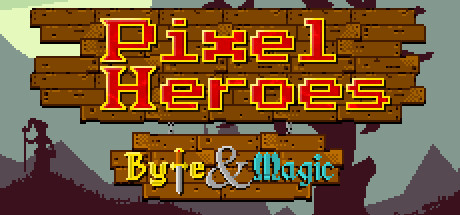
Pixel Heroes: Byte & Magic, developed by The Bitfather and published by Headup, is a deliberately retro, turn-based RPG that fuses roguelike elements, irreverent humor, and old-school pixel aesthetics into a compact but surprisingly challenging adventure. It is a game that wears its 8-bit inspirations proudly, from the blocky art style to the chiptune soundtrack, while introducing modern twists like procedurally generated dungeons and permadeath. At its core, the experience is a love letter to the early days of RPGs, when exploration was risky, death was permanent, and humor came in the form of absurd dialogue and tongue-in-cheek references to fantasy tropes. What makes Pixel Heroes stand out is its ability to evoke nostalgia without entirely succumbing to it—it knows its roots, but it also understands how to make failure, randomness, and repetition engaging for a contemporary audience.
The premise is intentionally simple and self-aware. The game begins in the town of Pixton, a hub filled with oddball characters, tongue-in-cheek humor, and randomly generated heroes ready to embark on adventure. You choose a team of three heroes from an ever-expanding roster of classes—ranging from traditional archetypes like warriors, rangers, and clerics to bizarre, comedic ones like drunkards and vegans—and set out to stop a sinister cult that threatens the world. Each playthrough unfolds as a self-contained run: you travel from Pixton through the wilderness, encounter random events, and dive into dungeons filled with enemies, traps, and loot. The structure is straightforward but highly replayable. No two adventures are exactly alike, thanks to the procedural generation of both heroes and events, and the game’s insistence on permadeath ensures that every decision carries weight. When your party is wiped out, they’re gone for good—immortalized only by a gravestone in the town’s cemetery, a morbidly charming reminder of your failures.
The combat system is simple but layered enough to require forethought. Battles are turn-based, and only one hero and one enemy can act per turn. This restriction forces you to think strategically about which hero to activate, how to manage cooldowns, and when to heal or defend. It’s an unconventional twist on a familiar formula, emphasizing coordination over brute strength. Each hero class comes with distinct abilities that cater to different playstyles, and gear plays a major role in survival. Weapons, armor, and trinkets are all procedurally generated, meaning every loot drop feels unpredictable. Some items grant elemental damage, others provide quirky stat boosts or random effects, and a big part of the game’s charm lies in juggling these bonuses to create synergistic builds. The limited inventory space adds another layer of decision-making, as you constantly weigh the risk of hoarding valuable items against the need to stay prepared for the next fight. Though the combat may feel repetitive over long sessions, its brisk pace and constant sense of risk keep it engaging enough to sustain multiple runs.
Outside of combat, the world of Pixel Heroes thrives on humor and randomness. Every encounter—whether it’s a traveling merchant, a strange hermit, or a talking animal—has a chance to trigger unexpected outcomes. The dialogue is witty, laced with meta-commentary on RPG conventions, and frequently breaks the fourth wall. The game doesn’t take itself seriously, and its offbeat writing ensures that every playthrough feels like a parody of the genre itself. Even failure is treated with levity; death is inevitable, but it’s also funny, punctuated by sarcastic epitaphs and playful narration. This comedic tone distinguishes the game from other roguelikes, which often lean toward grim or oppressive atmospheres. Instead, Pixel Heroes embraces absurdity, making every loss feel like part of the joke rather than a punishment.
Visually, the game succeeds in delivering a cohesive and nostalgic presentation. The pixel art is intentionally coarse but full of personality. Each hero and monster, though rendered in minimal detail, is instantly recognizable and full of charm. The environments are vibrant yet simple, built from a limited palette that evokes classic RPGs without becoming visually bland. The chiptune soundtrack reinforces this retro aesthetic, with upbeat battle themes and quaint town music that loop comfortably without grating. Together, these elements create an experience that feels authentic to its inspirations while maintaining a clear comedic identity. It’s not a technically impressive game, but it’s stylistically consistent and endearing.
Despite its charm, Pixel Heroes is not without flaws. The same randomness that makes each run fresh can also lead to frustration. Some encounters feel unfair or overly punishing, and because permadeath means losing all progress, a streak of bad luck can erase hours of gameplay in seconds. The game’s user interface is also clunky, requiring awkward navigation to equip items, compare stats, or discard gear. These rough edges make the experience feel less accessible than it could be, particularly for players accustomed to modern quality-of-life features. Combat, while serviceable, doesn’t evolve much after the first few hours, and the repetitive dungeon design can sap the excitement from longer sessions. The humor, too, can be hit or miss—what feels refreshingly self-aware to some players may come across as forced or juvenile to others. Still, for those willing to embrace its quirks, these flaws are more endearing than alienating.
What ultimately makes Pixel Heroes: Byte & Magic compelling is its blend of simplicity and charm. It doesn’t try to reinvent the RPG genre, nor does it compete with sprawling modern titles. Instead, it thrives on personality. Every run feels like a bite-sized adventure—a throwback to an era when games didn’t need elaborate narratives or cinematic flair to be memorable. The challenge, the humor, and the unpredictability combine to form a game that’s greater than the sum of its parts. It’s the kind of experience that appeals to players who enjoy experimentation, discovery, and the thrill of starting over after inevitable defeat.
In the end, Pixel Heroes: Byte & Magic stands as both a parody and a tribute to classic RPG design. It captures the spirit of early dungeon crawlers while adding just enough modern flair to keep it relevant. Its strengths lie in its quirky tone, replayable structure, and nostalgic presentation, while its weaknesses—repetition, limited depth, and rough interface—are byproducts of its devotion to simplicity. For those who grew up on games like Rogue, Wizardry, or early Final Fantasy titles, this is a humorous and lovingly crafted homage that doesn’t take itself too seriously. For everyone else, it’s a strange but engaging glimpse into how much personality can fit inside a few pixels and a handful of jokes.
Rating: 7/10