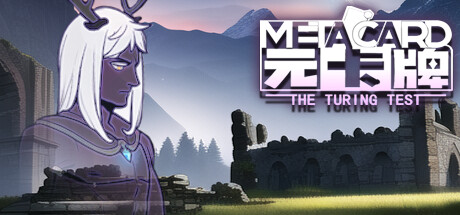
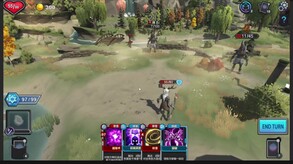
3D card building roguelike game, a tower climbing game where you can control two characters with independent card pools and turns, a favorite for Slay the Spire fans!
Modeled estimate, not a reported figure. How we estimate →
Media

About
Stats
All-time low is the lowest price we've recorded for this game since we started tracking it.
Languages: Simplified Chinese, English, Traditional Chinese
Engagement
Reviews
Themes across 40 recent reviews and how positive each mention is. A keyword signal, not full sentiment analysis.
Reviews
浅玩了一下游玩体验不错,有种在玩杀戮尖塔的感觉 但是法师又有区别于杀戮尖塔,属于一个新的体验,然后美术画风什么的也比较对我胃口,等我继续深入游玩再继续评论
游戏不错,但游戏角色有种不平衡的感觉,玩完法师加战士通完第三关再来评论的。战士感觉作用不明显,法师又太强了。一轮下来法师牌无限,虽然有蓝量限制了行动但是靠着减蓝什么的还是可以为所欲为,战士除了开局减下护甲后几乎全程酱油。都不需要几轮第三关BOSS就挂了。95%的伤害是法师打的。感觉太不合理了。
赢得莫名其妙,输的也莫名其妙。
Related
Related
Trends
Concurrent players on Steam, sampled daily since tracking started.
Hours played at review time, across 40 reviews with recorded playtime.
positive critical· bar length = how often the theme comes up
不错 挺好玩的小游戏
MetaCard:The Turing Test is a roguelike deck-building game developed and published by 肉鸽鸽独立游戏工作室 that clearly positions itself as both a homage to classic card-based roguelikes and an attempt to meaningfully expand on the formula. At first glance, it sits comfortably alongside familiar genre staples, offering tower-climbing progression, procedurally generated encounters, and the steady refinement of a deck through repeated runs. However, as players spend time with its systems, the game reveals a more ambitious core, one that asks them to juggle multiple layers of strategy at once rather than relying on a single streamlined playstyle. The most defining feature of MetaCard is its dual-character design. Instead of controlling one hero with one deck, players are required to manage two characters simultaneously, each with their own cards, resources, and tactical identity. This immediately changes how encounters are approached, as decisions are no longer isolated to a single turn cycle. One character might focus on steady defense and reliable damage, while the other leans into burst spells, delayed effects, or long-term resource planning. Success depends not just on optimizing each deck individually, but on understanding how their strengths and weaknesses overlap, compensate, or occasionally conflict with one another. Combat unfolds in a familiar turn-based card format, but the presence of two active decks adds a constant sense of tension and foresight. Players must think several turns ahead, considering how one character’s actions will shape the battlefield for the other. This layered structure encourages experimentation, especially as new cards and relics introduce synergies that only become apparent after multiple runs. What initially feels overwhelming gradually becomes the game’s greatest strength, as mastery comes from learning how to balance tempo, resource flow, and risk across both characters rather than chasing a single optimal strategy. As progression continues, MetaCard introduces additional mechanical ideas that further differentiate it from more conventional deckbuilders. Certain characters and card sets experiment with unconventional resource systems, including mechanics that reinterpret energy as time or impose conditional costs that reward patience and sequencing over raw power. These systems can feel unusual at first, particularly for players accustomed to rigid turn structures, but they reinforce the game’s broader theme of experimentation and intellectual challenge. The result is a deckbuilder that frequently asks players to unlearn habits formed in similar games and adapt to new rulesets on the fly. Visually, the game adopts a restrained 3D presentation that prioritizes clarity over spectacle. Environments, enemies, and character models are functional and readable, ensuring that the focus remains on card effects and decision making rather than visual noise. Card art and interface elements are straightforward, clearly communicating mechanics without excessive embellishment. While the overall presentation lacks the polish of higher-budget titles, it remains consistent and effective, supporting the gameplay rather than distracting from it. The roguelike structure ensures that failure is an expected and even essential part of the experience. Early runs often end abruptly as players struggle to understand how the dual-deck system interacts with enemy patterns and relic effects. Over time, however, each defeat becomes a learning opportunity, gradually revealing how different strategies scale and which combinations offer the most resilience. This slow accumulation of knowledge gives MetaCard a strong sense of long-term progression, even when individual runs are short or unsuccessful. Reception among players reflects the game’s balance between familiarity and ambition. Many appreciate its willingness to push beyond standard deckbuilding conventions, praising the depth created by managing multiple characters and experimental mechanics. Others find the learning curve steep or the systems underexplained, particularly during the early hours. These mixed reactions highlight the game’s niche appeal: it is not designed to be immediately comfortable, but rather to reward players who enjoy dissecting systems and discovering optimal play through repetition. In the end, MetaCard:The Turing Test stands as a thoughtful and challenging entry in the indie deckbuilder space. It does not attempt to outshine genre giants through polish or scale, but instead differentiates itself through structural complexity and mechanical curiosity. For players who enjoy roguelike card games and are eager for something that demands deeper planning and sustained attention, it offers a rewarding and intellectually engaging experience. Those seeking a more streamlined or immediately accessible deckbuilder may find it demanding, but for the right audience, its layered design and strategic ambition make it a compelling and memorable journey. Rating: 7/10
玩起来还不错的卡牌小游戏
很好玩的一款游戏,休息的时候来一盘,不知不觉两小时就过去了
好评的捏 独立游戏制作不易 赶紧茁壮成长
[quote=索然无味测评组]『无索不玩,品味游戏』欢迎关注[url=https://steamcommunity.com/groups/saowei/]索然无味测评组[/url],联机基友齐欢乐,周更新闻共欣赏,3A独游收眼底,GAL日呆全打尽,学习喜加一的技巧吧~QQ群240248664[/quote] 元卡牌是一款肉鸽地牢探索卡牌游戏,玩家扮演角色在地图上以踩格子的方式探索,遇到各种敌人事件,在每一层充分发育后对战本层boss,最后迎战boss。进入下一层后多一个队友,使用完一套卡牌和费用后再切换到另一名角色。拥有大部分肉鸽卡牌游戏的设定,遗物,卡牌升级,对战结束后选择奖励等等。部分遗物设定新奇,卡牌也比较有新意。有三个角色可以选择,角色之间的区别特点鲜明。但是游戏内还有不少bug(例如一个良性bug:没钱可以白嫖大部分事件),建模一般,打击感也一般,是个合格之作,看作者后续优化更新,未来可期。
[h1]Roguelike与卡牌碰撞出的火花你知道是怎么样的吗?[/h1] [h1]游戏简介:[/h1] 游戏总体来看为一款西幻套路式的Rougue卡牌游戏,玩家将扮演一位有着勇者形象的角色通过不断战斗爬塔来召集伙伴、获得圣器与各种增益,最终打倒最终的Boss。当然玩家也会在游戏的过程中面对各种选择。你也许会在问号格子里遇到一些奇遇从而如虎添翼,相对地在不知名的地域等待你的也许还是强力的怪物。当不管怎样他们都会成为你击败最终Boss前的助力。所以不必害怕,真正的勇士必将勇往直前! [h1]特色结合:[/h1] 与普通的闯关式卡牌游戏不同,本作在其之上结合了Rougelike元素。也就是说玩家并不能主动保存游戏,我们所控制的人物的生存便是游戏的开始与结束。一旦我们控制的人物角色死亡,游戏也由此结束。而另外要说的一点便是,游戏有着类似于爬塔的模式。而塔的每一层都有着自己的地图(一方N*M的矩形阵列)。初始时玩家仅有着一格的空间,随后我们即可向周围的四处探索,有神秘的Buff加成抑或是突如其来的怪物袭击。直至所有的格子都被探索,然后击败Boss进入下一层。对于这个方面,它也是十分契合勇者冒险的故事背景,地图探索的设计让玩家更具参与感、游更具故事感 [h1]具体玩法:[/h1] 游戏的具体玩法除了上述特色以外和一般的卡牌游戏类似·。其战斗这个方面在游戏中参与了相当一部分内容。游戏开局玩家就拥有自己的卡组(我们可以从战斗中获得它们),在战斗中开局我们都会获得五张卡牌,之后的每一回合我们都会额外获得三张卡牌。这些卡牌往往有着各色的种类与效果。比如装备了攻击性装备牌,我们每回合消耗内力点施展的攻击伤害就会更大。再比如一些功能牌留存到最后往往能让我们在最后化险为夷。而且游戏为了提高其丰富度,设定了各种状态效果、宝物Buff,另外在玩家通关一些层数后还可以解锁其他各色人物哦 [h1]缺点吐槽:[/h1] 游戏作为一款机制极为复杂的卡牌游戏,它的新手引导未免也太差。比如一些负面效果或状态调度就完全没教,极大提高了我的学习成本。还有卡牌选择界面有几率会卡住,当然这也有可能是我的电脑问题。还有就是魔法盾与格挡的优先级,明明魔法盾明显比格挡更好(魔法盾什么都能抗,而格挡只能抗物攻),所以难道人物受到攻击不应该先扣格挡吗?为什么先破魔法盾! 最后要讲的一点可能有点奇怪,就是到你的回合了It‘s your trun中的trun是啥?不会就不要用英文呀(其实有点好笑)!希望制作组在正式版推出之前抓紧把游戏优化一下吧 [quote]点击关注「 [url=https://store.steampowered.com/curator/41448772//]三言两语评测」→ [/url]简洁的语言,实用的内容 [/quote]
Audience
Estimated from the language of this game's reviews — a proxy for where players are, not official Steam demographics.
Related
| CYBER SEX Horny Nurses | $6.5K | 97 | 45% | $3.99 |
| Exoracer | $6.5K | 67 | 96% | $4.99 |
| Galaia | $6.5K | 63 | 89% | $4.99 |
| Sofie: The Echoes™ | $6.5K | 63 | 38% | $4.99 |
| Jack & Detectives - A Silent Social Detection Game - | $6.5K | 54 | 72% | $4.99 |
| aMAZE Classic: Inverted | $6.5K | 108 | 80% | $1.99 |