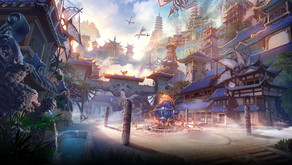
The “Xuan-Yuan Sword” is an epic oriental RPG series with 25 years of history.It elaborates on the very heart of this series, the idea of "one, looking at the same thing from different angles, may come to different conclusions. " through a variety of historical incidents in different times.
Modeled estimate, not a reported figure. How we estimate →
Discounts
Every price cut of more than 20% we have observed, in each market that quoted one, with this game's chart position on either side of it. These are episodes, not a model: a sale is one event, and one event cannot tell you what the next one will do.
Reviews, worldwide (the counter carries no country): 0.14/day in the week to Aug 18 → 0.14/day in the week after.
For scale, across Steam · Top Sellers · Brazil over the last 30 days: the 26 chart moves that followed a price cut of more than 20% went a median of 7 places towards #1, and the 2,400 moves with no price cut behind them went 2 away. One store, one chart, one country — it is the only place we have enough observations to say even that.
Prices outside the United States have been collected since 6 August 2026 and chart positions since 19 July 2026, so a cut older than that has no market to compare and a market that joined later has no history yet. Nothing here is converted between currencies.
About
Add-ons
Each DLC is estimated with the same model as a game, then summed — a modeled figure, not reported DLC sales.
Engagement
Reviews
Themes across 49 recent reviews and how positive each mention is. A keyword signal, not full sentiment analysis.
Reviews
[h1]ℕ𝕠𝕥 𝕥𝕠 𝕤𝕡𝕠𝕚𝕝 𝕒𝕟𝕪𝕥𝕙𝕚𝕟𝕘 𝕓𝕦𝕥 𝕥𝕙𝕖 𝕤𝕚𝕕𝕖𝕢𝕦𝕖𝕤𝕥𝕤 𝕚𝕟 𝕥𝕙𝕖 𝕗𝕚𝕣𝕤𝕥 𝕧𝕚𝕝𝕝𝕒𝕘𝕖, 𝕨𝕙𝕖𝕣𝕖 𝕊𝕦𝕜𝕠𝕟𝕘 𝕐𝕦 𝕔𝕠𝕞𝕖𝕤 𝕗𝕣𝕠𝕞, 𝕒𝕣𝕖 𝕥𝕠𝕥𝕒𝕝𝕝𝕪 𝕞𝕚𝕤𝕤𝕒𝕓𝕝𝕖![/h1] I don't know how to feel about this game! There's really something elusive about it, and as I'm writing this review I can't help but feel like... in spite of its jankiness, glitches and occasional game-breaking bugs, it's kind of unique, in the most passive-aggressive way ever. Let me start with the horrible, then the bad, then the ridiculous and then I'm going to try to discover why I love it so much and can't stop playing it... Maybe through writing this review, I can finally put my finger on why this game made me anxious to finish it, and I'm not even done with it yet. First; the horrible... The controls are janky as all hell, the storyline is very basic of "evil guy traps cute girlies in sphere, yada yada, one of said girlies escape and is now a mortal trying to save her sister and she meets a bunch of mortals who can't stop eating yada yada yada, basic final fantasy stuff..." and don't get me started on the combat, it's borderline heinous how you're supposed to keep tab on all four characters in real time while trying not to die. Now, the bad... At the moment of writing this review, I have already fallen through the floor into a blue prison out of bounds where the game stops FOUR times; I'm not even kidding, FOUR TIMES. I've encountered an unsolvable quest once... and I've encountered over ten normal monsters that one shot my team! The menu is cryptic because it's translated from chinese, so you have to trust your own RPG instinct while navigating it, the graphics are Jade Empire-like, which technically translates into "from the 2000's era". Now the ridiculous: as a self-proclaimed bonafide English grammar nazi, this game has been a nightmare to play through. Like couldn't they have at least a translator or something? Jesus, I mean just let AI handle the translation for you, how about that? I've seen at least a THOUSAND grammatical mistakes in this game, to the point I'm willing to now learn Chinese so I can turn off these subtitles for good. I understand that Xuan-Yuan games all have this, but Gate of Firmament just have like... a TON, you can just NOT turn a blind eye to them past the tenth mistake and they are not B1 mistakes either, it's like these devs purposefully made these mistakes... I mean, not even A1 beginners would say "When he is go?"! That's quite low, bro! And despite all of what I stated above... This game is magical. It just captures your attention from the very first few seconds of the gameplay and everytime you play it, you're in for a couple of hours of complete fun. If you've played any Final Fantasy game before, you'd feel right at home with this one... Your main characters are all sympathetic individuals with stretched out backstories, Muyue especially is quite intriguing... She starts off as a demigod who refuses to utter a single word because, as she puts it, "exchanging with mortals leads nowhere" and she grows to be the most caring person in your team. Her water magic also does wonders for the party while they are busy fighting off werewolves... and that leads me to the next point: THE VARIETY! The game pits you against hundreads of weird looking creatures from Chinese folklore, dozens of diverse bosses and a bunch of megabosses that will give you a run for your money and that's still not why I like this game so much... I don't know, maybe it's the general atmosphere of going from village to village, trying your best to buy as many new recipes from any new village you go to, in an effort to fill in the Bestiary (it's called The Dictionnary lol and it's quite a lot of work I assume to fill in every single page inside of it). So, am I going to turn a blind eye to the jankiness and recurrent carnage this game keeps committing on the English Grammar? It does kill immersion, so probably not... Am I still going to play the game because it had me intrigued, and I want to know how the story would end and if Muyue and SukongYu will get married and live happily ever after in the paradise of Huaxu? Or is it going to be bittersweet where Muyue sacrifices herself for the humans she used to look down on? I'll give this game a solid [b]7/10[/b] and maybe the jankiness, glitches and bugs just add to the charm of the game, who am I to say otherwise?
Media

Related
Related
Price dynamics, follower growth, revenue and sales trajectories with interactive tooltips
This and every other Pro feature is free until October 20, 2026. A free account is all it takes.
Genres
Stats
All-time low is the lowest price we've recorded for this game since we started tracking it.
Languages: English, Japanese, Simplified Chinese*, Traditional Chinese**languages with full audio support
Hours played at review time, across 49 reviews with recorded playtime.
positive critical· bar length = how often the theme comes up
Looks and plays like an abandoned MMORPG
Xuan-Yuan Sword: The Gate of Firmament is an ambitious action RPG that demonstrates why the Xuan-Yuan Sword franchise continues to hold an important place in the history of Chinese role-playing games. Developed by DOMO Studio and SOFTSTAR ENTERTAINMENT and published by CubeGame and SOFTSTAR ENTERTAINMENT, the game embraces traditional Chinese mythology, folklore, and philosophy to create an adventure that feels distinct from the fantasy worlds commonly found in Western and Japanese RPGs. Rather than relying on a conventional battle between heroes and villains, the narrative explores the idea that truth is often shaped by perspective, encouraging players to question motives and understand that every conflict can have more than one side. The storyline is easily the game's greatest strength. It gradually unfolds through political intrigue, ancient legends, supernatural forces, and deeply personal struggles that affect both the protagonists and the world around them. Instead of rushing from one major event to another, the game carefully develops its themes of destiny, sacrifice, trust, and responsibility, allowing emotional moments to resonate naturally. Its rich setting is inspired by Chinese history and mythology, creating an immersive world filled with mystical creatures, legendary artifacts, and forgotten civilizations. Players who appreciate lore-heavy adventures will find plenty to discover as the story steadily reveals its larger mysteries. Character development is another area where the game excels. Each member of the main cast has a meaningful role within the narrative, complete with individual goals, fears, and emotional growth. Conversations between party members help strengthen their personalities while revealing the changing relationships that form throughout the journey. Instead of relying on exaggerated archetypes, the game presents characters with believable motivations and conflicting viewpoints, making many of the story's moral dilemmas feel genuine. Romantic subplots and friendships are handled with restraint, supporting the larger narrative without distracting from its central themes. Combat blends real-time action with strategic decision-making, offering battles that remain engaging throughout the lengthy campaign. Players control their party using a variety of skills, special abilities, and equipment while adapting their tactics against increasingly dangerous enemies. Timing, positioning, and efficient use of resources all play important roles during encounters, especially against powerful bosses that require more than simple button-mashing. The combat system becomes more satisfying as new abilities and upgrades are unlocked, rewarding experimentation while remaining approachable for players unfamiliar with the series. Beyond standard progression, the game introduces additional mechanics centered around recruiting and strengthening mystical creatures. These companions can participate in battle and become valuable assets as players invest time in upgrading and combining them. Equipment crafting and character enhancement systems further expand customization, allowing players to shape their party according to their preferred combat style. These features provide a satisfying sense of long-term progression and encourage exploration beyond the main storyline. The game's presentation successfully captures the beauty of traditional Chinese fantasy. Landscapes range from peaceful villages and towering mountains to sacred temples and magical realms, each designed with vibrant colors and artistic flair. Character costumes and creature designs draw heavily from Chinese mythology, giving the world a distinctive visual identity rarely seen in mainstream RPGs. Although some animations and technical aspects reflect the game's age, the strong art direction ensures the environments remain memorable throughout the adventure. The soundtrack complements the world exceptionally well, combining orchestral arrangements with traditional Chinese instruments to create music that enhances both exploration and dramatic story sequences. Peaceful melodies accompany quiet moments, while energetic battle themes raise the intensity during combat. Chinese voice acting further strengthens the authenticity of the experience and reinforces the cultural atmosphere that defines the game. Exploration is rewarding thanks to optional quests, hidden treasures, crafting materials, and additional conversations that provide deeper insight into the world's lore. Players are encouraged to venture away from the main objectives, with many optional activities offering meaningful rewards rather than simple collectibles. This balance between narrative progression and optional content helps maintain a satisfying pace throughout the adventure. Despite its many strengths, The Gate of Firmament is not without shortcomings. Certain interface elements can feel outdated, navigation occasionally lacks clarity, and the pacing slows during some dialogue-heavy sections. The English localization communicates the story effectively but sometimes contains awkward wording that slightly reduces the emotional impact of important scenes. These issues may occasionally interrupt immersion, but they rarely diminish the quality of the overall experience. Xuan-Yuan Sword: The Gate of Firmament succeeds as a memorable role-playing adventure that offers far more than standard fantasy storytelling. Its compelling narrative, thoughtful characters, rewarding combat, beautiful mythology-inspired world, and strong audiovisual presentation combine to create an RPG that stands apart through its cultural identity and philosophical themes. While some aging mechanics and technical limitations prevent it from achieving absolute excellence, it remains a highly worthwhile experience for players seeking a story-driven RPG with a fresh perspective and a setting rarely explored in the genre. Rating: 7/10
Отличная игра! От нас бал сделан русификатор. Гуглите JRPGARCANIA.
Steam 版的系統被改爛,但劇情和音樂不得不說真的優秀,值得買!
通关,剩下成就不想拿了,没必要熬100小时打多遍! 这部也是改革之作品,如果5星我打3星,感情太突兀了剧本也有说不通和不完整的地方! 以及:这游戏的核心是什么,全篇打下来就像男二说的“为了苍生、为了国家,不能妇人之仁!”,面对选择时做出的是出卖和背叛!!事后还要希望对方的原谅,而作为被背叛者,如青瑜,那就是他临死前说的“绝不原谅”!相反,感情和大义在这部作品里显得无足轻重!
玩完之后,才知道为什么轩辕剑是国产新三剑里最先消亡的了。我是剧情党,立意其实不错的,轩辕剑从来都是家国叙事,格局很大,可惜这部台词有点说教且过于低龄化了,拖了立意的腿,而且剧情有点虎头蛇尾的感觉。 游戏性那就更不用说了,bug一堆,地图设计确实不敢恭维,又臭又长,因为地图太大了,然后重复的怪一直很快的在刷新,让人真的很烦躁。过大的地图导致很多支线很多体验也同样糟糕,大量时间用来跑图。可能也是因为我玩的时候是2026年,无法接受十多年前的这个游戏的地图风景,或许放在当时还是不错的,但是现在我确实无法推荐给好友玩。
比魂游难玩,数值被boss碾压,垃圾玩意
战斗交互太拉跨了。剧情还可以,但是剧情演出有点磨叽
一句话概括,就是: [h2]“卡在这了” [/h2] 虽然说这一部到较前代有所进步,在其发售的2015年绝对称不上优秀。毕竟是Unity3D引擎所作,相当于小马拉大车。 [h3]画面与美术: [/h3] 整体的氛围是唯美的,正如商店展示页面的例图,我也正是因为这个原因才选择了入手。画质亦是有所进步,但在2015年也是排不上号的。 可圈可点的地方是:场景相当丰富,从戈壁到雪原的场景都有所展现;配色选择很大胆,“新·有熊村”周边的红树林是真的红。每个场景都有一个调色的滤镜,一方面烘托出了此景致的氛围,另一方面也遮蔽了远景的粗糙以及贴图过低的分辨率。 可惜地图的制作水平参差不齐。 前期的“雪霁之森”相当唯美,的确能烘托出刚踏上旅途的闲适。 后期地图“建木”,显得捉襟见肘,不知是不是经费不足,建木地图的第二部分都是同一个模型粘贴复制来拼凑道路,实在是了无生气,稍显敷衍。但建木整体上值得肯定的是,它的各部分虽然需要传送,但却是在同一张地图上的,被按照不同高度进行了摆放。 最后的地图“华胥”,似也给人一种经费不足之感,空旷宏大的场景的确描绘出了剧情里该有的样子,但它的空旷是简单的贴图复用,一大片广场区域的地面纹理毫无变化。 [h3]机制与设计: [/h3] 正如那个年代的国产RPG游戏,都在遵循着“看剧情→走迷宫→打boss→看剧情”的公式流程,在玩法上远没有当今的百花齐放。本作与时俱进之处的亮点和缺陷可谓一体。 为了调剂这套公式流程,本作硬塞了些小游戏到主线里,一个是躲避巡逻,一个是连通水管,印象各出现两次,是值得肯定的创新,但还是显得保守和经验不足。 本作地图不是线状迷宫,在很多地图都做成了面状,即便是线性地图,也设计了不少的环路,让断头路和死胡同对体验的影响进一步减小。 游戏内置大地图,可以随时点开查看,即便是有迷雾未探索的地方也会标注出来宝箱的位置,相当方便。但也相应的弱化了探索要素,毕竟地图少有竖向设计,大多数时候就是顺着那个方向走一定能找到宝箱。或许是技术限制,在部分面积稍大的场景,游戏会按照大地图显示的范围来分割场景,所谓大地图只显示当前区域的一部分,并且角色经过这个分界线时会有明显的卡顿。 但是有竖向设计的地图,就是另一个怪味了。游戏中几乎所有地图都带着空气墙,其界限有时候是栅栏,有时候甚至只是几片草,让人只能根据地图上的范围来判断是否到达了边界。 本作没有《仙剑奇侠传6》的跳跃能力,但却有着高差摔落。在印象里半米高的土丘爬不上去是常有且习惯的事,然而,在本作空气墙有时是反直觉的。“血印遗迹”和“祀水”这两张图突发恶疾,你站在高处向下,是没有空气墙将你拦住的,直接就跌落到下层的道路。最无法接受的是后期地图“华胥地道”,一个螺旋上升的地图,道路两侧却没有了空气墙,那些早早被调教好的心安理得认为站在道路边缘会被卡住的暗示在这一刻崩塌了——你会从最高点直直摔到底部。这个显得“相对自由”的机制并不能给探索体验增加乐趣,更多是在添堵。而再爬回去,这个过程会困难重重。 为这个困难继续加料的是,角色的移动速度极其缓慢,跑图时宛若乌龟驮着大象艰难行进,建议叮一下提高移动速度。 [h3]战斗: [/h3] 本作在那个声讨“国产游戏只会做回合制”的年代取得了长足进步,但也是和《古剑奇谭2》一样是戴着镣铐跳舞,个人觉得不好玩。相较于即时战斗,不能控制角色走位;相较于回合制,不能长留时间以供思考,就是卡在这了。 搓一套连招是很简单的,“QQQ”或者“QQW”就能触发带有角色语音的连招,以此来决定是单体输出还是AOE伤害。 这套“即时”的战斗机制碰上回合制RPG例惯用的血牛boss,让游戏战斗的体验变得折磨。这其中还有不少boss是带有机制的,比如反甲之类,要求不得不去研究这套战斗机制,让战斗的体验愈发折磨。 也许会有人喜欢,但我个人觉得这太牢了。如果是系列以及国产三剑老玩家,或者是纯为了剧情而来,完全可以开叮。 [h3]剧情和演出: [/h3] 在这时的国产RPG里,哪怕画质战斗玩法什么都没有了,它的剧情也不会称为最短的那个木板。本作的剧情说得过去,至少也是能玩下去的一大动力,有时发糖挺有意思。四个可控角色都性格鲜明,剧情里的表现让人设都立得住。 整体的剧情不算无聊,主角团从各取所需到建立羁绊,那么反派就是相反来的,虽然反派数量不少还都要打,但实际上是个不难理解的故事。 个人观点,典中典之“悲尾”缺少铺垫,来得相当唐突,不作过度剧透,大抵就像是[b]“你刚刚大学毕业签了心动offer,却得知你八岁时被狗咬得上狂犬病,第一次发工资钱你就要寄了”一样让人无话可说。[/b] 可惜演出效果依然不尽人意,仍然是“古装木偶剧”,玩家走到剧情点,屏幕一黑,各个角色摆着僵硬的姿势,似张非张动着嘴唇,大大方方敞敞亮亮就要演一出大型木偶剧。而且,NPC的建模水平远低于自机角色,甚至可以称得上棱角分明,在一起摆僵硬姿势时更显出戏。幸好关键的剧情节点上穿插了CG,没有这些点缀,这个故事的精彩程度一半都要靠玩家脑补。 游戏贴心添加了“跳过”,这个功能除了非常赶时间以外的情况下很不好用。基本还是要靠着鼠标点击来跳过对话,但是在人物的动作没有播放完毕前跳过对话总是失灵,再加上大片的剧情演出里还混含着大量给天空、给树木的空镜,这些空镜在运镜时也不能跳过,就让人觉得无奈。 [hr] [/hr] 所以,正如那扇“天门”,跨过去真的会好么?当玩不下去时,就不要硬玩,可以叮一下,也可以看视频云通关。 卡在这了,便是当年向着即时战斗转型的阵痛期的常事。
Players by region
Where this game's players are, estimated from review languages.
Related
| Game | Estimated lifetime revenue | Reviews | Review score | Price |
|---|---|---|---|---|
| $555.4K | 2.7K | 97% | $5.09 | |
| $555.8K | 1.2K | 74% | $15.99 | |
| $555.2K | 3.1K | 91% | $5.99 | |
| $555K | 1.2K | 94% | $14.99 | |
| $555K | 506 | 70% | $39.99 | |
| $556.1K | 2.3K | 95% | $14.99 |
Related
| Game | Estimated lifetime revenue | Reviews | Review score | Price |
|---|---|---|---|---|
| $746.2K | 1.9K | 76% | $14.99 | |
| $5.2M | 9.6K | 63% | $34.99 | |
| $121.2K | 442 | 79% | $12.99 | |
| $10.8K | 78 | 86% | $9.99 | |
| — | 0 | — | — | |
| $33.7M | 35.5K | 75% | $49.99 |