With the death of Stalin, all those who surrounded him, are now fighting for the supreme power and control over the nation. Lena, our heroine, has found that her husband has been kidnapped and possibly murdered. She has no clue about who did it, but she knows whom to ask.
Modeled estimate, not a reported figure. How we estimate →
Discounts
Every price cut of more than 20% we have observed, in each market that quoted one, with this game's chart position on either side of it. These are episodes, not a model: a sale is one event, and one event cannot tell you what the next one will do.
Reviews, worldwide (the counter carries no country): 0.33/day in the week to Aug 4 → 0/day in the week after.
For scale, across Steam · Top Sellers · Brazil over the last 30 days: the 26 chart moves that followed a price cut of more than 20% went a median of 7 places towards #1, and the 2,400 moves with no price cut behind them went 2 away. One store, one chart, one country — it is the only place we have enough observations to say even that.
Prices outside the United States have been collected since 6 August 2026 and chart positions since 19 July 2026, so a cut older than that has no market to compare and a market that joined later has no history yet. Nothing here is converted between currencies.
About


Stats
Engagement
Reviews
Themes across 48 recent reviews and how positive each mention is. A keyword signal, not full sentiment analysis.
Reviews
У игры есть один плюс - требуется менее двух часов на прохождение
Fajnie sobie postrzelać do ruskich
Лучше чем Оригинал , но все равно середняк нишевый.
Media
Related
Related
Price dynamics, follower growth, revenue and sales trajectories with interactive tooltips
This and every other Pro feature is free until October 20, 2026. A free account is all it takes.
All-time low is the lowest price we've recorded for this game since we started tracking it.
Languages: English*, Russian**languages with full audio support
Hours played at review time, across 48 reviews with recorded playtime.
positive critical· bar length = how often the theme comes up
Gra Metro-2 Czerwona Wstęga, czyli Tunele Stalina 2 to strzelanka pierwszoosobowa wyprodukowana przez Buka oraz Orion. W Polsce poza Steam wydało ją CI Games. Fabuła gry rozgrywa się czasoprzestrzennie w jakiś rok, dwa lata po części pierwszej, a na pewno w 1953 roku, gdyż Ławrientij Beria jeszcze żyje. Wcielamy się w postać Jeleny Aleksandrownej Lapiny-Suworowej, żony głównego bohatera części pierwszej, Gleba Swiatosławowicza Suworowa. Beria po śmierci Stalina chce przejąć władzę w sposób bardziej prostacki niż w jedynce, czyli likwidując kogo popadnie. Na jego drodze stoi właśnie Lena, która zabiła generała Nikitę Zujewa, głównego zdrajcę z fabuły pierwszej gry. Do brudnej roboty wynajmuje Nataszę Michalewę, agentkę GRU, która ma osobiste ambicje by zgładzić Lenę i zrobić coś obscenicznego z Glebem. Lenę ostrzega telefonicznie Oleg - jeden z jej kumpli i zabawa się zaczyna. Graficznie, pomimo lepszych technologii i ogólnie wyższych wymagań sprzętowych do odpalenia, gra jest bardziej prymitywna i brzydsza od części pierwszej. Co prawda nie straszą czarne plamy na ścianach ale i tak jest szaro-buro. Miejscówki jakie odwiedzimy są gorszej jakości niż w poprzedniej części. Ja rozumiem, że kompleks D-6 został poważnie zniszczony w jedynce ale czemu musi on być w dwójce taki brzydki. Nawet cywilne stacje kolejowe Metra-2 są mierne graficznie. Fizyka także nie powala. W poprzednim epizodzie mieliśmy w zasadzie nieograniczony dostęp do interakcji z otoczeniem, czytaj: zniszcz lub przesuń. Tutaj już jesteśmy mocno ubezwłasnowolnieni. Nie poprawiono rag dolli i innych aspektów poruszania się wrogów. Zdarza się, że niektórzy przeciwnicy po śmierci jeszcze jęczą i próbują się odkleić od plamy krwi. W jedynce dużo było takich krwawych momentów, tutaj nie ma ich tak dużo. Chociaż trzeba przyznać, że grałem na niskich detalach by nie mieć zwisów, dlatego może jednak ten realizm jakiś jest. A propos realizmu przeciwnicy są tak samo jak w jedynce wyjątkowo silni i celni, a nasza broń w aspekcie skuteczności i celności to już loteria. Nadto Lena jest słaba i byle seria z pepeszy ją zdmuchnie, chociaż tutaj także to jest bardziej widzi mi się gry. Raz przeciwnik się musi srogo namęczyć, żeby bohaterkę zgładzić a raz wystarczą dwa trzy naboje. Wyjątkowa niekonsekwencja. Przeszkadzają także często efekty w postaci dymu i pyłu, który skutecznie utrudnia ocenę czy przeciwnik jeszcze wchłonie serię z pepeszy czy już padnie. W jednej z misji musimy zniszczyć kilka wołg i co ciekawe pepesza jest lepsza w te klocki niż kałach. Bardzo dziwne. Gra niestety ma wiele graficznych bugów, jak chociażby słynne pędzące koła ciężarówek na Placu Czerwonym. Niektóre elementy zwłaszcza wnętrza obiektów wyglądają jak bit mapy pokolorowane by imitować prawdziwe obiekty. Jednym słowem grafika nie powala ale można ją po japońsku wytrzymać. Dźwiękowo także jest regres w porównaniu do jedynki. Sekwencji dialogowych jest mało ale od nich to trochę bolą uszy. Zwłaszcza Beria mówi jakimś dziwnym akcentem a lektor inny niż w jedynce i po prostu gorszy. Grę otwiera pseudo-elektrorockowa wersja pieśni pionierów radzieckich: ,,Ja to potrzebuję zrobić". Każdy poziom ma swoją melodyjkę w stylu midi i ambientu. W przeciwieństwie do większości graczy akurat te utwory mi się podobają, z wyjątkiem slapstick popowej wersji pieśni ,,I Lenin taki młody". To już była przesada. Dźwięki broni i otoczenia są w porządku i tyle. Jeżeli chodzi o gameplay to już trochę pisałem wyżej. Tutaj skupię się na poziomach, bo one są w pewnym sensie fabułą. Autorzy na szczęście odeszli od tych trzy minutowych sekwencji latania z jednego końca pociągu do drugiego i to oceniam na plus. Pozytywem jest względna różnorodność misji. W każdej jest coś innego. W jedynce w sumie biegaliśmy po kanałach i tunelach. Tutaj jest bardziej kolorowo, chociaż z tego powodu nazwanie tej gry Metro-2 jest trochę na wyrost. Pierwsza misja to poszukiwanie drogi ucieczki przed klonami krasnoarmiejców w moskiewskich kamienicach. Druga to przechadzka po dachach. Trzeci poziom to niesławna przejażdżka na szynach Pobiedą na Placu Czerwonym. Ta misja jest przez większość forumowiczów określona jako zepsuta. Pominę bugi z ciężarówkami ale Lena ma mało broni i mało pola manewru na tylnym siedzeniu. Przeciwnicy nakurzają ze wszystkich stron a auto i nasza gieroina nie są terminatorami. By ukończyć ten poziom trzeba mieć po prostu szczęście. Czwarty poziom to kanały z elementem zręcznościowym na czas w postaci podnoszącego się poziomu wody. Piąty poziom to D-6, a szósty także D-6 tylko bardziej cywilna stacja. Misja siódma to gehenna eskortowa a ósemka zawiera wszystkie mankamenty jakich doświadczyliśmy w całej grze. Powtórzę, Lena jest słaba a przeciwnicy silni. Apteczek także jest mniej, więc należy grać bardziej strategicznie. Mamy także ograniczoną ilość slotów na broń i to był chyba zamysł twórców by było bardziej realistycznie. Nie mamy tutaj powszechnych w jedynce skrzynek z amunicją, więc musimy pasożytować na pokonanych wrogach, ewentualnie szukać amunicji po zakamarkach. Broń nasza jest losowa z celnością a przeciwników wyjątkowo celna. Granaty są źle zoptymalizowane a dodane koktajle mołotowa tylko ciut lepiej. Przez to gra jest trudna. Tutaj doświadczymy zdecydowanie więcej łamigłówek niż w jedynce. W wielu miejscach będziemy musieli także wykazać się umiejętnościami zręcznościowymi by się wspiąć i nie spaść. Pominę naturalne skrypty, które sprawiają, że jeżeli czegoś nie zrobimy to zginiemy ale skrypty w postaci respawnu przeciwników za naszymi plecami, pomimo oczyszczenia wcześniejszych pomieszczeń nie znoszę. Utrudnia to niepotrzebnie grę. Co do misji eskortowej - Gleb został nafaszerowany jakimiś substancjami i niedomaga. Więc musimy mu znaleźć lekarstwo, chronić jego i siebie, on nie ma siły by strzelać a przeciwnicy i skrypty to już macie wyżej. Co do przeciwników to walczymy głównie z klonami zwykłych żołdaków, czasem pojawi się oficer RKKA czy KGB lub szpicel NKWD. Wojaków SPECNAZU z jedynki nie uświadczymy o ile pamiętam. Szkoda, że w kanałach nie ma tych meneli i gangusów obecnych w jedynce. Byłoby urozmaicenie. Niestety największym szkodnikiem jest brak kompatybilności sterowników graficznych i dźwiękowych z nowymi systemami operacyjnymi. Gra się zamraża na początku poziomów, w trakcie cut-scenek, przy wyjściu do menu lub przy loadingu. Można to jakoś przeboleć ale jest to jednak taka zadra w aspekcie czerpania przyjemności z gry. A co do przyjemności. Uważam, że to nie jest gra godna polecenia. Chyba, że lubisz kołchoźniczą męczarnię z wyjątkowo słabą bohaterką przy akompaniamencie plumkania z głośników to gra jest dla Ciebie. Możliwość grania w grę opowiadającą o latach 50. XX wieku w Kraju Rad to też pewna zachęta. Jeżeli chcesz jako dumna sowiecka dziewoja strzelać do innych Sowietów to produkt dla Ciebie. Ale przede wszystkim jeżeli lubisz obskórne shootery to gra aż się prosi by ją zakupić i odpalić. Jednakże zanim zagrasz w dwójkę spróbuj jedynkę. Jest o niebo lepsza.
Унылый геймдизайн, серые локации, куча врагов которые быстро убивают даже на нормальной сложности, а есть которые сразу ваншотают, почти нет аптечек, оружие не разнообразное, стрелять неприятно, не оптимизированая, не запускается нормально и приходится фиксить, а потом играть без музыки, проблемы впринципе с громкостью звука В итоге плохой российский шутер как и куча других российских шутеров, запустил лишь, потому что в детстве играл немного и решил вспомнить
枪械手感比一代好了一些但还是一坨屎。画面主要提升在人物建模上,有表情了,眼睛也可以动了。游戏里的苏联建筑做的依然很吸引人,红场、克里姆林宫、索菲亚大教堂等等看着还是挺怡人的。搞笑的是主打fps的游戏限制你最多带三把枪,一代还是个能带十几把武器的移动军火库,二代就变成了左手一把右手一把吊上再挂一把的残疾人。二比一短了一个多小时的流程,搞笑的是一代也就两个小时流程;而这不到一小时的流程里还有无数地方能死档。红场追车本来可以做的很刺激很爽,但nt制作组非要设置极低的车辆血量,两三辆军车和两三辆轿车追你,不重复读档根本过不了。明明一代做的还可以,二代却变成了屎。难度及其不合理。游戏过程中任何地方不注重血量管理(也就是无聊的存读档),接下来任何一处都有可能因为血量过低死档。我为啥还给推荐呢,我自己都不清楚,可能我喜欢吃奇异搞笑的大粪作品吧
Freddyd és LaLee bemutatója hűen tükrözi mennyire szörnyűséges ez a játék. Ha másért nem is, de azért érdemes egyszer végigvinni, hogy a saját bőrödon tapasztald tényleg mennyire borzasztó ez a játék. Néhány pálya amúgy egész türhető, de a kocsis üldözés és Gleb gyök kettes kisérgetése a végén egyenesen katasztrófa. (Előbbinél megtapasztalhattam a gyilkos kerekek hatalmát én is, meg a sofőr agyhalott vezetését) Ráadásul nyuszitáncolva mamuszba végig lehet ugrabugrálni az egész játékon miközbe szét spray n pray-elheted az 1000-es katonaikreket, mert még arra se vették a fáradtságot hogy kicsit máshogy nézzenek ki a katonák. Valószínűleg a steam-es verzió miatt, de például átvezetőket abszolút nem ad be a játék fix nincs hozzá, úgyhogy a főkönyvtárból kell végignézd őket ha egyáltalán érteni akarod mi zajlik itt (Fos szinkronnal hozzátéve ) A zenét meg jobb lett volna, ha Alex Burton csinálja és nem szól semmi, mint hogy ezt a techno orosz babuskát hallgassa az ember. 2 óra alatt végiglehet ugrabugrálni az egészen, de ne számítsatok ettől a játéktól örömforrásra, mert nincs :D
Первое Метро 2 было лучше. А тут без "Год 1" на нормале даже первую локацию не пройдёшь. Ну и с ним тоже, потому что х3р знает куда идтти в этом лаберинте. Даже подсказки по миссии на "Таб" нет... И Метро нет... Кошмар. Огнемёт класный.
Cudowna produkcja, wcielamy się w kobietę, voice acting lepszy niż w jakiejkolwiek innej grze, gonią cię niewidzialne auta z dwoma widocznymi oponami, końcowy etap eskorty randoma z pierwszej części sprawił, że przez emocje chciałem skoczyć z balkonu.
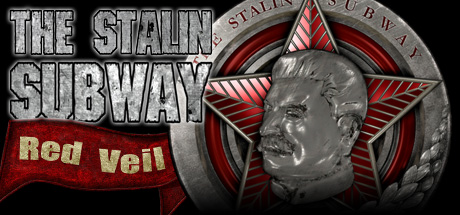
The Stalin Subway: Red Veil is a first-person shooter developed by Orion Games and published by ESDigital Games, serving as the direct continuation of the story that began in The Stalin Subway. Set once again in Cold War–era Moscow during the early 1950s, the game expands on the political intrigue and underground conspiracies that defined the original title. Rather than moving toward a modern or futuristic setting, the developers remain firmly rooted in the tense atmosphere of Stalinist Russia, where secret operations, military rivalries, and hidden government infrastructure shape the events unfolding behind the scenes. The sequel attempts to deepen the narrative and broaden the environments while retaining the classic linear shooter structure that characterized many PC shooters of the mid-2000s. The story follows the same protagonist, Gleb Suvorov, a Soviet officer who previously uncovered a conspiracy involving a hidden nuclear device beneath Moscow. In Red Veil, Suvorov becomes entangled in yet another dangerous political situation as new conspiracies emerge within the Soviet military and intelligence circles. The narrative revolves around secret organizations, betrayals among high-ranking officials, and covert operations that threaten the fragile balance of power in the Soviet Union. As Suvorov investigates the new threat, he uncovers a series of hidden agendas that stretch from underground bunkers to the upper levels of Soviet leadership. The game attempts to blend historical tension with fictional espionage, creating a story that feels like a Cold War thriller where political paranoia and covert warfare dominate the narrative. The campaign structure follows the familiar formula of traditional first-person shooters. Players move through a sequence of linear levels while completing mission objectives, eliminating hostile forces, and uncovering pieces of the story through scripted events and brief narrative moments. Combat remains the central mechanic, and the game provides a variety of weapons inspired by real Soviet military equipment from the era. Pistols, submachine guns, rifles, and heavier weapons such as flamethrowers and explosive devices are available throughout the campaign, each suited to different types of encounters. These weapons reinforce the historical setting and provide enough variety to keep firefights engaging, whether players are battling enemies in narrow tunnels or navigating larger outdoor areas. One of the defining elements of Red Veil is its environment design, which continues to emphasize the hidden infrastructure beneath Moscow. Much of the action takes place in underground metro systems, military bunkers, secret laboratories, and the rumored Metro-2 network—a legendary system of tunnels believed to connect key government facilities. These subterranean environments create a sense of secrecy and isolation, reinforcing the theme that the player is uncovering hidden layers of Soviet power. The game also expands beyond the underground spaces more frequently than its predecessor, introducing surface locations such as government compounds, industrial facilities, and sections of the city that reflect the architecture of 1950s Moscow. This broader variety of locations helps give the sequel a slightly larger scope. In addition to standard firefights, the game occasionally introduces mission scenarios designed to add variety to the gameplay. Some sequences require players to move stealthily through hostile territory, avoiding detection or quietly eliminating enemies before an alarm is triggered. Other sections rely on scripted action moments, including escapes from collapsing structures, timed objectives, and environmental hazards that must be navigated carefully. While these mechanics remain fairly simple compared to modern shooters, they help break up the pace of the campaign and give certain missions a more cinematic feel. Graphically, The Stalin Subway: Red Veil shows modest improvements over the original game but still reflects the limitations of the technology available during its development. Character animations and enemy models are fairly basic, and the overall visual fidelity is noticeably dated by modern standards. However, the environments themselves often capture the distinctive atmosphere of Soviet architecture and infrastructure. The underground metro stations, industrial corridors, and government bunkers are designed with attention to mood, using dim lighting and heavy industrial textures to create a sense of tension and secrecy. This atmospheric design plays an important role in maintaining immersion throughout the campaign. The pacing of the game varies depending on the mission structure. Some sections emphasize intense firefights with multiple waves of enemies, while others focus more on exploration and narrative progression. Occasionally, the pacing suffers from repetitive enemy encounters or long corridors that feel somewhat formulaic. Enemy artificial intelligence can also be inconsistent, sometimes reacting slowly or behaving predictably during combat. These issues highlight the game’s relatively modest production budget and the design conventions common in shooters from the early 2000s. Despite these limitations, Red Veil remains interesting largely because of its unique setting. Few shooters explore the political and historical atmosphere of Stalinist Russia, and the game’s use of real locations and Cold War themes gives it a distinctive identity within the genre. The mixture of historical landmarks, secret underground networks, and fictional conspiracies creates a world that feels both familiar and mysterious. For players interested in Cold War stories or unusual historical backdrops, the setting alone provides a compelling reason to experience the game. The narrative itself continues the conspiratorial tone of the original game, weaving together espionage, political intrigue, and military secrets. While the story may feel somewhat complex or dramatic at times, it contributes to the overall atmosphere of secrecy and paranoia that defines the series. Suvorov’s journey through hidden tunnels and government facilities gradually reveals a broader web of political manipulation, reinforcing the idea that powerful forces are operating behind the scenes of Soviet society. Ultimately, The Stalin Subway: Red Veil stands as a continuation of a niche but distinctive shooter series. Its gameplay mechanics may feel dated, and its technical presentation cannot compete with modern titles, but the game still offers an unusual blend of historical fiction and classic FPS action. The Cold War setting, combined with the exploration of Moscow’s rumored underground networks, gives the experience a flavor rarely seen in other shooters. For players who enjoy exploring obscure or historically themed games, the sequel provides a fascinating glimpse into an alternative interpretation of Soviet-era espionage and conflict. Rating: 6/10
Selling now
See how fast this game is selling right now — estimated copies and revenue per day from recent review growth.
Players by region
Where this game's players are, estimated from review languages.
Related
| Game | Estimated lifetime revenue | Reviews | Review score | Price |
|---|---|---|---|---|
| $54.7M | 66.9K | 93% | $39.99 | |
| $21.1M | 93K | 98% | $14.99 | |
| $57.1M | 47K | 70% | $59.99 | |
| $12M | 9.2K | 82% | $59.99 | |
| $660.7K | 3.4K | 94% | $9.99 | |
| $5.3M | 4.4K | 67% | $59.99 |
Related
| Game | Estimated lifetime revenue | Reviews | Review score | Price |
|---|---|---|---|---|
| $19.4K | 152 | 50% | $4.99 | |
| $19.4K | 149 | 80% | $9.99 | |
| $19.4K | 81 | 69% | $9.99 | |
| $19.4K | 369 | 94% | $2.99 | |
| $19.4K | 471 | 94% | $0.99 | |
| $19.4K | 175 | 74% | $6.99 |