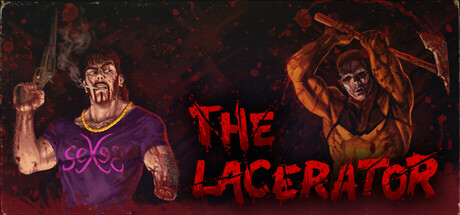
The Lacerator is an unapologetically extreme survival horror experience that fully commits to shock, satire, and old-school design philosophy. Developed by Games From The Abyss and published by DreadXP, the game deliberately blends grindhouse excess with classic survival horror mechanics, resulting in an experience that feels both nostalgic and transgressive. Rather than aiming for subtle psychological horror, it embraces grotesque imagery, dark humor, and mechanical cruelty as defining features, making it clear from the outset that comfort and restraint are not part of its vocabulary.
The premise immediately sets the tone, placing players in the role of Max, a washed-up adult film actor kidnapped alongside his crew by a sadistic killer. The narrative leans heavily into exploitation cinema tropes, presenting a world that is sleazy, violent, and self-aware in equal measure. While the setup is intentionally outrageous, it also serves as a framework for genuine survival horror, trapping the player in a confined and hostile environment where escape is the only goal. Storytelling unfolds through environmental clues, bizarre encounters, and grimly comedic dialogue, creating an atmosphere that oscillates between unsettling tension and grotesque parody.
Mechanically, The Lacerator is rooted firmly in classic survival horror traditions. Exploration is methodical and tense, with limited resources forcing careful decision-making at every turn. Inventory management plays a central role, as players must decide what to carry, what to discard, and when to risk pushing forward without adequate supplies. Puzzles are generally straightforward but effective, reinforcing a sense of vulnerability rather than halting progress with overly complex logic challenges. The game’s structure prioritizes tension through scarcity and uncertainty rather than constant combat.
What truly sets The Lacerator apart is its limb-loss system, a mechanic that transforms damage into a long-term gameplay consequence rather than a simple health penalty. Losing limbs alters how Max moves, fights, and interacts with the world, forcing players to adapt their strategies on the fly. A missing leg slows traversal, while the loss of arms complicates combat and item usage, turning previously manageable situations into desperate struggles. Instead of ending the game outright, these injuries persist, creating a grim sense of survival against mounting physical deterioration. This system reinforces the game’s themes of bodily horror while also adding genuine mechanical tension to every encounter.
Visually, the game embraces a deliberately rough, retro-inspired aesthetic that echoes early 3D survival horror titles. Blocky character models, harsh lighting, and grainy textures work together to create an oppressive atmosphere that feels both nostalgic and unsettling. Fixed camera angles are used extensively, emphasizing vulnerability and limiting player awareness in ways that heighten suspense. An optional over-the-shoulder perspective offers a more modern feel, but even then the presentation remains intentionally uncomfortable, reinforcing the sense that the environment is hostile and unsafe. The visual style is not about polish, but about mood, and it succeeds in making every corridor feel threatening.
Sound design plays a crucial role in sustaining dread. Sparse ambient noise, distant mechanical hums, and sudden, jarring audio cues keep players on edge, often making silence itself feel ominous. Music is used sparingly, allowing environmental sounds and enemy movements to dominate the soundscape. This restraint amplifies tension and ensures that moments of violence or discovery land with greater impact. When audio does swell, it often signals danger or escalation, reinforcing the sense that safety is fleeting at best.
The game’s pacing and structure favor replayability over length. A single playthrough is relatively brief, but branching paths, multiple endings, and varied outcomes encourage experimentation. Decisions made during exploration, resource management, and combat can significantly alter how events unfold, rewarding players who take risks or approach situations creatively. Checkpoint-based progression heightens tension by discouraging reckless play, though it may frustrate those accustomed to more forgiving save systems. This design choice reinforces the game’s identity as a throwback to a harsher era of survival horror.
Despite its strengths, The Lacerator is intentionally abrasive and will not appeal to all players. Controls can feel stiff, combat is deliberately awkward, and the thematic content leans heavily into exploitation and grotesque humor. These elements are not accidents or oversights, but deliberate design decisions that serve a specific vision. Players seeking smooth, modern horror experiences or refined mechanical depth may find the game frustrating or distasteful. However, for those willing to embrace its excesses, these same qualities become part of its appeal.
Ultimately, The Lacerator stands as a bold and distinctive homage to retro survival horror that refuses to dilute its identity. Its combination of classic mechanics, extreme presentation, and inventive limb-based survival systems creates an experience that is uncomfortable, memorable, and unapologetically niche. For fans of old-school horror design, grindhouse aesthetics, and games that challenge both player skill and sensibilities, it offers a twisted journey that lingers long after the final escape or demise.
Rating: 8/10