
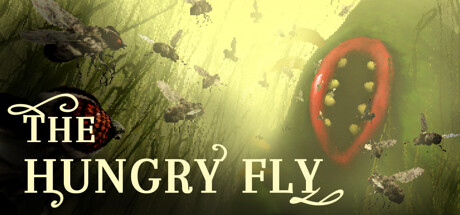
Once upon a time, there was a fly. A hungry fly. A fly with razor-sharp teeth, with a taste for dead things. This is the tale of its adventure to find something dead to devour, in a swamp where nothing dies, everything is grotesque, and every choice matters, no matter how surreal.
Modeled estimate, not a reported figure. How we estimate →
Media

About

Once upon a time, in a swampland dreary, a fly awakened, weak and weary. Possessed of hunger, it set out on a search to find a morsel, a corpse, to stop starvation. But there was no death to be found in the swamp, only tormented life. It journeyed on, meeting strange creatures living in the swamp, ever sadder and more tortured, until, by chance, it happened on something delicious.

You are the fly. Play as the dirty, filthy, corpse-eating fly on a mission to devour a monster living in a bath in a house far away.

Meet grotesque, surreal inhabitants who will ask you to do surreal and horrible things. Do them and eat horrific things to sate the fly's hunger for dead flesh. Then restart the tale and choose a different path through the story, eating your way to three different endings.
Be the fly. Explore. Meet depressing caterpillars. Experience a disturbing tale of existential horror. Welcome to the next brainchild of the creators of The Repairing Mantis.
Stats
All-time low is the lowest price we've recorded for this game since we started tracking it.
Languages: English, French, Japanese
Engagement
Hours played at review time, across 40 reviews with recorded playtime.
Reviews
Themes across 40 recent reviews and how positive each mention is. A keyword signal, not full sentiment analysis.
positive critical· bar length = how often the theme comes up
Reviews
Это один из самых необычных опытов, что мне довелось испытать в инди-хоррорах. То, что сначала казалось глупым и даже смешным, оказалось по-настоящему глубоким, метафоричным и мрачным. К финалу игра оставляет ощущение душевного неравновесия и привкус отвратительности произошедшего. Вы начинаете за муху, которая просыпается на болоте и испытывает потребность насытиться мертвой плотью. Но вот незадача: по словам обитателей болота, умереть здесь невозможно, а значит, трупов мухе не видать. Не имея выбора, она продолжает кружить в поисках смерти, но, к ее несчастью, умирать никто не собирается. В очередной раз пролетая над болотом, муха сталкивается с говорящим растением. Оно предлагает ей проникнуть внутрь и насытиться гниющими трупами прямо в его желудке. Поглощая гниль, муха внезапно обнаруживает, что это воспоминания. Чужие, болезненные. Это воспоминания монстра, которого ненавидят все. Муха решает, что должна его уничтожить и съесть все, что осталось от его памяти, стереть его навсегда. Но чем больше она ест, тем сильнее голодает. Чем больше поглощает, тем ближе становится к нему. Теперь она может мыслить, чувствовать, воспринимать как он. С каждым новым фрагментом памяти окружающий мир меняется,и муха узнает правду о жителях болота и самом монстре. Здесь я вынуждена остановиться и не открывать занавес который скрывает нечто большее, а позволить вам самим сформировать мнение о том, что же игра вам показывает. https://steamcommunity.com/sharedfiles/filedetails/?id=3533942951 Сюжет действительно ужасен и заслуживает отдельного внимания. Визуальный стиль сглаживает ту жестокость, которую транслирует история. Уродство игры становится ее силой. Да и грубое визуальное исполнение полностью соответсвует происходящему, эта картина создана в гармонии и порядке. После финала остается тяжелый осадок, ведь метафоры, заложенные в повествование, поднимают такие темы как инвалидность, беспомощность и нанесение себе вреда. Это тот редкий случай, когда даже самая современная графика не способна сравниться с тем, что сделано здесь. Рекомендую только тем, кто любит тяжелые сюжеты, над которыми нужно подумать, чтобы дотронуться до внутреннего ядра сквозь метафоры. Для «ой, тут не пугают - значит не страшно» в игре ничего нет;) А больше обзоров можно найти [url=https://store.steampowered.com/curator/45695689/] 👉 здесь[/url]
Следующая работа от автора [i] The Repairing Mantis, [/i] и снова — мрачный, тусклый визуал: болотистая местность, всё в [b] гнили и зелёно-жёлтом цвете. [/b] Палитра будто пропитана разложением, тошнотворные, вязкие тона, однотипная местность, в которой легко заблудиться. На этот раз мы играем за [b] муху, [/b] которая очень голодна. Но она не может насытиться простыми ягодами, ей нужна [b] мepтвичинa. [/b] Встретившиеся на нашем пути местные обитатели только разводят лапками, ведь здесь ничто не умирает, а значит, мы не сможем утолить свой голод тpупaми. Пролетев немного дальше, мы встречаем цветок-мухоловку. Он говорит, что внутри него должно быть то, что поможет нам насытиться. Мы залезаем внутрь его пасти и... оказываемся в небольшой комнате. Всё в ней выглядит знакомо сюрреалистично, тревожно и безысходно. Поедая гниющие предметы, мы обнаруживаем, что это воспоминания монстра. Мерзкого, отвратительного существа. Муха желает уничтожить его: съесть всё, что напоминает о нём, чтобы от него ничего не осталось. С этого момента игра меняет лицо. Дальше пересказывать сюжет не буду, чтобы не испортить первое прохождение. Мне импонирует данная структура сюжета и открытый финал. Игра не даёт ответа, а лишь наводит на определённые мысли и оставляет тебя наедине с ощущениями [i] что это только что было? [/i] Эта история вызывает целую гамму чувств: от любопытства и мрачного веселья до отвращения и грусти. Здесь затрагиваются темы [i] сeлфхapма, беспомощности, ненависти к себе. [/i] Всё подано не в лоб, а метафорично, через многослойную форму образов. [spoiler] Сначала мне казалось, что это история о беспомощности и физическом страдании. О невозможности двигаться, действовать, жить полноценно. О собственном теле, которое стало клеткой. Но потом, при следующих забегах, взгляд начал меняться. Я поняла, что игра может быть не так однобока, и стала видеть в этом тему взросления? (ответственности за свою жизнь?) В одном из финалов, когда нас покидает мать, мы остаёмся в ванной. Сливаемся с болотом. Теряем движение, превращаемся в недвижимую массу и отказываемся от каких-либо действий — отказываемся от себя. И возможно, игра говорит именно об этом, не бойся выйти из этой "ванны", не обрастай мхом. Не дай своему внутреннему потоку жизни умереть в трясине. [/spoiler] Либо я хочу видеть то, что вижу, и игра не ставила цели передать что-то ещё, кроме очевидного послания, но не в этом ли прелесть подобных историй? Возможность интерпретировать их через себя: через собственный опыт, страхи, образы. Если не боишься тревожных и непростых тем, ценишь странные игры с многослойной историей и нетривиальной подачей - перед тобой настоящая жемчужина среди инди.
I usually like these types of games, but it's very hard to recommend this. It's just not very scary, or fun to play. Just kind of a slog. The premise starts out interesting, but quickly devolves into random dream logic, ultimately makes everything that happens feel pointless. I can't say it's a bad game. Not the worst way to spend an hour (the time it takes to finish the game), but not exactly riveting either.
The Hungry Fly isn't BAD, but it's the kind of game that's strange just for the sake of being strange. Nothing you do is particularly interesting, and the narrative, if you can call it that, is basically just dream logic. Everything is arbitrary, nothing really makes any sense. So although it's not a horrible experience or anything, I can't recommend playing it either.
I really loved this game, so much! Was very hungry to find out more of the story haha Absolutely admire how well the graphics are made, music is good, eerie and the vibes are nailed so well! The game scratched the right spot in my brain, made me feel something and was worth the price of hard work It is weird, but in a good way. Horror parts are made well. I usually get motion sickness on certain games, but after a while it disappeared, was worth it imo. And I played on normal mode Shortish, can be played multiple times, but still very enjoyable. Would recommend to anyone who loves shorter indie games with deeper meaning behind it all
Абсолютно шикарнейшая игра с потрясающим, гнетущим, гротескным сюжетом, полным как отчаяния, тоски, но и - умиротворения, принятия и свободы в некотором смысле. Купил чисто чтоб хоть как-то поддержать разработчиков, в том числе и отзывом, а то даже спустя столько времени до сих пор помню эту историю, как наткнулся на ютубе, просмотрев полностью.
This seems to just be a weird, messed up game for the sake of being a weird messed up game. I'm all down to play thematic games without much going for them, but I don't even understand what the message is here so it feels kind of pointless, like a kind of gratuitous nightmare game. I don't recommend this one.
The Hungry Fly, developed by Erupting Avocado and published by indie.io, is a surreal horror experience that eschews traditional gameplay conventions in favor of atmosphere, symbolism, and existential unease. Set in a nightmarish swamp world that feels both organic and purgatorial, the game follows a grotesque fly—half-insect, half-abomination—on a desperate search for sustenance in a place where death no longer functions. The premise sounds deceptively simple, yet what unfolds is a deeply unsettling and abstract narrative about hunger, decay, and the blurred boundary between life and rot. The Hungry Fly doesn’t rely on sudden shocks or monsters to frighten you. Instead, it cultivates dread through its pacing, its uncanny tone, and its refusal to explain what is happening. It’s the kind of horror that crawls under your skin slowly, only to linger long after the credits roll. The visual design of The Hungry Fly immediately sets it apart from most modern horror games. It adopts a lo-fi, almost primitive 3D aesthetic that feels like a relic from an older era of gaming, yet it uses this limitation as a strength. The low-resolution textures, sharp edges, and uneven lighting create a world that feels half-formed, as if it exists in a liminal space between dream and decomposition. The swamp itself feels alive but wrong, filled with creatures that are both familiar and alien—mutated worms, decaying spiders, and other malformed beings that reflect the fly’s own grotesque nature. The visual palette of murky greens, browns, and greys is oppressive and deliberate, evoking the stench of stagnation. Every corner of the world oozes atmosphere, and its ugliness is purposeful. Rather than repelling the player, it draws them in, inviting them to interpret the environment as both literal and psychological. The sparse yet haunting soundtrack amplifies this effect, using low ambient drones and distorted whispers that make the silence between sounds as unsettling as the noise itself. Gameplay in The Hungry Fly is slow, deliberate, and heavily narrative-driven. It is less a traditional adventure game and more an interactive descent into madness. You move through the swamp, interact with its inhabitants, and make choices that shape the tone and outcome of the story. There is no combat in the conventional sense; instead, you “consume” memories and pieces of the world itself in order to progress. This mechanic, while simple, carries heavy thematic weight—each act of feeding is both a survival tactic and a metaphorical statement about consumption, identity, and decay. The act of eating becomes transformative, not just for the fly but for the world around it. As you devour, the environment shifts, new paths open, and reality seems to warp. The progression system is minimal, but the narrative and visual shifts that accompany it give each choice meaning. The game also features multiple endings, each one emphasizing a different philosophical interpretation of the fly’s journey. None of these resolutions are comforting; all are disturbing in their own way, forcing players to confront what hunger, guilt, or desire mean in a world where nothing truly dies. Narratively, The Hungry Fly operates on metaphor and mood rather than clear exposition. There is dialogue, but it feels cryptic, like something half-remembered from a fever dream. The creatures you encounter are less characters and more reflections of broken ideas—echoes of pain, obsession, or decay. They might beg for help, offer cryptic wisdom, or simply lament their existence, and through them, the player gleans hints about the world’s history and the fly’s purpose. The themes are unmistakably existential: consumption as identity, death as release, and the horror of immortality in a decaying world. What makes the storytelling effective is its ambiguity. The game never tells you directly what any of it means, allowing players to fill in the blanks. Some may interpret it as a parable about addiction and hunger; others as a meditation on guilt, grief, or the cyclical nature of decay. The ambiguity is what makes it powerful—it’s an experience designed to be interpreted, not solved. The pacing of the game is intentionally uneven, which may frustrate players expecting constant progression. There are moments where you wander aimlessly through the swamp, unsure of where to go or what to do next. Yet this disorientation feels purposeful. The world is a maze of decay, and getting lost is part of the experience. The slow pace and absence of guidance reinforce the idea that this is not a game about victory but about surrender—about being consumed by the world rather than mastering it. Some players might find the control scheme and navigation awkward, particularly given the abstract geometry of the environments, but those who embrace its surreal tone will likely see the disorientation as an extension of the game’s theme. The Hungry Fly demands patience and interpretation rather than quick reactions or problem-solving skills. It’s a narrative puzzle made of sensations and emotions rather than logic and rules. What elevates The Hungry Fly beyond a mere experiment in surreal horror is how cohesive its vision feels. Every element—the visuals, sound design, pacing, and minimal mechanics—works in service of the same emotional and thematic core. It’s an allegory about consumption, but also about empathy and memory. By forcing the player into the body of a grotesque creature, the game blurs the boundary between predator and victim, hunger and remorse. Its horror comes not from external threats but from the realization that you are part of the rot, complicit in the corruption that defines the world. The choice-driven structure reinforces this, as the decisions you make never lead to salvation, only different forms of consequence. The endings offer closure, but not peace, leaving you with the same existential hunger that drove the story from the start. In the end, The Hungry Fly stands as one of the most distinctive indie horror experiences in recent years—a game that values atmosphere and philosophy over action, and discomfort over clarity. It’s short, strange, and deeply unsettling, the kind of experience that feels more like a fever dream or a forgotten myth than a traditional video game. Its minimalism and ambiguity will not appeal to everyone, but for those drawn to the experimental edge of horror, it offers something rare: a story that feels personal, symbolic, and hauntingly alive. The Hungry Fly lingers not because of what it shows, but because of what it suggests, crawling quietly through the mind long after it ends, whispering that hunger—both physical and spiritual—can never truly be satisfied. Rating: 8/10
I think this game is pretty cool, but I have to give it a bad review, because the game called me a complete monster when i got the bad ending, even though I just did whatever a FLY would do. Flies don't have feelings, silly.
Just like the repairing mantis, this game is completely different from anything I've ever played. It's really a shame that the level of this developer is not acknowledged properly. Especially with this game, where the story is much more concrete and complex than the previous game. I really hope to see more of this universe, because so far it has been an astonishing experience. If someone is reading this, you have to play it, and you won't regret it...... well, at least not in the way you think
Related
Related
Trends
Modeled estimate over time, reconstructed from Steam's monthly review histogram.
Momentum
Pace estimated from the game's recent review growth (our daily snapshots) at its own sales-per-review ratio — a momentum signal, not booked sales.
Audience
Estimated from the language of this game's reviews — a proxy for where players are, not official Steam demographics.
Related
| Paragon Pioneers 2 | $11.5K | 59 | 93% | $5.99 |
| TRAILCAM | $11.5K | 74 | 65% | $4.99 |
| Spinch | $11.5K | 138 | 70% | $4.94 |
| New York Rat Simulator | $11.5K | 152 | 83% | $2.99 |
| Empire Game:Pixel Hero | $11.5K | 70 | 57% | $4.79 |
| DEATH BURGER | $11.5K | 69 | 99% | $6.99 |


