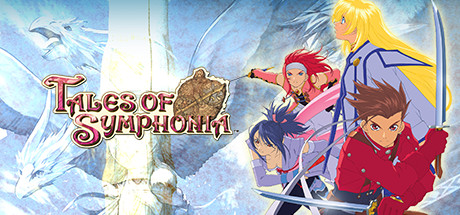
FIRST TIME ON STEAM – Based on the PlayStation®3 port of the original GameCube game, this RPG classic is finally available for PC.
Modeled estimate, not a reported figure. How we estimate →
Media
About
Genres
Stats
All-time low is the lowest price we've recorded for this game since we started tracking it.
Languages: English*, French, Italian, German, Spanish - Spain*languages with full audio support
Engagement
Hours played at review time, across 44 reviews with recorded playtime.
Reviews
Themes across 44 recent reviews and how positive each mention is. A keyword signal, not full sentiment analysis.
positive critical· bar length = how often the theme comes up
Reviews
[h1] 传说系列3D化的经典之作,拯救“童话”世界的艰辛之旅 [/h1] 说起日本的JRPG,大家脑海里应该会冒出很多系列吧,比如《最终幻想》,《勇者斗恶龙》等等。不过这些都是比较大众化的JRPG系列了,我自己当然也有玩这几个经典系列,不过真要说“最”喜欢的话还得是传说系列。 [h1][quote=] [table] [tr] [th] 欢迎关注 [b][u][i]U_U鉴赏家培养计划[/i][/u][/b][/th] [/tr] [tr] [th] 关注U_U鉴赏家,开启精彩游戏之旅。 [/th] [/tr] [/table] [/quote][/h1] 可惜steam评测不能放图片啊,传说系列我接触最早的是《命运传说》这也算是我JRPG的启蒙作之一了,至今忘不了仓木麻衣唱的二代的op,甚至《命运传说》我还是买的PS2典藏版,后续几部传说也基本没落下,最新的《破晓》我甚至买了3份,PS版甚至还是买的实体典藏,以至于我朋友都说我是传说基本盘了。 而这次要给大家安利的是传说系列迈进3D化最重要的一部作品,《仙乐传说》,本作最先于03年发布了NGC版本,随后陆续登陆PS2,Wii等其他平台,op也有不同,不过steam版是同时收录了NGC和PS2版的op,这一版本在steam上无中文,大家可以移步看23年的那部高清复刻版。 [h2] 未知旅途的冒险 [/h2] 本作的主角,少年罗伊德。他生活在一个名叫西尔瓦兰特的世界。这个世界正逐渐衰败,土地贫瘠,魔物横行,人类还受到一个名叫迪赛安的组织压迫。在这个世界里,人们相信有一套古老的救世仪式: 当世界陷入衰弱时,会出现一位神子,她需要踏上旅程,完成各地精灵与神殿的试炼,最终让世界重获繁荣。这一代神子就是罗伊德的青梅竹马,柯蕾特。于是,罗伊德、柯蕾特,以及老师莉菲尔、天才少年吉尼亚斯等人组成队伍,开始了所谓的世界再生之旅。 随着旅途的进行,大家发现了另一个世界,泰瑟亚拉。与西尔瓦兰特不同,这两个世界像天平的两端,一个世界繁荣,另一个世界就会衰败。所谓世界再生,并不是让所有人幸福,而是让两个世界之间的生命力重新分配。 也就是说,西尔瓦兰特复兴,泰瑟亚拉就会衰落;泰瑟亚拉繁荣,西尔瓦兰特就会衰败。而这也恰恰验证了本作的主旨,主角们发现了世界的规则本身就是错误的,于是他们不再满足于完成使命,而是决定推翻这套建立在牺牲与歧视之上的系统。 其实就是很经典的JRPG套路,少年少女拯救世界。随着旅程推进,柯蕾特每完成一次试炼,就会获得更接近“天使”的力量。一开始这看起来像是成长和祝福,但很快玩家会发现,她正在一点点失去作为“人”的东西。她先是失去味觉,后来失去睡眠能力,再后来身体逐渐变得不像普通人。她明明越来越接近“神圣”,却也越来越远离自己。 对于女主科雷特来讲,她自己是神子,因此牺牲是理所当然的。只要完成使命,世界就会得救。但罗伊德无法接受这一点。他不是反对拯救世界,而是反对用柯蕾特一个人的牺牲来换取世界的存续。他最核心的信念就是,他不想让任何人被迫牺牲,总体思想倒有点手冢治虫的作品《多罗罗》的意思。 男主的性格我个人还是相当喜欢的,主要是他身上有近乎固执的理想主义,游戏的op也带一点剧透,大家如果是通关再看再听一遍op的话感触还是会蛮深刻的。 [h2] 游戏玩法 [/h2] 本作主打的是即时战斗系统,进入战斗后,玩家可以直接操控一名角色移动、攻击和释放术技,其他队友则由 AI 控制。玩家可以提前设定队友的行动策略,比如让治疗角色优先回复,让法师保持距离施法,或者让近战角色集中攻击同一个目标。相比传统回合制,这种战斗方式节奏更快,也更有操作感。 战斗看起来有些像横版动作游戏,但本质上仍然是 RPG。玩家既要考虑普通攻击和技能衔接,也要注意敌人的攻击节奏、队友的站位、魔法吟唱时间、治疗时机和 TP 消耗。普通战斗可以打得比较轻松爽快,但到了 Boss 战,玩家就不能只靠乱按攻击键解决问题,而是需要观察敌人的出招,合理使用防御、回复和爆发技能,其实也是传说传统玩法了,虽然后续的传说作品换成了第三人称3D但总体还是万变不离其宗。 《仙乐传说》的战斗系统属于传说系列从 2D 向 3D 过渡时期的设计。虽然战场是 3D 空间,但角色移动并不是完全自由的现代动作模式,而是更接近沿着自己和目标敌人之间的一条线进行进退攻防。这种设计现在看会有一点时代感,刚上手时可能会觉得移动不够灵活,但适应之后,它的节奏其实很清楚,攻击、连段和技能释放都有比较扎实的手感。 角色分工也是游戏玩法的重要组成部分。比如罗伊德是典型的近战主角,攻击速度快,连击手感好,很适合玩家亲自操控。柯蕾特偏向辅助和中距离攻击,吉尼亚斯负责远程魔法输出,莉菲尔则是队伍里的治疗和辅助核心。克拉托斯和泽洛斯属于魔法剑士,既能近战,也能使用恢复和攻击魔法。椎名偏技巧型和召唤玩法,普蕾赛雅攻击力高但动作较慢,雷加尔则是体术型角色。不同角色的定位差异,让玩家可以根据自己的习惯搭配队伍。 游戏中的术技系统是战斗成长的主要乐趣之一。每个角色都会随着等级和培养路线学会新的技能。近战角色可以掌握各种剑技、突进技和连击技,法师可以学习不同属性的魔法,治疗角色则能获得回复、复活和状态解除等能力。战斗中,普通攻击与术技之间的衔接非常关键,熟练之后可以打出流畅的连续压制。 本作还有一个比较有特色的成长系统,也就是角色的技能发展会受到不同倾向影响。玩家通过装备和被动技能搭配,可以让角色偏向不同成长路线,从而学会不同类型的术技。这让角色培养不只是简单升级,而是带有一定路线选择和研究空间。第一次玩的时候,玩家可能不会完全理解这套系统,但随着流程推进,会逐渐感受到它对技能组合和角色手感的影响。 EX 宝石系统也是养成的一部分。玩家可以给角色装备不同等级的 EX 宝石,获得各种被动能力,比如提升移动能力、减少硬直、强化防御、改善施法效率,或者提高战斗收益。更有意思的是,不同 EX 技能组合还可能触发额外的复合效果。对于普通玩家来说,按照流程随便搭配也能通关;但对于喜欢研究系统的玩家来说,这套机制可以明显提升角色强度和操作体验。 战斗中还有个比较爽的合体攻击系统,随着战斗积累,玩家可以发动队伍联合攻击,让多名角色连续释放技能,对敌人造成一波爆发伤害。如果特定角色使用特定术技组合,还可能触发更强的复合技。这个系统让战斗中的队伍配合变得更有仪式感,也让 Boss 战里的爆发时刻更有成就感。 除了战斗,《仙乐传说》的迷宫探索也占了很大比重。游戏里的许多神殿和地下城都有机关设计,玩家需要推箱子、改变光线、调整路线,或者使用特殊道具来解谜。 其实这种设计是典型的老派 JRPG 风格,它让迷宫不只是单纯的战斗通道,而是有一定探索和解谜内容。不过从今天的角度看,部分机关和路线设计会显得有些拖节奏,偶尔也容易让玩家感到绕路和疲劳,虽然时代旧感很强,但总体还是很有意思的。 [h2] 结语 [/h2] 传说系列自现在已经是完全第三人称3D化了,这种和横版差不多的视角估计不是老粉或者本身就对系列很感兴趣的人估计还是蛮难接受的,剧情我没有剧透很多,只能告诉大家老传说的剧情还是非常给力的,以现在的目光硬要挑毛病的话估计也就是操作和画面了,可惜传说系列30周年都没憋出个新作,唉。
Tales of Symphonia remains one of the most influential JRPGs ever made. More than twenty years after its original release, its greatest strengths are still its storytelling, worldbuilding, and memorable cast. While its narrative has stood the test of time, many of its gameplay systems have not—and this remaster does surprisingly little to address them. The story is unquestionably the game’s defining achievement. What begins as a familiar fantasy adventure gradually evolves into something far more ambitious, tackling mature themes while constantly rewarding the player’s curiosity. The characters are consistently engaging, and the world is crafted with an impressive level of care, making exploration feel meaningful throughout most of the adventure. Combat, however, is much more of a mixed bag. While functional and occasionally satisfying, it lacks the fluidity and depth. Over the course of such a lengthy adventure, battles become repetitive, and the mechanics begin to show their age. The gameplay supports the story, but it’s average at best. Visually, the cel-shaded art style has aged reasonably well. The character designs still have charm, but the presentation is merely adequate. Environments can feel simplistic, animations are limited, and the remaster does little to make the game feel refreshed. It looks acceptable, but it never impresses. This is a game whose presentation could have been dramatically improved with more effort. The soundtrack is consistently enjoyable and complements the adventure well. While it features several memorable tracks, it is the story—not the audiovisual presentation—that leaves the strongest lasting impression. The game’s greatest flaw is its pacing. For a large portion of the adventure, the story moves at an excellent pace, constantly introducing new ideas and keeping the player invested. However, the final stretch significantly overstays its welcome. The game repeatedly reaches moments that feel like natural conclusions before continuing onward, causing the ending to lose momentum and making the experience feel considerably longer than necessary. The remaster itself is, unfortunately, the weakest part of the package. Beyond higher resolutions and minor visual touch-ups, there are virtually no meaningful quality-of-life improvements. Features that have become standard in modern JRPG remasters—battle speed-up, movement speed options, streamlined menus, improved UI, faster animations, or other conveniences that respect the player’s time—are absent. Even more disappointing, this version is based off a 30 FPS PS3 port and, while perfectly playable, contributes to the feeling that this version is more of a cheap port than a thoughtfully modernized remaster. Considering how beloved Tales of Symphonia is, the presentation could have been so much better. This release feels like a missed opportunity to give one of the genre’s classics the definitive edition it deserved. Despite these shortcomings, Tales of Symphonia could be worth playing today because its storytelling carries the experience. Its exceptional narrative, memorable world, and lovable cast overcome dated mechanics. However, I can’t really recommend this version as the one to play. Story: 9/10 Worldbuilding: 9/10 Combat: 7.0/10 Graphics & Presentation: 6.5/10 Music: 8.0/10 Pacing: 6.0/10 Remaster Quality: 3.0/10 Overall: 6.93/10 As a game, Tales of Symphonia remains a JRPG classic whose storytelling has earned its legendary reputation. As a remaster, however, it falls well short of expectations. With virtually no quality-of-life improvements, a 30 FPS cap, and only modest visual enhancements, this release misses the chance to become the definitive way to experience one of the series’ best stories and characters. Now that Bandai Namco’s Tales Remaster Project is taking a more serious approach to remastering older titles, they should instead prioritize Tales of Symphonia over more modern entries such as the latest release of Tales of Berseria Remastered.
To bad this is the 30 fps version, code is locked to frames so mods will speed up the game, original gamecube was 60 fps. Game still feels right though, and other than this technical issues game is pretty good.
Nostalgia is a hell of a drug. I forgot how much this doesn't respect your time. A proper remaster (on Steam) would really be great but unfortunately the original just dates too much.
a staple in jrpg games. like if Final Fantasy was an action game
This is the first Tales game that I've beaten. I'm hoping to enjoy it more as I do New Game+, but as of now I think it might be one of my favorite games that I've beaten in recent memory.
Great game, plays exactly like it did on GameCube release other than a different opening song.
8 симфония Чайковского
Tales of Symphonia é um RPG de ação produzido pela [i]Namco Tales Studio[/i], sendo lançado primeiramente para o Nintendo GameCube no dia 29 de agosto de 2003 no Japão, e dia 13 de julho do ano seguinte para os Estados Unidos, e dentro do mesmo ano, o jogo foi lançado para o Playstation 2 exclusivamente para o povo japonês. [i]Symphonia[/i] é o 5º jogo da série Tales of, e ele foi um salto enorme se comparado ao seu predecessor, Destiny 2, que até então habitava o visual e o combate em um plano 2D, e agora finalmente estão mergulhando no espaço 3D. Por ser o primeiro 3D da série, as chances de ter erros em sua execução eram bem altas, porém ele foi bem competente para uma primeira vez. Os pontos que valem ser ressaltados são: 1 • O visual bem-feito dos personagens, que são fáceis de identificar e são bem bonitos; 2• O combate ser fácil de digerir, por mais que acabe sendo complicado para certas pessoas. As lutas deste jogo não foram muito bem projetadas para o 3D, sendo que o personagem só pode andar para frente e para trás, e o botão de defender só protege contra o inimigo da frente, o que pode complicar dependendo da situação; 3• O visual dos personagens no mapa-múndi, o que é bem fácil de distinguir se comparado ao cenário. Além disso, não se tem muito o que falar de sua estrutura como um todo, pois ele é um RPG bem tradicional de sua época. O que para muitas pessoas que possui o hábito de jogar este gênero será profundamente familiar e intuitivo. Mas também não há o que se preocupar para aqueles que não tem esse costume de jogar RPG, ele possui uma narrativa bem linear o que para os desatentos ou aqueles que não possui muito tempo de jogo poderão aproveitar bem a sua narrativa, ainda mais com o sistema de “Sinopse”, que resume todos os fatos que aconteceram até então e indica o próximo local de destino do grupo. Mas se tem um ponto em que este Tales of brilha é em sua [b]narrativa [/b]. Primeiramente, Tales of Symphonia tem uma abertura de situar o jogador sobre a situação de seu universo, como se um narrador de conto de fadas estivesse lendo o trecho de um livro, que serve como um ponta pé inicial para o início da trama. Ele se inicia assim: [i] “Era uma vez, existiu uma arvore gigante que era a fonte de todo a mana. Entretanto, uma guerra fez com que a arvore perdesse suas cores, então a vida de um herói foi sacrificada em seu lugar. De luto, a deusa desapareceu aos céus. A deusa deixou os anjos com uma nota: “Você deve me despertar, se eu continuar adormecida, o mundo será destruído”, os anjos enviaram um escolhido para ir a torre que sobe até os céus. Com isso marcando o início da regeneração do mundo”[/i] O mundo do jogo está em decadência graças ao uso excessivo de mana pelos [i]Desians[/i] (exército do mal), então as pessoas recorrem ao conto e ao descendente dos anjos para possuir esperanças e seguir com sua vida. O jogo abre dentro de uma escola, onde os protagonistas estão vivendo normalmente a sua rotina de estudantes. Não demora muito para conhecermos o grupo principal do jogo, Lloyd, Colette e Genis, e quase que de imediatamente podemos saber o seguinte sobre eles: • [b]Lloyd[/b] é o personagem principal do jogo é meio lesado por assim dizer, não é uma das pessoas mais inteligentes que existe, o que o torna alvo de gozação do grupo de heróis, mas possui um coração bem grande e age com seriedade quando se trata de proteger seus amigos. • [b]Colette[/b] é uma garota super gentil e até que ingênua, não conseguindo entender certas coisas que são bem óbvias, mas que sempre pensa mais nas outras pessoas antes de si mesmo, muitas vezes servindo de alívio cômico por ser uma pessoa bem desastrada. Ela é a “Escolhida” que salvará o mundo da destruição. • [b]Genis[/b] é o garoto prodígio da cidade e melhor amigo de Lloyd, de vez em quando o jogo o trata como um pouco covarde, mas longe disso, ele e a Colette acabam sendo muitas vezes a voz da razão que traz o protagonista de volta para a realidade. Com esta introdução básica e bonitinha, o jogo pode insinuar que vai ter uma narrativa completamente ordinária e básica; o grupo de protagonistas vivendo sua vida normal, e de repente algo grande acontece que os tira da rotina e vivem uma grande aventura melodramática e grandiosa, dando um ar de uma aventura “bobinha” de desenho infantil para criança japonesa. Por mais que existam sim muitos momentos “alegres” e “descontraídos” durante a jornada, sua narrativa esconde não algo impressionantemente complexa a ponto de deixar o jogador confuso, mas sim um peso com camadas que nos fazem refletir como agimos como seres humanos, e como podemos melhorar como pessoas. O jogo de maneira respeitosa aborda temas como: Morte, traição, fascismo, discriminação e até mesmo questionamentos em relação a maneira de como vivemos nossas vidas. Por mais que possa existir inúmeros momentos tensos, esses momentos ficam bem mais leves graças aos discursos bem-feitos do protagonista, e das brincadeiras que o grupo faz como um todo, seja para zoar alguém ou trocando tapas ala desenho animado. O que ressalta o valor de se ter amigos por perto para aliviar as dores. [h2] Conclusão [/h2] Tales of Symphonia pode não ser um primor de RPG, como também não possuir uma gameplay tão refinada como os que vieram posteriores a ele. Porém, em termos de party e narrativa ele excede e muito as expectativas, tocando em assuntos com muito respeito e possuindo reviravoltas de cair o queixo para os desavisados. É um título que vale muito a pena para visitar, seja pela primeira, ou depois de muito tempo.
10/10 Crutchfield from Ernest Goes to Camp voicing the main protagonist in a 2003 JRPG with an incoherent story is peak 2003 gaming.
Related
Related
Trends
Concurrent players on Steam, sampled daily since tracking started.
Momentum
Pace estimated from the game's recent review growth (our daily snapshots) at its own sales-per-review ratio — a momentum signal, not booked sales.
Engagement
DAU/MAU are modeled from peak concurrent players (≈×8 and ×28) — Steam publishes no active-user counts, so treat these as rough estimates, not reported figures.
Audience
Estimated from the language of this game's reviews — a proxy for where players are, not official Steam demographics.
Related
| AO Tennis 2 | $2.5M | 1.7K | 70% | $49.99 |
| Worms Clan Wars | $2.5M | 3.2K | 78% | $24.99 |
| Melvor Idle | $2.5M | 16K | 90% | $9.99 |
| Dungeons 4 | $2.5M | 3.3K | 87% | $27.49 |
| Rune Factory 5 | $2.5M | 2.1K | 77% | $39.99 |
| Punch Club 2: Fast Forward | $2.5M | 4.5K | 83% | $19.99 |