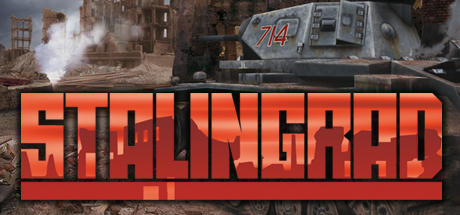
Stalingrad is a real-time strategy title that places gamers in the middle of the most dramatic periods of World War II, covering major events from June 1942 till January 1943.
Modeled estimate, not a reported figure. How we estimate →
Media

About
Genres
Stats
All-time low is the lowest price we've recorded for this game since we started tracking it.
Languages: English, Russian, German, Czech
Engagement
Hours played at review time, across 40 reviews with recorded playtime.
Reviews
Themes across 40 recent reviews and how positive each mention is. A keyword signal, not full sentiment analysis.
positive critical· bar length = how often the theme comes up
Reviews
"Сталинград" - одна из сомна игр, сделанных на основе движка первой части "Блицкрига". Этим, по сути, всё сказано. Всё, да не совсем...Разрабы из dtf ([spoiler]да, когда-то этот акроним ассоциировался не только с новостным сайтом, полужелтушного содержания, но из со своим, так сказать, Линкед_ин для геймдева постсоветского пространства [/spoiler]) хотели сделать, по сути, интерактивную монографию по истории Сталинградской Битвы. Получилось на мой взгляд, более-менее достойно. Имеем две кампании, за каждую из сторон. Советская занимает промежуток с первого штурма Сталинграда (начало сентября 42) до штурма Универмага (конец января - начало февраля 43). Немецкая же - с боев в излучине Дона (июль 42) до провала "Зимней грозы" (декабрь 42). Жесткая привязка к историческим рамкам, в которые поставили себя разрабы обусловила своеобразный геймдизайн - типичная тактика первого "Блицкрига" - связка "арта+снайпер+авиация+раш танками" здесь не роляет. По основной причине - арту (гаубичную) выдают исключительно в паре-тройке миссий. Также складов снабжения в каждой миссии нет, и поэтому приходится приоритезировать снабжение вверенных сил - та же арта сожрет возможность пополнения б/к для танков, например. Кстати, сами танки уже не прямо такая лютая имба. Ввиду того, что из-за специфики сеттинга, достаточно много городских карт, где танки без сопровождения пехоты просто сожгут нахрен. И еще - закрепленных за игроком юнитов, как было в "Блице" нет, также как и рудиментарной прокачки скилла танковых экипажей и расчетов орудий. Что логично - в рамках кампании мы отыгрываем боевые группы самых разных соединений Касательно сложности. На мой взгляд, легкий уровень не особо отличим от аналогичного из первоисточника. А вот средний...Скажу прямо, ошибки стоят намного дороже. Можно на ровном месте конкретно так всадить часть приданных сил. Например, завести танки под перекрестный огонь ПТ-арты. А еще мосты...Они сожгли мне великое множество нервов. Вообще, я рекомендую не выделываться, а брать изи-мод и просто наслаждаться геймплеем. Если зашел первый "Блиц", то "Сталинград" крайне рекомендую к ознакомлению
tldr; Unless you are reaaaaaally into Stalingrad battles, I most certainly would NOT recommend this game. I recently picked up a nasty habit of trying to play games created with Blitzkrieg's Enigma Engine. Blitzkrieg, although some missions were a bit annoying, was a blast. WW1 (another game) done with the same engine was not so much, due to unbalanced troops but still it was manageable. But this is probably the first game made with the same engine that I wouldn’t recommend. The majority of the missions have nothing strategic about them, especially the Soviet ones. You are either just waiting to get lucky enough to survive ridiculous waves or hoping they didn’t blow up a vehicle in first moments that will be your only way to complete the next objective because foot soldiers in this game are extremely useless at a distance, and they almost always spawn far away from the enemy who already have amazing defensive positions. You are playing as Soviet but almost always you don’t have supply sheds so you rely on whatever you have in your trucks. Maybe it is realistic but it is also annoying as hell. They also changed the tank repairing system in this game so you are no longer able to fix your vehicles willy nilly with supply trucks like you could in Blitzkrieg. They also removed the progression based unit ranking system, so it doesn’t matter if you wreck your entire army and leave a single last man standing or not. Also, good lord, that soundtrack..... I don’t hate metal music, but having this kind of soundtrack in a Stalingrad game makes absolutely no sense. And what is worse is that you cannot even turn off the music. It is just horrible. In other comments, you will see people complaining about the launcher, which I believe was valid at the time, but now you can click once to say “don’t show this again,” and then the game will never show it to you. Pointless addition nevertheless.
Sene 2012 falan,babamın cd çantasını karıştırırken bir cd bulmuştum.Duvar kaplamalı üzerinde STALINGRAD yazıyordu.Bu oyunu keşfim o zaman başladı.2004 model toshiba ma kurdum oyunu.Ondan sonrası bağımlılık gibiydi.Saatler ,günler,haftalar... Okuldan gelmeyi iple çekerdim bu oyunu oynayabilmek için.Dönemin strateji oyunlarına göre gözümde adeta devasa bir baş yapıttı.Popülaritesi olan bir oyun olamadı ama.Çıkıp sorsan şu oyunu bilen insan sayısı 1 elin parmağını zor geçer.Bu açıkcası beni üzüyor,dinamikler olsun ,atmosfer olsun büyüleyiciydi (zamanına göre).Çocukluğum bu oyunla geçti.Burada bulunca çok mutlu oldum.Yapımcıları keşke yeni şeyler çıkarsa bu tarzda.Muhtemelen bunun başından da kalkmadan oynayacağım hahahasd.
Stalingrad, developed by DTF Games and published by Fulqrum Publishing, is a historically grounded real-time strategy title that focuses squarely on tactical command and battlefield realism rather than spectacle or narrative dramatization. Centered entirely on the Battle of Stalingrad, one of the most decisive and devastating confrontations of World War II, the game aims to immerse players in the grinding attrition and strategic desperation that defined the Eastern Front. Instead of presenting war as a series of cinematic heroics, Stalingrad frames it as a slow, methodical struggle where positioning, unit preservation, and terrain awareness matter far more than rapid expansion or overwhelming production. The structure of the game immediately sets it apart from many mainstream RTS titles. Missions are built around pre-deployed forces rather than base construction and resource harvesting, pushing the experience closer to real-time tactics than traditional strategy. Each unit under your command is valuable, and losses are often permanent within a mission, creating a constant tension between advancing objectives and preserving combat effectiveness. This design forces careful reconnaissance, disciplined movement, and intelligent use of cover, particularly in the dense urban environments that dominate much of the campaign. Reckless assaults are quickly punished, reinforcing the game’s emphasis on realism and planning over brute-force solutions. Stalingrad offers two substantial single-player campaigns, allowing players to experience the conflict from both the German and Soviet perspectives. The Wehrmacht campaign focuses on offensive operations, urban assaults, and the challenge of maintaining momentum in hostile territory, while the Red Army campaign emphasizes defensive positioning, counterattacks, and gradual reclamation of ground. This dual approach gives the player a broader understanding of how the same battlefield can demand radically different tactics depending on doctrine and strategic goals. Missions are inspired by historical engagements and locations, lending authenticity to the scenarios even when gameplay liberties are taken for balance and pacing. Combat unfolds at a deliberate pace, reflecting the attritional nature of the real battle. Infantry units are the backbone of most engagements, supported by armored vehicles, artillery, and specialized squads. The game features an extensive roster of historically inspired units, each with distinct strengths and vulnerabilities. Tanks feel powerful but fragile when exposed, infantry relies heavily on positioning and cover, and combined-arms tactics are essential for success. Terrain plays a crucial role, with rubble, buildings, elevation, and choke points all influencing outcomes. Urban combat, in particular, is tense and unforgiving, as narrow streets and ruined structures create deadly ambush zones and limit mobility. Visually, Stalingrad shows its age, but its presentation remains functional and purposeful. Built on an enhanced version of the Enigma engine, the same technology behind the Blitzkrieg series, the game prioritizes clarity and information over visual flair. Unit models, animations, and environmental details are modest by modern standards, but they communicate battlefield states effectively, which is critical in a tactics-focused RTS. The ruined cityscapes, scarred terrain, and desaturated color palette help convey the bleak atmosphere of prolonged urban warfare, even without modern graphical effects. Sound design and music complement this tone, offering restrained, period-appropriate audio that supports immersion without overwhelming the strategic focus. Artificial intelligence in Stalingrad is competent but uneven. Enemy forces can apply pressure and exploit obvious mistakes, yet they sometimes fall into predictable patterns that experienced players can learn to counter. This makes the challenge more about mastering mechanics and understanding mission design than reacting to highly adaptive opponents. The absence of modern quality-of-life features—such as extensive unit automation or streamlined interfaces—can make the game feel demanding, especially for players accustomed to contemporary RTS design. However, for others, this rigidity enhances the sense of control and reinforces the game’s old-school tactical identity. What ultimately defines Stalingrad is its commitment to portraying war as a harsh, resource-constrained struggle rather than a power fantasy. Progress is earned slowly, victories feel costly, and success often comes from patience and discipline rather than decisive, flashy maneuvers. This approach will not appeal to everyone, particularly those seeking fast-paced action or base-building depth, but it resonates strongly with players who appreciate historically themed strategy and methodical gameplay. Its age is evident in both presentation and systems, yet these limitations are balanced by a clear design vision and respect for the subject matter. In the end, Stalingrad stands as a solid example of mid-2000s RTS design that prioritizes authenticity and tactical depth over accessibility or visual spectacle. It offers a demanding but rewarding experience for players interested in World War II history and real-time tactics, delivering a thoughtful interpretation of one of history’s most brutal battles. While it may feel dated compared to modern strategy games, its focus on careful planning, unit preservation, and battlefield realism ensures that it remains a meaningful and engaging title for fans of serious, historically grounded RTS experiences. Rating: 8/10
стратегии не люблю я
This is a really good reforged version of original blitzkrieg. Increased firing distaces really make this game shine. And missions are really well crafted and interesting to play. Infantry got a huge boost and now is very useful. Highly recomment to any WW2 enthusiast and enjoyer of Sudden Strike, Blitzkrieg or Men of War.
Már gyerek koromban nagyon szerettem és, hogy megint rátaláltam nagyon örülök ,jönnek vissza az emlékek.
Un grandísimo juego. La escala perfecta, los detalles increibles. Para amantes de los juegos realistas.
uno de los mejores juegos de la segunda guerra mundial
This is by far the greatest WW2 game i have ever and will ever play in my life. its as real as it gets.
Related
Related
Trends
Modeled estimate over time, reconstructed from Steam's monthly review histogram.
Momentum
Pace estimated from the game's recent review growth (our daily snapshots) at its own sales-per-review ratio — a momentum signal, not booked sales.
Audience
Estimated from the language of this game's reviews — a proxy for where players are, not official Steam demographics.
Related
| EarthRoyale | $49.4K | 179 | 85% | $7.99 |
| Timberman VS | $49.4K | 3.4K | 91% | $1.99 |
| Ven VR Adventure | $49.4K | 88 | 78% | $29.99 |
| KILLDOZER | $49.4K | 65 | 82% | $19.99 |
| Chicken Hill | $49.4K | 1.1K | 99% | $2.99 |
| Destiny or Fate | $49.4K | 487 | 55% | $4.99 |