Smithy is a modest yet ambitious indie action game developed by David Mulder and Tristan Hartz and published by SA Industry. It takes the simple premise of a blacksmith delving underground and forges it into a fast-paced, roguelike-inspired experience where exploration, destruction, and progression intertwine. Instead of crafting weapons at a forge in a quiet village, the titular smithy is an adventurer who earns his living by breaking through subterranean tunnels, gathering resources, and fighting off the creatures that lurk beneath the surface. The game balances charm and challenge in equal measure, presenting a world that feels both playful and perilous. Its core loop revolves around mining and combat, encouraging players to dive deeper into treacherous caverns in pursuit of gold and materials to upgrade their equipment. This blend of resource gathering and action combat gives Smithy a distinct identity among indie titles of its kind.
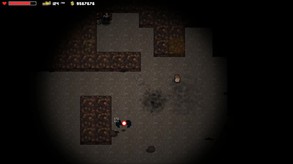
The visual presentation of Smithy leans into a classic pixel-art aesthetic that prioritizes clarity and personality over realism. The environments are dark and claustrophobic, illuminated only by flickering torches, glowing minerals, and the bright flashes of explosions and spells. This choice of lighting design works particularly well in reinforcing the sense of confinement and danger associated with subterranean exploration. While the art style might appear simple, it serves the gameplay well by keeping enemies and hazards clearly visible even during chaotic battles. Character animations are smooth enough to convey the weight and momentum of movement, and the visual feedback for attacks and damage is snappy and satisfying. The interface is equally clean and functional, providing quick access to upgrades and resources without breaking the pacing of exploration. The overall aesthetic is unpretentious but effective, giving Smithy the personality of an old-school dungeon crawler infused with modern roguelike sensibilities.
At its core, Smithy’s gameplay revolves around a loop of combat, mining, and upgrading. The player starts each run with basic tools and must earn gold and materials by defeating enemies and destroying obstacles throughout the level. Each area presents procedurally generated layouts that differ in complexity and hazard placement, ensuring that no two dives feel exactly the same. The goal is simple: push deeper into the caverns, gather enough wealth to improve your weapons, and survive long enough to bring your loot back to the surface. The upgrade system forms the backbone of progression, offering meaningful choices between raw power, speed, and utility enhancements. Players can specialize in different weapon types or invest in upgrades that change their combat approach entirely, leading to a satisfying sense of growth as runs become progressively more efficient. The variety of enemies and environmental challenges keeps each descent unpredictable, forcing players to adapt their strategy with every new encounter.
Combat in Smithy is straightforward but rewarding. You swing, shoot, and blast your way through hordes of underground creatures that grow tougher the deeper you go. The game rewards precision and timing — reckless aggression can quickly lead to a swift death, but calculated attacks and clever use of terrain often yield success. The procedurally generated levels enhance replayability but also introduce occasional frustration. Some maps spawn in ways that create narrow chokepoints or cluttered layouts where enemies can easily trap the player, resulting in cheap hits or unavoidable damage. These moments can feel unfair, especially in early runs when your tools and health are limited. However, they also add tension and unpredictability, keeping the game from becoming too routine. The combat’s balance between control and chaos is one of its defining characteristics, and while it may not always feel perfectly fair, it remains consistently engaging.
The progression system ties everything together. After each successful expedition, players can spend their accumulated gold to enhance their weapons and abilities. This incremental improvement creates a strong sense of reward, as even small upgrades make a noticeable difference in later encounters. Choosing which stats or weapons to invest in becomes an important part of the strategy, particularly as different upgrades can drastically alter your playstyle. This level of customization gives the player a sense of ownership over their blacksmith’s journey. The economic balance between risk and reward — how deep you venture before returning to upgrade — adds a layer of decision-making that elevates the experience beyond simple action gameplay. It is a clever way of blending roguelike progression with the theme of craftsmanship, giving the game a conceptual unity that few indie titles achieve so effectively.
Despite its strengths, Smithy is not without flaws. The repetition inherent in its procedural design can occasionally wear thin after extended play sessions, especially once you’ve seen most of the available enemy types and environmental variations. The difficulty curve can also feel uneven; certain sections spike abruptly in challenge, forcing players into grind-heavy cycles to earn enough resources for upgrades. The game’s controls, while generally responsive, can feel slightly stiff during intense moments, particularly when managing movement in cramped tunnels filled with enemies. These issues are not game-breaking, but they do prevent Smithy from reaching its full potential. Nevertheless, its developers clearly approached the project with care, ensuring that each element — from level design to progression — contributes meaningfully to the player’s experience. The game’s lightweight technical demands also mean it runs smoothly on most systems, further widening its accessibility.
What ultimately makes Smithy stand out is its balance of charm, simplicity, and challenge. It never tries to be grandiose or overly complex, instead focusing on delivering a tight and rewarding gameplay loop that captures the joy of discovery and growth. The satisfaction of upgrading your weapons, the tension of delving deeper into dangerous territory, and the rhythmic cadence of mining and fighting combine to create a uniquely addictive flow. It’s the kind of game that invites short sessions but often keeps you playing longer than intended, driven by the promise of “just one more run.” Its tone — equal parts playful and perilous — suits its premise perfectly, and its modest price point makes it an easy recommendation for fans of indie action and roguelike games.
Smithy is not a groundbreaking experience, but it doesn’t need to be. It’s a compact, well-crafted adventure that succeeds on the strength of its mechanics and atmosphere rather than scale or spectacle. For players who appreciate games that reward patience, experimentation, and perseverance, Smithy offers plenty to enjoy. Its rough edges are easy to forgive in light of its engaging loop and undeniable charm. In the end, it stands as a testament to what small teams can achieve with focus and creativity — a fun, fiery dive into the depths of the earth where every swing of your hammer feels earned and every upgrade feels like progress forged by your own hand.
Rating: 7/10