A deckbuilding adventure card game set in a rustic Norwegian town during the 90's. Recruit followers, draft cards and build powerful combos. Explore a hand-crafted world across multiple runs and uncover an unsettling mystery…
Modeled estimate, not a reported figure. How we estimate →
Media

About
Something strange is afoot in the small rustic Norwegian town of Skogdal...
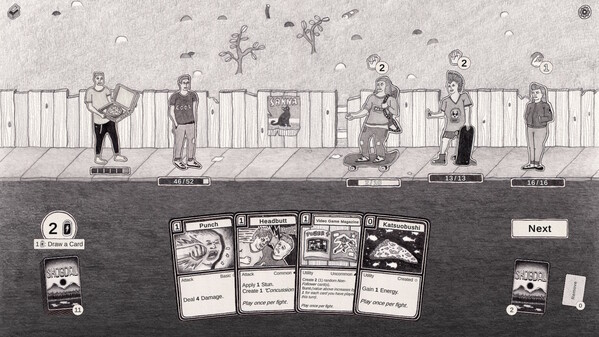
This is a deckbuilding card game where you have to explore a large hand-crafted world across multiple runs. Immerse yourself in this weird but familiar adventure, and uncover an unsettling Carpenter-esque mystery…
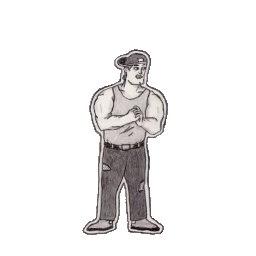
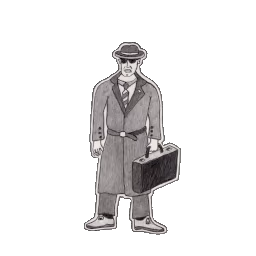
Skogdal offers more than 300 different cards for you to discover and draft. Fuse cards, build powerful combos and recruit followers to aid you in your journey: politicians, bodybuilders, wrestlers, pyromaniacs, skaters, punks, priests, pets and pests…
...good luck, the truth is out there!
Stats
All-time low is the lowest price we've recorded for this game since we started tracking it.
Languages: English, French, German, Spanish - Spain, Norwegian, Portuguese - Brazil, Russian, Simplified Chinese
Engagement
Hours played at review time, across 40 reviews with recorded playtime.
Reviews
Themes across 40 recent reviews and how positive each mention is. A keyword signal, not full sentiment analysis.
positive critical· bar length = how often the theme comes up
Reviews
Good stuff
Cool
Skogdal suger
Solid deckbuilder that stands apart from a lot of the genre with some different design choices (retain cards by default at the expense of lower card draw, fixed map with new routes revealed after winning a run, take it or leave it card pack drafting, and many other things). A lot of cards available to you to allow for a variety of synergies (and some really busted ones at that once you understand them). There’s als a very hilarious boss reveal I won’t spoil, but in general there are some interesting enemy designs that call for different solutions and knowing how best to route to match your deck’s strengths. The 90s notebook-doodle aesthetic and metal soundtrack is very charming, and the story unfolds in an interesting way to keep you chipping away at the mystery. Worth a shot if you’re looking for a unique deckbuilder.
轻松的数值设计,缺点是不耐玩。
Good deckbuilder, lots of charm, great game.
the soundtrack is awesome
Kanskje ikke den mest balanserte deckbuilderen, men en av de mest underholdende! Fantastisk stil, masse morsomme referanser til 90-tallet, og attpåtil et bra spill. Veldig greit at det er en story og at man slik sett får muligheten til å føle seg "ferdig" uten å ha gått lei også. Anbefales!
Good gaeme I like!
Skogdal is a roguelike deckbuilding game that immediately stands apart from most others in the genre because of its atmosphere, personality, and unusual setting. Developed by Erlend Kirkeboe and Kay Arne Kirkeboe and published by Erlend Kirkeboe, the game mixes tactical card battles with exploration, mystery, and supernatural storytelling inside a strange Norwegian town inspired by 1990s counterculture. Instead of throwing players into another generic fantasy world filled with castles and dragons, Skogdal creates something far more distinctive: a gloomy rural community populated by punks, outcasts, weird locals, conspiracy theories, and unsettling paranormal events. From the moment the game begins, it feels like stepping into a bizarre underground comic mixed with Scandinavian horror and retro youth culture. At its core, Skogdal follows the familiar structure of a deckbuilding roguelike where players battle enemies using cards collected during each run. However, while the basic framework may resemble genre staples like Slay the Spire, the game introduces enough unique systems and narrative focus to avoid feeling derivative. Battles revolve around carefully managing resources, building synergies, and adapting strategies based on the cards and companions obtained during exploration. There are hundreds of cards available, allowing players to experiment with wildly different playstyles ranging from aggressive attack-focused builds to slower setups built around status effects, resource manipulation, or strange combo chains. One of the most interesting mechanics is the companion system. Throughout the game, players encounter recruitable followers who provide special abilities or passive bonuses during combat. Some companions increase offensive power, others provide healing or utility, while certain characters specialize in supporting very specific deck archetypes. Since players can only bring a limited number of companions at once, deciding which allies to recruit becomes a major strategic choice. This system adds another layer of planning beyond simple card selection and helps battles feel more dynamic than many other roguelike deckbuilders. The combat itself is satisfying because the game constantly rewards experimentation and adaptation. Strong card combinations can completely transform how a run unfolds, especially once upgraded or fused cards begin interacting with companion abilities. Some strategies become incredibly powerful when everything aligns properly, creating those exciting moments where carefully constructed decks suddenly feel unstoppable. At the same time, the game remains challenging enough that poor planning or reckless deck management can quickly destroy a promising run. Enemy encounters force players to think carefully about card economy, survivability, and long-term planning instead of simply relying on overpowered attacks. What truly elevates Skogdal beyond many competitors is its worldbuilding and atmosphere. Unlike procedurally generated dungeon crawlers that feel mechanically repetitive, Skogdal takes place in a hand-crafted town filled with recurring locations, evolving mysteries, and memorable characters. Exploring the town feels meaningful because each area contains secrets, dialogue, and strange events that gradually reveal more about the disturbing situation unfolding beneath the surface. There is a constant sense that something deeply wrong is happening in Skogdal, and uncovering those mysteries becomes just as compelling as building stronger decks. The narrative tone is one of the game’s greatest achievements. Skogdal blends dark humor, supernatural horror, conspiracy paranoia, and rebellious youth culture into an experience that feels genuinely original. The game captures the energy of old 90s horror films, underground comics, and strange Scandinavian folklore while still maintaining its own identity. Conversations with the town’s bizarre residents often shift unpredictably between funny, unsettling, and emotionally sincere. This creates a strange atmosphere where players never fully know what kind of encounter awaits next. Visually, the game embraces a rough hand-drawn art style that perfectly complements its strange world. Characters look exaggerated and messy in ways that feel intentional rather than unfinished, almost like illustrations pulled from an old alternative comic magazine. The environments are filled with personality despite their simplicity, and the visual presentation constantly reinforces the game’s gritty and surreal atmosphere. Instead of aiming for realism or polished fantasy aesthetics, Skogdal succeeds by committing fully to its unusual artistic identity. The soundtrack also deserves significant praise because it plays a huge role in establishing the game’s mood. Heavy rock influences, dark ambient tracks, and grungy musical themes reinforce the rebellious and uneasy tone of the town. The music often feels like a direct extension of the world itself, capturing both the youthful energy and underlying dread that define the experience. Combined with the visual style, the audio design helps Skogdal become one of the most memorable atmospheric indie games in the deckbuilding genre. Despite its strengths, the game does have flaws. The difficulty curve can occasionally feel uneven, especially during certain boss encounters that punish poorly optimized decks harshly. Some runs may collapse suddenly if players fail to build enough defensive options early on. The slower narrative pacing and exploration focus may also frustrate players looking for nonstop combat or rapid progression. Since the game emphasizes atmosphere and storytelling alongside card battles, certain sections feel more deliberate and methodical compared to faster roguelikes. Replayability may also vary depending on player preference. While the card combinations and companion systems offer a lot of strategic variety, the hand-crafted world structure means some encounters and story elements become familiar after repeated runs. Players who prefer heavily randomized roguelikes may find Skogdal slightly less unpredictable over time. Additionally, the game’s intentionally strange tone and rough visual style will not appeal to everyone. Some players may struggle to connect with its surreal storytelling and unconventional presentation. Still, these criticisms do little to diminish how unique the overall experience feels. Skogdal succeeds because it has a strong creative identity and fully commits to it. Rather than copying existing roguelike trends without personality, it combines strategic gameplay with cultural influences, mystery storytelling, and atmospheric worldbuilding in ways that feel deeply personal and memorable. Every aspect of the game, from its soundtrack to its writing and visual design, contributes to a world that feels strange, unsettling, and fascinating. For fans of deckbuilding games, Skogdal offers a mechanically satisfying experience filled with strategic depth and rewarding experimentation. For players searching for something more unusual and atmospheric, it delivers one of the most distinctive settings and tones currently available in the genre. It may not reinvent roguelike mechanics entirely, but its creativity, style, and storytelling elevate it far beyond many similar indie releases. Rating: 9/10
Related
Related
Trends
Concurrent players on Steam, sampled daily since tracking started.
Audience
Estimated from the language of this game's reviews — a proxy for where players are, not official Steam demographics.
Related
| The Goatman | $72.8K | 481 | 67% | $4.99 |
| I Am Part-time Worker!! | $72.8K | 374 | 81% | $5.99 |
| The Impossible Game | $72.8K | 1.5K | 84% | $2.99 |
| Nancy Drew®: Sea of Darkness | $72.8K | 230 | 93% | $19.99 |
| Splintered | $72.8K | 307 | 89% | $9.99 |
| Serpent in the Staglands | $72.8K | 206 | 66% | $13.99 |