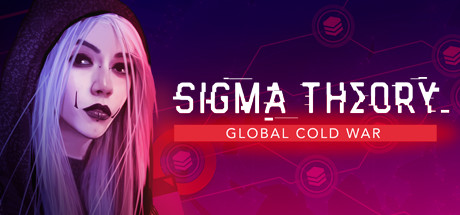
A Turn-based Strategy game in a futuristic global cold war from the award-winning creators of Out There. Recruit a squad of special agents and run your intel agency to secure the control of the singularity.
Modeled estimate, not a reported figure. How we estimate →
About


Genres
Stats
All-time low is the lowest price we've recorded for this game since we started tracking it.
Languages: English*, French, German, Russian, Simplified Chinese*languages with full audio support
Engagement
Hours played at review time, across 40 reviews with recorded playtime.
Reviews
Themes across 40 recent reviews and how positive each mention is. A keyword signal, not full sentiment analysis.
positive critical· bar length = how often the theme comes up
Reviews
it was fun
Tacticas tipo XCOM (con la guerra mundial), loop jugable muy bueno y dificultad interesante. Si te gustan este tipo de juegos de estrategia militar tipo RISK es de los mejores que he probado. La primera vez que abrí el juego jugué durante 5 horas seguidas
Отличная стратегия про очень возможное будущее киберпанка и борьбы за революционные сверх технологии, которые могут изменить мир до неузнаваемости. Очень реалистичная концепция и возможное будущее. Игру рекомендую. Соундтрек и сам мир прекрасно сделаны. 10 из 10.
This is a very niche genre with most games being a disappointment. This game is okay. I would recommend it to try if you want a spy/diplomatic strategy game. My main complaint is that not all things seem balance is what you can do. It can also feel a bit more like a puzzle than a strategy game.. I define puzzle in that there ends up being 1 clear way of solving something. Still.. i give a positive cause this genre is fun to me and they at least made something fun.
Good.
Ca attire l'oeil, on s'imagine un univers très inventif, mais il n'y a pas grand-chose derrière. Les mécaniques de jeu sont ennuyeuses et plates, et en fait de scénario inventif il n'y a que des mots un peu ronflants.
Sigma Theory: Global Cold War, developed by Mi-Clos Studio in collaboration with Goblinz Studio and FibreTigre and published by Goblinz Publishing and Fractale, is a sleek and cerebral turn-based strategy game that reimagines espionage in a futuristic world on the brink of a scientific revolution. Set in a near-future where a discovery known as the Sigma Theory has the potential to reshape the world, every major nation races to seize control of it. You are appointed as the head of your country’s intelligence agency, tasked with recruiting a team of elite agents, navigating fragile international diplomacy, stealing secrets, and manipulating global powers to secure dominance. The premise immediately establishes an atmosphere of tension and secrecy—one that blends political intrigue with the moral grayness of covert warfare. Unlike traditional grand strategy games that focus on armies and territory, Sigma Theory is about information, manipulation, and psychological warfare, delivering an experience that’s as cerebral as it is thrilling. The visual presentation is minimalist but stylish, emphasizing clarity over flash. The clean interface and sharp color palette give the game a professional intelligence dossier aesthetic, perfectly suited to its espionage theme. Every screen—from the world map to agent dossiers—feels like a classified briefing brought to life. The music complements this tension, with electronic undertones and ambient beats that create a feeling of constant unease. While the game’s art direction favors abstraction over realism, it reinforces the sense of detachment and control that comes with the role of spymaster. Rather than immersing players through cinematic spectacle, Sigma Theory pulls them into its world through the quiet pulse of strategic decisions and the dread of consequences that unfold from each choice. It’s a world where words and secrets carry more weight than bullets. At its core, Sigma Theory revolves around managing your network of agents, diplomats, and scientists. Each turn, you send operatives across the globe to perform missions ranging from recruiting scientists and stealing research to orchestrating assassinations or exfiltrations. Each agent has their own skills, specialties, and personal quirks—some are masters of seduction or persuasion, others excel at infiltration or cyberwarfare. Building the right team is essential, not just for mission success but for managing the personalities and loyalties of those under your command. As missions unfold, random events and moral dilemmas emerge, forcing you to make difficult choices: sacrifice an operative for the greater good, betray an ally for technological gain, or risk diplomatic fallout for a bold strike. Beneath its simple surface, the game demands careful foresight. Every decision affects your country’s international standing, your relationships with rival nations, and your access to the world’s most valuable scientific breakthroughs. Diplomacy and subterfuge are the two pillars that define the player experience. Maintaining relationships with other nations is as crucial as sabotaging them, as overt hostility can lead to open conflict or global instability. The balance between overt cooperation and covert manipulation gives the gameplay a sense of constant tension. One wrong move—an assassination discovered, a spy caught red-handed—can shift alliances overnight. The game effectively captures the paranoia of a Cold War environment, where every country appears friendly in public but acts ruthlessly in secret. Meanwhile, research progress serves as the silent countdown to victory; whoever first harnesses the Sigma Theory gains technological supremacy capable of redefining humanity’s future. This premise ensures that every action feels meaningful, as each mission can alter the global balance of power in subtle yet profound ways. Despite its captivating ideas, Sigma Theory is not without limitations. The game’s systems, while engaging, tend to repeat over time. Missions often fall into familiar patterns, and once players master the optimal strategies for managing alert levels and agent deployment, the surprises become less frequent. The campaign is also relatively short—many players can complete it within a few hours—leaving some wishing for deeper or more emergent gameplay. The RNG-driven outcomes can occasionally feel frustrating, with success hinging on dice rolls rather than strategy. These drawbacks do not ruin the experience, but they limit the game’s long-term appeal. Still, its brevity works in its favor for those who enjoy tight, replayable experiences. Each run offers a slightly different challenge thanks to varied starting conditions, agent combinations, and unpredictable global events. What truly makes Sigma Theory compelling is the way it captures the feeling of control and unease that defines intelligence work. It’s not about commanding armies or managing resources—it’s about operating in shadows, making compromises, and pulling strings from behind the scenes. The game rewards those who approach it with patience and subtlety rather than brute force. When a carefully planned operation succeeds or when you manipulate a rival nation into doing your bidding, the sense of satisfaction is immense. Conversely, when an agent you’ve relied on is captured or a betrayal backfires, the consequences sting in a way that feels earned. The writing and world-building support this beautifully, offering snippets of geopolitical commentary and moral ambiguity that elevate the experience beyond a simple strategy sim. In the end, Sigma Theory: Global Cold War is a fascinating experiment in minimalist strategy design and thematic storytelling. It delivers an experience that is as much about emotion and atmosphere as it is about decision-making. Its focus on espionage and manipulation gives it a unique place among strategy titles, offering a condensed yet memorable portrayal of the invisible wars fought in boardrooms and back alleys rather than on battlefields. While it may lack the depth and longevity of larger strategy franchises, it compensates with personality, tension, and originality. It’s a game that rewards careful thinking and embraces the gray morality of global politics, showing that the pursuit of progress often comes at a human cost. For players drawn to the quiet intensity of strategy, the thrill of secrecy, and the art of deception, Sigma Theory stands out as a sharp, stylish, and intelligent entry in the genre. Rating: 7/10
yes, buy!
Mini Terra-Invicta Game Very good if you want to be able to play in 20 mins breaks.
间谍头子模拟器,那些特工真的做好觉悟了吗?失败就是默默无闻的死去,通过这个游戏可以让人联想到现在或冷战之间残酷的冰山一角,他们之间战斗时悄无声息的,我们无法理解。总之人体是有极限的,人类对身体的研究很深刻,知道如何让人痛苦,这是可怕的。 游戏不错,就是没多少剧情,有些想法不错。
Related
Related
Trends
Modeled estimate over time, reconstructed from Steam's monthly review histogram.
Momentum
Pace estimated from the game's recent review growth (our daily snapshots) at its own sales-per-review ratio — a momentum signal, not booked sales.
Audience
Estimated from the language of this game's reviews — a proxy for where players are, not official Steam demographics.
Related
| Ys VI: The Ark of Napishtim | $721.8K | 1.5K | 90% | $19.99 |
| Eiyuden Chronicle: Rising | $721.7K | 2.5K | 86% | $14.99 |
| Partisans 1941 | $722.1K | 8.7K | 82% | $4.49 |
| ReCore: Definitive Edition | $722.2K | 1.7K | 63% | $19.99 |
| Hundred Days - Winemaking Simulator | $722.3K | 1.1K | 77% | $24.99 |
| ONE PIECE World Seeker | $722.3K | 6.2K | 77% | $5.99 |