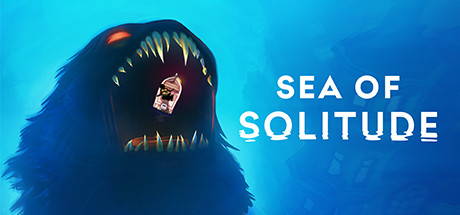
Sea of Solitude is a narrative adventure developed by Jo-Mei Games and published by Electronic Arts under the EA Originals program. Released in 2019, the game distinguishes itself through its focus on emotional storytelling rather than traditional gameplay complexity. Built as a deeply personal project inspired by the developer’s own struggles with loneliness, the game transforms internal emotional battles into literal monsters and environments that players must confront. Instead of presenting a conventional hero’s journey, Sea of Solitude offers a symbolic exploration of mental health, self-doubt, and emotional healing, creating an experience that feels closer to an interactive allegory than a typical action-adventure title.
The story follows Kay, a young woman who finds herself alone in a surreal, flooded city after being transformed into a shadowy monster. This transformation is not random; it represents the overwhelming loneliness and emotional pain she feels in her life. The world she wakes up in is a distorted reflection of reality where towering buildings emerge from endless water and strange creatures roam the environment. As Kay travels through this drowned landscape, she encounters massive monsters that embody specific emotional wounds tied to her relationships with family members, friends, and her own sense of identity. Rather than functioning as enemies to defeat, these creatures serve as symbolic manifestations of unresolved trauma. Each encounter reveals fragments of Kay’s past, slowly piecing together the reasons behind her isolation and emotional struggles.
Exploration forms the backbone of the gameplay. Players guide Kay across the flooded city primarily by using a small motorboat, navigating canals formed between submerged streets and collapsed structures. From time to time, she disembarks to explore rooftops, abandoned buildings, and fragmented urban spaces that rise above the waterline. These areas contain simple environmental puzzles, platforming sections, and interactive objects that help move the narrative forward. The puzzles rarely demand intense problem-solving but instead function as pacing devices that allow players to absorb the story and atmosphere. The game’s design deliberately avoids combat, reinforcing the idea that Kay’s journey is not about defeating enemies but understanding them.
The monsters Kay encounters represent different emotional conflicts from her life. One massive sea creature symbolizes her fear of abandonment and the breakdown of family relationships, while other encounters revolve around themes such as bullying, self-loathing, and feelings of inadequacy. Each chapter introduces a new environment tied to these emotional themes. For example, certain sections are filled with raging storms and dark waters that mirror Kay’s inner turmoil, while calmer areas reflect moments of reflection or acceptance. These environments function almost like psychological landscapes, where the external world mirrors the character’s internal state. By confronting these symbolic figures and restoring fragments of light scattered throughout the world, Kay gradually begins to understand the roots of her loneliness.
The visual design of the game plays a major role in conveying this emotional narrative. The flooded city itself is hauntingly beautiful, blending vibrant colors with ominous darkness. Bright sunlight can illuminate the water in one moment, only for thick storm clouds and shadowy monsters to dominate the scene moments later. This shifting atmosphere reflects Kay’s emotional instability and the unpredictable nature of her journey. The artistic direction relies heavily on contrasts between light and darkness, using environmental changes to signal shifts in mood and narrative progression. Even though the environments are stylized rather than realistic, they carry a strong sense of melancholy that reinforces the game’s themes.
Sound and music contribute significantly to the emotional impact of the experience. The soundtrack relies on quiet ambient melodies and reflective piano themes that highlight the loneliness of Kay’s journey. At key moments the music becomes more dramatic, particularly when confronting the giant creatures that symbolize major emotional conflicts. Kay frequently narrates her thoughts during exploration, allowing players to hear her internal monologue as she processes memories and emotions. This narration transforms the game into something deeply introspective, almost like listening to someone slowly confront painful memories while searching for peace.
Although the narrative ambition of Sea of Solitude has been widely praised, the gameplay itself has received more mixed reactions. The puzzles and platforming sections remain relatively simple throughout the game, and the mechanics rarely evolve in significant ways. Because of this, some players may find the gameplay repetitive after several hours. The story also delivers its emotional themes very directly, leaving little room for subtle interpretation in some scenes. For players who prefer games driven by complex mechanics or high levels of challenge, the experience may feel somewhat limited.
Despite these criticisms, Sea of Solitude succeeds in delivering something that few games attempt: a heartfelt exploration of loneliness and emotional vulnerability. Its greatest strength lies in how it transforms psychological struggles into interactive storytelling elements. The flooded city, the monstrous creatures, and the fragments of light Kay restores all function as metaphors for healing and self-acceptance. The journey itself is relatively short, typically lasting four to six hours, but the emotional weight of the narrative lingers well beyond the final moments.
Ultimately, Sea of Solitude stands as a powerful example of how video games can be used to explore deeply human experiences. It may not provide the mechanical depth or challenge found in more traditional adventure games, but it offers something equally meaningful: an emotional narrative that encourages empathy and reflection. Through its haunting environments, symbolic storytelling, and personal themes, the game presents a moving portrait of loneliness and the difficult process of overcoming it.
Rating: 8/10