RogueJack: Roguelike Blackjack is a creative fusion of two genres that rarely intersect successfully. Developed by Ponywolf and published by Ponywolf, LLC, the game transforms the familiar rules of Blackjack into the foundation of a roguelike dungeon-crawling adventure. Rather than relying on traditional turn-based combat or action mechanics, every encounter is tied directly to card-based decisions, creating an experience that feels both recognizable and surprisingly fresh. The concept may sound unusual at first, but the game quickly proves that there is more depth beneath its simple premise than many players might expect.
The core gameplay revolves around exploring procedurally generated dungeons filled with monsters, treasures, equipment, and increasingly dangerous challenges. Combat is resolved through Blackjack-inspired battles where players must carefully manage risk, balance their hands, and make decisions that can determine the outcome of an entire run. The familiar objective of reaching a value close to twenty-one without exceeding it remains intact, but RogueJack introduces additional layers that make each encounter more strategic than a standard card game. Enemy behaviors, equipment bonuses, and character progression systems all influence how matches unfold, ensuring that battles are not decided purely by luck.
One of the game's strongest qualities is how effectively it integrates roguelike progression into its card-based framework. As players venture deeper into the dungeon, they acquire new equipment, defensive tools, and various upgrades that alter their playstyle. These additions provide a sense of growth and customization that keeps runs feeling rewarding. Learning which items synergize with particular strategies becomes an important part of mastering the game, and the constant pursuit of better gear encourages repeated attempts even after failure.
Enemy design contributes significantly to the experience. Different monsters present unique challenges, requiring players to adjust their approach rather than relying on the same tactics repeatedly. Some opponents are more aggressive, while others force players to make difficult decisions with incomplete information. Because enemy patterns and behaviors matter almost as much as the cards themselves, encounters often feel like strategic puzzles instead of simple games of chance. This helps distinguish RogueJack from many other card-based titles that depend too heavily on random outcomes.
The progression system gradually introduces new mechanics as players become more experienced. Rather than overwhelming newcomers with complicated systems from the beginning, the game steadily expands its strategic possibilities over time. This approach makes RogueJack approachable for players unfamiliar with either roguelikes or Blackjack while still offering enough complexity to satisfy those seeking a challenge. The learning curve feels natural, rewarding experimentation and encouraging players to refine their decision-making skills with every run.
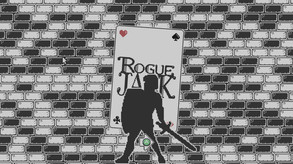
Visually, the game adopts a retro-inspired pixel art style that fits its dungeon-crawling theme well. While the presentation is relatively simple, it possesses a certain charm that complements the gameplay. Character sprites, monsters, and environments are easy to read, which is particularly important in a game where strategic decisions depend on quickly understanding available information. The interface is clean and functional, allowing players to focus on their choices rather than struggling with unnecessary complexity.
Replayability is another major strength. Procedural generation ensures that no two dungeon runs are exactly alike, and the combination of random encounters, varying equipment drops, and evolving strategies keeps the gameplay loop engaging over long periods. The endless nature of the dungeon further reinforces the roguelike formula, encouraging players to chase better runs and discover more effective approaches. Fans of games built around repeated attempts and gradual mastery will likely find plenty of reasons to keep returning.
The game is not without flaws. Players looking for a rich narrative experience may be disappointed, as the focus remains almost entirely on gameplay systems. Storytelling takes a back seat to mechanics, progression, and replayability. Additionally, while skill plays a meaningful role, randomness is still an inherent part of the design due to the Blackjack foundation. Some runs can feel unforgiving when unfavorable card draws occur at crucial moments, which may frustrate players who prefer experiences with more consistent outcomes.
Despite these shortcomings, RogueJack succeeds because it fully embraces its unusual concept and develops it into a surprisingly compelling adventure. The combination of card-game strategy, dungeon exploration, character growth, and roguelike replayability creates a distinctive experience that stands apart from more conventional entries in either genre. It demonstrates how a familiar card game can be transformed into something far more ambitious when paired with thoughtful design and strong progression systems.
RogueJack: Roguelike Blackjack is an inventive and enjoyable indie title that successfully blends Blackjack mechanics with roguelike dungeon exploration. Its strategic depth, satisfying progression, and strong replay value outweigh its limited narrative focus and occasional reliance on luck, making it a worthwhile experience for fans of card games, roguelikes, and unconventional genre combinations.
Rating: 7/10