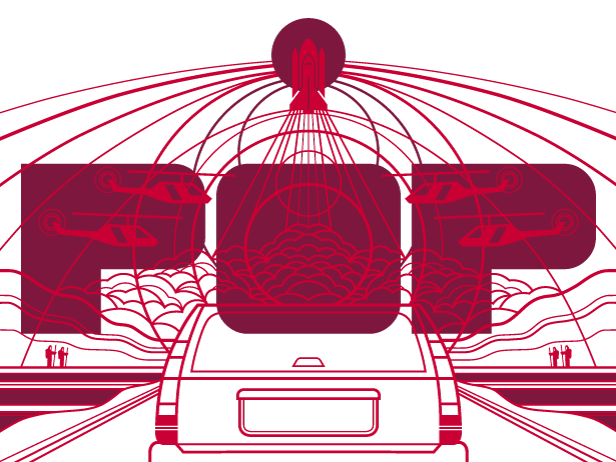
POP: Methodology Experiment One is an experimental game by Rob Lach which was designed music first, with the gameplay and aesthetic derived from the creative flow of the music production process. What emerged is an emotional psychedelic roller-coaster of interactive vignettes.
Modeled estimate, not a reported figure. How we estimate →
About

Stats
All-time low is the lowest price we've recorded for this game since we started tracking it.
Languages: English**languages with full audio support
Add-ons
Each DLC is estimated with the same model as a game, then summed — a modeled figure, not reported DLC sales.
Engagement
Reviews
Themes across 40 recent reviews and how positive each mention is. A keyword signal, not full sentiment analysis.
Reviews
Spoiler alert: there are no spoilers, no hints, plots, or much of anything tangible, really. Just an experience to be had. Most people probably won't enjoy this game, it's not for overstimulated caffeine heads.
...
Strange game / interface experiment. I like old raw footage, and early console aesthetics and the experimental nature of deciphering a meaning to the game is amusing. Unsure if the method of exiting the game was intentional or not, but if so, it was pretty cool...
Media

Related
Related
Price dynamics, follower growth, revenue and sales trajectories with interactive tooltips
This and every other Pro feature is free until October 20, 2026. A free account is all it takes.
Hours played at review time, across 40 reviews with recorded playtime.
positive critical· bar length = how often the theme comes up
нет
10/10 would take drugs again.
this game is awful and i messed up and missed the deadline and cant gets ma moneys back and im pissed. There is a fine line between culure that is artsy and weird that are actually trying to provide a meaning from a different perpective, and culture that is just trying to ♥♥♥♥♥♥♥♥ it. Trying to make it look like there is something there when there isn't and you either sell your integrety and pretend that its amazing cus deep down your to insicure and you need to be smart enough to get what this game is. so you say veige, subjective things like "very creative new take on games and the industry, and what it meents to pop culture blah blah blah". OOOORRRRR you can say that this is culture at its very worste and i just got some sold some crap and im goanna try and call them out on it on a reveiw so that others dont blow there moneys on some nonsesne
Just 2deep4u. I like indie titles with minimalistic graphics or instructions, but this game is just epileptic images flashing on your screen. There is no goal, no appeal, just mindles minigames that try to be cryptic.
Bonkers.
What is POP: Methodology Experiment One ? Genre: adventure, told in different, non-canonical scenes Setting: different 20th century themed scenes, both famous and common, to be travelled by the player Difficulty: 0/10 --> you progress, no matter what. 9/10 if going for achievements Length: about an hour for a single playthrough Mode: singleplayer campaign, replayable "vignettes" (=scenes) The positive aspects: - different scenes from 20th century's history, such as manned spaceflight, mignight air raid, boarding a helicopter in a war territory - strange scenes mix with bad resolution videos and lets you guess what the story or moral of the game could be (This could also be on the negative side, though) The negative aspects: - Horrible controls. In some scenes, you don't know if pressing keys does affect the game at all - The options menu is no use at all. rebinding keys does not work - Loading times. For just a small scene, it can take a modern computer up to half a minute to load - General slowness. Press a button for two seconds to continue here, press it for six seconds to continue there. Seriously: WTF?! - No storytelling, no moral, no underlined questions, no nothing. - Considering these aspects, getting all achievements will become a tough challenge, to say the least Result (and summary for those who have no time reading): POP's an art game designed by some art-related guy for art students primarily. At least that's what it felt like for me. Actually, being an enthusiastic player of games with a little weird spin, playing it didn't enrich me at all. Plus, short length, screwed controls and loading times impair the playing experience negatively. Thus I do not recommend buying this game at all.
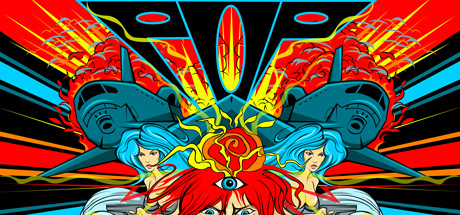
POP: Methodology Experiment One is an unapologetically experimental indie title that exists far outside the boundaries of conventional game design, created and published by Rob Lach under the Rob Lach Games label. Rather than following familiar structures such as levels, objectives, or narrative arcs, the game presents itself as a collection of interactive experiments driven first and foremost by music. The soundtrack was composed before the gameplay was even conceptualized, and everything that follows—visuals, mechanics, pacing, and tone—is built to orbit that musical core. As a result, the experience feels less like a traditional game and more like a digital art piece, one that asks players to engage with rhythm, sensation, and emotional impulse rather than mastery or progression. From the opening moments, it becomes clear that POP is not interested in easing players into its world. Each segment feels deliberately unpredictable, often shifting style, mechanics, and presentation without warning. One moment you may be interacting with a fast-paced arcade-like challenge, the next drifting through an abstract visual space where the primary interaction is movement synchronized to sound. These segments are not connected by a clear story or logic, but by a shared creative intent: to explore how interactivity can respond to music and mood. This fragmented structure can feel disorienting, yet it is also central to the game’s identity, reinforcing the idea that the experience is meant to be felt rather than understood in a traditional sense. The audiovisual design is where POP: Methodology Experiment One truly distinguishes itself. The pixel art aesthetic deliberately evokes retro sensibilities, but it is constantly warped, glitched, and distorted into surreal forms that pulse and shift alongside the soundtrack. Colors flash, shapes morph, and the screen often feels alive with motion, creating a hypnotic, sometimes overwhelming sensory experience. The music is not merely accompaniment; it dictates the rhythm and emotional weight of each segment, giving the impression that the player is moving through a playable album rather than a sequence of levels. For players who appreciate synesthetic experiences where sound and visuals blur together, this cohesion can be mesmerizing. At the same time, the intensity of the presentation is a double-edged sword. The frequent flashing visuals, rapid transitions, and psychedelic imagery can be exhausting, and the game makes little attempt to accommodate players who are sensitive to such effects. Accessibility is clearly not a primary concern here, and the experience can feel abrasive or even uncomfortable for those unprepared for its sensory extremes. Combined with the lack of clear goals or feedback, this can lead some players to feel disconnected or unsure of how to engage meaningfully with what is happening on screen. Length and structure are also frequent points of contention. POP is relatively brief, and because its segments are so varied and loosely connected, the experience can feel fleeting or insubstantial once it ends. There is little in the way of replayability in a traditional sense, as the game is not designed around mastery or optimization. Instead, its value lies in the uniqueness of the journey itself, much like viewing an experimental short film or attending a multimedia art installation. Additional content, such as variant modes and commentary included in later editions, reinforces this artistic framing by encouraging players to view the game as an evolving creative project rather than a finished, self-contained product. Emotionally, the game can be surprisingly effective despite its abstraction. Moments of chaos are often followed by quieter, introspective segments, creating a rhythm that mirrors emotional highs and lows. While there is no explicit narrative, players may find themselves projecting their own interpretations onto the experience, drawing personal meaning from the interplay of sound, motion, and color. This openness is intentional, but it also means that the game’s impact varies wildly depending on the mindset and expectations of the player. Ultimately, POP: Methodology Experiment One is a bold and polarizing work that prioritizes artistic experimentation over accessibility or traditional entertainment value. It is not a game designed to satisfy players looking for clear mechanics, progression systems, or narrative closure. Instead, it offers a raw, unfiltered glimpse into a creator’s experimental process, inviting players to participate in something closer to interactive audiovisual art than conventional gameplay. For those willing to approach it with curiosity and an open mind, it can be a memorable and thought-provoking experience. For others, its chaotic structure and lack of clarity may feel alienating. Either way, it stands as a striking example of how far the medium of games can be stretched when freed from traditional expectations. Rating: 5/10
Selling now
See how fast this game is selling right now — estimated copies and revenue per day from recent review growth.
Players by region
Where this game's players are, estimated from review languages.
Related
| Game | Estimated lifetime revenue | Reviews | Review score | Price |
|---|---|---|---|---|
| $467.3K | 3.9K | 84% | $4.99 | |
| $360 | 13 | 100% | $1.99 | |
| $67 | 4 | 50% | $0.99 | |
| $21.7M | 109.6K | 97% | $9.99 | |
| $4.9M | 13.8K | 79% | $14.99 | |
| $1.6M | 6.9K | 93% | $9.99 |
Related
| Game | Estimated lifetime revenue | Reviews | Review score | Price |
|---|---|---|---|---|
| $8.3K | 58 | 74% | $7.99 | |
| $8.3K | 71 | 92% | $3.99 | |
| $8.3K | 50 | 84% | $12.99 | |
| $8.3K | 86 | 81% | $4.99 | |
| $8.3K | 57 | 96% | $3.49 | |
| $8.3K | 58 | 79% | $7.99 |