
Phantomancer is a deck-building roguelike where you summon phantoms to fight. Defeat the monsters threatening humanity and uncover the story of two sisters.
Modeled estimate, not a reported figure. How we estimate →
Media

About
Phantomancer is a deck-building roguelike developed by a solo creator, where players progress by collecting cards and ultimately aim to defeat the final boss.
Hitoyo, a magician tasked by the Magic Association, embarks on a journey to defeat the emerging monsters.
Fight Using Cards
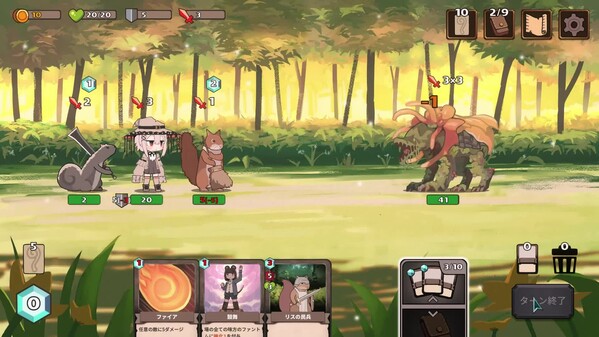
In battles, players draw cards at random from their deck to fight.
In addition to the deck, this game introduces a unique area called the "Pouch."
Cards placed in the Pouch can be used anytime, regardless of card draws.
With over 150 cards available, every game offers a fresh experience.
Cards are unlocked progressively as you play.
(Note: While unlocked cards persist between games, there are no elements that carry over numerical upgrades to cards or stats.)
Summon Phantoms
Phantoms help attack enemies and protect the hero from incoming attacks.
You can also summon higher-tier Phantoms by using other Phantoms as a cost.
Advanced Phantoms reside in the Pouch, allowing them to be used anytime without relying on draws.
Use Spells and Items
Spell cards are discarded after use.
Item cards remain in the Pouch for convenient access but are destroyed after use.
Collect Cards
Cards can be obtained as battle rewards or purchased from shops.
While there are no limits to the number of cards in your deck, the Pouch has a maximum capacity.
Strategically balance between reusable Advanced Phantoms and consumable Items.
You can strengthen your cards by using "Fruits" acquired during play.
Choose which card to enhance with which Fruit to suit your strategy.
Discover powerful combinations and create a unique, special deck!
Challenge the Run Mode
Higher difficulty modes allow you to select your starting deck.
Each difficulty cleared reveals more of the backstory of Hitoyo and her sister Hinano.
Uncover the memories hidden within the cards as you progress.
You are welcome to post or live stream gameplay videos, whether for commercial or non-commercial purposes, without notifying the creator.
There are no particular restrictions on derivative works as long as they are created by individuals.
If you are a corporation planning to use them for commercial purposes, please contact us separately.
However, please refrain from creating content that could be mistaken as official, damages the game's reputation, or otherwise causes harm to the creator.
This guideline is subject to change without prior notice.
Stats
All-time low is the lowest price we've recorded for this game since we started tracking it.
Languages: English, Japanese
Engagement
Reviews
Themes across 40 recent reviews and how positive each mention is. A keyword signal, not full sentiment analysis.
Reviews
ザ・同人ゲームって感じのふんいきの ゆるふわゲーですが割とゲームデザインはちゃんとしてます 遊び心地がいい!
ユニット召喚系のデッキ構築ローグライク。 普段レビューは書かないんだけどラン10全デッキクリアまで楽しく遊べたのでレビュー投下。 ちなみに私はこの手のジャンルに関してはそこまで精通しているわけではないです(クロノアークとswitchでStSを遊んでたくらい)。 なのでジャンル初心者視点でのレビューです。 1ターン2ターン先を見据えながらリソース管理しつつ盤面のコントロールをするゲーム。 絵柄の割に硬派なゲーム性で、ラン(StSでいうところのアセンション)の難易度が上がってくると敵の行動を考えてプレイしないとすぐ死ぬ。 本作の特徴の一つに、他の方のレビューでも触れられてたり、なんなら開発者の方もXで言及されていましたが、本作はペンデュラム召喚が実装される前ぐらいの昔の遊戯王っぽい雰囲気があります。 盤面に出したファントムを生贄に、どのタイミングでも使えるポーチ(エクストラデッキ)から、上級ファントム(融合・シンクロ・エクシーズ)を召喚し、盤面を形成するところがそれっぽいです。 なので昔の遊戯王が好きだった方はハマるかもしれません。私はハマりました。 他のTCGやDCGでいうと中速~低速のデッキが好きな方もハマるかもしれません。私はハマりました。 また、ショップやマスで手に入る「実」を使うことで、カードに追加効果を付与することができます。 基本的に本作は1ターン毎にじりじりした攻防が続くようなゲーム性なのですが、「実」を付与したカードと他のカードでシナジーが生まれることもあり、いい感じに回ると1ターン中にマナ抽出を駆使しながらスペルやファントムを連打し、山札を高速で回転させつつバーンで焼き切ったり、強化付与されまくったクソデカファントムを作ることもできます。 普段のプレイとは一転して思いがけないシナジーで回るデッキが完成するのもStSライクの醍醐味だと思いますが、このような点もマナコストの概念がなくデッキを回すのが容易な遊戯王っぽさに通ずるものがあるのかもしれません。 他の気に入った点 ・一周が短めでテンポがいい ・カードの効果がシンプルでわかりやすい ・最大で7種類のテーマデッキから1つ選んでスタートするのでデッキの方向性やカードの取捨選択を決めやすい ・盤面上の味方や敵のダメージ予測を常に表示してくれるのでプレイが楽 ・カードと敵の強さのバランスが素人目で見ても絶妙 ・かわいくて太めな絵柄 賛否ありそうな点 ・ストーリーがウリの一つっぽいけどほぼ虚無 ・カードの種類はそんなに多くない ・イベントマスもないため良くも悪くも似たような展開になりがち 総じて、導線がしっかりしており、遊びやすく、やりごたえがあって、とても楽しめました。
Related
Related
Trends
Concurrent players on Steam, sampled daily since tracking started.
Hours played at review time, across 40 reviews with recorded playtime.
positive critical· bar length = how often the theme comes up
スレスパほど時間を犠牲にしない、程よいボリューム UIもGOODで周回が捗る カードテキストが傑作で、不穏でおまぬけかわいい感じが最高 絵柄にひかれた人はぜひこのゲームの世界観を味わってほしい
最後のボスまでクリア。最高に面白いゲームでした! 押し引きが重要な、非常にバランスの取れたゲームです! 他の方も述べていますが、 ローグライクによくある超上振れデッキというのはこのゲームに存在しません。 その代わり、敵ギミックは手札を考えて切っていくことで攻略できることが多いです。 デッキ構築の精度より、手札の差配のスキルを求められます。 相手の行動を2手3手きっちりカバーして勝った時の快感は格別です!
面白いです デッキ構築ゲームとして非常に完成度が高く、楽しめました 召喚による戦略性が奥深く、戦闘中のランダム要素も少ない(手札が捨て札に送られない、上位ファントムの存在など)ためかなり実力の出るゲームかと思います ギリギリの戦いが好きな方向けかもです
面白かった。自分が前に出るのか、召喚した者を前に出すのか、アタッカーになるのか、バッファーになるのか、自分のデッキとの会話が結構難しかった。
phantomancer本編クリア! キャラがかわいい、最強カードで無双!って感じよりは、じっくり考えながらカードを出すタイプのローグライトで楽しかった! 本編自体はわりと早めに(6トライくらい?)でクリアしたけど、やりこみ要素ありそうで、わくわくが止まりませんぞ! まだ本編後を一度もやっていないのでやった後もう一度結論を出そうとは思うんですが、本編だけのボリュームで1400は少しだけ高いなって思いました(お金が...)。 ただ、10/7まではセールで980!安い!神! 上記で値段が高いと書きはしたが、キャラクターのイラストがめちゃかわいかったり、 ゲーム性もとてもいいハイクオリティな作品のため、ぜひ購入してプレイすることをおすすめする。 あと、イラストがかわいすぎたのでArtBook(470(セールで329))買いました。 結論:ビジュ・ゲーム両方がハイクオリティな良作!
すごい骨太、ほんわかしてるのは見た目だけです まだ全部のラン(アセンション)をクリアしたわけではないけれど面白い デッキ構築型の盤面リソース管理パズルゲームといったところか ランを通して大枠のデッキ構想をしながら報酬をピックしたりお店で購入したりしてデッキを強化 戦闘では敵の行動予告があるので、ファントムを盤面のどこに置くかいつ置くかいつ退場させるかで結果が大きく変わる もちろんそのターンもだが次のターン以降を見据えた展開ができるとアドが残せる Into the Breachのような、前情報の中でパズルを解くような最適化が求められるので、こういうのが好きな人には刺さると思う カードのバランスが非常に良く、デメリットをうまく打ち消せたり踏み倒せたりすると気分がいい これを個人で作っているのだから恐ろしいバランス感覚だと思う アップデートも頻回にしてくれるし今後に期待のゲームです!
Phantomancer is a roguelike deckbuilding game that takes many familiar mechanics from the genre and refines them into a surprisingly polished and highly strategic experience. Developed and published by Cloudgear Games, the game places players in the role of Hitoyo, a magician fighting against supernatural threats while uncovering mysteries tied to her family and the dangerous creatures known as Phantoms. Although the game clearly draws inspiration from major deckbuilding roguelikes, it manages to establish its own identity through clever combat systems, flexible deck construction, and an emphasis on tactical consistency rather than pure randomness. At its core, Phantomancer revolves around constructing decks filled with spells, items, support abilities, and summonable Phantoms that can be used during turn-based combat encounters. Like many roguelike card battlers, players move through branching paths while facing enemies, collecting rewards, upgrading cards, and gradually refining their strategy over the course of each run. However, the game introduces several systems that significantly alter how battles are approached. The most important of these is the pouch mechanic, which allows players to keep selected cards permanently accessible instead of relying entirely on random card draws. This feature may sound small at first, but it fundamentally changes the pacing and consistency of combat because key cards are always available when needed. The pouch system gives Phantomancer a more tactical and deliberate feeling compared to many other deckbuilders where bad card draws can completely derail a run. Being able to reliably access certain spells, items, or summons creates opportunities for long-term planning and more stable combo setups. Instead of constantly gambling on luck, players can structure strategies around guaranteed tools while still adapting to the randomness of normal deck draws. This balance between reliability and unpredictability makes the combat feel rewarding because victories are more heavily tied to smart planning than simple chance. The Phantom summoning mechanics are another major strength. Phantoms act as powerful creatures that fight alongside the player while also protecting them from incoming damage. Different Phantoms serve different purposes, with some specializing in offense, others focusing on defense, support, or scaling effects that become stronger over time. Lower-tier summons can also be sacrificed to call forth stronger Phantoms, adding another layer of decision-making during combat. Managing when to preserve weaker units and when to upgrade into stronger entities creates battles that feel far more dynamic than simple damage exchanges. Deckbuilding is where the game truly becomes addictive. With more than a hundred cards available, Phantomancer constantly encourages experimentation with different combinations and playstyles. Some builds revolve around overwhelming enemies with summoned creatures, while others focus on direct spell damage, defensive control, status effects, or item synergy. The game also includes enhancement systems that allow players to strengthen cards during runs, making it possible to adapt strategies based on whatever tools become available. Discovering combinations that completely transform the flow of combat is one of the most satisfying aspects of the experience. One of the game’s biggest strengths is how replayable it feels despite its relatively straightforward structure. Every run offers opportunities to experiment with different decks, relics, and Phantom combinations, and higher difficulty modes add additional complexity for experienced players. The challenge gradually increases without feeling unfair, encouraging players to refine their understanding of mechanics rather than simply grinding permanent upgrades. In fact, the game’s minimal reliance on permanent progression is one of its most interesting design choices. Unlike many roguelites that heavily reward repeated play through persistent stat boosts or unlock systems, Phantomancer focuses more on player skill and strategic understanding. Success depends largely on learning synergies, optimizing deck structure, and making efficient decisions during combat. This gives victories a stronger sense of accomplishment because players win through mastery rather than overpowering the game through endless progression systems. While some players may miss large meta-progression systems, the approach helps each run feel self-contained and strategically meaningful. Visually, Phantomancer embraces a clean anime-inspired aesthetic that works well for the fantasy setting. Character portraits are expressive, enemy designs are varied enough to remain interesting, and spell effects are colorful without becoming visually overwhelming. The presentation may not reach the production quality of larger-budget titles, but it remains polished and easy to read during combat, which is especially important in a strategy-focused game. Menus and interfaces are also fairly intuitive, helping players focus on planning and experimentation rather than struggling with navigation. The soundtrack complements the atmosphere effectively with fantasy-themed tracks that support both exploration and combat without becoming repetitive. Battles maintain a strong rhythm thanks to responsive animations and smooth pacing, which helps repeated runs remain enjoyable even after long sessions. The compact structure of individual runs also encourages experimentation because restarting after failure never feels overly punishing or time-consuming. However, Phantomancer does have several weaknesses that prevent it from fully reaching the top tier of the genre. The story, while functional, is fairly simple compared to more narrative-focused roguelikes. The relationship between Hitoyo, her sister, and the supernatural conflict provides enough motivation to move the game forward, but the writing rarely becomes especially memorable or emotionally impactful. Most players will likely remain invested because of the gameplay systems rather than the narrative itself. Balance is another area where the game occasionally struggles. Certain Phantom combinations and card synergies are noticeably more powerful than others, which can reduce strategic variety once players discover the strongest builds. Some runs become dramatically easier when key combinations appear early, while unlucky card offerings can occasionally make other runs feel unnecessarily restrictive. Although experimentation remains enjoyable overall, the balance between archetypes could use additional refinement. The lack of extensive permanent progression may also reduce long-term appeal for some players. While the skill-focused design philosophy is refreshing, players who enjoy constantly unlocking large upgrade trees or permanent bonuses may eventually feel that progression between runs lacks excitement. Phantomancer relies heavily on replayability through strategy variety rather than long-term grind systems, which will appeal strongly to some players but less so to others. For players who enjoy roguelike card battlers, fantasy strategy games, and experimentation-driven gameplay, Phantomancer delivers an engaging and highly replayable experience. It may not completely reinvent the deckbuilding genre, but its polished mechanics, satisfying tactical systems, and strong replay value make it one of the more enjoyable indie card battlers currently available. Rating: 8/10
味方を前後に配置するシステムが面白い。前にタンクを置いて後ろを生かすのが基本戦術となるが、後列から狙い撃ってくる敵、全体攻撃、複数回攻撃など多彩な脅威が登場し、何度も「得する動き」「損する動き」の認識が入れ替わった。 イラストがかわいくてすき。
Audience
Estimated from the language of this game's reviews — a proxy for where players are, not official Steam demographics.
Related
| 侠之信条 | $35K | 154 | 49% | $9.99 |
| Reflex Unit: Strike Ops | $35K | 74 | 88% | $15.99 |
| Suicide Guy VR | $35K | 199 | 64% | $9.99 |
| Aim Trainer Pro | $35K | 130 | 62% | $7.99 |
| Rivalry | $35K | 365 | 91% | $2.99 |
| Pipe Push Paradise | $35K | 208 | 96% | $9.99 |