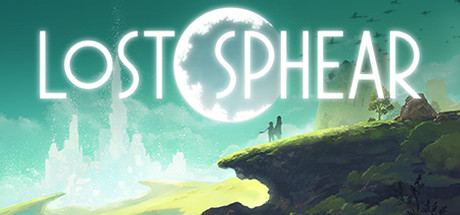
A young man, who suffered a phenomenon that he had never seen, faces an ominous power that threatens the fabric of reality. Awaken the power of Memory to restore what was lost!
Modeled estimate, not a reported figure. How we estimate →
About
Stats
All-time low is the lowest price we've recorded for this game since we started tracking it.
Languages: English, French, German, Japanese
Engagement
Hours played at review time, across 40 reviews with recorded playtime.
Reviews
Themes across 40 recent reviews and how positive each mention is. A keyword signal, not full sentiment analysis.
positive critical· bar length = how often the theme comes up
Reviews
引用苏轼先生的水调歌头来评价这部作品 人有悲欢离合,月有阴晴圆缺,此事古难全。但愿人长久,千里共婵娟。 An Chinese ancient poem from 1000 years ago for this game: Men have sorrow and joy, they apart or meet again The moon is bright or dim and she may wax or wane There has been nothing perfect since the olden days So let us wish that man will live long as he can Thousand miles apart, we'll share the beauty she displays
El juego no está mal, la historia parece interesante y gráficamente no es malo, pero tiene unas cuantas pegas que en mi opinión lo hacen bastante injugable, con ciertas cosas inexplicables a día de hoy. Ya de primeras sorprende que no parece haber forma de volver al menú principal. ¿Cómo puede faltar esa opción? Estoy seguro de que no soy el primero que quiere volver para cargar de nuevo la partida y empezar desde un punto anterior, pero parece que la única forma es dejar que te maten en un combate. Pero es algo que no impacta mucho, lo que sí me ha hecho dejar el juego son la falta de descripciones de las cosas y una batalla en concreto. Buscando por internet he encontrado que uno de los artefactos hace que mi personaje sufra daño al atacar (parece ser sólo uno de ellos... raro) pero en la descripción del artefacto en cuestión no se menciona nada de eso. ¿Cómo voy a saber yo que ese personaje sufre daño al atacar si en ningún sitio se explica? Además, en esa misma batalla el juego ha acabado con mi paciencia. Un jefe se puede recuperar la salud y en cada turno recupera más que lo que le quito, por algo tan incomprensible como que mis personajes fallan los ataques más que una escopeta de feria. Si fallan el 75% de los ataques, ¿cómo se espera que le acabe venciendo cuando recupera salud en casi todos los turnos? La idea del juego es buena, la ejecución, por el contrario...
LOST SPHEAR is a traditional Japanese role-playing game developed by Tokyo RPG Factory and published by Square Enix. Released in 2018, the game was designed as a spiritual continuation of the studio’s philosophy of recreating the atmosphere of classic JRPGs from the 1990s. Built with deliberate inspiration from genre classics like Chrono Trigger and early Final Fantasy titles, LOST SPHEAR attempts to capture the emotional tone, turn-based combat, and world-saving narrative structure that defined that era. Rather than pushing toward modern open-world design or real-time action combat, the game intentionally embraces a nostalgic framework, presenting a story-driven adventure where exploration, character relationships, and strategic battles form the core experience. While this design philosophy gives the game a distinctive retro charm, it also means the title walks a delicate line between homage and familiarity. The narrative centers on a young boy named Kanata who lives in a quiet village on the outskirts of a fading world. His peaceful life is disrupted when a mysterious phenomenon begins erasing parts of reality itself. Entire locations, structures, and even people vanish into a strange white void known as “The Lost,” leaving behind empty landscapes where memories once existed. When Kanata’s hometown is suddenly consumed by this phenomenon, he discovers that he possesses a rare ability to restore lost elements of the world through the power of memory. By recalling people, places, and objects that have disappeared, he can reconstruct them and bring them back into existence. This discovery sets him on a journey across the continent with his childhood friends Lumina and Locke, eventually gathering a larger group of companions who each carry their own motivations and emotional baggage. As the party travels through kingdoms, frozen mountains, ancient ruins, and mechanical fortresses, they gradually uncover the deeper cause behind the world’s collapse and the mysterious forces manipulating reality itself. One of the game’s most distinctive ideas is how the theme of memory is integrated directly into gameplay through the Memory system. Throughout the adventure, players collect fragments of memories scattered across the world. These fragments are obtained by interacting with characters, investigating objects, or completing specific events tied to lost locations. Once gathered, these memories can be used to rebuild vanished areas of the world map. This mechanic creates a satisfying sense of restoration, as players are not simply exploring a static environment but actively reconstructing it. Certain restored landmarks can also function as monuments that grant bonuses such as increased experience gains, improved item drops, or faster travel speeds. This system subtly encourages exploration and experimentation, rewarding players who take time to investigate optional content and fully rebuild the world. Combat in LOST SPHEAR uses a modernized interpretation of the Active Time Battle system, a staple of classic JRPG design. Characters and enemies act when their time gauges fill, but the game introduces a more tactical layer by allowing players to reposition characters before executing commands. This ability to move within a limited radius adds a spatial dimension to the battles, allowing players to avoid area-of-effect attacks, flank enemies, or cluster opponents together for stronger multi-target abilities. Each character has a unique skill set that can be expanded through equipment called Spritnite, magical artifacts that grant new abilities or passive bonuses. Players can combine these abilities to build customized strategies, whether focusing on elemental damage, support abilities, or powerful physical attacks. The system remains approachable for newcomers but offers enough flexibility to keep combat engaging throughout the campaign. Another notable gameplay feature is the introduction of mechanical exosuits known as Vulcosuits. These powerful combat machines can be piloted by certain party members during battle, dramatically increasing their strength and granting access to specialized attacks. However, Vulcosuits rely on a separate energy resource that gradually depletes during combat, meaning players must decide carefully when to activate them. Deploying a Vulcosuit at the right moment can turn the tide of a difficult encounter, particularly during boss battles where heavy damage output becomes essential. This mechanic adds a layer of tactical resource management that complements the game’s otherwise classic turn-based combat structure. Visually, LOST SPHEAR adopts a stylized art direction that aims to evoke the feeling of a classic RPG world while presenting it with modern 3D technology. Towns, forests, snowy mountains, and ancient temples are presented with a soft color palette and a somewhat dreamlike atmosphere that reflects the story’s focus on memory and loss. Character models retain a simplified, almost nostalgic design that mirrors the proportions and charm of characters from earlier JRPG generations. While the environments are attractive and varied, the presentation is intentionally understated compared to many modern blockbuster RPGs. Instead of cinematic spectacle, the game emphasizes a sense of calm exploration and reflective storytelling. The musical score plays a significant role in reinforcing this emotional tone. Composed by Tomoki Miyoshi, the soundtrack features gentle piano themes, orchestral arrangements, and ambient compositions that emphasize melancholy and nostalgia. Many tracks highlight the sense of fading memories and fragile hope that defines the story. Town themes often feel warm and reflective, while battle music adds urgency without becoming overwhelming. The soundtrack works particularly well during quiet moments of exploration, where the music subtly reinforces the game’s themes of rebuilding a broken world. Despite its appealing ideas and thoughtful mechanics, LOST SPHEAR has drawn mixed reactions from players and critics. One common criticism is that while the game successfully captures the style of classic JRPGs, it sometimes struggles to establish a strong identity of its own. The story, though emotionally themed, often follows familiar genre conventions involving ancient threats, chosen heroes, and world-saving journeys. Some players may also find the pacing slow during the early portions of the campaign before the central mysteries fully unfold. Additionally, while the combat system introduces movement and customization, it rarely evolves into something dramatically different from the formulas that inspired it. Even so, LOST SPHEAR remains a sincere and enjoyable tribute to the classic role-playing games that shaped the genre. Its focus on memory as both a narrative theme and gameplay mechanic gives the adventure a thoughtful emotional core, while the battle system and exploration mechanics offer enough variety to sustain interest across its roughly thirty-hour campaign. For players who appreciate traditional turn-based RPGs and enjoy revisiting the design philosophies of earlier gaming eras, the game provides a comforting and nostalgic experience that respects the genre’s roots. In the end, LOST SPHEAR succeeds not by reinventing the JRPG formula but by celebrating it. Through its reflective story, strategic combat system, and atmosphere of rebuilding a fading world, it delivers a heartfelt homage to the golden age of role-playing games. While it may not achieve the legendary status of the classics that inspired it, it remains a solid and memorable adventure for fans seeking a modern RPG built in the spirit of those timeless games. Rating: 7/10
Lost Sphear is a traditional JRPG from Tokyo RPG Factory that aims to evoke the tone and structure of classic 16-bit era adventures. The story follows a group of young heroes trying to restore parts of the world that have mysteriously vanished, establishing an early sense of mystery and urgency. The narrative is straightforward and relies on familiar themes such as memory, loss, and responsibility. Combat uses an evolved version of the Active Time Battle system. Characters can reposition during fights to adjust attack angles and area-of-effect abilities. This tactical layer adds modest depth without slowing down encounters. Boss fights introduce pattern-based challenges that require active attention rather than simple repetition. Progression relies on a mix of standard leveling and the “Memories” mechanic, which lets players restore missing objects and unlock features. This system creates mild world-building tension while rewarding exploration. Crafting and equipment upgrades are present but kept simple, providing steady power growth without heavy micromanagement. Visual presentation uses clean, pastel-style environments and modest character models. While it lacks high-budget spectacle, the art direction is cohesive and readable. Animations are serviceable, and effects highlight key combat abilities. The soundtrack carries light emotional weight, using piano and orchestral cues to reinforce atmosphere. Exploration follows a traditional structure: towns, dungeons, and a world map. Side quests offer small story expansions but rarely deliver surprising mechanics. Dungeon layouts are functional rather than inventive, relying on light puzzles and enemy encounters to pace progression. Fans seeking nostalgia will find comfort; others may find the formula predictable. Performance is stable. Load times are short, frame pacing holds during combat, and bugs are uncommon. Menu navigation is clear, though some systems are explained only briefly. The camera can feel rigid in tight interior areas, but it rarely obstructs combat readability. Overall, Lost Sphear offers a competent but conservative JRPG experience. It succeeds at delivering classic structure, reliable combat, and a gentle tone, but rarely pushes beyond established conventions. Players nostalgic for older design patterns will find satisfying comfort, while those seeking innovation may consider it restrained.
Lost Sphear é um RPG que presta homenagem aos clássicos do gênero enquanto adiciona suas próprias ideias para criar uma experiência acolhedora e envolvente. Desde o início, o jogo transmite aquela sensação nostálgica dos JRPGs da era de ouro, mas sem deixar de apresentar mecânicas modernas e uma identidade própria. A história é um dos seus maiores atrativos. A premissa de um mundo que está desaparecendo gradualmente e pode ser reconstruído através das memórias cria uma atmosfera única e desperta a curiosidade do jogador desde os primeiros momentos. A jornada de Kanata e seus companheiros é marcada por amizade, esperança e descoberta, oferecendo uma aventura emocional e agradável de acompanhar. O sistema de combate consegue equilibrar tradição e inovação. Embora seja baseado em turnos, ele incorpora movimentação no campo de batalha e elementos estratégicos que tornam os confrontos mais dinâmicos. Posicionar corretamente os personagens, escolher o momento ideal para utilizar habilidades e explorar as fraquezas dos inimigos adiciona profundidade sem tornar as batalhas excessivamente complexas. Outro ponto forte é o sistema de restauração do mundo. Reconstruir áreas perdidas e ver o cenário voltar à vida cria uma sensação constante de progresso e recompensa. Essa mecânica não apenas contribui para a narrativa, mas também reforça o envolvimento do jogador com o universo do jogo. Visualmente, Lost Sphear apresenta uma direção de arte charmosa, com cenários coloridos e um estilo que remete aos JRPGs clássicos, mas com um toque contemporâneo. A trilha sonora complementa perfeitamente a aventura, ajudando a criar momentos de tranquilidade, emoção e grandiosidade quando necessário. Os personagens também merecem destaque. O grupo principal possui boa química, e as interações entre eles ajudam a tornar a jornada mais humana e memorável. O desenvolvimento das relações e o senso de companheirismo reforçam a sensação de estar participando de uma verdadeira aventura em grupo. No geral, Lost Sphear é uma experiência muito positiva para fãs de JRPGs. Ele consegue capturar o espírito dos clássicos sem parecer apenas uma cópia, oferecendo uma história interessante, um sistema de combate divertido e uma atmosfera acolhedora. Para quem aprecia aventuras focadas em exploração, amizade e crescimento, é um jogo que vale muito a pena conhecer.
I was pretty skeptical going into this because it seemed like it was either gonna be REALLY good or REALLY bad. The Steam Reviews are all pretty meh on it and the 50 dollar price tag is almost unanimously why. This game is a turn-based JRPG with the ATB system and more combat mechanics than I ♥♥♥♥♥♥♥ care to explain because ♥♥♥♥♥♥♥♥♥ it always felt like you were finding or gaining more different things you could do. Admittedly, once you get into it, it's all pretty doable, but it feels like it never really wanted to commit one way or the other. Classic "next town has next best weapon" type stuff, elements, crits, etc. The unique elements include the free movement in combat system where all attacks have their own hitbox you can position how you like (if 2 enemies are next to each other, even basic attacks can multi-hit) and the Momentum Charge system where you basically pull an FF8 and hit a button to upgrade whatever attack or skill you're using. Story is really simple, with some fun twists and turns, but it's really wordy at times and really loves to fall back on generic "we're friends we're always there for you" dialogue for the Nth time. I enjoyed the gameplay, but I am unlikely to ever play it again, much less commit to post-game content despite really liking some ideas in it such as the Artifact System (buildable objects in the overworld that add permanent buffs or alter combat rules forever or until changed), Infusing your skills (you equip special properties to them and if you use them enough, it becomes permanently a part of it without needing it equipped anymore so you can equip it to others) I outright skipped using the Robot Suits for 99% of the game, I think I had less than 40 Machine Kills by the end of it. Overall: 6/10 - I really really wish it was a little better, but it's alright. $50 is a lot for it though, if it was $30 I'd say it's 7/10 lmao
Imponente!
Very boring. Annoying combat. Too much text. Get Sea of Stars instead of this snoozefest.
slow and boring
Best JRPG ever, better than old school ones, the battle system is dope, thank you square enix, tokyo rpg factory
Related
Related
Trends
Modeled estimate over time, reconstructed from Steam's monthly review histogram.
Momentum
Pace estimated from the game's recent review growth (our daily snapshots) at its own sales-per-review ratio — a momentum signal, not booked sales.
Audience
Estimated from the language of this game's reviews — a proxy for where players are, not official Steam demographics.
Related
| Wildfire | $248.5K | 942 | 82% | $14.99 |
| Corpse Keeper | $248.5K | 1.4K | 75% | $19.99 |
| Turbo Kid | $248.5K | 574 | 94% | $19.99 |
| Waves of Steel | $248.4K | 425 | 91% | $19.99 |
| Natsu no Iro no Nostalgia | $248.6K | 571 | 91% | $29.99 |
| Farewell North | $248.6K | 639 | 95% | $23.99 |