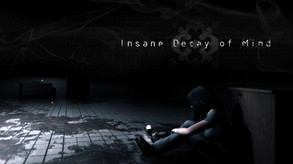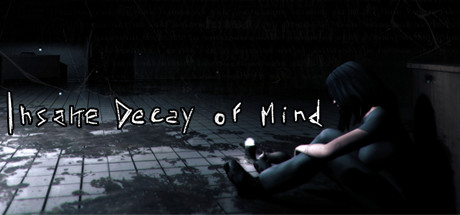
Insane Decay of Mind: The Labyrinth is a first person horror game. You play the role of Katherine, a young girl lost in the eerie hallways of a building she believes to be her school.
Modeled estimate, not a reported figure. How we estimate →
Media
About

Stats
All-time low is the lowest price we've recorded for this game since we started tracking it.
Languages: English
Engagement
Hours played at review time, across 40 reviews with recorded playtime.
Reviews
Themes across 40 recent reviews and how positive each mention is. A keyword signal, not full sentiment analysis.
positive critical· bar length = how often the theme comes up
Reviews
A Mind-Numbing Labyrinth of Frustration Rating: ★☆☆☆☆ Review: Insane Decay of Mind: The Labyrinth is an utterly disappointing and frustrating game that fails to deliver any semblance of enjoyment or intrigue. From start to finish, it is a mind-numbing experience that left me utterly unsatisfied. The game's main flaw lies in its convoluted and poorly designed mechanics. Navigating the labyrinth is an exercise in frustration, thanks to the unintuitive controls and clunky movement system. It feels as if the developers intentionally made it difficult to maneuver, adding unnecessary layers of frustration to an already uninspiring game. Furthermore, the level design lacks creativity and fails to captivate the player. The repetitive and monotonous environments quickly become tiresome, offering no incentive to continue exploring. Instead of providing an immersive and engaging experience, The Labyrinth simply becomes a dull and repetitive maze with no clear purpose or direction. The visuals in Insane Decay of Mind are equally lackluster. The graphics are dated and unimpressive, lacking the polish and attention to detail that modern games offer. The uninspired environments and lack of visual variety further contribute to the overall mediocrity of the game. The audio design is equally disappointing. The lack of a compelling soundtrack or immersive sound effects diminishes any potential atmosphere that the game could have created. Instead, the audio elements feel tacked on and forgettable, doing little to enhance the player's experience or draw them into the world of the game. In summary, Insane Decay of Mind: The Labyrinth is a prime example of a game that fails to deliver on its promises. The frustrating mechanics, uninspired level design, and lackluster visuals and audio make it a chore to play. If you're seeking an immersive and engaging experience, I would strongly advise looking elsewhere. This game offers nothing more than a labyrinth of disappointment and frustration.
YEAH BİG BRAİN TİME
played without vr okay game lots of jump scares played in vr mode with htc vive just bad really bad motion sick like anything fix the problems might be a good vr game
Interesting concept and realization, but boring gameplay and bugged game. At least it's cheap. So if you like horrors then it's up to you, but finally I say NO to the game.
✅İndirimdeyken alınıp kartları satılarak kâr edilebilir. Hesabımda bunun gibi birsürü inceleme var kâr yaptıran oyunlar mevcut profilimden bakabilirsiniz. Üstte kalması için incelemeye geri bildirim bırakmayı unutmayın.
я знаю, что за 79 рублей нельзя требовать многого... но поймите меня правильно, одно дело когда игра хорошая, но не большая, что стоит эти деньги, а бывает игра маленькая, кривая, некрасивая, глючная и стоит 79 рублей, зато виртуальная реальность. корявая анимация, уродливые модели, унылейшие враги. кстати о врагах, есть чел с маской зайца, я видел его пару раз, но один раз он увидел меня, начал бежать на меня и... застрял, бежал и бежал и бежал... есть баба, встреча с ней это геймовер, на сколько я понял, здесь рандомная генерация карт и это... уныло слов нет, достаточно 2 минуты побегать и считайте вы видели всю игру, это просто уныыыыыло, еще кстати 3 враг какой то чувак из которого идет черным дым, хз че с ним, он не обращал на меня внимания никогда... есть предметы, как в квестах, только сделано очень тупо, ты держишь предмет перед собой, оригинально, обычно ты кладешь молоток или нож в карманы, рюкзак или что то, что для этого предназначено, дав вам шанс носить больше вещей, но тут есть и бочки, иногда их тоже можно брать, это уже логично, а зачем они нужны? для квестов? не всегда, есть некоторые нпс, прости господи, им можно дать некоторые предметы взамен на компас или отсутствие детей, вероятно это те шустрые бабы, но это не точно. играть в это наверно стоит только в шлеме виртуальной реальности, и то, я не уверен, что это как то может улучшить впечатления от этой невозможной нудятины...
Insane Decay of Mind: The Labyrinth is a first-person psychological horror experience developed by GoManga Interactive and published by IV Productions. Designed as an atmospheric exploration game with optional virtual reality support, the title focuses on immersing players in a disturbing mental landscape where fear, memory, and imagination blend together to form a constantly shifting maze. Instead of relying on traditional action mechanics or elaborate combat systems, the game emphasizes tension, confusion, and psychological dread, encouraging players to navigate a surreal environment that represents the unstable mind of its protagonist. The story revolves around a young girl named Katherine who awakens inside a mysterious labyrinth that appears to resemble the halls of her school. At first, the environment seems like a distorted version of a familiar place, but as Katherine ventures deeper into the maze, it becomes clear that the labyrinth is not a real location but rather a symbolic representation of her mind. The corridors twist endlessly, rooms change unexpectedly, and strange creatures begin appearing from the darkness. Katherine’s objective is simple yet emotionally heavy: she must escape this labyrinth before it completely consumes her. However, every step through the maze forces her to confront fragments of her own memories and the psychological trauma that shaped the world she now inhabits. The labyrinth itself is the central mechanic of the game. Each section of the maze is procedurally generated, meaning the layout changes every time a new stage begins. This design choice creates a sense of unpredictability, ensuring that players can never rely entirely on memorizing routes or familiar environments. Corridors branch into multiple paths, dead ends hide secrets or dangers, and hidden rooms contain pieces of the story scattered throughout the map. As players progress through each level, the labyrinth becomes increasingly complex and threatening, reinforcing the idea that Katherine’s mental state is deteriorating as she moves deeper into the structure. Gameplay focuses primarily on exploration and survival rather than direct confrontation. Players must carefully navigate the maze while searching for story fragments that reveal more about Katherine’s past and the events that led to her psychological collapse. These fragments are hidden throughout the environment and encourage players to investigate corners of the labyrinth that might otherwise seem unimportant. Collecting them gradually builds a narrative that sheds light on Katherine’s fears, regrets, and unresolved memories. While exploring, players encounter disturbing entities known as Shadows. These creatures represent manifestations of Katherine’s inner fears and traumatic experiences. Each Shadow has a different appearance and behavior, making every encounter feel unique and unpredictable. Some enemies move slowly but relentlessly pursue the player through corridors, while others rely on stealth and sudden movement to surprise their prey. Because combat is not the primary focus of the game, players often need to rely on avoidance and careful movement to survive these encounters. Several of these Shadows stand out due to their unusual designs and behaviors. One creature resembles a masked child with limited vision but heightened awareness of nearby movement, forcing players to carefully navigate around it. Another enemy appears as a tall skeletal figure that reacts strongly to sound, requiring players to move quietly and avoid drawing attention. Other entities are more aggressive, including pale humanoid creatures that chase the player through the labyrinth with unsettling speed. Each of these manifestations contributes to the game’s psychological horror tone, turning the maze into a living embodiment of Katherine’s fears. The labyrinth’s visual design reinforces the unsettling atmosphere of the experience. Environments are dark and claustrophobic, filled with narrow corridors, dim lighting, and repetitive architecture that creates a constant sense of disorientation. Because the maze is meant to represent a distorted mental space, the environments occasionally appear illogical or surreal, with rooms connecting in strange ways and visual details that feel intentionally unsettling. This visual approach supports the psychological themes of the game, emphasizing confusion and vulnerability. Sound design also plays a crucial role in shaping the horror experience. Subtle ambient noises echo through the corridors, including distant footsteps, metallic creaks, and faint whispers that suggest something lurking nearby. These sounds often provide early warning signs that an enemy is approaching, forcing players to rely on their hearing as much as their vision. The soundtrack remains minimal but effective, using quiet atmospheric tones to build tension rather than relying on loud musical cues. The game’s compatibility with virtual reality adds another layer of immersion. When played with a VR headset, the labyrinth feels far more oppressive, as players must physically turn their heads to examine their surroundings and check for threats. The limited field of vision and close proximity of the environment make encounters with Shadows particularly intense. This immersion can amplify the fear factor, making even simple moments of exploration feel tense and unpredictable. However, the game’s design does come with some drawbacks. Because the labyrinth is procedurally generated, the environments can occasionally feel repetitive after extended play sessions. The maze’s structure may also become frustrating when players struggle to locate story fragments or exits without clear guidance. Additionally, the gameplay mechanics themselves remain relatively simple, focusing primarily on exploration rather than introducing complex puzzles or varied objectives. The length of the game is also relatively modest. Most players can complete the experience within a few hours depending on how thoroughly they explore the labyrinth. While the procedural nature of the maze offers some replay value, the core mechanics may begin to feel familiar after repeated sessions. Despite these limitations, Insane Decay of Mind: The Labyrinth succeeds in delivering a distinctive psychological horror experience that prioritizes atmosphere over spectacle. Its focus on mental symbolism, unpredictable environments, and eerie enemy designs creates a haunting journey through the fragile landscape of a troubled mind. The game may not offer the polished mechanics or narrative depth of larger horror titles, but its experimental approach gives it a unique identity within the indie horror genre. Ultimately, Insane Decay of Mind: The Labyrinth stands as an intriguing attempt to translate psychological deterioration into interactive form. By placing players inside a shifting maze filled with manifestations of fear and memory, the game explores themes of trauma and mental struggle through environmental storytelling. While it may appeal most strongly to players who enjoy atmospheric exploration and experimental horror concepts, its unsettling labyrinth and symbolic narrative leave a memorable impression. Rating: 6/10
💋
"It's just like the Matrix." "It's nothing like The Matrix." "Exactly. That's part of the Matrix." "You need help."
нет
Related
Related
Trends
Concurrent players on Steam, sampled daily since tracking started.
Momentum
Pace estimated from the game's recent review growth (our daily snapshots) at its own sales-per-review ratio — a momentum signal, not booked sales.
Audience
Estimated from the language of this game's reviews — a proxy for where players are, not official Steam demographics.
Related
| Exosuit | $1.4K | 70 | 80% | $0.99 |
| Pirates Girls | $1.4K | 115 | 79% | $0.99 |
| Neko Hacker Plus | $1.4K | 64 | 70% | $0.89 |
| Birch Simulator | $1.4K | 105 | 93% | $0.49 |
| Time in Time | $1.4K | 124 | 75% | $0.99 |
| STRIPING FRUITS | $1.4K | 57 | 51% | $1.99 |