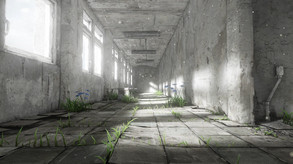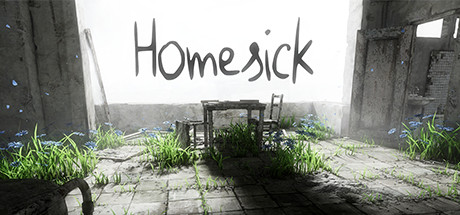
Explore an abandoned building, encountering puzzles and clues to discover what happened, as you try to escape in both your nightmares and the waking world. Be immersed in the hauntingly beautiful 3D atmosphere in this puzzle exploration mystery game.
Modeled estimate, not a reported figure. How we estimate →
Media

About
Genres
Stats
All-time low is the lowest price we've recorded for this game since we started tracking it.
Languages: English
Engagement
Hours played at review time, across 43 reviews with recorded playtime.
Reviews
Themes across 43 recent reviews and how positive each mention is. A keyword signal, not full sentiment analysis.
positive critical· bar length = how often the theme comes up
Reviews
Homesick, developed and published by Lucky Pause, is a haunting and introspective first-person puzzle game that turns an abandoned building into both a literal and emotional labyrinth. The player awakens in a crumbling apartment complex with no clear memory of who they are or why they are there. The building, long deserted and filled with signs of a lost civilization, feels almost alive—its hallways whispering remnants of stories that ended long ago. From the very first steps, the game envelops you in quiet desolation. There are no voices, no immediate threats, only sunlight filtering through cracked windows and the echo of your own footsteps. It’s an atmosphere that feels less like survival horror and more like a meditation on decay, memory, and loneliness. The game’s beauty lies in its simplicity. Each day, you explore the building, uncovering notes, deciphering coded messages, and solving environmental puzzles that gradually reveal how the world came to ruin. By night, the tone shifts. You are chased by creeping darkness through the same corridors you once examined in peace, forced to keep moving to avoid being consumed. This duality—serene discovery contrasted with anxious flight—gives Homesick a rhythm that mirrors the human experience of confronting the past. Daytime becomes a fragile reprieve where the player can think and breathe, while nighttime feels like a descent into the subconscious, full of fear and urgency. It’s a design choice that reflects the game’s themes more than its mechanics, reinforcing the feeling that you are confronting something within yourself as much as within the ruins. The environmental design is one of Homesick’s greatest achievements. The setting feels tangible, every piece of debris and peeling paint placed with intention. The light streaming through windows seems almost spiritual, bathing the dust-covered rooms in an ethereal glow that transforms the decay into something mournful yet beautiful. There’s a sense of time suspended, of a world caught between existence and oblivion. The visuals are paired with a delicate piano and cello score that underscores the atmosphere with melancholy restraint. The sound of dripping water, creaking floorboards, and the faint hum of electricity complete the immersive experience, drawing the player deeper into its quiet sadness. Lucky Pause’s attention to environmental storytelling allows the space itself to tell its own story, revealing as much through absence as through what remains. The puzzles in Homesick are deliberately woven into the environment rather than existing as abstract challenges. They involve restoring power to different parts of the building, manipulating levers and symbols, and piecing together fragmented text. The logic behind them is consistent, though occasionally obtuse, demanding close observation and patience. Each solved puzzle feels less like a test of skill and more like an act of restoration—of bringing light and understanding back into a place that has forgotten both. The player’s progress is slow, almost meditative, which suits the contemplative pacing but may frustrate those seeking more immediate satisfaction. The game’s deliberate slowness, including the character’s movement speed, reinforces the sense of weight and weariness that permeates the experience. You are not a hero storming through an apocalypse; you are a wanderer trying to make sense of what remains. Narratively, Homesick resists clear exposition. The story is pieced together through documents and environmental clues, leaving much open to interpretation. It’s a world that feels post-human, perhaps post-industrial, but the details are intentionally sparse. The building could be a metaphor, a dream, or the last remnant of a dying civilization. This ambiguity gives the game a literary quality, encouraging players to draw their own conclusions about what happened and what it means. Themes of isolation, memory, and the fragility of human progress run quietly beneath the surface. There is sadness in the discovery of a place that once held life and purpose, and a strange comfort in bringing light to its forgotten corners. The title itself, Homesick, captures the essence of the experience: a yearning for connection, belonging, and understanding in a world that no longer feels familiar. Still, Homesick is not without its shortcomings. Its brevity means that just as its mysteries begin to take shape, the experience ends, leaving a sense of incompletion. The movement speed and lack of a sprint function can make backtracking tedious, and a few puzzles rely too heavily on visual trial and error. Yet these flaws feel minor when weighed against the game’s emotional power. What Lucky Pause accomplished with a small team is remarkable—a deeply atmospheric work that prioritizes feeling over complexity, silence over spectacle. It asks players to slow down, to pay attention, and to find meaning in spaces where time has stopped. In the end, Homesick is less a traditional game and more an act of quiet reflection rendered interactive. It’s a meditation on ruin, renewal, and the fragile persistence of hope amid desolation. For players who value mood and atmosphere, it offers a rare kind of immersion—one that lingers long after the final light fades. Its world may be broken and silent, but within that silence lies something profoundly human: the need to remember, to rebuild, and to find beauty even in the remains of what once was home. Rating: 7/10
一周目通关。虽然游戏本身流程体量真的很小(一个小时多就玩完了) 但感觉其实漏掉了不少细节(就不剧透细节是什么了自己去玩一下就知道了) 解谜过程自由度相当的高,但由于游戏内部没有做太多文字指引有时候容易很迷茫,要养成多戳戳地图上小细节的习惯。整个通关流程剧情其实相当不明显,需要二周目去挖挖彩蛋。背景设定可以从流程细节里推测出来,不过主旨什么的对流程体验不太重要。 美术超级好评,即便你对这个世界观一头雾水这种氛围性质的美肯定是人类共通的。 音乐非常建议将ost收藏入歌单。 某种程度上被十年后core aethetics的流行给击中了。 个人觉得喜欢废墟美学的可以试试看。有点点绿色末日幻想的意思。 二周目可以回头去看看游戏里的文本。 顺带一提,进游戏之前记得检查一下键盘是英文输入,否则啥也干不了
Oyunun adını ve trailerını görünce evden bıkmışlıkla ilgili bir olay düşündüm. Ama aslında anlamı " ev özlemi " anlamına geliyormuş. Müzikleri, yıkık dökük sahnelerdeki görsel şölen...Bulmacalar zordu. Bazı noktalarda beynimin olmadığını fark edip üzülsem de, bazı kısımlarda bilge gibi davrandım. Kısa sürdü. Hemen geçti.
While the game would have otherwise COULD HAVE been good, there are two major issues with it. One plagues the vast majority of the "walking simulator" genre, and it's the snail waaaaaaaaaaaaaaaaaalking speed. The other multiplies it a hundred times. Once you get the very first nightmare and read the sign on the door ("keep the hall lights on"), reading every letter becomes really trivial, but rather time consuming. So you are just forced to waste time walking, and waste time reading... I dunno if at some point you get them auto-decoded, I dropped the game after going through about 15 full-size pages. ... Maybe it would have been worthwhile if they weren't smalltalk about nothing ...
优秀的步行模拟解密游戏!流程很短,但是音乐与美术都很棒,游戏讲述了一个悲伤的小故事,相当推荐!
还不错
I got exactly what I paid for
一般
The game is difficult to pick up and the advancements are not always straightforward, but the atmosphere is moving and tells a very specific story with no spoken dialect, no characters apart from your own self, and a simple yet poignant musical score that belies a sadness appropriate to the setting. The game is short, sweet, and deliberately slows you down to give you a chance to appreciate the aesthetics.
A slow, melancholic sort of game. I really liked it.
Related
Related
Trends
Modeled estimate over time, reconstructed from Steam's monthly review histogram.
Audience
Estimated from the language of this game's reviews — a proxy for where players are, not official Steam demographics.
Related
| Lullaby Days | $86.8K | 118 | 85% | $19.99 |
| Arcadian Atlas | $86.8K | 191 | 54% | $19.99 |
| TT Isle of Man: Ride on the Edge | $86.9K | 1.5K | 72% | $1.99 |
| KUUKIYOMI: Consider It | $86.8K | 602 | 78% | $4.99 |
| The Manga Works | $86.9K | 230 | 70% | $8.99 |
| Chonkers | $86.8K | 595 | 88% | $4.99 |