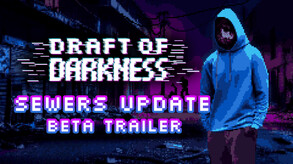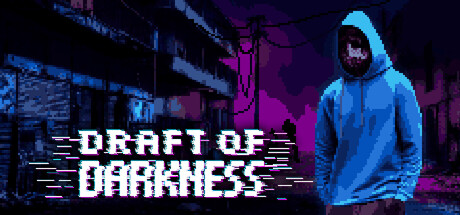
Draft of Darkness is a survival horror RPG with deck building and roguelike dungeon exploration. Recruit allies, synergize their decks to create powerful card combos. Manage your limited resources and explore procedurally generated maps to determine the story's outcome.
Modeled estimate, not a reported figure. How we estimate →
Media

About
Stats
All-time low is the lowest price we've recorded for this game since we started tracking it.
Languages: English, Simplified Chinese, Turkish, Japanese, Spanish - Spain, Portuguese - Brazil
Engagement
Hours played at review time, across 40 reviews with recorded playtime.
Reviews
Themes across 40 recent reviews and how positive each mention is. A keyword signal, not full sentiment analysis.
positive critical· bar length = how often the theme comes up
Reviews
Love this game so much. Wish I could start as one of the bunnies!
i never liked deck builder but this game was an expection it really is a good deck build but be warnned its very hard every small fight is like a boss fight (i like that)
挺好的,就是难度偏低
非常好玩的DBG资源管理游戏。难度适中,但是爽的地方很爽。我目前只感受到了探索剧情和BUILD的乐趣,没有体验到任何敌意设计。非常推荐。
最初に選択可能な人物にてノーマル難易度1回目のクリア。 最後はギリギリの勝利で、途中加入した仲間は生き残れず。 死んでも強化再スタートできるし、システムがわかる2回目以降はもう少し気楽に遊べそう。 レトロで雰囲気あるグラフィックが素晴らしい。
This is personally my favorite spin on the slay the spire formula and while it definitely was a hard sell with it's resource mechanics the micro managing and planning was some of my favorite gameplay. Although i will say the basic enemies are not as threatening as I would have hoped but that may be because of the normal difficulty. Severely underrated try it if it interests you.
Draft of Darkness, developed and published by Crawly Games, is a strikingly unconventional hybrid that merges roguelike exploration, survival horror sensibilities, and deckbuilding strategy into a single cohesive system. At a glance, it resembles other card-based roguelikes, but it quickly distinguishes itself through its oppressive tone and the constant pressure of resource scarcity. Set in a decaying world shaped by technological collapse and grotesque mutations, the game creates an experience where every decision carries weight, and survival is never guaranteed. The structure revolves around guiding a small group of survivors through procedurally generated locations, each run presenting a new arrangement of threats, opportunities, and limited supplies. Movement is deliberate and grid-based, emphasizing careful navigation rather than speed. Encounters transition into turn-based battles where cards dictate actions, from offensive attacks to defensive maneuvers and status effects. While this framework will feel familiar to fans of the genre, Draft of Darkness adds a crucial twist: most actions are tied to tangible resources such as ammunition or fuel. This transforms combat into more than just a matter of drawing the right cards—it becomes a constant balancing act between immediate survival and long-term sustainability. This resource-driven approach defines the game’s pacing and tension. Every fight forces the player to consider whether it is worth spending valuable supplies to secure a quick victory or conserving them at the risk of taking damage or losing control of the encounter. These decisions extend beyond combat, influencing exploration and overall strategy. Supplies are limited, and opportunities to replenish them are never guaranteed, creating a persistent sense of vulnerability. Even a strong run can unravel if resources are mismanaged, giving the game a harsh but compelling edge that sets it apart from more forgiving deckbuilders. Character management adds another layer of depth. Each survivor has their own deck and abilities, and combining their strengths effectively is key to success. Recruiting additional characters expands tactical possibilities, allowing for more complex synergies and strategies. However, this also increases the challenge of managing resources across multiple decks, as each character draws from the same limited pool of supplies. The system encourages experimentation, but it also demands careful planning, rewarding players who can adapt their approach based on the circumstances of each run. The game’s atmosphere plays a significant role in shaping the overall experience. Visually, it adopts a gritty, almost distorted aesthetic that reinforces its bleak setting. Environments feel hostile and decayed, populated by unsettling enemies that reflect the world’s underlying corruption. The art style, while not traditionally polished, is effective in creating a sense of discomfort. This is further enhanced by a subdued audio design that leans heavily on ambient sounds and minimalistic music, maintaining a constant undercurrent of tension. Together, these elements create a mood that is consistently oppressive, making even quiet moments feel uneasy. Narrative elements are delivered in fragments, scattered across encounters and environmental details rather than presented through a structured storyline. Themes of societal collapse, technological overreach, and human desperation are woven into the experience, but rarely explained outright. This approach encourages players to interpret the world on their own terms, gradually piecing together its history through repeated playthroughs. While this ambiguity adds depth for those who enjoy uncovering hidden meaning, it may feel distant or underdeveloped to players who prefer clearer storytelling. The roguelike structure ensures that no two runs play out the same, but it also introduces a level of unpredictability that can be both exciting and frustrating. Randomized layouts, encounters, and card draws create a dynamic experience, but they can also lead to situations where failure feels unavoidable. The game does little to soften these moments, embracing its difficulty as a core part of its identity. Progression between runs provides some sense of advancement, but it does not eliminate the risk of sudden setbacks, reinforcing the idea that each attempt is a fresh challenge. Despite its demanding nature, Draft of Darkness remains engaging due to the depth of its systems and the satisfaction that comes from mastering them. Building effective decks, managing scarce resources, and adapting to unpredictable scenarios create a rewarding loop for players willing to invest the time. It is not a game that offers immediate gratification; instead, it rewards patience, experimentation, and a willingness to learn from failure. Ultimately, Draft of Darkness is a bold and distinctive entry in the roguelike genre, one that prioritizes tension and strategy over accessibility. Its combination of mechanics creates a unique experience that stands out, even if it occasionally leans too heavily into punishing design. For players who enjoy challenging, system-driven gameplay with a strong atmospheric presence, it offers a compelling and memorable journey. For others, its steep difficulty and deliberate pacing may prove difficult to embrace. Rating: 8/10
This game actually has a lot of depth to it when it comes to unlocks, builds, strategy, and content. I would highly recommend giving it a few hours to allow the mechanics to start sinking in, making better plays, and then feeling the satisfaction when the game rewards you for your improved decision making.
惊了仔细一看25年年底还在更新,现在居然都出了官方中文。 十分优秀的组队打牌游戏,有着充足的职业类别和牌组机制。在体验RPG组队升级和打牌之间有着不错的平衡。隔壁欺诈之地玩不到的可以在这里玩到了说是(
Unbelievably good and a surprising gem of a game! Essentially this is a survival horror roguelike with card-based combat which is more than the sum of its parts. There is also a very satisfying meta progression layer with new characters, cards and lore to unlock. The graphics are suitably retro and fittingly disturbing (the enemies in particular are deliciously grotesque), just as the ambient sounds are eerie and stress-inducing. The story is a bit cryptic and convoluted but the strong deck building and resource gathering/exploration mechanics easily carry the game through. This is quite a difficult game to get into, it has a steep learning curve until you figure out what everything does but if you stick to it everything will eventually click and it starts to shine.
Related
Related
Trends
Modeled estimate over time, reconstructed from Steam's monthly review histogram.
Momentum
Pace estimated from the game's recent review growth (our daily snapshots) at its own sales-per-review ratio — a momentum signal, not booked sales.
Audience
Estimated from the language of this game's reviews — a proxy for where players are, not official Steam demographics.
Related
| Iron Marines Invasion | $123.7K | 363 | 68% | $14.99 |
| Steel Assault | $123.8K | 441 | 77% | $14.99 |
| Chinese Paladin:Sword and Fairy 6 | $123.8K | 391 | 54% | $14.99 |
| A Fistful of Gun | $123.7K | 490 | 62% | $9.99 |
| The Floor Above | $123.8K | 249 | 89% | $12.99 |
| Hoshizora no Memoria -Wish upon a Shooting Star- HD | $123.8K | 392 | 93% | $19.99 |
Related
| 7 Days to Die | $425.3M | 403.6K | 87% | $44.99 |
| Mount & Blade II: Bannerlord | $309.8M | 294K | 88% | $49.99 |
| Don't Starve Together | $164.7M | 539.5K | 95% | $14.99 |
| Mount & Blade: Warband | $101.9M | 171.6K | 98% | $19.99 |
| Darkest Dungeon® | $83.5M | 160.7K | 92% | $24.99 |
| Slay the Spire | $80.1M | 216.5K | 97% | $24.99 |