Dark Legions, developed by Silicon Knights and later reintroduced by SNEG, is a distinctive strategy title that blends turn-based planning with real-time combat in a way that still feels unusual even by modern standards. Originally released in the mid-1990s, it reflects a period when developers were experimenting with hybrid designs, and it stands out as one of the more successful attempts to merge tactical foresight with direct player control.
The game begins with an army-building phase that immediately establishes its strategic depth. Players are given a set amount of resources and must assemble a roster of units, each with unique abilities, strengths, and limitations. This stage is more than a simple setup—it defines your overall approach to the match. Whether you prioritize durability, speed, ranged attacks, or special abilities, your decisions here shape every encounter that follows. It introduces a layer of planning that rewards careful consideration, as there is no opportunity to adjust your army once the battle begins.
Once deployed, the game shifts into a turn-based format played across a grid-based battlefield. Movement, positioning, and terrain all play significant roles, creating a tactical layer that feels reminiscent of classic board games. Players must think several steps ahead, anticipating enemy movements and setting up favorable engagements. However, what truly separates Dark Legions from other strategy titles is how it handles combat resolution.
When opposing units meet, the game transitions into a real-time duel where both players take direct control of their units. This sudden shift in perspective transforms each encounter into a fast-paced battle of reflexes and timing. Success is no longer determined solely by strategic positioning, but also by the player’s ability to execute attacks, dodge incoming damage, and make quick decisions under pressure. This dual-layer system creates a unique tension, as even a well-planned move can fail if the player cannot perform effectively in combat.
The strategic depth extends beyond simple movement and combat. Terrain types influence how units perform, and environmental features can be used to gain an advantage. The presence of special items, traps, and unique abilities adds further complexity, encouraging experimentation with different tactics. One of the most important elements is the Orb Keeper, a critical unit whose defeat results in immediate loss. This creates a constant sense of risk, forcing players to balance offense with defense and making every decision feel meaningful.
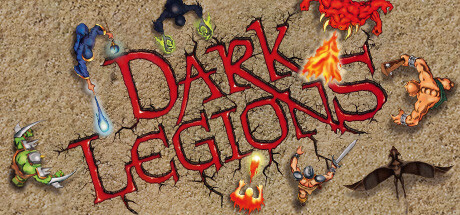
Visually, the game relies on detailed 2D sprites and clearly defined environments that prioritize readability over spectacle. While the graphics are undeniably dated, they remain functional and expressive enough to support the gameplay. Unit designs are distinct, making it easy to identify different types at a glance, and the battlefield layouts are varied enough to keep matches visually engaging. The audio design, while limited, complements the experience with fitting sound effects and a soundtrack that reinforces the game’s tone, even if it can become repetitive over time.
One of the game’s strongest aspects is its multiplayer component. Facing another human opponent elevates the experience significantly, as it introduces unpredictability and psychological depth that the AI cannot fully replicate. Matches become a blend of mind games and mechanical skill, with players trying to outthink each other on the strategic layer while also competing in real-time combat. This combination gives the game a level of replayability that extends well beyond its initial content.
Despite its strengths, Dark Legions is not without its drawbacks. The reliance on real-time combat means that players who prefer purely strategic experiences may find the reflex-based elements frustrating. Additionally, the controls during combat can feel dated, lacking the precision and responsiveness expected from modern games. The presentation, while functional, also reflects its age, and certain aspects of the experience—such as audio variety and interface design—can feel limited during extended play.
In the end, Dark Legions is a compelling example of a game that successfully merges two very different styles of play into a cohesive whole. Its combination of strategic planning and real-time execution creates a dynamic experience that remains engaging, particularly for players who enjoy both aspects equally. While its age and occasional rough edges are evident, its core design is strong enough to remain enjoyable and relevant within its niche.
Rating: 7/10