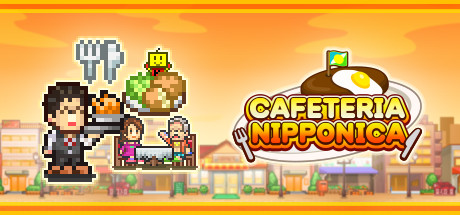
Cafeteria Nipponica, developed and published by Kairosoft Co., Ltd., is a charming restaurant management simulation that captures the studio’s signature blend of accessibility, depth, and retro personality. It places the player in charge of a small eatery with the simple goal of growing it into a culinary empire. From humble beginnings serving a few dishes to a handful of customers, you gradually transform your cafeteria into a bustling hotspot for food lovers through careful management of menu design, staff training, and strategic expansion. It’s a familiar formula for anyone who has played a Kairosoft title before, yet Cafeteria Nipponica refines it with a more grounded focus on the business of cooking, balancing creativity and management in a satisfying loop that’s as cozy as it is addictive.
The first thing that stands out about Cafeteria Nipponica is its unmistakable aesthetic. The pixel-art style, bright color palette, and animated customers give the game an immediate sense of warmth and nostalgia. Every element, from the sizzling stoves to the smiling patrons, contributes to an atmosphere that feels inviting and cheerful. The visual simplicity conceals a surprising amount of detail, especially in how the restaurant evolves as you expand and decorate it. The music complements this tone perfectly—a collection of light, upbeat tunes that make the hours slip by almost unnoticed. Together, the presentation creates an environment that feels like a virtual comfort zone, making even the most routine tasks feel rewarding.
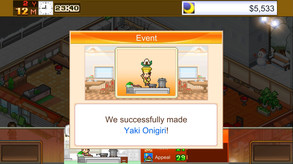
Gameplay is where Kairosoft’s knack for balancing casual fun and strategic thinking truly shines. You start with a small restaurant, a limited menu, and a skeleton crew of staff. From there, every decision matters: which ingredients to research, which dishes to improve, which staff members to train, and how to design your floor space to maximize efficiency and appeal. Cooking isn’t just about throwing ingredients together; each dish has attributes that affect its appeal to different customer types, and experimenting with ingredient combinations can uncover new recipes. The game’s research system encourages exploration and creativity, pushing players to discover new menu items and rare ingredients through foraging trips and culinary events. Watching your restaurant grow in popularity as you unveil new dishes and unlock achievements is deeply satisfying, a testament to the game’s rewarding feedback loop.
Another strong aspect of Cafeteria Nipponica is the progression system, which unfolds at a steady, deliberate pace. You begin serving a small town but eventually expand into new regions, each with its own customer demographics and challenges. The process of opening additional branches and managing multiple locations adds a satisfying layer of complexity without ever becoming overwhelming. The ability to customize restaurant layouts and decor further enhances the feeling of ownership, allowing you to craft a dining experience that reflects your personal playstyle. As your operation grows, so too does your roster of staff—each with different skills and personalities. Training them effectively becomes a key part of success, and watching them evolve alongside your restaurant fosters a sense of attachment rarely found in management sims of this scale.
However, the same slow-burn pacing that makes Cafeteria Nipponica relaxing can also test your patience. The early stages in particular can feel sluggish, as revenue trickles in and progress depends on waiting for research to complete or for customers to fill your limited seating. While later upgrades and expansions increase the tempo, the game’s core rhythm remains intentionally unhurried. It’s a simulation that rewards planning and efficiency more than speed, which some players will find meditative and others may find tedious. Once you’ve discovered most recipes and optimized your restaurant layout, the gameplay loop can also start to feel repetitive, with little incentive to experiment beyond maximizing numbers. The absence of meaningful setbacks or crises means that, for all its charm, the game lacks a real sense of tension or risk.
Yet even with these limitations, the appeal of Cafeteria Nipponica lies in its balance of simplicity and satisfaction. It’s the kind of game that rewards quiet attention to detail rather than constant action. Each small victory—unlocking a new recipe, attracting a VIP customer, or reaching a profit milestone—feels earned. The systems interlock neatly, ensuring that every part of your operation contributes to your progress. Even the occasional grind for research or upgrades feels less like a chore and more like part of the routine, much like the rhythm of a real restaurant business. Kairosoft’s talent for distilling complex management systems into approachable, bite-sized experiences is once again on full display here, making it easy to lose hours tinkering with menus and layouts while chasing that perfect five-star rating.
Cafeteria Nipponica also carries the trademark personality and humor that define Kairosoft’s best titles. Customers have quirky dialogues, staff members make amusing comments, and the game peppers its management screens with playful animations that keep things lighthearted. The cultural flavor of Japanese food culture permeates every aspect of the design, giving the game an identity distinct from Western management sims. There’s something endearing about seeing your chefs bow before serving a dish or watching customers cheer after a successful food festival. It captures the essence of hospitality and the joy of feeding people, turning what could have been a dry business simulator into something almost heartwarming.
As with most Kairosoft games, the Steam version benefits from the transition to PC while maintaining the charm of its mobile origins. The controls translate well, and the larger display makes it easier to manage multiple elements at once. The lack of time constraints and failure states makes it a game you can return to casually, dipping in and out as you build your culinary empire at your own pace. It’s not a title that demands intensity—it invites you to unwind, plan, and savor progress one dish at a time.
Ultimately, Cafeteria Nipponica embodies the philosophy that has made Kairosoft a beloved developer among simulation fans: an approachable, colorful, and surprisingly intricate experience built around a single idea executed with care. It may not reinvent the genre or offer the high-stakes depth of more complex management titles, but its charm, polish, and steady sense of growth make it a rewarding experience for players who enjoy the meditative rhythm of incremental success. For anyone with a fondness for tycoon-style games, pixel aesthetics, or simply the satisfaction of watching a small business flourish, Cafeteria Nipponica is an irresistible and flavorful experience—one that, like a well-cooked meal, feels both comforting and complete.
Rating: 8/10