Find ingredients, make menus, and run your own restaurant in this sizzling sim!
Modeled estimate, not a reported figure. How we estimate →
Media
About
Genres
Stats
All-time low is the lowest price we've recorded for this game since we started tracking it.
Languages: English, Simplified Chinese, Traditional Chinese, Japanese, Korean, Thai
Engagement
Hours played at review time, across 43 reviews with recorded playtime.
Reviews
Themes across 43 recent reviews and how positive each mention is. A keyword signal, not full sentiment analysis.
positive critical· bar length = how often the theme comes up
Reviews
全成就全食谱完美通关 怀石料理永远的神
开罗出品,必属精品!
34.5h全成就通关,能感觉到是比较早期的开罗作品。此作属于重经营轻布局类型,店铺的空位置只能固定放系统给的对应餐桌或者装饰物,总共5个地图,可以开3个分店。玩法上主要以开发菜谱为主,不断尝试搭配食材解锁菜品,或者针对某一菜品不断升级研究。整个游玩过程前期很累,后期没啥事干但是时不时又会跳出来时间要点一下,但整体来说还是很适合放置,适合上班的时候摸鱼玩。如果把大块的空闲时间专心放到这部上会觉得很无聊。
可玩性在全成就的二十年的前十六年 提高可玩性的效率大招—— ①店员 不要特殊!纯费钱无用 大厅看速度,不看魅力,再多的魅力也没有一道后期大菜有用,只要从见习员工升级到管理人员即可,省成本。 厨房看烹饪,毕业菜是怀石料理,路线:见习-(有眼光)-中餐-日餐,能够找食材+省成本。 小型+中型,只需要2内2外,大型可2内3外/4外 招募的人手尽量招进来,活力条的重要性不大,扩建+人数堆积才是探索的唯一解,平时不用的员工放在休息室,等到探索拎出来,嫌烦的,可以直接放着,只要保证付完工资不破产即可 ②布置 不要装满,生物在1/2的K处最有活力,餐厅亦然,布置一半最省成本。 除了开头和开新店,尽量不买家具,全靠探索,省钱继续探索。 免得落入买座位-找人手-付工资-破产的倒霉链 最省迁店路线:点一到点四,点二到点五,点一/点二只到中型店,不要扩建成大型店 ③菜品 菜单只放一样,减少进价。 菜谱抓住蛋包饭,炸串和怀石料理 金箔探索(点五第一个的前两次,第二个的第一次,能够凑齐怀石料理前四次升级) 新菜能做就做,不做拉倒,【能够延长游戏寿命】,优先完成赚钱项 可以照指南的攻略做菜,免得试不出新菜心情不好,PS:里面一道菜错了,鲔鱼饭=米饭+酱油+美味鱼 总菜谱有七十几个(?),有一些菜拿不到也能完成成就,可放可不放,全看个人 ④成就 需要注意的金开罗在探索最后一个的最后一个宝箱 ⑤进程 建议在选项里选择高速,免得等的烦,这款游戏的参与度不大,可以在旁边干点别的事。 计划优先扩建,迁店和南瓜商人,新客户找便宜的,招待等后期毕业菜成型,一个月一个。
[h1][b]把独创的珍馐变为经营的常饩:开罗美食经营的标杆作[/b][/h1] 说在前面:相比于其他美食经营开罗聚焦于某一个专题,本作直接开放了美食全图鉴,可以选择不同的初始菜单。游戏的目的是开遍分店,这和拉面物语是相近的,虽然本作也有菜单系统,但是研发的步骤会比较简单,本作侧重经营,菜谱多以材料复合进行制作,不会涉及各种工序或者对于比例调配的更多步骤。 [h2][b]梦的起点:一号店白手起家[/b][/h2] 经营计划就是各种行动,初期就是从招聘店员开始,本质上就是哪里红点点哪里的开罗式事件;设施摆放比较简单,空缺的栏位会用光框标出,玩家只需要在对应栏目中填选相应设施即可。而且本作设施似乎没有维护费,所以经营基本上靠可以做到只赚不赔的。 本作比较有趣的是开发新菜单的流程,在选项中需要先选择“担当”即做菜者,他们的“研究能力”决定后续菜单能用多稀罕的食材,研究相当于是星级上限,而开发菜品还需要选择菜单以及至多两份食材,这些都需要消耗对应的研究能力,因此,研究能力就等于水桶的边缘高度,其越高,所能使用的食材种类,尝试的菜单种类也就越繁复。除此之外,设置好这四个门类之后就可以预览菜品的“完成预期”,这个图表有点类似LOL赛后的数据雷达图,分别对于八个关乎菜品的维度进行可视化呈现,同时下部还有专业简评,比如说,创设的菜品香味的数值较高,此时评论将会是“香味很不错”,相比于《拉面物语》手把手地完成拉面的一生(从发面到调汤再到制面),本作的美食搭配就比较多样而且简明了。 菜单的开发只会在餐馆打烊后进行,可谓是时间管理统筹的极致。后台研发的时候,如果菜单和食材相性极佳,最终的成品数值也会非常高。而且如果按照特定食谱(食谱的获取一般是通过经营计划里面部分事件可以获得)进行创作,可以直接作出新品类的菜,而非单纯对既有菜品进行数值提升。 开发出的餐品有两用,可以直接选择更为优秀的菜品作为菜单上陈展的商品,供客人食用,被淘汰的菜品可以被当作赠送餐点,辅助员工强化。 初期建议一定至少要留够200G币,该类储备金是为了后续触发“寻觅食材”事件的准备金,在第一年的七月,我们可以外出寻觅新食材,但是一定要预缴外出费用,随着员工外出的快速探索(一年可访求四次),基本上可以带回来一些新食材,此时便形成了开罗经典的良性循环“有食材——可研发——赚更多钱——外出弄更多食材”。 对同一地点寻访多次,可能会触发宝箱,宝箱里面可能有新品类的设施,比如一套新桌椅,其对特定客群会有更好的招徕效果。 如果错过寻访在野食材的佳期,那么不妨前往常驻的阿南商会迳行购买食材,只是可选食材的种类相对局限一些。 员工强化除了依靠赠送餐点之外,日常经营中的努力工作也可让其等级提升,从而更为游刃有余。特有技能是无法更改的,但是另有两个可被替换的技能,因此到了后期店铺越多,员工可各有专精,然后依其才能拔擢至不同分店。 [h2][b]商业版图:连锁店的流水线管理[/b][/h2] 游戏性的衰减主要还是在分店开设之后,本质上还是比较照搬初号店的运营逻辑进行复制黏贴,但是本作的正反馈衰减我认为是比《拉面店物语》要慢的,因为拉面店物语的鼠标点击量太大了(或者说也是开罗近作有些江郎才尽的感觉,通过迎合快节奏以及大量点击的事件处理,反而让玩家游玩中更快识破本质,从而热情退却),在分店开设之后就是批量化操作了。 [h2][b]无功无过:很有典色的开罗经营[/b][/h2] 相比于目前新作大部分都强调过多的元素融合,复古的本作倒是清单了很多,犹如[u]塞尔达旷野之息[/u]之于[u]王国之心[/u],旷野之息也相对更为清隽,本作有其自己独特的清欢味道。我认为本作是pc端移植比较出彩的,适合一入。 [quote] 恭请雅鉴 [url=https://store.steampowered.com/curator/45531068/]黑白测评[/url] [hr]黑夜显真 白昼辨伪
重复度最高的开罗游戏之一,2小时后都是都是垃圾时间,也是一周目不能高速的作品之一
2011년에 처음 출시된 게임인 만큼, 현시점에서 바라보면 꽤 오랜 세월이 흐른 고전 타이틀입니다. 오히려 그 세월의 깊이만큼 레스토랑 경영의 기본기에 충실한 담백한 재미를 오롯이 품고 있습니다. 식재료를 공수해 신메뉴를 개발하고, 요리의 질을 높여 손님을 끌어모으며 가게를 성장시키는 일련의 과정은 마치 기교 없이 푹 끓여낸 국밥 한 그릇처럼 든든하고 깊은 만족감을 선사합니다. 화려한 그래픽과 복잡한 시스템으로 치장한 최신 게임들의 홍수 속에서, 속을 편안하게 달래주는 정통 타이쿤 고유의 깊은 맛을 찾고 계신다면 적극적으로 추천하는 수작입니다.
配方系统有些过于不当人了,搞活动和探索食材甚至能拿到重复的配方你敢信。
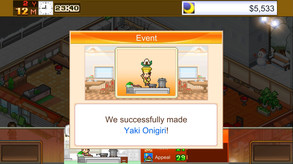
Cafeteria Nipponica, developed and published by Kairosoft Co., Ltd., is a charming restaurant management simulation that captures the studio’s signature blend of accessibility, depth, and retro personality. It places the player in charge of a small eatery with the simple goal of growing it into a culinary empire. From humble beginnings serving a few dishes to a handful of customers, you gradually transform your cafeteria into a bustling hotspot for food lovers through careful management of menu design, staff training, and strategic expansion. It’s a familiar formula for anyone who has played a Kairosoft title before, yet Cafeteria Nipponica refines it with a more grounded focus on the business of cooking, balancing creativity and management in a satisfying loop that’s as cozy as it is addictive. The first thing that stands out about Cafeteria Nipponica is its unmistakable aesthetic. The pixel-art style, bright color palette, and animated customers give the game an immediate sense of warmth and nostalgia. Every element, from the sizzling stoves to the smiling patrons, contributes to an atmosphere that feels inviting and cheerful. The visual simplicity conceals a surprising amount of detail, especially in how the restaurant evolves as you expand and decorate it. The music complements this tone perfectly—a collection of light, upbeat tunes that make the hours slip by almost unnoticed. Together, the presentation creates an environment that feels like a virtual comfort zone, making even the most routine tasks feel rewarding. Gameplay is where Kairosoft’s knack for balancing casual fun and strategic thinking truly shines. You start with a small restaurant, a limited menu, and a skeleton crew of staff. From there, every decision matters: which ingredients to research, which dishes to improve, which staff members to train, and how to design your floor space to maximize efficiency and appeal. Cooking isn’t just about throwing ingredients together; each dish has attributes that affect its appeal to different customer types, and experimenting with ingredient combinations can uncover new recipes. The game’s research system encourages exploration and creativity, pushing players to discover new menu items and rare ingredients through foraging trips and culinary events. Watching your restaurant grow in popularity as you unveil new dishes and unlock achievements is deeply satisfying, a testament to the game’s rewarding feedback loop. Another strong aspect of Cafeteria Nipponica is the progression system, which unfolds at a steady, deliberate pace. You begin serving a small town but eventually expand into new regions, each with its own customer demographics and challenges. The process of opening additional branches and managing multiple locations adds a satisfying layer of complexity without ever becoming overwhelming. The ability to customize restaurant layouts and decor further enhances the feeling of ownership, allowing you to craft a dining experience that reflects your personal playstyle. As your operation grows, so too does your roster of staff—each with different skills and personalities. Training them effectively becomes a key part of success, and watching them evolve alongside your restaurant fosters a sense of attachment rarely found in management sims of this scale. However, the same slow-burn pacing that makes Cafeteria Nipponica relaxing can also test your patience. The early stages in particular can feel sluggish, as revenue trickles in and progress depends on waiting for research to complete or for customers to fill your limited seating. While later upgrades and expansions increase the tempo, the game’s core rhythm remains intentionally unhurried. It’s a simulation that rewards planning and efficiency more than speed, which some players will find meditative and others may find tedious. Once you’ve discovered most recipes and optimized your restaurant layout, the gameplay loop can also start to feel repetitive, with little incentive to experiment beyond maximizing numbers. The absence of meaningful setbacks or crises means that, for all its charm, the game lacks a real sense of tension or risk. Yet even with these limitations, the appeal of Cafeteria Nipponica lies in its balance of simplicity and satisfaction. It’s the kind of game that rewards quiet attention to detail rather than constant action. Each small victory—unlocking a new recipe, attracting a VIP customer, or reaching a profit milestone—feels earned. The systems interlock neatly, ensuring that every part of your operation contributes to your progress. Even the occasional grind for research or upgrades feels less like a chore and more like part of the routine, much like the rhythm of a real restaurant business. Kairosoft’s talent for distilling complex management systems into approachable, bite-sized experiences is once again on full display here, making it easy to lose hours tinkering with menus and layouts while chasing that perfect five-star rating. Cafeteria Nipponica also carries the trademark personality and humor that define Kairosoft’s best titles. Customers have quirky dialogues, staff members make amusing comments, and the game peppers its management screens with playful animations that keep things lighthearted. The cultural flavor of Japanese food culture permeates every aspect of the design, giving the game an identity distinct from Western management sims. There’s something endearing about seeing your chefs bow before serving a dish or watching customers cheer after a successful food festival. It captures the essence of hospitality and the joy of feeding people, turning what could have been a dry business simulator into something almost heartwarming. As with most Kairosoft games, the Steam version benefits from the transition to PC while maintaining the charm of its mobile origins. The controls translate well, and the larger display makes it easier to manage multiple elements at once. The lack of time constraints and failure states makes it a game you can return to casually, dipping in and out as you build your culinary empire at your own pace. It’s not a title that demands intensity—it invites you to unwind, plan, and savor progress one dish at a time. Ultimately, Cafeteria Nipponica embodies the philosophy that has made Kairosoft a beloved developer among simulation fans: an approachable, colorful, and surprisingly intricate experience built around a single idea executed with care. It may not reinvent the genre or offer the high-stakes depth of more complex management titles, but its charm, polish, and steady sense of growth make it a rewarding experience for players who enjoy the meditative rhythm of incremental success. For anyone with a fondness for tycoon-style games, pixel aesthetics, or simply the satisfaction of watching a small business flourish, Cafeteria Nipponica is an irresistible and flavorful experience—one that, like a well-cooked meal, feels both comforting and complete. Rating: 8/10
开罗第一个全成就献给美食梦物语。 这是我对开罗的初印象,让我爱上了萌萌的像素小人,也喜欢上了经营做饭小游戏。 小时候在妈妈手机上玩吃货大食堂,感觉玩得非正版?不知道为什么结算时间总是很早,开第二个分店不久就会结算,还总是给店员结算工资到破产。 这是我第一次成功通关美食梦物语,拿到了铜奖杯。是我第一次把一个厨师升到了五星大厨(徐吉没错就是你我的嫡长厨!),第一次把一个菜升到全SSS(活体刺身你好贵!),第一次把开到三个点,并且在所有地点都升到了第一名餐厅(大众点评yes),第一次赚了很多钱(16年结算的时候70w+ )。 特别喜欢开罗的像素风,喜欢观察餐厅里的小人在干什么,餐厅外面大排长龙里面不结账的时候恨不得自己上手干。玩开罗真的好治愈! 开罗30周年快乐! 要一直玩开罗!
Related
Related
Trends
Modeled estimate over time, reconstructed from Steam's monthly review histogram.
Momentum
Pace estimated from the game's recent review growth (our daily snapshots) at its own sales-per-review ratio — a momentum signal, not booked sales.
Engagement
DAU/MAU are modeled from peak concurrent players (≈×8 and ×28) — Steam publishes no active-user counts, so treat these as rough estimates, not reported figures.
Audience
Estimated from the language of this game's reviews — a proxy for where players are, not official Steam demographics.
Related
| Eagle Island Twist | $47.3K | 230 | 79% | $9.99 |
| Training Lucie | $47.3K | 324 | 90% | $9.99 |
| A Street Cat's Tale | $47.3K | 341 | 93% | $4.99 |
| Cynthia: Hidden in the Moonshadow | $47.3K | 163 | 78% | $13.99 |
| Re-Legion | $47.3K | 197 | 62% | $9.99 |
| DYING: Reborn | $47.3K | 216 | 77% | $12.99 |