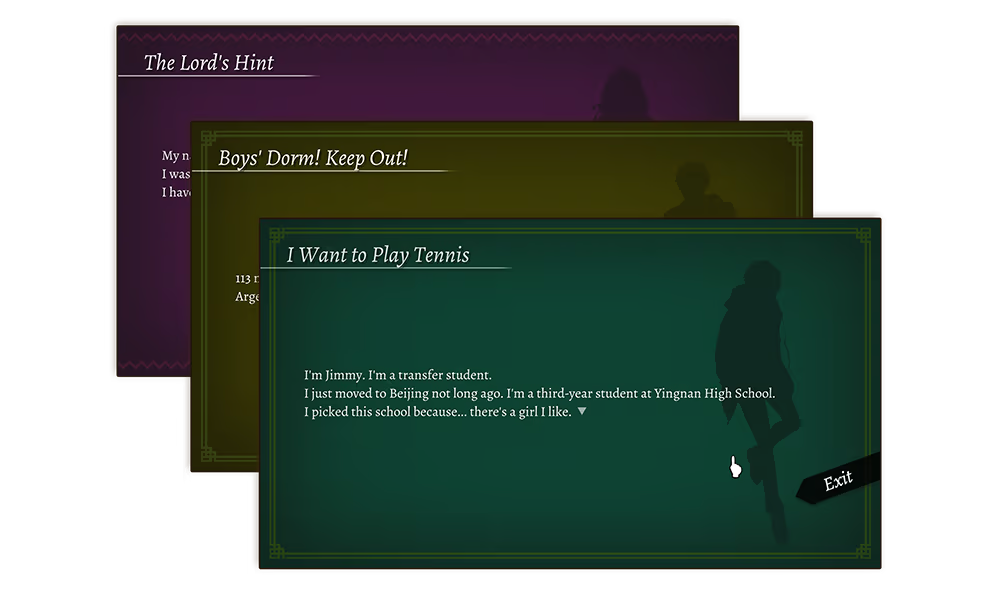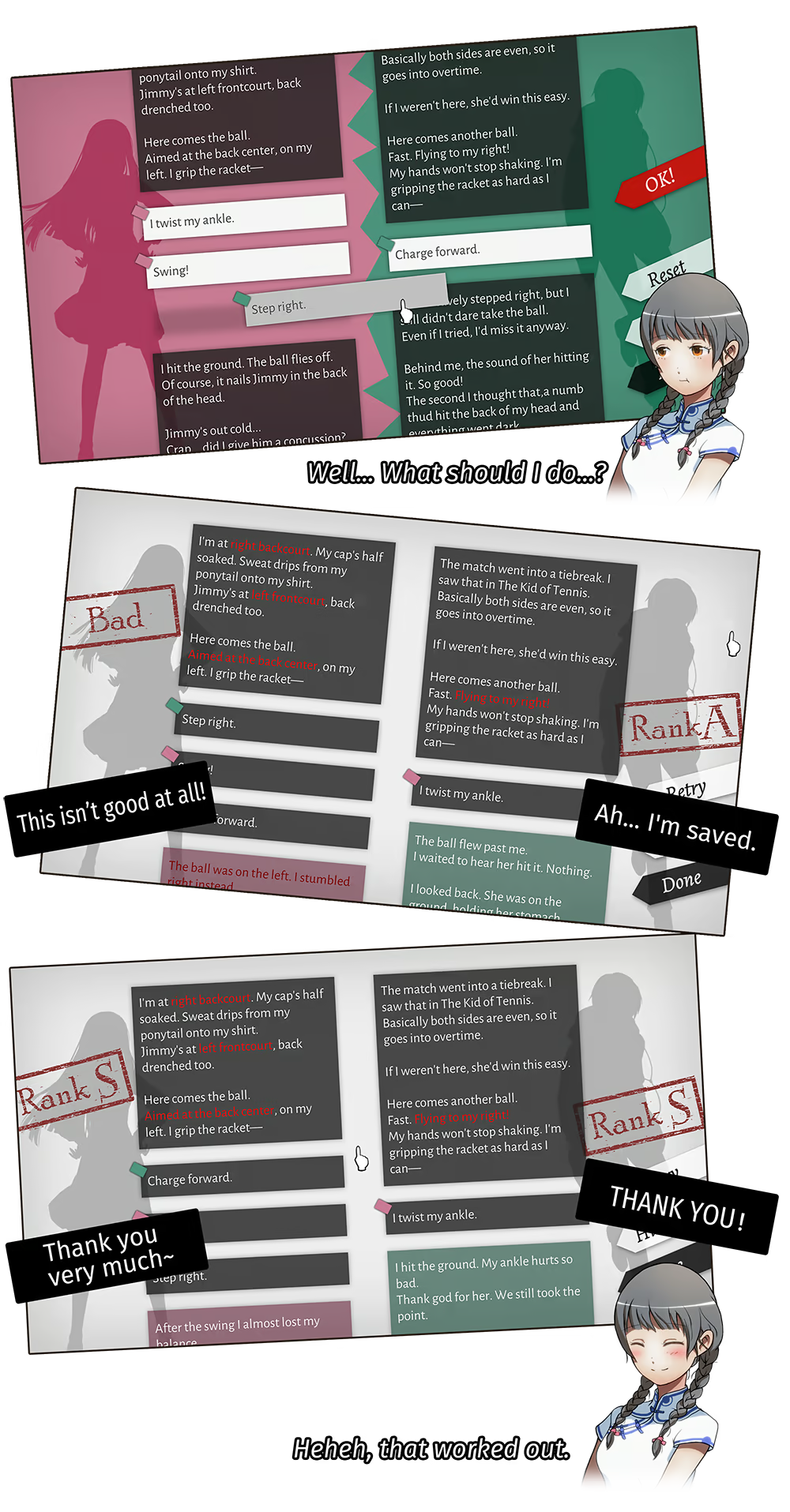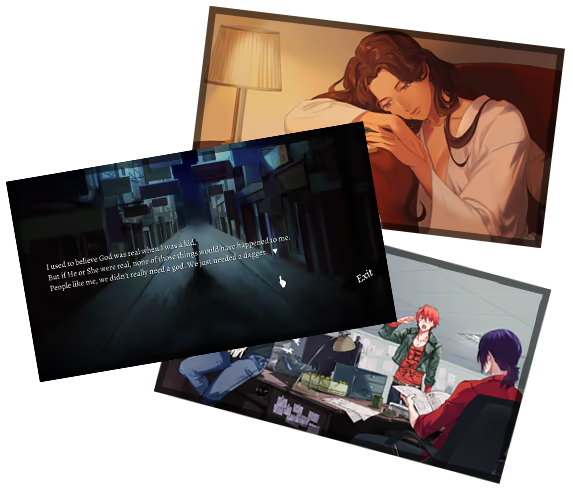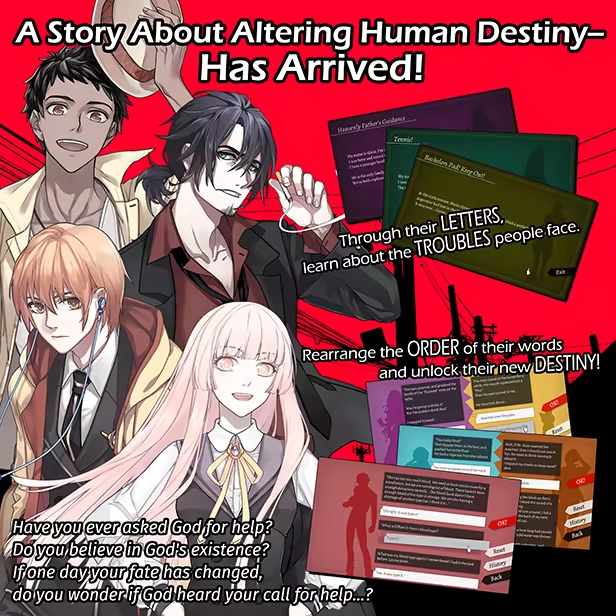
Become a god and help change the fate of people, even the world! In WILL: A Wonderful World, you will receive letters written by characters living in urban cities. By rearranging the order and combinations of sentences in these letters, you are going to alter the destiny of whomever that wrote them.
Modeled estimate, not a reported figure. How we estimate →
Media

About


Genres
Stats
All-time low is the lowest price we've recorded for this game since we started tracking it.
Languages: Simplified Chinese*, English, Japanese, Traditional Chinese, Russian, Spanish - Spain, French*languages with full audio support
Engagement
Hours played at review time, across 42 reviews with recorded playtime.
Reviews
Themes across 41 recent reviews and how positive each mention is. A keyword signal, not full sentiment analysis.
positive critical· bar length = how often the theme comes up
Reviews
通过调整文字顺序来改变剧情是一个很好的点子,交织的多线群像搭起了一个不错的框架,但最终呈现实在是难说满意。 前期还能感觉调整顺序存在一定的逻辑性和推理引导,中期开始就纯粹是个排列组合了......虽然这种体验倒是和世界观设定有些呼应,但依然让人不适,纯粹的排列组合还让这部作品本来就不是很有分量的文字更加薄弱了。频繁的阶段性结局和多视角切换也让整个游戏始终无法带来一个恰当的情绪流。 作为一部以改命为核心的游戏,却并没有给大部分角色安排好结局,甚至包括主视角的两位,有种白忙活的感觉。我当然可以理解这么做的用意,但这部游戏的叙事并没有达到让它在情感上立住的水平,让玩家打通剧情游戏却缺乏结局感也可以说是相当失败了。只能说很可惜,能力配不上创意。
玩法很有新意,剧情挺精彩,但总觉得还能再优化。作者既然要表达蝴蝶效应的影响(也就是 不是每个结局都要打到s才是好的),是否可以让每个角色多几个结局呢?比如朴君小时候被中了彩票的爸爸接了回去,没有被x侵,最后没有成为pi,也就不会坐牢,卡洛斯缺了一个pi,他越狱失败,也就见不到姐姐;基仔街机比赛中没有打赢小孩,也就不会被造谣,遇不到pi,但会接受父母的安排相亲找工作,或者是发觉游戏挣不了钱决定开始认真工作;李雯错过文老师,但在杨老师的关心下慢慢走出阴霾,遇到新人?
好玩,就是同一封信有些不同结局文字区别太小,有时有点无聊,全收集强迫症现在有点疲惫了 顺带一提,我说千早爱音是邦邦世界线李雯有没有懂的(
9年前看小枫玩,如今上手才发现是一款不可多得的国产文字游戏,游戏里每个人物都有细微联系,所以我尽力都想打出s结局。但你认为好结局后续会变成坏结局,所以达不成好结局,也就没有美好世界。但真正的乐趣正是从每个看似不那么好的结局选择, 从而为最后铺垫。主线剧情有点小反转。总体来说能看懂,至少没那没牵强emm。期待新作0v0 (我最喜欢的李雯线完结的太快了……)
题材足够新颖,更改文字顺序来解密至少我第一次见。剧情很多人说一般我倒是觉得还不错。一分扣在谜题的设置过于晦涩,很多解法即使我看了攻略我也无法理解,个人游玩时大部分时候也是在哪里排列组合
WILL: A Wonderful World is a remarkably creative visual novel that combines emotional storytelling with puzzle-solving mechanics in a way that feels genuinely fresh and memorable. While its anime-inspired presentation may initially suggest a conventional narrative adventure, the game quickly reveals itself as a dark and emotionally complex experience centered around fate, suffering, and human connection. Instead of simply guiding players through branching dialogue choices, it turns storytelling itself into an interactive puzzle where rearranging events can dramatically alter the lives of multiple characters. This unusual concept gives the game a unique identity that separates it from most traditional visual novels. The story revolves around a mysterious girl named Will who awakens in an unfamiliar world alongside a talking dog named Willy. Together, they begin receiving desperate letters from people facing difficult and often tragic situations. Will possesses the ability to alter human destiny by changing the sequence of events within these letters, allowing players to influence outcomes ranging from hopeful recoveries to devastating tragedies. The central mechanic revolves around rearranging text fragments and story events in order to produce different results. A small adjustment in timing or circumstance can completely change a character’s future, which creates a fascinating blend of narrative experimentation and puzzle solving. What makes the game particularly engaging is how interconnected the stories become over time. At first, each character appears to exist within their own isolated storyline, but the deeper the narrative progresses, the more these separate lives begin influencing one another in unexpected ways. Choices made for one person can ripple outward and affect completely different characters later in the game. This interconnected structure gives the experience a strong sense of mystery because players gradually uncover hidden relationships and larger narrative patterns beneath seemingly unrelated scenarios. The writing is easily the strongest aspect of the game. WILL: A Wonderful World explores a wide range of mature themes including loneliness, depression, violence, regret, trauma, abuse, and desperation. Many storylines are emotionally difficult and intentionally uncomfortable, forcing players to confront situations where there are no perfect answers. The game does not shy away from tragedy, but it also balances its darker moments with scenes of compassion, hope, and emotional warmth. Characters feel believable because they are deeply flawed and vulnerable rather than idealized anime archetypes. Their struggles often feel painfully human, which makes their successes and failures emotionally powerful. The puzzle mechanics integrate naturally into the storytelling rather than feeling disconnected from it. Rearranging story segments requires players to pay close attention to emotional context, character motivations, and subtle narrative clues. Some solutions are straightforward, while others demand careful experimentation and interpretation. The puzzles become increasingly complex as more characters and timelines overlap, creating situations where solving one person’s problem may unintentionally harm someone else. This constant balancing of consequences gives the game a unique emotional tension rarely seen in visual novels. Visually, the game adopts a clean anime-inspired art style focused mainly on expressive character portraits and illustrated scenes. While the presentation is relatively simple compared to larger-budget visual novels, the artwork succeeds because it effectively conveys mood and emotion. Facial expressions and visual framing often add significant emotional impact during important moments. The interface is also designed clearly, making it easy to track story branches and revisit previous decisions without becoming overly complicated. The soundtrack contributes heavily to the game’s atmosphere. Quiet piano melodies, melancholic themes, and emotionally charged compositions support the narrative extremely well. Music shifts naturally between comforting moments and darker scenes, helping reinforce the emotional weight of each storyline. Even during long dialogue-heavy sections, the soundtrack helps maintain immersion and emotional momentum. One of the game’s most impressive qualities is its willingness to take narrative risks. The story constantly introduces morally difficult situations, shocking twists, and emotionally uncomfortable revelations that challenge player expectations. Certain scenes become genuinely disturbing, particularly when dealing with subjects like psychological trauma or self-destructive behavior. The game’s emotional intensity can occasionally feel overwhelming, but that willingness to explore difficult themes also gives the narrative far more impact than many safer visual novels. However, the game is not without flaws. The puzzle structure, while innovative, can occasionally become frustrating during later chapters. Some solutions rely on very specific interpretations of event ordering that may not feel immediately logical, leading to moments of trial and error rather than satisfying deduction. As the narrative web becomes increasingly complicated, certain puzzles lose some of the elegant simplicity that made earlier sections so engaging. The pacing can also feel uneven at times because the story constantly jumps between multiple protagonists and timelines. Certain character arcs disappear for long stretches before returning later, which can occasionally disrupt emotional momentum or make it difficult to remember earlier details. Players expecting a lighter or more romantic visual novel may also be caught off guard by how dark and emotionally heavy many storylines become. Despite these issues, WILL: A Wonderful World succeeds because of its originality and emotional ambition. Few games manage to blend narrative experimentation and puzzle-solving so seamlessly while also maintaining such strong emotional impact. The game constantly encourages players to think carefully about morality, consequence, and the fragility of human lives while still leaving room for hope and redemption. What ultimately makes the experience unforgettable is the feeling of responsibility it creates. Every letter represents someone struggling with fear, regret, loneliness, or despair, and the player becomes directly involved in reshaping those lives through seemingly small decisions. That emotional involvement gives the game a level of immersion that many visual novels never achieve. WILL: A Wonderful World is not always easy to play emotionally, and its complex puzzle structure may occasionally frustrate some players, but its storytelling ambition and creative design make it one of the most distinctive narrative experiences available on Steam. Its combination of emotionally charged writing, interconnected storytelling, and meaningful puzzle mechanics creates a deeply memorable experience that lingers long after the final ending. Rating: 9/10
为了童年回忆补票的,好评给到现在看来还不过时的美术资源和虽然很少但制作精妙的原创音乐以及新奇的玩法。除此之外我完全同意看过的这游戏的大部分差评(例如部分剧情逻辑崩坏和针对女性儿童细致描写却无任何预警的性虐待情节,阿莉西亚太惨了),很多地方是为虐而虐完全感受不到编剧是抱着对人物的同情写下的剧本...颇有将苦难猎奇景观化的令人不适之感。但总的来说制作还算精良加上童年滤镜还是推荐一下。
this is one of my favourite games ever made. the interwining storylines, the heartbreak, the love, it's a truly human story. i only wish i could forget the whole plot and experience it all over again from scratch.
好玩~~
玩法可能有點意思,但劇情…我不知道因為我已經被戀童癖甚至有強迫情節、莫名其妙師生戀、拉肚子配上音效、某女角被拐賣2.3次甚至成了**的這些劇情嚇到卸載遊戲了,謝囉製作組
Related
Related
Trends
Modeled estimate over time, reconstructed from Steam's monthly review histogram.
Audience
Estimated from the language of this game's reviews — a proxy for where players are, not official Steam demographics.
Related
| Anger Foot | $1.7M | 4K | 93% | $19.99 |
| Natural Selection 2 | $1.7M | 13.4K | 85% | $4.99 |
| Eador. Masters of the Broken World | $1.7M | 2.8K | 68% | $19.99 |
| Civilization IV: Beyond the Sword | $1.7M | 5K | 96% | $9.99 |
| Aeruta | $1.7M | 2.4K | 95% | $19.99 |
| TRYP FPV: Drone Racer Simulator | $1.7M | 3.1K | 86% | $16.99 |