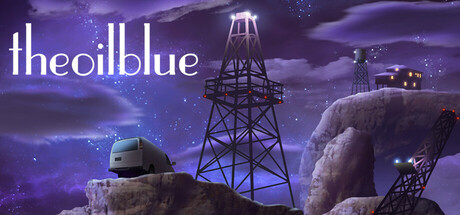
It is the future, and the world is in grave need of oil. You and a crew have set off into the ocean, reclaiming old island drilling sites for oil production as you work for the UOO, the biggest oil supplier in the world. The working conditions are dire. You have no choice.
Modeled estimate, not a reported figure. How we estimate →
Media

About

Genres
Stats
All-time low is the lowest price we've recorded for this game since we started tracking it.
Languages: English
Engagement
Hours played at review time, across 40 reviews with recorded playtime.
Reviews
Themes across 40 recent reviews and how positive each mention is. A keyword signal, not full sentiment analysis.
positive critical· bar length = how often the theme comes up
Reviews
This game is one of the best cheap games ive seen so far. the art is amazing and its relatively simple. its not the type of game for everyone but if you like time management games this is defiantly gonna need to be on your wishlist.
BEAUTIFUL ASS ART FOR A SUPER OBSCURE GAME ALWAYS REMEMBERED IT CAUSE OF NICE COLOURS. STILL THINK ABOUT IT EVERY SO OFTEN GG OIL BLUE
Amazing game, if you can make it to paying for repairs it becomes even funner!
When the tutorial convinces you that the game sucks. My rating 2/10, not recommended.
The Oil Blue: Steam Legacy Edition è un gioco che non sta totalmente nlle mie corde... una bella storia che poteva essere sviluppato un videogioco completamente diverso, ma hanno scelto questa specie di manegment strategico davvero brutto.
The Oil Blue is a distinctive and meditative simulation game developed and published by Vertigo Gaming Inc., the studio best known for its later culinary management series Cook, Serve, Delicious. Originally released in 2010 and later brought to Steam as a Legacy Edition, the game blends elements of time management, industrial strategy, and economic simulation within a haunting, near-future vision of the oil industry. The premise is deceptively simple — as an operator for the United Oil of Oceania, you are tasked with reclaiming and managing offshore drilling stations scattered across the ocean. But beneath that premise lies a slow-burning and surprisingly immersive experience that turns the grind of resource extraction into a strangely atmospheric ritual of maintenance, timing, and efficiency. At its core, The Oil Blue is about running multiple drilling machines at once across limited windows of time, each with its own mechanics, limitations, and risks. You arrive at a new island, start up its aging rigs, and must meet a set production quota before your contract expires. Each machine — whether a groundwell, pumpjack, or derrick — has its own rhythm. Some require delicate balance between pressure and temperature, while others demand quick reaction to repairs, energy management, or manual calibration. Operating them successfully requires attention and rhythm; the player is constantly shifting focus between machines, repairing one while fine-tuning another. Every day that passes adds to the pressure, and as the time ticks down, you’re forced to make tough choices — whether to risk overdrilling for higher yields or play it safe to avoid damaging your equipment. It’s a constant juggling act, and the challenge lies less in outright difficulty than in the steady strain of managing several systems simultaneously without letting anything collapse. The Oil Blue’s design is minimal yet deeply atmospheric. The interface is intentionally utilitarian, composed of steel panels, blinking meters, and small readouts against the backdrop of dark ocean vistas and deserted rigs. The presentation evokes a world worn down by industrial excess — the loneliness of machinery left running long after the people who built it have gone. The subdued visuals are complemented by a moody electronic soundtrack that mixes ambient synths with mechanical drones, reinforcing the feeling of isolation and detachment that pervades the experience. There’s no direct narrative, but the setting tells its own story through implication: humanity’s dependence on oil persists, even as the infrastructure around it crumbles. Every island feels like a remnant of a dying world, and each successful extraction seems less like progress and more like scavenging from the wreckage of civilization. It’s an unusual atmosphere for a management game — melancholic, introspective, and oddly beautiful. What makes the gameplay compelling is how it balances mechanical complexity with economic tension. Each mission demands a target output of oil, but success depends on more than just drilling efficiency. The player must also watch market trends, choosing when to sell the extracted oil to maximize profits. Prices fluctuate from day to day, and while patience can yield better returns, waiting too long risks running out of time. This financial dynamic adds an extra layer of decision-making to the physical management of machinery. The pacing encourages careful observation and timing rather than frantic clicking; it rewards methodical play, where you plan your production cycles around both technical limitations and market shifts. In this way, The Oil Blue captures something rarely seen in management games — the sense of working under an invisible economic system that dictates your actions, one that feels both mechanical and human in its demands. Yet despite its hypnotic qualities, The Oil Blue is not without its frustrations. The same systems that make it absorbing can also make it feel repetitive over time. The game’s focus on juggling mini-games for each type of machine, while engaging at first, eventually settles into a pattern. The lack of deeper progression or narrative variety means that the later islands don’t feel substantially different from the early ones, aside from tighter time limits and more machines to manage. This monotony can be especially noticeable during longer play sessions, where the repetitive nature of repairs and monitoring becomes more chore than challenge. The tutorial also leaves much to be desired, introducing mechanics quickly and expecting players to learn through experimentation rather than clear guidance. While this approach adds realism to the feeling of being an undertrained operator thrown into a demanding job, it can alienate newcomers who might struggle to grasp each machine’s quirks before the timer runs out. The Steam Legacy Edition of The Oil Blue, released years after the original, represents both preservation and limitation. Vertigo Gaming reissued it with minor updates and bug fixes, but due to the loss of the original source code, it cannot be further updated or optimized for newer systems. While the game still runs smoothly on most setups, its age occasionally shows — screen resolution options are limited, and certain graphical scaling issues persist on high-resolution monitors. However, the simplicity of its design means that it remains accessible even without modern polish. The Legacy Edition serves as both a time capsule and a reminder of the early days of independent simulation design, when experimentation often took precedence over presentation. It’s not as refined or content-rich as Vertigo’s later works, but its mechanical core remains intriguing and distinctive even a decade later. The Oil Blue occupies a unique space between simulation and meditation. It’s not a fast-paced management challenge like other tycoon games, nor is it a passive idle experience. Instead, it evokes the repetitive but satisfying routine of operating heavy machinery — the slow rhythm of systems that must be monitored, repaired, and optimized. Its quiet intensity and focus on process over spectacle give it a strangely hypnotic quality, and for those who appreciate the satisfaction of mastering complex tasks under pressure, it delivers a sense of accomplishment that few games of its kind achieve. It’s less about expansion or growth and more about endurance and precision, about keeping things running in a world where everything feels like it’s on the verge of breaking down. In the end, The Oil Blue is a game of contradictions — industrial yet serene, mechanical yet introspective, repetitive yet strangely compelling. It may not appeal to everyone; its pacing and abstraction require patience, and its lack of long-term variety means it’s best experienced in measured sessions. But for those drawn to methodical simulations and understated atmosphere, it remains a fascinating piece of indie game design — a quiet meditation on labor, decay, and the machinery that defines modern civilization. It’s a relic of a time when small developers experimented fearlessly with form and function, and it stands as one of Vertigo Gaming’s most quietly ambitious works — a machine humming in solitude, still drilling into the depths of human persistence. Rating: 7/10
Oil pumping made hard but so enjoyable!
GOOD Game
.
Simple, pretty and a good way to spend some spare time.
Related
Related
Trends
Modeled estimate over time, reconstructed from Steam's monthly review histogram.
Momentum
Pace estimated from the game's recent review growth (our daily snapshots) at its own sales-per-review ratio — a momentum signal, not booked sales.
Audience
Estimated from the language of this game's reviews — a proxy for where players are, not official Steam demographics.
Related
| 最后的修仙者 | $5.3K | 55 | 67% | $2.99 |
| Iron Disco | $5.3K | 105 | 69% | $2.99 |
| Deepstone Rift | $5.3K | 53 | 70% | $3.99 |
| Void Invaders | $5.3K | 280 | 88% | $0.83 |
| Breaking Survivors | $5.3K | 71 | 89% | $3.99 |
| 恐怖夜話 | $5.3K | 153 | 95% | $1.99 |
Related
| 7 Days to Die | $425.3M | 403.6K | 87% | $44.99 |
| Mount & Blade II: Bannerlord | $309.8M | 294K | 88% | $49.99 |
| Factorio | $206.6M | 189.7K | 98% | $35.00 |
| RimWorld | $176.7M | 243.3K | 98% | $34.99 |
| Squad | $167.2M | 178.2K | 83% | $39.99 |
| Don't Starve Together | $164.7M | 539.5K | 95% | $14.99 |