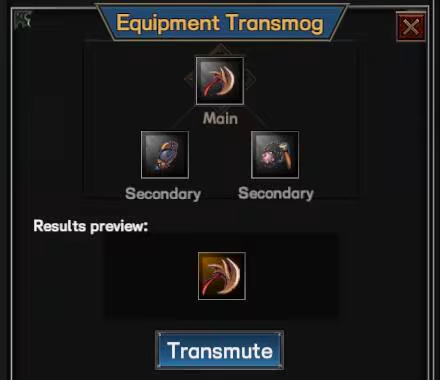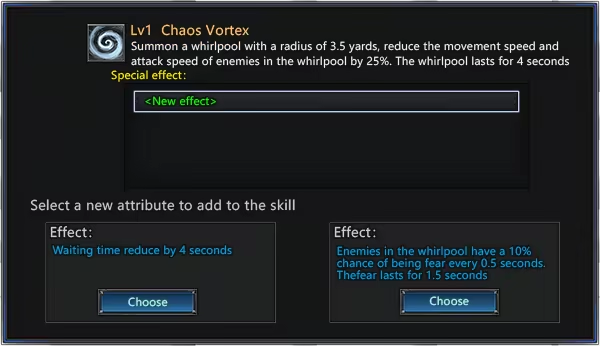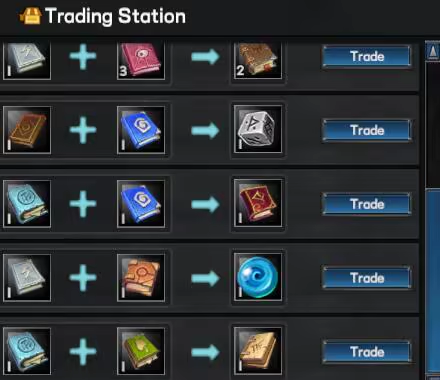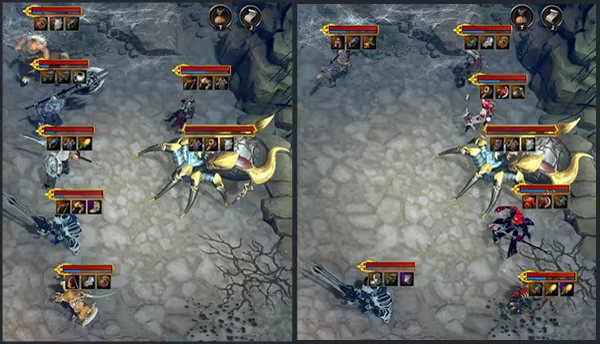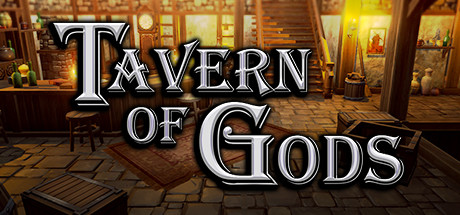
"Tavern of Gods" is a roguelite auto battle game. Players collect hero skills, followers, and equipment to form various builds to fight with random monsters. Unlock new heros, follower traits and equipment suits, then you can experience more different builds next time.
Modeled estimate, not a reported figure. How we estimate →
Media

About


Stats
All-time low is the lowest price we've recorded for this game since we started tracking it.
Languages: English, Simplified Chinese, Traditional Chinese
Engagement
Hours played at review time, across 40 reviews with recorded playtime.
Reviews
Themes across 40 recent reviews and how positive each mention is. A keyword signal, not full sentiment analysis.
positive critical· bar length = how often the theme comes up
Reviews
在刀塔自走棋逐渐没落的今天,不向邪恶的金铲铲低头,扛起了自走棋游戏的大旗。
+1 有中文 有成就 ⣿⣆⠱⣝⡵⣝⢅⠙⣿⢕⢕⢕⢕⢝⣥⢒⠅⣿⣿⣿⡿⣳⣌⠪⡪⣡⢑ ⣿⣿⣦⠹⣳⣳⣕⢅⠈⢗⢕⢕⢕⢕⢕⢈⢆⠟⠋⠉⠁⠉⠉⠁⠈⠼⢐ ⢰⣶⣶⣦⣝⢝⢕⢕⠅⡆⢕⢕⢕⢕⢕⣴⠏⣠⡶⠛⡉⡉⡛⢶⣦⡀⠐ ⡄⢻⢟⣿⣿⣷⣕⣕⣅⣿⣔⣕⣵⣵⣿⣿⢠⣿⢠⣮⡈⣌⠨⠅⠹⣷⡀ ⡵⠟⠈⢀⣀⣀⡀⠉⢿⣿⣿⣿⣿⣿⣿⣿⣼⣿⢈⡋⠴⢿⡟⣡⡇⣿⡇ ⠁⣠⣾⠟⡉⡉⡉⠻⣦⣻⣿⣿⣿⣿⣿⣿⣿⣿⣧⠸⣿⣦⣥⣿⡇⡿⣰ ⢰⣿⡏⣴⣌⠈⣌⠡⠈⢻⣿⣿⣿⣿⣿⣿⣿⣿⣿⣿⣬⣉⣉⣁⣄⢖⢕ ⢻⣿⡇⢙⠁⠴⢿⡟⣡⡆⣿⣿⣿⣿⣿⣿⣿⣿⣿⣿⣿⣿⣿⣿⣿⣷⣵ ⣄⣻⣿⣌⠘⢿⣷⣥⣿⠇⣿⣿⣿⣿⣿⣿⠛⠻⣿⣿⣿⣿⣿⣿⣿⣿⣿ ⢄⠻⣿⣟⠿⠦⠍⠉⣡⣾⣿⣿⣿⣿⣿⣿⢸⣿⣦⠙⣿⣿⣿⣿⣿⣿⣿ ⡑⣑⣈⣻⢗⢟⢞⢝⣻⣿⣿⣿⣿⣿⣿⣿⠸⣿⠿⠃⣿⣿⣿⣿⣿⣿⡿ ⡵⡈⢟⢕⢕⢕⢕⣵⣿⣿⣿⣿⣿⣿⣿⣿⣿⣶⣶⣿⣿⣿⣿⣿⠿⠋⣀
nice
Thumbs up
一般
Tavern of Gods is a roguelite strategy experience developed and published by Element Studio that blends auto-battler mechanics with RPG-style progression and procedural design. Framed within a light narrative premise in which the player assumes the role of a god orchestrating tabletop-like expeditions from within a tavern, the game focuses less on story and more on build experimentation, synergy management, and replay-driven progression. It is a title that thrives on combinations—of heroes, followers, equipment, and chance—and its appeal lies in discovering how these systems interact across repeated runs. The core gameplay loop revolves around selecting a hero and assembling a party of followers before venturing into procedurally generated encounters. Combat unfolds automatically once battles begin, meaning preparation and strategic planning carry greater weight than moment-to-moment control. This structure shifts emphasis onto pre-battle decisions: choosing which followers to recruit, how to allocate upgrades, and which equipment combinations to pursue. Each run becomes an exercise in optimization, where synergy between party members can determine whether a build flourishes or collapses under increasingly difficult encounters. A defining strength of Tavern of Gods is the diversity of its followers and gear. The roster includes dozens of recruitable characters, each with distinct traits and potential synergy tags tied to race, role, or thematic classification. Building around these synergies becomes the foundation of long-term success. Some combinations emphasize survivability and defensive scaling, while others prioritize rapid damage output or status effects. Equipment further deepens this strategic layer, as items carry unique bonuses and can form set combinations that unlock additional perks. The resulting interplay between followers and gear encourages experimentation across multiple runs. Procedural generation enhances replayability by ensuring that enemy encounters, item drops, and event outcomes vary with each expedition. Elite enemies may appear with unique modifiers that disrupt established strategies, forcing players to adapt. Random merchants and decision events add light risk-reward considerations that can shape the trajectory of a run. Because of this unpredictability, no two sessions unfold identically, even when pursuing similar builds. This variability sustains engagement and prevents the experience from feeling overly scripted. Progression extends beyond individual runs. Players gradually unlock new heroes, followers, and enhancements that expand the strategic possibilities available in future attempts. While the meta-progression system is incremental rather than transformative, it provides a sense of forward movement that encourages repeated play. Each completed run or partial success contributes toward expanding the pool of viable strategies, reinforcing the roguelite design philosophy. Visually, Tavern of Gods adopts a clean and stylized presentation that prioritizes clarity over spectacle. Character portraits and battlefield visuals are readable and functional, supporting the strategic focus without overwhelming the interface. The user interface effectively communicates unit traits, synergy bonuses, and item effects, which is essential given the game’s reliance on build complexity. While the art style may not push technical boundaries, it serves its purpose well within the genre. The auto-battle nature of combat may divide players. Those who enjoy hands-on control and real-time reaction may find the lack of direct input limiting. However, for players who appreciate strategic planning and build crafting, the automated resolution of combat allows attention to remain fixed on optimization and experimentation. The satisfaction comes not from reflex execution, but from seeing a carefully constructed party perform as intended under pressure. Overall, Tavern of Gods delivers a compact yet engaging roguelite experience centered on strategic synergy and procedural unpredictability. It does not rely on deep narrative arcs or cinematic presentation, instead focusing on replay-driven experimentation and tactical decision-making. For players drawn to auto-battlers, deckbuilder-style planning, and incremental progression systems, it offers a satisfying cycle of preparation, execution, and refinement that rewards thoughtful build crafting across multiple runs. Rating: 7/10
有意思的自走棋,什么都好就是缺少了一些随机因素带来的愉悦感
还行吧!
众所知周,国产独立游戏是喜欢跑路的
挺一般的。。
Related
Related
Trends
Modeled estimate over time, reconstructed from Steam's monthly review histogram.
Momentum
Pace estimated from the game's recent review growth (our daily snapshots) at its own sales-per-review ratio — a momentum signal, not booked sales.
Audience
Estimated from the language of this game's reviews — a proxy for where players are, not official Steam demographics.
Related
| Mind Over Magnet | $227.2K | 1.4K | 89% | $9.99 |
| Tsuki ni Yorisou Otome no Sahou 2 | $227.3K | 273 | 96% | $39.99 |
| Eternal Edge + | $227.3K | 778 | 69% | $14.99 |
| Conan Chop Chop | $227.3K | 778 | 60% | $5.99 |
| Farm for your Life | $227.1K | 638 | 82% | $9.99 |
| Citadels | $227.1K | 492 | 15% | $14.99 |
Related
| EmergeNYC | $3.8M | 4.2K | 63% | $24.99 |
| Plebby Quest: The Crusades | $1.9M | 2.6K | 86% | $19.99 |
| Tinkerlands | $1.7M | 4K | 86% | $12.99 |
| G.O.P.O.T.A | $1.5M | 1.7K | 81% | $29.99 |
| Quadrober Simulator | $1.1M | 1K | 76% | $29.99 |
| Airborne Empire | $1M | 904 | 88% | $29.99 |