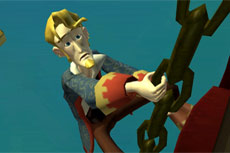
About Chapter One The saga begins with a heated battle involving the brave but often bumbling Mighty Pirate™ Guybrush, his beloved wife Elaine, and their nemesis, the demon pirate LeChuck. When the showdown goes up in flames, Guybrush finds himself marooned on a strange island with winds that always blow inward.
Modeled estimate, not a reported figure. How we estimate →
Media

About
Stats
All-time low is the lowest price we've recorded for this game since we started tracking it.
Languages: English
Engagement
Hours played at review time, across 40 reviews with recorded playtime.
Reviews
I had a really great time playing through Tales of Monkey Island and would recommend anyone who enjoys classic Point and click games to give it a try. A fantastic finale to the saga, with a gripping story and an incredible atmosphere. Every location looks stunning and feels perfectly designed to match the theme and narrative especially the opening area, which is absolutely beautiful. The final battle is intense and memorable, capped off with a brilliant ending that ties everything together.
Auch wenn die fünf Episoden respektive Kapitel von Tales of Monkey Island als einzelne Spiele angeboten werden, gehören sie doch untrennbar zusammen und ergeben einzeln nur wenig Sinn. Darum bezieht sich diese Rezension auf alle fünf Kapitel gemeinsam und ist entsprechend auch bei allen fünf Teilen identisch. Ich mag die Monkey-Island-Reihe sehr und habe die Teile 1 und 2 schon vor langer Zeit gespielt und geliebt. Schon länger hatte ich im Sinn, auch die weiteren Teile nachzuholen, wobei sich insbesondere Teil 3 als absolutes Meisterwerk erwiesen hat. Teil 4 dagegen musste ich aufgrund seines grauenvollen technischen Zustands auslassen, und so landete ich schliesslich bei der Telltale-Serie. Und ehrlich gesagt waren meine Erwartungen nicht besonders hoch. Ich ging davon aus, dass die fünf Episoden nicht mit den Originalen mithalten können. Und ja, das war dann auch tatsächlich so, allerdings in deutlich geringerem Mass, als ich das erwartet hatte. Denn ja, ganz an das Meisterwerk-Niveau und den Humor der ersten drei Teile kommt Tales of Monkey Island nicht heran. Aber das ist auch eine unglaublich hohe Hürde. Die fairere Frage ist daher: Macht das Telltale-Abenteuer einem Monkey-Island-Fan trotzdem Spass? Und da lautet die Antwort glasklar: Ja! Das liegt vor allem an der herrlich absurden, typisch Monkey-Island-mässigen Chaosgeschichte mit vielen bekannten Figuren und auch einigen neuen, wunderbar schrägen Charakteren. Die Story ist witzig, voller gelungener Gags in typischer Monkey Island Manier, was bestens unterhält. Die Adventure-Seite tritt in Sachen Rätsel zwar spürbar eine Stufe kürzer, was alte Veteranen vielleicht etwas enttäuschen dürfte, trotzdem ergibt sich insgesamt ein sehr tolles und rundes Monkey-Island-Erlebnis. Dabei helfen auch die Grafik und der Sound. Ja, die simple 3D-Comicgrafik ist kein Grafikblender, wirkt dafür aber relativ zeitlos. Auch wenn der optische Stil dadurch ein bisschen generisch erscheint, ist das Resultat trotzdem stimmig und völlig ok. Besonders stark ist der Sound: Der Soundtrack passt perfekt und die Sprecher machen einen hervorragenden Job. Fazit: Auch wenn die Telltale-Serie nicht ganz an die ersten drei Teile herankommt, ist Tales of Monkey Island trotzdem ein sehr gelungenes Adventure, das ich jedem Adventure-Fan generell und jedem Monkey-Island-Fan erst recht ohne Einschränkungen empfehlen kann.
**Tales of Monkey Island – Enttäuschung in fünf Akten** Obwohl ich seit Anfang der 90er Fan der Serie bin, habe ich lange die zwei 3D Teile lange ausgelassen. Nun aber habe ich mich nach langer Zeit rangetraut und auch durchgezogen. Das Spiel ist aufgeteilt in fünf Kapitel, also ähnlich wie die Vorgänger. Leider ist es bei Telltale üblich, jedes Kapitel einzeln installieren zu müssen (was dank Steam ja noch schnell geht), einzeln die Einstellungen anzupassen, 5 Reviews zu schreiben, die überall gleich sind. Aber damit kann man noch leben. Das erste was im Spiel auffällt, ist, dass die Steuerung einfach mies ist. Warum kann man nicht einfach klicken und er geht selbst an die Stelle des Klicks? Stattdessen muss man die Figur per Tasten oder mit dem "3D-Laufzeiger" durch die Gegend schieben. Dabei funktioniert das laufen ja auch, wenn man bestimmte Gegenstände anklickt. Die Anzahl der Aktionen haben sich neumodisch auf 1 beschränkt. Also kann man nur noch klicken und wird dann merken, ob es Schauen, Sprechen, Benutzen oder Nehmen war. Aber das ist wohl Geschmackssache. Dafür ist das Inventar unmöglich kompliziert. Statt einfach zwei Objekte aufeinander zu klicken, muss man diese jeweils in ein Feld legen und "Kombinieren" klicken. Umständlicher geht's nicht. Anschauen geht nur mit der Lupe. Und ständig schließt man aus Versehen das Inventar. Möchte man einen Gegenstand aus dem Inventar mit etwas nutzen ist es oft ein Glücksspiel ob nach dem Satz, den Guybrush sagt, der Gegenstand noch in der Hand ist oder wieder neu angeklickt werden muss. Inkonsistenzen ohne Ende. Auch beim Benutzen von Gegenständen in der Spielwelt kann man manchmal einfach mit den Pfeiltasten weggehen oder muss erstmal ins Leere klicken, obwohl man die Figur sieht. Warum das so ist, keine Ahnung. Technisch ist das Spiel auch nicht perfekt. Sprache umstellen geht nur über Steam und dann ein Update der Spieldateien, was noch zu einem Problem werden kann. Die Auflösung geht mindestens bis 4K, das ist OK. Auch wenn das schon schrecklich aussieht. Scharfe Kanten, aber extrem weichgewaschene Texturen. Ich möchte bezweifeln, dass das 2009 noch Stand der Technik war. So gibt's auch keine Option für Fenster-Clipping - man landet also bei zwei Monitoren gern im falschen und verlässt das Spiel. Leider aktiviert das Spiel auch manchmal meinen zweiten Monitor, wenn ich ihn vorher deaktiviere... ARRRR Gestalterisch ist alles OK. Fan des Stils bin ich nicht, aber schlecht ist er auch nicht. Musik passt, wenn auch in der Standardeinstellung viel zu laut, wie auch die Soundeffekte, die Guybrush Stimme stark übertönen. Nervig - wie oben gesagt - dass man die Einstellungen mehrfach ändern muss. Die Story ist OK, das erwarte ich von einer Firma, die sich Telltale nennt aber auch, auch wenn es manchmal etwas unlogisch ist. Die Witze sind auch oft ganz gut, manchmal wirken sie leider aber extrem erzwungen. Hier merkt man dann doch, dass nicht genug Herz in das Projekt geflossen ist. Die Rätsel sind oft OK und bedienen sich dem Witz der Serie, aber manchmal weiß man echt nicht, was man tun muss und ist nur einen Klick daneben. Das frustriert schon sehr oft. Noch frustrierender sind aber die Strecken, die man teilweise laufen muss. Hier wird einfach Spielzeit hochgeschraubt durch unnötiges Laufen. Wenn man dann noch gerade an einem Rätsel hängt, ist es umso frustrierender. Schließlich muss man auch die ganzen Bugs erwähnen - über 15 Jahre nach Erscheinen des Spiels. Wohl auch zusammen mit der deutschen Synchronisation. Letztere wird hier nicht explizit genannt - vielleicht auch wegen der Bugs. Soweit ist es wohl schön, dass man die deutsche Version nutzen kann. Leider haben die Verantwortlichen aber ziemlich nachlässig gehandelt. Da fehlen Übersetzungen, wo man dann englisch liest. In Kapitel 4 muss man eine Datei löschen, damit das Spiel nicht abstürzt. Ich bin in Kapitel 5 hängen geblieben und musste erst auf englisch umstellen, damit ich weiter kam. Aber auch da hatte ich den Bug: "The chest is locked" - "The chest is already unlocked", weshalb ich eine halbe Stunde nochmal spielen musste. Dann ging es aber. Hier scheint einiges uneinheitlich zu sein, da manche Dialoge im Deutschen einfach keinen Sinn gemacht haben. Ob das dann auch im Englischen so war, kann ich aber nicht sagen. Eine Cutscene in Kapitel 3 konnte ich zum Beispiel gar nicht anschauen, da wurde mir nur ein Seehund angezeigt und ich hörte im Hintergrund die Stimmen der Figuren. Schade, denn großteils hat man sich Mühe gegeben, aber empfehlen würde ich das Spiel nicht. Allerdings scheint das Spiel auch nicht wirklich zum Monkey Island Universum dazu zugehören. Der Nachfolger Return to Monkey Island ist jedenfalls unabhängig davon spielbar und auch besser.
Tales of Monkey Island Complete Pack: Chapter 5 – Rise of the Pirate God, developed and published by Telltale Games, brings the episodic adventure to its conclusion with a chapter that feels both ambitious and intentionally reflective. Picking up immediately after the dramatic turn of events in the previous episode, the story begins with Guybrush Threepwood in an unexpected position—trapped in the afterlife, separated from the physical world and forced to navigate a strange, liminal space known as the Crossroads. This premise immediately sets the tone for a finale that is less about expansion and more about resolution, drawing together the narrative threads that have been building throughout the series. The story in this final chapter is driven by urgency. With LeChuck’s plans reaching their peak and the voodoo pox threatening to spiral out of control, the narrative moves with a stronger sense of direction than earlier episodes. There is a clear focus on tying up character arcs and delivering closure, and the writing manages to balance humor with emotional weight in a way that feels consistent with the series’ identity. Guybrush remains as witty and self-assured as ever, but there is a noticeable shift in how the story treats him, placing him in situations where he must confront consequences and rely on others in new ways. The evolving dynamic between him and LeChuck is particularly effective, adding a layer of novelty to their long-standing rivalry and giving the finale a sense of thematic depth. The setting plays a crucial role in reinforcing the episode’s tone. The Crossroads, with its surreal and ghostly atmosphere, stands in stark contrast to the more colorful and grounded environments seen earlier in the series. This duality between the afterlife and the living world creates a sense of progression, as if the story has moved beyond its previous boundaries. The visual design makes good use of lighting and color to distinguish these spaces, giving the finale a distinct identity that helps it stand apart from earlier chapters. It is not just a change in scenery, but a reflection of the story’s shift toward resolution and consequence. Puzzle design in this chapter feels more focused on integration than experimentation. Many of the challenges draw on mechanics and ideas introduced earlier in the series, creating a sense of culmination. Players are asked to think across different spaces and contexts, particularly when navigating between the afterlife and the physical world. Some puzzles are clever and satisfying, reinforcing the feeling that everything is coming together, while others can be less intuitive, occasionally disrupting the flow of the experience. The need for backtracking, while not excessive, can also slow the pacing at moments when the story is otherwise building momentum. The final act introduces a notable change in pacing, incorporating more time-sensitive elements that increase tension and urgency. This is a departure from the slower, more methodical rhythm that defines much of the series, and it adds a sense of immediacy that suits the narrative stakes. However, this shift can also be somewhat jarring, particularly for players who are more accustomed to the traditional pace of point-and-click adventures. While it succeeds in making the climax feel more dramatic, it can also lead to moments of frustration if the required actions are not immediately clear. Presentation remains one of the series’ strongest aspects. The voice acting continues to deliver consistently strong performances, bringing both humor and personality to every interaction. The dialogue is lively and engaging, ensuring that even exposition-heavy scenes maintain interest. The music and sound design support the shifting tone effectively, transitioning between lighthearted and dramatic moments without losing cohesion. Visually, the game maintains its stylized aesthetic while introducing enough variation to keep the finale feeling fresh, even within the constraints of its engine. As a conclusion, the episode succeeds in delivering a sense of closure, though not without some limitations. Certain elements of the story feel slightly compressed, as if they could have benefited from more time to fully develop. The episodic structure, while effective in building anticipation, also means that the finale must resolve multiple threads within a relatively short runtime. Despite this, the ending manages to feel earned, providing a resolution that aligns with the tone and themes of the series while leaving a lasting impression. Ultimately, Rise of the Pirate God serves as a fitting end to Tales of Monkey Island, bringing together its humor, characters, and narrative threads into a cohesive finale. It may not be flawless, with occasional pacing and puzzle design issues, but it captures the essence of what makes the series memorable. By balancing comedic charm with a stronger sense of consequence and resolution, it delivers an ending that feels both satisfying and true to its roots. Rating: 8/10
2/5 Let me speak about the entire game here. All 5 chapters in one go. Ultimately the game is mid. If you are familiar with any of the Monkey Island games you may find this one to be familiar in design only, not in quality. GAMEPLAY: The greatest feature about this game is it's puzzles. The puzzles are equally as good as the previous titles. As usual they sometimes flop and sometimes they do something revitalizing and new. Movement was fine. Inventory was simplified but combining items made worse. VISUALS: The general design is forgettable and not 2009's finest. No zone or area sinks into my heart like a Plunder, Blood, or Phatt Island (MI2-3). To nobody's gain, it may even remind you of a completly different game, eg. Chapter 2's Spinner Cay is a poor man's Zora's domain from Zelda, with now a different race of humanoids to boot. The character design is deplorable. Many major side characters are so plain and unremarkable I had a hard time recognizing them. I can think of five of these clowns that even share the exact same body frame, copy, paste, change the skin color. One idiot even looks like a rejected Mii. WRITING: The larger part of characters themselves are massively irratating, and not in a fun way. Aside from a few examples like Winslow, Voodoo Lady and maybe De Singe. But even if the character is one of the better ones (eg. Morgan, Elaine) they are not free from inconsistent character actions nor... the worst type of humor of our age, 2005-2015 humor. Back then it was known as SO RANDOM, today it goes by Quirk Chungus. Almost every single character, Guybrush included, will make long winded, dramatic, overly obtuse retorts. Nothing like a bunch of theatre kids bowing to each other while regally speaking about tacos, pop-culture idiosyncrasies, and cats. Then, Taletell added a growing set of character arcs that are fundamentally undeserved and wildly out of place. Never before has a Monkey Island game needed a 1 on 1 power talk to motivate the main protagonist into beliving in himself. I'd applaude the idea of trying something new as I will for several other ideas such as Le Pox. However, the games major narrative feels split on weather it wants to be a quirky heart warming cartoon for preteens or the satirical college age lampoon a Monkey Island game is supposed to be. I'm not joking. I don't think there was a single 4th wall break this entire game, a staple of the series. I should also mention this game includes overly verbose dialog boxes with no info or humor for 5/6 choices. Did I laugh? sometimes yes, but less than usual. But by many more accounts did I hate. In previous games I hated the puzzles often, sometimes even an overkilled joke or two (MI2). This game made me hate characters, plot, and puzzles. Audio: Not a single song or track to remember.
I enjoyed and I still don't know her name
Longest of all chapters
Great game
100%
Good ending. Need a guide for this game tho.
Related
Related
Trends
Modeled estimate over time, reconstructed from Steam's monthly review histogram.
Momentum
Pace estimated from the game's recent review growth (our daily snapshots) at its own sales-per-review ratio — a momentum signal, not booked sales.
Audience
Estimated from the language of this game's reviews — a proxy for where players are, not official Steam demographics.
Related
| Never Mourn | $83.1K | 361 | 78% | $9.99 |
| Flowstone Saga | $83.1K | 171 | 82% | $17.99 |
| Rulers of Nations | $83.1K | 150 | 49% | $19.99 |
| SNK VS. CAPCOM SVC CHAOS | $83.1K | 384 | 87% | $9.99 |
| Vendir: Plague of Lies | $83.1K | 256 | 75% | $14.99 |
| Candy & Toys Store Simulator | $83.1K | 197 | 83% | $12.99 |