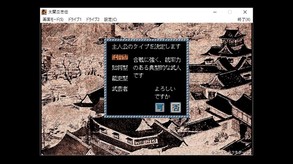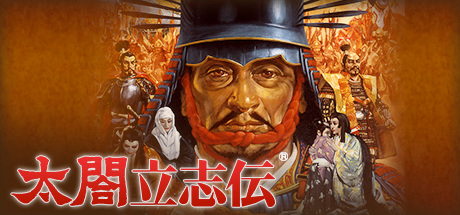
"Taikou Risshiden" was released in 1992. The game revolves around the rise of Hideyoshi Toyotomi during the Warring States period of Japan. Players enjoy the story of Hideyoshi's life and his struggles as he rose from a common foot soldier to become the Chief Adviser to the Emperor.
Modeled estimate, not a reported figure. How we estimate →
Media
About
Genres
Stats
All-time low is the lowest price we've recorded for this game since we started tracking it.
Languages: Japanese
Engagement
Hours played at review time, across 44 reviews with recorded playtime.
Reviews
Themes across 44 recent reviews and how positive each mention is. A keyword signal, not full sentiment analysis.
positive critical· bar length = how often the theme comes up
Reviews
童年回忆 补票
so great that can play the japanese version for this game nowadays
除了怀旧没啥了,画面还不如我20年前玩的MD.....操作起来也是奇葩的很。早知道弄个免费的模拟器
なんかいちいち仮想ディスク的なものを入れ替えさせられるのが非常にイラつく。 エミュレーションで動かしているのであればクイックセーブ機能なんかが実装されていてもいいのに、このゲームにはそれがなくセーブ・ロードの時には上記の仮想ディスクの入れ替えを強いられるので非常に面倒臭い。 個人的にはリアルタイムでプレイしたのがSFC版であったのだが、SFC版の完成度がPC版のそれを上回っているという稀有な例だと思う。 こんな2000年代前半の復刻版をそのまま流すのではなく、早いところVを復刻させてほしいのだが太閤立志伝、チンギス・ハーン、提督の決断は近隣諸国の感情を逆撫でしてしまうらしく新作の制作も途絶えてしまっている。考えてみると昔のコーエーはネトウヨ(笑)だったんだなぁと感慨深くなる。
永远的经典回忆补票啊
ジャンルは違えど 太志200時間未満に対して 350時間以上プレイしています。 (制約は多いものの…) 室町幕府再興など様々なプレイが可能で、 誰でも辻斬りが可能な点が、このゲームの 神髄だと思います。 但し、操作性は0点です笑
*Taiko Risshiden*, developed and published by KOEI TECMO GAMES CO., LTD., stands apart from many of the studio’s historical strategy titles by shifting the focus away from large-scale conquest and toward the personal journey of a single individual navigating the chaos of the Sengoku era. Instead of placing players in the role of a daimyo overseeing vast territories, it invites them to begin at the bottom of the social hierarchy and work their way upward, capturing the spirit of ambition and transformation that defined the period. This grounded perspective gives the game a more intimate and role-driven identity, making it feel less like a traditional strategy title and more like a historical life simulation. The experience begins with the player assuming the role of a low-ranking retainer—most famously modeled after Toyotomi Hideyoshi—serving under a powerful lord. From there, progression is shaped by effort, decision-making, and social maneuvering rather than immediate authority. Advancement requires completing assignments, building trust with superiors, and gradually increasing one’s standing within the clan. This structure creates a sense of earned progression that feels organic, as every promotion or new responsibility reflects time invested and relationships cultivated. The game places significant emphasis on reputation, making interactions with other characters just as important as completing objectives. Gameplay unfolds through a combination of travel, skill development, and event participation. Players move between locations, meet historical figures, and engage in activities that improve their character’s abilities. These attributes—ranging from combat proficiency to intelligence and charisma—play a direct role in determining success across various situations, whether in battle, negotiation, or strategic planning. The interplay between these systems encourages a balanced approach to growth, as neglecting one area can limit opportunities in another. Over time, the player’s increasing competence opens up new paths, reinforcing the sense of a life gradually taking shape within a dynamic world. A notable strength of *Taiko Risshiden* is its flexible approach to historical events. While it draws from real-world developments of the Sengoku period, it does not rigidly enforce them. Instead, events unfold in response to player actions and the shifting state of the world, allowing for alternate outcomes and varied playthroughs. This open-ended design gives players a degree of agency that was uncommon for its time, encouraging experimentation and personal storytelling. The result is a game that feels less like a scripted narrative and more like a framework for emergent experiences. However, the same qualities that make the game unique also contribute to its difficulty for modern audiences. The interface is dated and often unintuitive, requiring patience to navigate effectively. Instructions are minimal, leaving players to discover mechanics through trial and error. The pacing can also feel slow, particularly in the early stages when progress is incremental and influence is limited. These factors can make the game feel inaccessible, especially for those accustomed to more guided and streamlined experiences. Visually, the game reflects its early 1990s origins, relying on simple graphics and text-heavy presentation. While functional, it lacks the visual flair or polish of more contemporary titles. Yet this simplicity also underscores the game’s priorities, directing attention toward its systems and interactions rather than aesthetic spectacle. For players willing to look past its dated appearance, the depth of its design becomes the primary draw. What ultimately makes *Taiko Risshiden* compelling is its sense of freedom within a structured historical setting. It allows players to define their own path, whether that involves rising to prominence through loyalty, pursuing power through strategic maneuvering, or simply experiencing life within the era at their own pace. This flexibility, combined with its focus on personal growth and relationships, gives the game a distinctive identity that still resonates despite its age. In the end, *Taiko Risshiden* is a thoughtful and ambitious simulation that prioritizes immersion and character-driven progression over accessibility and visual presentation. It may demand patience and a willingness to adapt to older design conventions, but for those who engage with its systems, it offers a rewarding and uniquely personal take on historical strategy. Rating: 7/10
Classic old game
太閤立志伝シリーズ復活を望む!
太閤立志伝はこの後5作目まで発売される光栄の中でも有数の愛されシリーズだが そうなったのには当然初代である今作が面白かったという理由がある 2とか3のイマイチさを補って余りある魅力がここにはあるのだ とはいえ古いゲームなので粗は多い 籠城側が有利すぎて観音寺や石山が落とせなくて泣きそうになったり、 東北も四国も九州もないはずなのに日本がやけに広くて買い出しのたびに泣きそうになったりする もっともこれは移動速度が遅いのと、拠点が少ないので景色がなかなか変わらないせいである 初見の田舎道に迷い込んでしまったかのような孤独感は多分褒めるべきところではない それでも作品全体に漂うトボけた雰囲気は妙に居心地がいい 商人や町人もやけに気安いし、秀吉自身も毎月報告に来る忍者にウザ絡みしてたりで とにかくノリが軽い 商人も派手なだけの反物や黒く塗っただけの竹筒を鉄砲と言い張って売ってきたりと この作品にしかない雰囲気は発売から30年以上経った今でも一度は味わう価値がある BGM全般も実にのどかで、仕事サボってサイコロ賭博にも勤しみたくなるというもの こんな古いゲームを買うのは当時の思い出があるベテラン勢くらいだとは思いますが 若人たちもこの不便さや絵の古さの向こうにある「空気感」のようなものを味わうのも 悪くなくもないこともないんじゃないでしょーか?
Related
Related
Trends
Modeled estimate over time, reconstructed from Steam's monthly review histogram.
Momentum
Pace estimated from the game's recent review growth (our daily snapshots) at its own sales-per-review ratio — a momentum signal, not booked sales.
Audience
Estimated from the language of this game's reviews — a proxy for where players are, not official Steam demographics.
Related
| One Gun Guy | $14.3K | 1K | 69% | $0.79 |
| Candle | $14.3K | 898 | 78% | $0.99 |
| Town Keeper | $14.3K | 51 | 92% | $5.66 |
| BlackChain | $14.3K | 108 | 85% | $4.99 |
| Monster City: A Monster College Story | $14.3K | 81 | 72% | $9.74 |
| 修仙实操手册 | $14.3K | 107 | 59% | $5.59 |