Sector Six is an indie side-scrolling shooter that combines fast arcade-style combat with deep role-playing mechanics and extensive ship customization in a way that feels far more ambitious than its minimalist appearance initially suggests. While many shoot ’em ups focus entirely on reflex-based gameplay and high-score chasing, Sector Six adds loot progression, modular ship building, and tactical loadout management to create something closer to a hybrid between a classic arcade shooter and a sci-fi action RPG. Beneath its simple silhouette art style is a surprisingly addictive gameplay loop centered around experimentation, progression, and constantly evolving combat strategies.
The combat system is immediately satisfying because of how smooth and responsive the controls feel. Ships move quickly across the battlefield while lasers, missiles, energy blasts, and explosions fill the screen during intense encounters. Despite the visual chaos, the gameplay rarely feels unfair because enemy attack patterns remain readable enough to reward awareness and positioning. Players are expected to actively dodge incoming fire, manage cooldowns, and adapt their tactics depending on enemy formations rather than simply relying on constant shooting. The pacing strikes a strong balance between arcade action and tactical decision-making, keeping battles exciting while still rewarding careful play.
One of the game’s biggest strengths is its incredibly detailed customization system. Every ship is assembled from modular components that directly affect movement, survivability, energy usage, and weapon effectiveness. Engines, reactors, armor plating, connectors, and weapons can all be swapped freely, allowing players to create drastically different builds depending on their preferred combat style. Some configurations favor mobility and rapid-fire attacks, while others transform ships into slow-moving heavily armored artillery platforms capable of devastating enemy fleets from a distance. The sheer amount of flexibility makes experimentation constantly rewarding because every new component has the potential to reshape combat entirely.
The loot system adds another highly addictive layer to the experience. Enemies and missions constantly reward players with new equipment, weapons, and upgrade modules featuring randomized stats and unique effects. Unlike many loot-focused games where upgrades simply increase damage numbers, Sector Six often introduces items that fundamentally alter weapon behavior or create new tactical possibilities. Set bonuses and relic systems further encourage players to experiment with equipment combinations in search of powerful synergies. The progression system feels satisfying because upgrades genuinely change how ships perform rather than acting as meaningless statistical improvements.
The game’s science fiction setting also deserves credit for creating a surprisingly engaging backdrop for the action. Humanity faces extinction against dangerous machine forces, and the campaign slowly reveals more about the larger conflict through missions and environmental storytelling. While the narrative is not especially deep compared to story-focused RPGs, it provides enough context and atmosphere to make progression feel meaningful. The futuristic war setting gives the battles a sense of urgency and helps the campaign feel like more than a disconnected sequence of combat arenas.
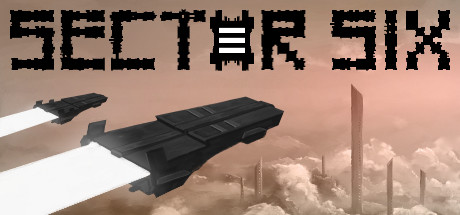
Visually, Sector Six embraces a minimalist silhouette art style that becomes far more impressive in motion than screenshots initially suggest. Ships and enemies appear as dark outlines illuminated by vibrant explosions, glowing projectiles, and colorful environmental effects. This visual design helps maintain clarity during large firefights while also giving the game a distinctive identity. The contrast between the dark silhouettes and bright weapon effects creates battles that feel stylish and energetic despite the relatively simple presentation.
The sound design complements the gameplay extremely well. Weapons produce satisfying audio feedback, explosions carry enough force to make combat feel impactful, and the soundtrack shifts naturally between atmospheric exploration tracks and intense battle themes. Together, the audio and visual presentation create a surprisingly immersive arcade atmosphere that keeps combat exciting even during longer sessions.
Another strong feature is the game’s scalable difficulty system. Players can increase challenge levels in exchange for better rewards, creating a flexible structure that accommodates both newcomers and experienced shooter fans. Higher difficulties force players to fully engage with the game’s customization systems and enemy patterns because poorly optimized builds quickly become ineffective. This creates a strong sense of progression where success depends not only on player skill but also on understanding how to build and upgrade ships effectively.
However, Sector Six is not without flaws. The sheer amount of customization and statistical information can feel overwhelming during the early hours. Menus are filled with equipment data, modifiers, and upgrade options that may intimidate players expecting a simpler arcade experience. Learning how different components interact takes time, and the interface occasionally makes ship management more complicated than necessary. The game’s depth is rewarding, but it also creates a steeper learning curve than many players might expect from a side-scrolling shooter.
Mission variety can also become repetitive during extended sessions. Although the ship-building systems constantly introduce new strategies, many missions revolve around familiar enemy waves and combat objectives. The gameplay remains enjoyable because experimentation keeps battles fresh, but the overall structure does not evolve dramatically throughout the campaign. Some players may eventually wish for more environmental diversity or larger gameplay changes later in the experience.
The minimalist visual design may also divide players. While the silhouette presentation creates strong combat clarity and atmosphere, players who prefer highly detailed environments and cinematic visuals may find the art style too simplistic. Fortunately, the impressive combat effects and fluid action compensate for much of the visual simplicity once battles become more intense.
What truly makes Sector Six memorable is how successfully it combines two very different styles of gameplay. The game captures the immediate excitement of arcade shooters while layering in progression systems deep enough to satisfy players who enjoy optimization and build experimentation. Every mission contributes to long-term ship development, and every upgrade opens new possibilities for combat tactics. This constant sense of progression gives the game a surprisingly addictive quality.
Sector Six stands out as one of the more creative indie shooters available because it refuses to limit itself to traditional arcade mechanics. Its combination of responsive combat, extensive ship customization, procedural loot systems, and flexible progression creates an experience that feels much larger and deeper than its modest presentation initially suggests. While repetitive mission structures and complex menus occasionally slow the pace, the satisfying gameplay systems and rewarding customization make it an easy recommendation for fans of sci-fi shooters and loot-driven action games.
Rating: 8/10