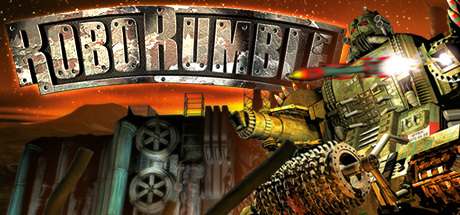
Build powerful battle robots from components like Chassis, Weapon and Booster. The battle’s starting and you’re right in it – with freely definable camera perspectives, spectacular effects, unlimited zoom and scroll, colored light sources, terrain morphing and 3D sound. Pure action – pure excitement!
Modeled estimate, not a reported figure. How we estimate →
Media

About
Stats
All-time low is the lowest price we've recorded for this game since we started tracking it.
Languages: English*, German**languages with full audio support
Engagement
Hours played at review time, across 40 reviews with recorded playtime.
Reviews
Themes across 40 recent reviews and how positive each mention is. A keyword signal, not full sentiment analysis.
positive critical· bar length = how often the theme comes up
Reviews
still remember my first perfect whirlwind yeet into the enemy pool, chef's kiss
made a robo that only oils and runs away, still won somehow
the mars setting is peak aesthetic
booster system is straight up addictive
peak gaming was
the booster that doubles speed makes me feel like a god
colored lighting on mars maps looks so good even today, someone remaster this pls
the booster that increases intelligence actually makes robos dodge better and its terrifying
RoBoRumble is a science-fiction real-time strategy game developed by Metropolis and published by TopWare Interactive ACE. Originally released during the late 1990s, it presents a futuristic conflict centered on advanced robotic warfare rather than conventional military units. While many strategy games from its era relied on familiar tanks, infantry, and resource-heavy economies, RoBoRumble attempted to distinguish itself through extensive robot customization and a focus on tactical experimentation. Even years later, the game remains an interesting example of how developers sought to push the RTS genre in new directions. The game's setting revolves around a future in which humanity faces the threat of an alien invasion. To determine who will earn the lucrative responsibility of defending Earth, rival corporations compete on Mars using armies of highly specialized combat robots. The storyline is relatively straightforward, serving mainly as a framework for the missions, but it successfully establishes the competitive atmosphere that drives the campaign. Rather than overwhelming players with narrative sequences, the game prioritizes action and strategic decision-making, allowing the futuristic setting to enhance the gameplay without becoming a distraction. The most impressive aspect of RoBoRumble is undoubtedly its robot design system. Players are given considerable freedom to create their own machines using a variety of chassis types, weapons, and upgrades. Different robot frames offer unique movement styles, including walkers, tracked vehicles, hovercraft, and even teleport-capable units. Weapon choices range from conventional offensive tools to more unusual equipment that can manipulate enemy positioning or disrupt movement. This emphasis on customization creates a level of strategic flexibility that was remarkably ambitious for its time. Building robots that perfectly suit a mission's requirements becomes one of the game's most satisfying activities. Further enhancing this system are the boosters and support components that modify robot performance. These upgrades can increase mobility, improve combat efficiency, enhance detection abilities, or strengthen defenses. Because these additions are relatively inexpensive compared to constructing entirely new robots, they encourage experimentation and adaptation. Players constantly adjust their designs to counter different threats, making each mission feel like a strategic puzzle rather than a simple battle of numbers. The campaign structure provides more than thirty missions spread across multiple story paths, offering a substantial amount of content for a game of its age. Mission objectives vary enough to keep the experience engaging, requiring players to balance offense, defense, and resource management. The game's economic model is intentionally streamlined through its energy-based production system, which reduces micromanagement and keeps attention focused on tactical choices. Instead of spending excessive time gathering resources, players can dedicate more effort to planning attacks, defending key positions, and optimizing robot configurations. Combat is fast-paced and often chaotic in a satisfying way. Battles involve large numbers of customized machines clashing across futuristic landscapes, with explosions and environmental interactions contributing to the spectacle. One of the more interesting mechanics is the layered energy core system used for base defense. Destroying sections of an enemy installation can trigger powerful chain reactions, creating opportunities for devastating attacks when executed correctly. These mechanics reward careful timing and positioning rather than simple brute force, giving experienced players additional tactical options. For a title released in the late 1990s, RoBoRumble also demonstrated notable technical ambition. The game featured freely adjustable camera controls, zoom functions, dynamic lighting, terrain effects, weather conditions, and immersive sound design. Although these elements naturally appear dated by modern standards, they contributed significantly to the game's sense of scale and atmosphere at the time. The ability to observe battles from multiple angles helps showcase the detailed robot designs and the destruction unfolding across the battlefield. The multiplayer component adds further value by allowing competitive matches between up to four players. The extensive customization system works particularly well in multiplayer environments because opponents can develop entirely different strategies and robot builds. Although finding active players today may be difficult, the feature highlights the developers' intention to create a game with long-term replayability beyond the single-player campaign. Despite its strengths, RoBoRumble is not immune to the limitations of its era. The visuals have aged considerably, some interface elements feel cumbersome by modern standards, and the pathfinding can occasionally lead to frustrating situations. New players may also require time to understand the various customization options and strategic systems. However, many of these shortcomings are typical of classic RTS titles and are easier to overlook once the depth of the gameplay becomes apparent. Overall, RoBoRumble remains a distinctive and surprisingly creative strategy game that deserves recognition for its innovative robot construction mechanics and tactical depth. Its combination of customizable units, varied missions, and futuristic battlefield concepts helps it stand apart from many other real-time strategy games released during the same period. While modern audiences may need patience to adapt to its dated presentation, those who appreciate classic RTS experiences and enjoy experimenting with unique unit designs will likely find a rewarding and memorable experience hidden beneath its aging exterior. Rating: 7/10
the satisfaction when your jank build actually works perfectly
Related
Related
Trends
Modeled estimate over time, reconstructed from Steam's monthly review histogram.
Momentum
Pace estimated from the game's recent review growth (our daily snapshots) at its own sales-per-review ratio — a momentum signal, not booked sales.
Audience
Estimated from the language of this game's reviews — a proxy for where players are, not official Steam demographics.
Related
| Sex Gym | $1.2K | 72 | 79% | $0.59 |
| EPΘCH | $1.2K | 53 | 77% | $0.99 |
| Car Constructor | $1.2K | 96 | 59% | $0.49 |
| illie | $1.2K | 160 | 84% | $0.49 |
| Loverowind | $1.2K | 95 | 63% | $0.99 |
| The Adventurer and His Backpack | $1.2K | 88 | 72% | $0.89 |