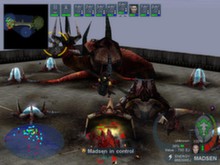
In 2032 an Earth that knows only peace is forced to relearn the art of war. Twenty years have passed since the population of Earth did a fine job of destroying nearly everything in one final struggle for power by the politicians and military leaders.
Modeled estimate, not a reported figure. How we estimate →
About
Genres
Stats
All-time low is the lowest price we've recorded for this game since we started tracking it.
Languages: English**languages with full audio support
Engagement
Hours played at review time, across 41 reviews with recorded playtime.
Reviews
Themes across 40 recent reviews and how positive each mention is. A keyword signal, not full sentiment analysis.
positive critical· bar length = how often the theme comes up
Reviews
Such an amazing concept well delivered. Needs a sequel
⣿⣿⡻⠿⣳⠸⢿⡇⢇⣿⡧⢹⠿⣿⣿⣿⣿⣾⣿⡇⣿⣿⣿⣿⡿⡐⣯⠁ ⠄⠄ ⠟⣛⣽⡳⠼⠄⠈⣷⡾⣥⣱⠃⠣⣿⣿⣿⣯⣭⠽⡇⣿⣿⣿⣿⣟⢢⠏⠄ ⠄ ⢠⡿⠶⣮⣝⣿⠄⠄⠈⡥⢭⣥⠅⢌⣽⣿⣻⢶⣭⡿⠿⠜⢿⣿⣿⡿⠁⠄⠄ ⠄⣼⣧⠤⢌⣭⡇⠄⠄⠄⠭⠭⠭⠯⠴⣚⣉⣛⡢⠭⠵⢶⣾⣦⡍⠁⠄⠄⠄⠄ ⠄⣿⣷⣯⣭⡷⠄⠄⢀⣀⠩⠍⢉⣛⣛⠫⢏⣈⣭⣥⣶⣶⣦⣭⣛⠄⠄⠄⠄⠄ ⢀⣿⣿⣿⡿⠃⢀⣴⣿⣿⣿⣎⢩⠌⣡⣶⣿⣿⣿⣿⣿⣿⣿⣿⣿⣿⣆⠄⠄⠄ ⢸⡿⢟⣽⠎⣰⣿⣿⣿⣿⣿⣿⢀⣾⣿⣿⣿⣿⣿⣿⣿⣿⣿⣿⣿⣿⣿⣦⠄⠄ ⣰⠯⣾⢅⣼⣿⣿⣿⣿⣿⣿⡇⣾⣿⣿⣿⣿⣿⣿⣿⣿⣿⣿⣿⣿⣿⣿⣿⡄⠄ ⢰⣄⡉⣼⣿⣿⣿⣿⣿⣿⣿⢸⣿⣿⣿⣿⣿⣿⣿⣿⣿⣿⣿⣿⣿⣿⣿⣿⣧⠄ ⢯⣌⢹⣿⣿⣿⣿⣿⣿⣿⣿⢸⣿⣿⣿⣿⣿⣿⣿⣿⣿⣿⣿⣿⣿⣿⣿⣿⣿⠄ ⢸⣇⣽⣿⣿⣿⣿⣿⣿⣿⣿⠸⣿⣿⣿⣿⣿⣿⣿⣿⣿⣿⣿⣿⣿⣿⣿⣿⣿⠄ ⢸⣟⣧⡻⣿⣿⣿⣿⣿⣿⣿⣧⡻⣿⣿⣿⣿⣿⣿⣿⣿⣿⣿⣿⣿⣿⣿⣿⣿⠄ ⠈⢹⡧⣿⣸⠿⢿⣿⣿⣿⣿⡿⠗⣈⠻⣿⣿⣿⣿⣿⣿⣿⣿⣿⣿⣿⣿⣿⡇⠄ ⠄⠘⢷⡳⣾⣷⣶⣶⣶⣶⣶⣾⣿⣿⢀⣶⣶⣶⣾⣿⣿⣿⣿⣿⣿⣿⣿⣿⠇⠄ ⠄⠄⠈⣵⣿⣿⣿⣿⣿⣿⣿⣿⣿⣿⢸⣿⣿⣿⣿⣿⣿⣿⣿⣿⣿⣿⣿⣿⠄⠄ ⠄⠄⠄⠸⣿⣿⣿⣿⣿⣿⣿⣿⣿⣿⠘⣿⣿⣿⣿⣿⣿⣿⣿⣿⣿⣿⣿⠇⠄⠄
Good game but sh*t company.
eski bir nişancı oyunu şu zamanda tat vermez de zamanında oynamış varsa nostalji yaptırır
когда же такие игры начнут снова делать?
Not Recommended
Here we have a unique mix of RTS and vehicle combat games. There's a story that makes the game feel more foreboding and dare I say, epic. You have these consciousness chips you slot into the war machines you can build, letting them to follow your commands or act on their own. But to build them you need to gather metal from broken buildings and vehicles. The game feels rewarding because you can greatly influence how well you manage if you can pilot well. Then you're able to take out as much as possible of the enemy infrastructure before going down. Then go clean up with another chopper that has the AI partners as wingmen. The game is not a pure RTS, because you have a pause menu where you can give commands, so in that sense it's more relaxed. On top of everything, the explosions look amazing and there's a great atmosphere. Makes me wish there'd be more similar games, like said this is in a league of its own.
Hostile Waters: Antaeus Rising is one of those rare strategy titles that still feels distinct decades after its release, a hybrid that defies easy categorization. Developed by Rage Software, the game blends real-time strategy, vehicular combat, and narrative-driven sci-fi into a single experience that is as ambitious as it is unusual. Its premise alone sets it apart: in a future where war has been abolished, a secret cabal of old-world elites begins engineering conflict in remote territories to reclaim their lost power. In desperation, humanity resurrects the Antaeus, an adaptive warship once mothballed after the final world war, capable of manufacturing vehicles using advanced nano-technology. You assume the role of commander aboard this vessel, tasked with retaking an archipelago that has fallen under the cabal’s influence. The setup immediately creates a feeling of mixing high-concept science fiction with grounded military urgency, all wrapped in a surprisingly atmospheric campaign. The most striking aspect of Hostile Waters is its seamless merger of strategic oversight and direct vehicle control. At any moment you can oversee the battlefield from a high-level tactical view—issuing orders, designing attack routes, prioritizing salvage operations—and then instantly drop into the cockpit of a tank, helicopter, or hovercraft to take matters into your own hands. This constant shifting between commander and frontline soldier gives the game a kinetic energy that traditional RTS titles rarely achieve. The pacing is fluid and exciting: you might be organizing a multi-angle assault one moment, then piloting a gunship through incoming fire the next, softening up defenses for the rest of your force. The game’s identity comes from this interplay between planning and execution, and few later titles have reproduced its balance of high-level thinking and hands-on action. Central to progression is the salvage-based resource economy. The Antaeus cannot mine resources, harvest fields, or build elaborate bases. Instead, it relies on recycling the wreckage of defeated enemies and destroyed structures. This design choice encourages aggressive but thoughtful play: the more efficiently you dismantle enemy forces, the faster you can build new units. Every victory yields tangible materials, creating a satisfying loop of destruction and renewal that fits the game’s grim aesthetic of a resurrected war machine fighting in a world unaccustomed to violence. The unit-creation system is flexible, allowing you to design customized vehicles by selecting chassis types, weapons, and enhancements. Over time, salvaged energy expands your options, and mastering the strengths of each build becomes an integral part of surviving later missions. Personality is another area where the game excels. At the heart of your forces are the SoulCatcher chips—digitized personalities of former soldiers, tacticians, and specialists from the last great war. Each chip imbues vehicles with a unique behavioral flavor, offering quips, observations, and reactions during combat. The presence of these preserved personalities gives your squad a surprising amount of character. Some are stoic, others sarcastic or aggressive, and your attachment to them grows as they survive missions. The writing is supported by strong voice acting, which elevates the narrative and adds emotional texture to what could easily have been a purely mechanical RTS. Combined with atmospheric mission briefings and cutscenes, the campaign forms a cohesive story about war, memory, and the cost of resurrecting technology meant to stay buried. Visually and technically, Hostile Waters shows both its age and its ambition. The islands you battle across feel expansive and varied, with dense jungles, craggy coastlines, ancient ruins, and fortified encampments. Though the graphics are dated by modern standards, the world still carries a strong sense of place thanks to detailed environments and dramatic lighting. The transition from map view to direct vehicle control is smooth enough to keep immersion intact, and the scale of the Antaeus itself—looming in the sea like an immense, brooding superweapon—adds to the atmosphere. The sound design reinforces the world’s tension with mechanical hums, distant explosions, and the ship’s cold operational tone, creating a mood that blends hope, dread, and military precision. Yet the game is not without flaws. Its hybrid nature can occasionally become overwhelming. Managing squads from the command interface while simultaneously piloting one unit during hectic firefights creates moments where the strategic layer feels neglected or sloppy. The AI, both friendly and enemy, sometimes misbehaves: allies take inefficient routes or engage targets poorly, and enemies can be manipulated through predictable patterns. Missions can swing between too easy and unexpectedly punishing, especially when resource shortages or poor salvage opportunities leave your force underpowered. Another significant drawback is the lack of replayability. The game features no skirmish mode, multiplayer, or sandbox tools, meaning once the campaign is complete, there is little structurally left to do beyond replaying missions for experimentation or nostalgia. Despite these limitations, Hostile Waters: Antaeus Rising remains an unusual and compelling entry in strategy gaming. Its ambition still feels impressive, its blend of strategy and action is energetic and satisfying, and its world is memorable for its themes and atmosphere. It stands as a cult favorite: flawed but visionary, carrying a sense of experimentation that few studios attempt even today. For players interested in hybrid genre design, sci-fi storytelling, or tactical combat where strategic planning meets cockpit-level intensity, the game offers a distinctive experience worth revisiting. Even with dated mechanics and some rough edges, its personality and inventive spirit ensure it remains an influential and noteworthy chapter in the history of RTS-action hybrids. Rating: 7/10
I find it hard that in 2025, publishers can sell games that won't run on modern systems. For anyone wanting to buy this: DON'T. This game was obviously not tested if it can run on windows 11 and it runs on 5 FPS when you start it through Steam. There are ways around it to make it work and function again. But if you are not good with programs and want to spend 3 hours just trying to get this game to work, STAY FAR AWAY FROM THIS GAME. The publishers don't care otherwise this issue would not exist even to this day. Oh also, they took down remaster that probably wouldn't have this problem and would introduce this game to modern systems.
💋
Related
Related
Trends
Modeled estimate over time, reconstructed from Steam's monthly review histogram.
Momentum
Pace estimated from the game's recent review growth (our daily snapshots) at its own sales-per-review ratio — a momentum signal, not booked sales.
Audience
Estimated from the language of this game's reviews — a proxy for where players are, not official Steam demographics.
Related
| Fractured Minds | $13.8K | 499 | 77% | $1.99 |
| NOeSIS Ⅱ-人间无常「重置版」 | $13.8K | 196 | 98% | $2.99 |
| Cricket Through the Ages | $13.8K | 75 | 91% | $7.99 |
| ARSONATE | $13.8K | 171 | 86% | $2.99 |
| Darkchaser: Battletide | $13.8K | 100 | 77% | $5.99 |
| Mask Quest | $13.8K | 60 | 95% | $9.99 |