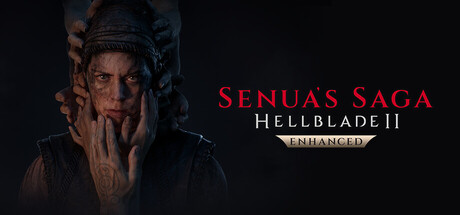
The sequel to the award winning Hellblade: Senua’s Sacrifice, Senua returns in a brutal journey of survival through the myth and torment of Viking Iceland. Intent on saving those who have fallen victim to the horrors of tyranny, Senua faces a battle of overcoming the darkness within and without.
Modeled estimate, not a reported figure. How we estimate →
Prices
The United States storefront in every case, so this compares stores and not countries.
Prices
Each in the currency that store quoted — not converted: the gap between two rows is the publisher's pricing, not an exchange rate.
14 of 15 markets; the rest we haven't asked for this title, not markets where it is unavailable.
Availability
We put this game to every storefront we collect. A market that answered not sold has told us something about the game; a market we never asked has not, and the two are never drawn the same.
About
The sequel to the award winning Hellblade: Senua’s Sacrifice, Senua returns in a brutal journey of survival through the myth and torment of Viking Iceland. Intent on saving those who have fallen victim to the horrors of tyranny, Senua faces a battle of overcoming the darkness within and without.
New update for 2025: Now enhanced with added features for new ways to experience the award-winning and critically acclaimed journey of survival.
• 'Very High' graphics preset added for Windows PC.
• The Dark Rot returns in a brutal combat challenge mode.
• Capture cinematic moments with additional Photo Mode features.
• Hear how Ninja Theory crafted an award-winning experience with the new Developer Commentary.
SENUA’S STORY CONTINUES
Senua returns in a brutal journey of survival through the myth and torment of Viking Iceland.
A CRAFTED EXPERIENCE OF CINEMATIC IMMERSION
Sink deep into Senua’s world and story, with beautifully realized visuals and encapsulating sound.
SENUA’S UNIQUE PERSPECTIVE
Experience the world through Senua’s eyes and ears, as a Celtic warrior who experiences psychosis.
JOURNEY INTO VIKING ICELAND
An epic journey across 10th century Iceland, recreated from real locations in stunning detail.
EVERY FIGHT TELLS A STORY
Brutal and visceral combat as Senua battles for survival.
AWARD-WINNING EXPERIENCE
Critically acclaimed winner at The Game Awards, BAFTA Game Awards and many more.
Genres
Add-ons
Each DLC is estimated with the same model as a game, then summed — a modeled figure, not reported DLC sales.
Sums Steam only; PlayStation publishes no volume signal, so the true total is higher by an unknown amount.
| Store | Price | Audience | Score | Chart | Est. revenue |
|---|---|---|---|---|---|
SteamYou are here | $49.99 | 10Kreviews | 87% | — | $11.9M |
| $69.99 | 4.1Kratings | 90% | — | not modelled |
Matched by title — a reused name can pair the wrong games. * is a critic aggregate. Prices and positions are each store's United States storefront; Epic charts worldwide. Audience and Score too, except Steam's, which is worldwide.
Updates
Build ids and update times come straight from Steam's PICS — the same source SteamDB reads. Patch history grows as we record new builds.
Engagement
Reviews
Themes across 971 recent reviews and how positive each mention is. A keyword signal, not full sentiment analysis.
Reviews
[h1] 地狱之刃2:将意识流与一镜到底贯彻到极致的电影化艺术 [/h1] 地狱之刃这个系列的游戏想必很多朋友都不陌生吧,这部作品是由忍者理论制作的,没错,就是曾经那个做出惊艳众人的《DMC:鬼泣》的忍者理论工作室,自系列前作《地狱之刃:塞娜的献祭》开始,该系列游戏给人的印象一直就与优秀的画面以及演出效果挂钩,而这一部作品也贯彻了游戏在这方面的优点。 系列点第二部《地狱之刃:塞娜的史诗》依旧延续了前作优秀的画面水准以及演出效果,游戏也是比较早使用UE5引擎制作的游戏,发布之初便是当时画面最好的游戏之一,并且延续了一镜到底的特点,游戏性方面虽然不是完美,但从电影鉴赏角度来看还是很不错的,与其说是玩游戏,倒不如说是看电影。 [h2] 塞娜的精神世界 [/h2] 游戏的剧情承接前作,《地狱之刃:塞娜的献祭》,虽然说本作有剧情回顾但我还是建议大家玩前作,剧情回顾讲的太云里雾里了,打折我记得就几十块钱,也不贵。 女主角名叫塞娜,她是一个凯尔特战士,由于悲剧的发生,她失去了爱人。因为这种打击,此后便受到自身的精神问题所影响,常常听到耳边传来讨厌的未知言语,被恐惧困扰而产生不安。她为了赎回爱人的灵魂,前往北方一个由死亡女神海拉统治的海姆冥界。但在这些过程中,伴随她同行的还有神秘力量。 本作剧情承接前作之后,塞娜不再只是被动承受痛苦,而是主动进入敌人的世界。她让自己落入北方奴隶贩子之手,目的是追到冰岛,拯救同样被掳走的人。开场的沉船、海岸、奴隶主、荒原,都在告诉玩家:塞娜已经不再只是和自己的精神创伤战斗,她开始面对一个同样疯狂的外部世界。 这一代剧情最重要的变化主要是塞娜的心境,是敌人从塞娜内心的阴影,扩展成了共同制造的恐惧。游戏表面上讲的是塞娜猎杀巨人。火山中的巨人、海边的巨人、最终笼罩人群的暴政巨人,看似都属于北欧神话式的怪物。但随着剧情推进,我们会发现这些巨人并不只是实体敌人,而是灾难、饥荒、背叛、权力操控和集体恐惧的化身。 这也是本作剧情最值得解读的地方:当一个村庄经历饥荒,人们需要一个解释;当统治者需要维持权力,他需要一个敌人;当普通人无法理解灾难,他们会把恐惧包装成神话。巨人于是就诞生了。它们既是塞娜眼中的幻象,也是人群心中的集体阴影。 因此,塞娜每一次击败巨人,真正完成的并不是武力上的胜利,而是认知上的揭露。她要找到巨人的真名,理解它背后曾经作为人的痛苦、罪孽或恐惧。换句话说,游戏里的解谜、战斗和剧情真相其实是一回事:看见隐藏在神话背后的人性。 而本作最终真正的反派也不是某个超自然存在,而是利用恐惧统治他人的人。这个设计让本作的主题从前作的自我救赎,转向了更大的问题:当一个人终于学会与自己的黑暗共处,她是否也能带别人走出被恐惧操控的世界? 塞娜的成长也因此更清晰。前作里,她要证明自己没有被黑暗吞噬;这一作里,她要证明自己不会把黑暗变成新的权力。而游戏的结尾最有力量的地方,不在于她是否杀死了敌人,而在于她意识到了,自己不能成为另一个用恐惧保护他人的统治者。 [h2] 游戏玩法 [/h2] 本作主要还是以解密的玩法为主,一般来讲是解密与战斗轮着来,但实话实说游戏的战斗确实一眼能看到底,和前作一样就是武器的轻重攻击以及闪避,很容易理解。 游戏内常见的谜题就是寻找特定符文形状。我们需要在岩石、树枝、阴影、建筑残片、光线之间调整角度,让看似混乱的场景在某一个视角下组合成正确图案。这种设计继承了前作的核心逻辑:谜题不是外部机关,而是塞娜精神感知的一部分。 这种谜题的优点是氛围很强,增加代入感,但问题也很明显:谜题类型太少,重复感偏强。 大多数谜题的基本流程都是:走进封闭区域,听见声音提示,寻找符号,调整视角,打开道路。中后期虽然加入了隐藏民、光影变化、场景转换等设计,但底层逻辑仍然相似。不过好在本作美术表现很高级,心理氛围也足够独特,因此玩起来还不会特别方感。 本作没有开放世界,没有装备收集,没有复杂技能树,也没有大量支线任务。流程推进非常电影化,玩家大多数时候是在沿着导演安排好的路线前进。 这样带来的好处就是沉浸感极强。游戏几乎没有多余界面,也很少打断情绪。镜头贴近塞娜,视野狭窄,声音不断压迫玩家,整段体验像被锁进一条黑暗隧道。你不会频繁打开地图,也不会被分散注意力,从代入感来讲,游戏在电影化方面还是做的很棒的。 [h2] 结语 [/h2] 我个人对于这类游戏电影化的游戏还是比较持正面态度的,虽然确实太过于意识流,哪怕在线性游戏里也是算比较窄面的,注重剧情与表达思想,而玩法上除了基础操作几乎也没别的了。 [h1][quote=] [table] [tr] [th] 欢迎关注 [b][u][i]U_U鉴赏家培养计划[/i][/u][/b][/th] [/tr] [tr] [th] 关注U_U鉴赏家,开启精彩游戏之旅。 [/th] [/tr] [/table] [/quote][/h1] 游戏的优化还算是不错的,估计这些年优化了不少,哪怕我的渣机稍微调一调也能稳60,目前游戏打折也不贵,感兴趣的朋友可以看看嗷
Media

Related
Related
Price dynamics, follower growth, revenue and sales trajectories with interactive tooltips
This and every other Pro feature is free until October 20, 2026. A free account is all it takes.
14 on sale1 answered “not sold”0 we did not ask
The 1 “not sold” market is read from the Steam price pass of Sep 2: that day the store answered for this game elsewhere and gave no price there. The 14 priced markets are the same rows as the table above — each the latest price we hold, dated here when it is older than that pass. The 0 marked “not asked” were not put to this store at all — either it has no storefront there or we do not collect it yet, and neither is a statement about the game. A refusal is a refusal on one day; a store can list a title again tomorrow.
Stats
All-time low is the lowest price we've recorded for this game since we started tracking it.
Languages: English*, French, Italian, German, Spanish - Spain, Arabic, Czech, Danish, Dutch, Finnish, Greek, Hungarian +15 more
Hours played at review time, across 973 reviews with recorded playtime.
positive critical· bar length = how often the theme comes up
It's a movie pretending to be a game, and about 80% of it is a dragged out walking simulator. If all that walking would have built up to some intense combat set pieces, maybe it would have been worth it, but the combat is just dreadful. When you're in a fight, you just want it to be over already. All the fights are similar, repetitive, and dragged out, and it's 100% on rails unlike the original which was, let's say, 50% on rails. You never even fight multiple enemies at once (which you did in the original), it's just one at a time, for like ten times each fight. The combat is done in a way to be extremely cinematic, which is cool for exactly one time, but loses its charm immediately after that when you realize it is essentially a quick time event. Sadly, this is not real gameplay, and it's not a real game. If it was a bad game but had a great story, I would forgive the dragged out time wasting combat and walking simulator moments. Unfortunately, the story isn't great. The narrative is somehow both extremely ambiguous and puddle deep at the same time, like the writers were trying to be mysterious but couldn't bother to actually do the work with consistent world-building. In the first game, this could be excused by believing Senua was sychzophrenic and everything happened in her head, but in this game she literally interacts with other characters who share her experience and the game does not for once challenge whether the events taking place are real or not. So the ambiguity in what the hell is going on is just bad writing. What's worse, the mystery surrounding the giants is written off so sloppily in the climax that I doubt even the writers understand what they were going for. It's completely inconsistent with previous sections of the game, as if the writers just decided to end it all of a sudden. And it's not just the overall narrative that's bad. The voices in your head, which were unique and interesting in Hellblade 1, are frequently awful here as they are just spoon-feeding you information that is obvious, to the point that they are just tedious. It just feels like 7 hours I will never get back in my life. It's a shame because I genuinely loved the original, despite its flaws. But hey, the graphics are nice!
Alright. [i]Senua’s Saga: Hellblade II[/i] is done and dusted. You know, I didn't particularly enjoy the first game, but in looking at this one and watching some of the trailers, I felt like it might provide a different experience for me, and as fate would have it, that ended up being the case. Or maybe I'm just in a different place in my life and what I enjoy. Dunno. https://steamcommunity.com/sharedfiles/filedetails/?id=3739462440 I think the thing to know going in is that this game is intense. The representation of psychosis seems pretty spot on from what I can tell and have been told by people who know more about this than I. It definitely is a prominent feature of the game that is at times uplifting but mostly dark and creepy. The doubt and fears Senua experiences are represented by the voices in her head. I think something this game does a good job of is blurring the lines between Senua's external reality and the reality she experiences internally via these voices. As a result, you could make arguments for everything being simply things she imagines. However, I prefer to keep things simple and take them as they are presented. The hallucinations seem pretty obvious and in an interesting twist, she does meet someone who recognizes what Senua is going through. Which causes the voices in her head to believe that he can hear them. Can he actually hear them? Probably not. But I think he recognizes the internal turmoil and conflict within Senua, and that's probably enough to be valuable to Senua and her path to be seen as a person rather than a burden and a curse. So, I prefer to take the bulk of the story as events actually happening, with interludes where Senua fights the demons in her head and struggles to hear her true voice amongst the many vying for her attention in her head. This is a world where myth and legend take form and walk the Earth, often to the detriment of the human communities living here. And while part of this journey is internal for Senua, her goal in this game remains the same externally throughout, which is to end the enslavement of her people at the hands of the Northmen. https://steamcommunity.com/sharedfiles/filedetails/?id=3739462463 To that end, she and her companions as she encounters them, will fight to free the communities they visit from the monsters that shackle them. This is represented by quite a few puzzle sequences where Senua will find a way to overcome these challenges to progress her quest and the story. None of them were particularly difficult, but some of the solutions were hidden behind clever design choices. There is also combat of course, and this is handled via standard light/heavy attacks and requisite parrying and bolstered by the power of the sun via a special mirror she possesses. I thought the writing as it pertains to character development in general was quite good and I also enjoyed the personal struggles both Senua and her companions had to overcome. The overarching storyline was also pretty good, although the final act was a bit confusing as it kind of leaves it up to you as to whether or not you really think any of this happened or not. Like I say though, I prefer to keep things simple, and I like the idea that it did happen. Mostly. :) The graphics are of course stunning. This is a bleak world with hints of natural beauty, but the representation of everything is visceral and evocative. This is a world that can, and in some part, does actually exist. It's a real treat (or torture) to visit these various locations. The star of the show is the voice acting, however. It's a masterclass in getting the most out of the actors, who were all believable and really brought life to the characters. Thórgestr was inarguably my favorite character and showed the most growth, but man did everyone do a fantastic job. The soundtrack and sounds of battle were also especially good. https://steamcommunity.com/sharedfiles/filedetails/?id=3739309273 Where this game struggled was with optimization. It's not the worst I've seen, but this game did both lag and outright crash with some frequency during certain sections of the game. Senua’s Saga: Hellblade II is on sale at the time of this writing, and it 100% earns that price. As long as you know that you're getting a very dark and often tragic story with some very graphic imagery and sounds as it pertains to death and loss, you're getting a game that respects your time and is well worth a look. [code]If you found this review helpful and would be interested in supporting my Curator group, [url=https://store.steampowered.com/curator/32549618/]Robilar's Reviews[/url], it would be appreciated. Cheers.[/code]
Hellblade 1 is a haunting and startlingly compassionate tale of life with a mental illness in cruel times, and of how the worst of it comes from people (often, well-meaning people!) around you. Hellblade 2 is a vikingcore fantasy lever-puzzle game with elements of jumpscare horror that reads like it was written by AI that someone had fed Hellblade 1 to. the Furies are now just mindlessly repeating the same words one after another, instead of narrating Senua's life and reminiscing about her past in areas that bring up her memories. they are no longer useful as a combat HUD, and instead became loadscreen tips. they went from cheering her on and tearing her down in equal measure, and escalating with how scared they sound with every next area that puts Senua herself under greater stress than the last one, to just a multitude of chatty narrators. the sense that Senua is an experienced, capable warrior is completely gone: every fight is now ONLY a series of 1v1 duels, she goes to the ground between enemies, she forgot how to punch (attack options are now fast/heavy, not fast/heavy/melee): contrast the time in 1 just before she goes into the water, when I was keeping two enemies in front of me, then a fury barked "behind you!" and I slammed the block key on a reflex, then watched Senua flawlessly parry a strike from a third that I hadn't realized had spawned in the first place. you're never going to get that in 2, and she's supposed to be older, more confident, and more experienced now. I'm watching the girl who once upon a time charged at something like fifty times her size while screaming "I have a sword here that can kill a god" and she is eating ♥♥♥♥ while the mooks politely queue up for her to be slaughtered. I keep having a persistent, underlying feeling, through the whole of Hellblade 2, that it tries to be clever about "aha! this part was real! gotcha! this part was not!" and sometimes it can't decide whether the suffering of outcasts and lonely desperates is a human thing, or a metaphysical cataclysm, like it expects brownie points for being 'clever' about this ambiguity. the sense of "the question of 'so was it real' comes with an in-built flaw, because ALL of it is real to her; this is how she has to live" has been completely obliterated. this feeling only compounds with the "congrats you beat the game!" reward becoming Now A Side Character Is A Fury. this betrays a complete lack of interest in and understanding of who and what the Furies ARE, from whoever's bright idea it was to write that in. in Hellblade 1, ALL of the greater challenges were built from things Senua was afraid of. in Valravn, she fights her fear of the dark and of being alone and helpless in it. in Surt, she fights her fear of fire, after what happened when she was five years old. in the dark rot, she fights her fear of the plague that took so many of her village neighbours, and the things she was told about being "cursed", that's where the meta-timer comes from. in the Beast, she faces more of the things she was told, and the person who said those things to her and that she then internalized to become the Shadow's voice. in Hela, she fights her inability to let go, and her need to do something when there is nothing left to be done. now she's in Iceland, zombies are real, and jotnar are either real or a metaphor for the consequences of hurting people. both the zombies and the jotnar are physical threats that everyone around her can also see and fight against. also, the fae or something are real, for some godforsaken reason. there is nothing in this game I liked better. some things are okay. I counted exactly three occurences when the Furies felt like they used to. ("you need him alive!" / "I don't want to go in the darkness again :/" / "changed? changed how? what does that mean." -> aloud "changed how?") they gave her a coat! she's still very kind! the game is a massive disappointment, even at half-price, but it was impossible to expect a good game after Microsoft bought out the studio. art dies at the hands of corporate cash grabs again. The best part of this game is the soundtrack. I'm glad they hired Heilung and STFUR for it.
Somehow a lesser game than its predecessor in every possible way. Senua barely feels connected to this story. The third chapter, which constitutes the biggest chunk of the game, sees you in a near endless succession of repetitive puzzle/combat scenarios that lead nowhere. I stopped playing to do something else twice during this sequence, because it was that boring. I don't mind purely narrative experiences. I genuinely love the first game, but everything here is scaled back to focus purely on visuals, yet the majority of this game is just an empty rock field and caves. None of the imagination or creative choices from this team are on display here at all. I'd call this a poorly paced narrative, but there would have to be a narrative to speak of. The idea that there are real monsters forcing Senua to grapple even more with what's real or not is an enticing hook, but completely unexplored in any meaningful way.
一般我都习惯玩完游戏再评价,尽量做到全面。但这个游戏玩到第二章不想玩了,两章足够见微知著,不想委屈自己了。 目前为止遇到的男角色5个、男小怪17个。女角色/女声,加上主角一共4个,其中一个还是一见面就被男虜隶主杀死的女虜隶。相较男小怪,主角体型小、瘦,还留长发。 主角有男性缘,开篇背景故事介绍主角因和男恋爱感受到救赎,男友死后主角很痛苦,被牠的死所驱动踏上复仇之路。游玩过程中也一直念叨此男,主线故事恐怕会和这个男的强绑定。 ”阴影“男声既傲慢又神神叨叨,一直跟在身边更是烦得要死,和地平线零之曙光的赛伦斯一样老登。精神世界的第三人称碎碎念旁白感觉也挺尴尬的。 文本和翻译男本位、有忤女词:英雄、他妈的。 游玩及实战时没有技能、按键教学,就开头放个按键表让玩家看一眼自己对照,破坏沉浸感。战斗教学不清不楚的,手感也差。 第一章遇到一个男虜隶主怪,即使开简化模式了,还是会被对面多次打倒、戏耍,非常不爽!最后主角打赢了还下不去手杀死对面,让牠带路。一边听对面放狠话、一边心里后悔不杀牠。真的醉了,如此憋屈。
Senua’s Saga: Hellblade II is a game that is difficult to judge by normal action-adventure standards. It is not trying to be a big open-world game, a deep combat system, or a long RPG. Instead, it is a dark, cinematic and psychological journey where atmosphere, sound, visuals and emotion are more important than traditional gameplay depth. The first thing that stands out is the presentation. Hellblade II looks incredible. The environments are detailed, realistic and oppressive. Every location feels cold, dirty, dangerous and alive. The game uses lighting, weather, facial animation and camera work extremely well. It often feels less like a game scene and more like a high-budget film that you are slowly moving through. The world is beautiful, but not in a comfortable way. It feels harsh, violent and heavy, which fits Senua’s story perfectly. The sound design is one of the best parts of the whole experience. This is a game that should absolutely be played with headphones. The voices around Senua are not just background noise; they are part of the storytelling and part of the gameplay atmosphere. They create tension, confusion, fear and sometimes even a strange sense of support. The audio makes the player feel closer to Senua’s mental state, and it gives the game a very unique identity. The story is serious, emotional and disturbing. Senua is still a powerful main character because her struggle feels personal. The game focuses on trauma, fear, belief, violence and survival. It does not treat these themes lightly. The tone is dark from beginning to end, and the game clearly wants the player to feel uncomfortable rather than simply entertained. For players who enjoy psychological storytelling, this is one of the strongest parts of Hellblade II. However, the game also has clear weaknesses. The biggest problem is that it gives the player very little freedom. Most of the time, you are walking forward through a carefully directed path. Exploration is minimal, and the game rarely lets you step away from its main route. This helps the cinematic feeling, but it also makes the experience feel restricted. Some players will love the focus, while others may feel like they are watching the game more than playing it. Combat is visually impressive, but mechanically simple. Fights look brutal and intense. Every strike, dodge and parry has weight, and the close camera makes battles feel personal. But after a while, the combat becomes predictable. There are not many options, enemy variety is limited, and the system does not develop much over the course of the game. It is exciting to look at, but not especially deep to master. The puzzles are also not very challenging. They usually fit the atmosphere and visual style, but they can feel slow and repetitive. Many of them are based on observing the environment or finding patterns. These sections can be beautiful, but they rarely feel difficult or clever. They mostly exist to support the mood rather than to test the player. Pacing is another issue. Hellblade II is intentionally slow. This works well for building tension and atmosphere, but it can also become tiring. There are many moments where the game forces the player to move slowly, listen, watch and absorb the scene. If you enjoy immersive storytelling, this can be powerful. If you prefer active gameplay, it may feel frustrating. The length may also disappoint some players. The game is not very long, and there is limited reason to replay it unless you want to experience the story and atmosphere again. There are no major choices, no deep progression system and no large amount of side content. It is a focused experience, but that also means the amount of actual gameplay content is limited. Still, Hellblade II succeeds at what it wants to be. It is not trying to please everyone. It is a very specific type of game: cinematic, emotional, dark and highly atmospheric. Its best moments are genuinely memorable. The visuals, sound and acting create an experience that feels intense and personal. Few games are able to create this level of psychological pressure and visual realism. At the same time, it is important to be honest: as a traditional game, it is not very deep. The combat is simple, the puzzles are basic, and player control is limited. Hellblade II is strongest as an artistic and emotional experience, not as a complex action game. + Pros Amazing graphics and realistic environments Excellent sound design, especially with headphones Strong atmosphere from beginning to end Emotional and mature story Powerful main character performance Cinematic combat that feels intense No unnecessary filler Unique psychological style - Cons Very linear Limited exploration Combat looks better than it plays Simple puzzles Slow pacing may not suit everyone Short length Low replay value More cinematic than interactive Senua’s Saga: Hellblade II is a beautiful, disturbing and emotionally heavy experience. It is not a game for everyone. Players looking for deep combat, freedom, long progression or open-world content may be disappointed. But if you enjoy cinematic storytelling, dark atmosphere, psychological themes and outstanding audiovisual design, this game is absolutely worth playing. It is not perfect as a game, but it is extremely strong as an experience. Final Score: 84/100
Quite possibly the most unnecessary sequel to what I consider one of the most perfect games. The visuals have become more realistic than ever, the vocal and motion performances are still as outstanding and music still elevates every fight and breathtaking sprint through a madness inducing setting. So what gives? The combat actually got way worse. While it has become quite a bit more cinematic and diegetic, since the game takes away your control all the time it's difficult to tell whether something has happened because you did something or it's just a very integrated cutscene. There is a very real disconnect from the inputs and it will lead to your death. A lot. Exploration is a chore. There is about the same amount of things to find and discover in the nooks and crannies of the setpieces, but with the run speed being slowed, any time you are not walking in a straight path to your destination feels like a punishment. Sure, I could go off and find a collectible by walking to this side, but what if I don't find anything? That's five seconds of backtracking that feel weirdly like an eternity. With all the visual fidelity the only environments you really encounter are a variation on dark cave or generic Icelandic landscape. There is very little to catch your eyes on. The massive mountains and eruption plumes are impressive, but melt into the background and landmarks fail to provide you any sense of progression. Not that there is any progression. The narrative fails to define any real goals and as such Senua doesn't really experience any real growth. The only points the game actually makes have already been made in the previous game, but it doesn't feel clever enough to be cyclical in a postmodernist sense. The puzzles are actually exactly the same. Instead of gateways it's braziers, but they do exactly the same thing to the environment. There are fewer of them, replaced by more walking. The voices in your head do not break out into a panicked crescendo interrupting each other and dragging you deeper into Senua's condition to the point of making you question if it is you or your character hearing them. They now patiently wait for their turn or a convenient trigger. That's not mental illness, that's just superfluous narration. It's difficult to imagine what could make a deserving followup after playing the first game and it is quite possible that this one is the best case scenario. But if it is, maybe there should have been just the one game. Microsoft is the worst thing to have happened to Ninja Theory.
Кусок неоптимізованого калу. Наймразотніший слоп з усіх Анріал слопів. Сюжет - ні про що. Рівні - один суцільний коридор. Геймплей - затиснута кнопка "вперед". Клянусь, більшу половину часу, витраченого на гру, я просто плентався за різними персонажами, вислуховуючи їхні безкінечні монологи. А ще пригадую момент, коли Сенуї потрібно було проповзти 2 метри по вузькій ущелині. Вона стогнала добрих 3 хвилини, продираючись крізь каміння, а я весь цей час сидів, як ідіот, і тиснув "вперед"... В житті так весело не було! Ага. Вищеописаний маразм періодично розбавляли небагаточисельні загадки і бої. Отут мушу віддати Hellblade II належне. Бойова система хоч і проста (удар, блок, ухилення), але чорт забирай, яка ж вона видовищна! Поєдинки на мечах захоплюють дух і максимально погружають у хаос битви! Ну, в ті рідкісні моменти, коли фпс не падає нижче нуля. А ще у грі лише один бос... Загалом, даунгрейд після першої частини просто колосальний. Сенуя скотилася із чудової пригоди в симулятор ходьби, якому потрібна топова відяха, щоб відрендерити кусок землі і дві халупи. Я майже ніколи не пишу негативні огляди, але проходити Hellblade II було боляче фізично. Просто шмат лaйнa. Це все, що я можу сказати.
С одной стороны, это одна из самых красивых игр, в которые я вообще играл. Иногда ловил себя на мысли, что смотрю не игру, а какой то дорогой фильм. Детализация лиц, анимации, пейзажи Исландии - всё выглядит просто невероятно История продолжает путь Сенуа, которая борется не только с внешними врагами, но и со своими внутренними демонами. Атмосфера здесь по прежнему главная звезда. Голоса в голове постоянно что-то шепчут, комментируют происходящее, сбивают с толку или наоборот помогают. В наушниках это работает просто отлично и местами реально заставляет чувствовать себя неуютно Но если говорить про геймплей, тут уже есть вопросы. Бои стали зрелищнее и выглядят очень кинематографично, но по сути остаются довольно простыми. Противников немного, механик тоже. Пазлы практически такие же, как в первой части. Найти символы, внимательно осмотреть на окружение, двигаемся дальше. Иногда это работает на атмосферу, но временами начинает повторяться Самое сильное во второй части это эмоции и подача. Игра постоянно пытается погрузить игрока в состояние Сенуа, показать её страхи, сомнения и переживания. В некоторых сценах это получается настолько хорошо, что забываешь про сам игровой процесс При этом всем понимаешь, что это не экшен в привычном смысле и не РПГ. Здесь нет прокачки, открытого мира или большого разнообразия механик. Это скорее интерактивное приключение на 6–8 часов, которое делает ставку на историю, визуал и атмосферу После прохождения у меня осталось ощущение, что Hellblade 2 - это скорее художественное произведение, чем игра в классическом понимании. Она не пытается развлечь каждую минуту, зато умеет впечатлять и оставлять после себя эмоции. Не идеальное продолжение, но очень сильное атмосферное приключение, которое точно стоит пройти хотя бы ради визуала, звука и истории Сенуа 8.5/10
Active players
Estimated daily and monthly active players (DAU/MAU) modeled from peak concurrency.
Players by region
Where this game's players are, estimated from review languages.
Players also reviewed
The games this title's players most often review too — audience affinity.
Related
| Game | Estimated lifetime revenue | Reviews | Review score | Price |
|---|---|---|---|---|
| — | 0 | — | — | |
| $36.4M | 66.8K | 90% | $29.99 | |
| $598K | 1.7K | 71% | $19.99 | |
| $35.2M | 19K | 80% | $69.99 | |
| $214.6K | 492 | 80% | $17.99 | |
| $41.8K | 155 | 75% | $11.99 |
Related
| Game | Estimated lifetime revenue | Reviews | Review score | Price |
|---|---|---|---|---|
| $11.9M | 87.7K | 95% | $7.99 | |
| $11.8M | 85.7K | 90% | $4.79 | |
| $11.8M | 6.9K | 49% | $59.99 | |
| $12M | 18.3K | 95% | $16.24 | |
| $12M | 21.2K | 79% | $16.99 | |
| $12M | 56.3K | 90% | $6.99 |