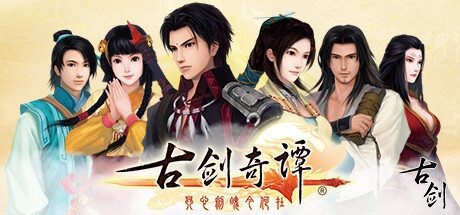
《古剑奇谭:琴心剑魄今何在》(《古剑奇谭》)由网元圣唐旗下上海烛龙自主研发,于2010年7月正式发行,是国内首部全程配音的大型3D仙侠类单机角色扮演游戏。 游戏采用架空的历史设定,在其中融入了众多真实的人文地理风貌,通过合适的方式,将这些带有浓郁古韵和中国味的风物呈现在玩家的眼前。
Modeled estimate, not a reported figure. How we estimate →
Media

About
Genres
Stats
All-time low is the lowest price we've recorded for this game since we started tracking it.
Languages: Simplified Chinese**languages with full audio support
Engagement
Hours played at review time, across 45 reviews with recorded playtime.
Reviews
Themes across 45 recent reviews and how positive each mention is. A keyword signal, not full sentiment analysis.
positive critical· bar length = how often the theme comes up
Reviews
玩了几次怎么进不去游戏了 总是卡在主界面
如果你们要把老游戏放在steam上卖,并且声称支持新操作系统,那至少咱们的游戏得能正常运行吧,到了城镇里买个东西闪退一下,也没有自动存档,这BUG你们真的不知道吗?
各种bug闪退,烦死了,第一次遇到那么多bug的游戏
这里给没玩过的玩家说说游戏的几个问题吧,一个是游戏战斗系统要注意各种相克且怪的攻击都很高,不论你的等级多高、装备多强都有可能2回合就被秒了。第二是人物建模很容易卡住,需要多转几个角度试试。还有一个就是游戏闪退问题了,建设用老设备来跑或者用集显试试,在买装备的时候要特别注意会闪退,其它地方没遇到过。游戏的剧本还好。想看RPG故事的可以一玩,另外这个游戏可以用小幸修改器来修改有很多功能很方便。
This game has really great music. I still listen from time to time. It's all on Youtube. The characters and story are well written, as far as I could understand it. Half the time I couldn't understand what they were saying, because the language level is pretty advanced. It's a shame that the developers have blocked a fan translation from becoming official. At least, that's what I read on the forums. the game was hard af in terms of gameplay. Even the developers seem to know, because you can get a couple of OP weapons at an early point in the story. it was still a struggle with those. There's a lot of potential in this series. A 4th title, called Swords of Legends, is in the works. They take their time to make something good.
除了画质,这个游戏的其他方面都不输现在的很多游戏。
由于游戏已经挺老了,陆陆续续遇到很多问题。 打不开游戏考虑是否CPU大小核问题,关掉小核即可。对话闪退等调低画质特效和分辨率即可。 回到游戏本身,最好的还是剧情啦,没话说上等的。游玩体验上,老RPG的问题都有,行动不便,战斗拖沓,练级枯燥,迷宫折磨。但是什么五行相克,星蕴加点,烹饪甚至家园系统,不说做得很好,至少有一点深度。总体不错,在2026年依然是值得体验的作品
GuJian is a fantasy role-playing game developed by Aurogon and published by Beijing Wangyuan Shengtang Entertainment Technology Co., Ltd. that combines traditional Chinese mythology, emotional storytelling, and classic RPG progression systems into an adventure driven by both personal tragedy and larger supernatural conflict. As the foundation of the GuJian franchise, the game established a strong identity through its focus on character relationships, mythology-inspired world-building, and cinematic presentation. Rather than relying entirely on action or spectacle, GuJian builds its appeal through narrative depth and gradual emotional development that unfolds over a lengthy journey. The story centers on Baili Tusu, a swordsman burdened by a painful history and mysterious forces tied to his past. After experiencing devastating events early in life, he grows up carrying emotional scars alongside supernatural dangers connected to his existence. His search for answers becomes the driving force behind the adventure, but the journey gradually expands beyond personal revenge or self-discovery. Hidden conspiracies, ancient powers, dangerous enemies, and unexpected alliances slowly reshape his purpose while drawing him deeper into conflicts far greater than himself. One of GuJian’s strongest accomplishments comes from its storytelling approach. The narrative takes time to build relationships rather than rushing players from one dramatic event to another. Party members are not simply companions added to strengthen combat performance. They arrive with their own motivations, fears, and personal struggles that evolve throughout progression. Conversations between characters help create emotional investment, making victories feel more satisfying and losses carry greater impact. The game succeeds because it treats relationships as equally important to larger story developments. The world itself becomes another major highlight. Deeply influenced by Chinese mythology and traditional fantasy themes, GuJian creates an environment that feels distinct from more familiar Western fantasy role-playing settings. Spiritual traditions, ancient legends, mythical creatures, and supernatural philosophies shape the adventure from beginning to end. Villages, mountain landscapes, sacred locations, forests, and hidden ruins create environmental variety while reinforcing the game’s cultural identity. Exploration feels rewarding because the world carries history and atmosphere beyond simple visual presentation. Combat follows a turn-based structure supported by tactical decision-making and character specialization. Battles encourage planning rather than relying purely on reaction speed. Players manage party composition, abilities, and resource usage while adapting to different enemy encounters. Each character contributes unique strengths that influence combat strategy, helping battles remain engaging across longer sections of progression. While the system reflects traditional RPG design philosophies rather than modern action-heavy approaches, it supports the game’s slower pacing effectively. Character growth systems provide satisfying progression throughout the adventure. Party members improve through experience gains, equipment upgrades, and ability development that gradually expand combat options. Strengthening characters becomes rewarding because advancement feels consistent without becoming unnecessarily overwhelming. The progression systems remain approachable while still offering enough customization to support different preferences. Additional mechanics contribute further personality to the experience. Crafting systems and cooking elements provide smaller moments of interaction beyond combat and story progression. Gathering materials and preparing helpful items strengthen immersion while creating quieter moments between larger narrative developments. These systems help reinforce the feeling of participating in a larger living world rather than simply moving between story objectives. Visually, GuJian reflects its original release era but remains effective because of artistic direction rather than technical ambition alone. Environmental design captures the atmosphere of its mythology-inspired setting successfully. Character designs remain memorable, while cinematic sequences help major story moments carry greater emotional impact. Although newer RPGs naturally offer more advanced visual technology, GuJian continues to hold appeal because its presentation supports storytelling effectively. Music becomes another important strength throughout the experience. Emotional themes help strengthen major scenes while environmental compositions reinforce atmosphere during exploration. The soundtrack works particularly well because it complements the slower pacing rather than competing against it. Combined with voice acting and strong visual direction, the audio design contributes heavily to immersion. The game's deliberate pacing may not appeal equally to every audience. Players expecting nonstop combat or heavily streamlined progression may occasionally find sections slower than contemporary role-playing games. Certain gameplay systems also reflect older RPG design philosophies that require patience. However, players willing to embrace the slower structure will likely appreciate the stronger emotional payoff that develops over time. What ultimately separates GuJian from many fantasy role-playing games is its commitment to storytelling and mythology. Aurogon created an adventure where emotional growth, companionship, and personal struggle carry equal importance alongside larger supernatural conflict. The fantasy world feels rich with culture and history, while character development remains consistently central to the experience. For players who enjoy story-focused RPGs, mythology-inspired fantasy settings, traditional progression systems, and character-driven adventures, GuJian delivers a memorable experience filled with emotional moments and strong world-building. Even years after its original release, its narrative strengths continue making it an important title within fantasy role-playing games. Rating: 8/10
没有自动存档的游戏都是傻逼游戏
“九重环佩艳琳琅,一段红绡旖旎长。 昔日匣中三尺水,曾与明月斗青霜。”
Related
Related
Trends
Modeled estimate over time, reconstructed from Steam's monthly review histogram.
Engagement
DAU/MAU are modeled from peak concurrent players (≈×8 and ×28) — Steam publishes no active-user counts, so treat these as rough estimates, not reported figures.
Audience
Estimated from the language of this game's reviews — a proxy for where players are, not official Steam demographics.
Related
| STAR WARS™: Dark Forces Remaster | $516.8K | 1.6K | 90% | $29.99 |
| Neon Drive | $516.2K | 2.2K | 83% | $9.99 |
| Sex, Secrets & Used Tech | $516K | 841 | 85% | $16.99 |
| Baldur's Gate: Dark Alliance II | $516K | 662 | 78% | $39.99 |
| Lone Survivor: The Director's Cut | $515.8K | 1.3K | 85% | $9.99 |
| Warhammer 40,000: Armageddon (Classic) | $518K | 935 | 82% | $19.99 |