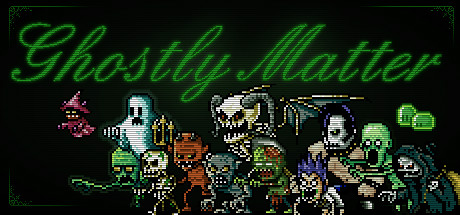
Ghostly Matter is a metroidvania with elements borrowed from graphic adventures. The year is 1986. A professor obsessed with the paranormal, an old friend who disappeared mysteriously. Time to arm yourself with the best anti-ghost technology and set off in search of the truth.
Modeled estimate, not a reported figure. How we estimate →
Media

About
Stats
All-time low is the lowest price we've recorded for this game since we started tracking it.
Languages: English, Italian, French
Engagement
Hours played at review time, across 40 reviews with recorded playtime.
Reviews
Themes across 40 recent reviews and how positive each mention is. A keyword signal, not full sentiment analysis.
positive critical· bar length = how often the theme comes up
Reviews
The central mechanic in this game allows you to shift into the ghost realm by hitting RB, which lets you see hidden enemies and different paths forward, but doing so costs you health and battery power, so you can't keep it on all the time. You have to flick it on and off frequently. The game says it's about "exploring", but what this amounts to in practical terms is hitting B in front of anything and everything that looks like it stands out from the environment. Or any part of the environment that looks like it belongs there too much. Sometimes things that do nothing when you hit B now will do something when you hit B later, after you've unlocked something else, so you really do have to check everything you walk in front of constantly, and can't rely on checking only what you haven't seen before. The combination of both of these features results in gameplay that is essentially me hitting B and RB constantly while I walk around the levels, and it's wearing out my fingers. All of the game's good aspects pale in comparison to this. I cannot recommend.
[url=http://store.steampowered.com/curator/32482033/]Crim's Humble Opinion Curator[/url] A very interesting metroidvania game that pays homage to 80s horror and point and click adventure games. You play a professor who is checking into a friends disappearance. At first I honestly didn't care for this game but as I'm getting into it more and understand how things work I see it as a really neat game. You have to run around and find different items that are used for various puzzles and doors. All while shooting zombies and ghosts. As you are running around you have to use a polterscope to find clues and see ghosts. Use it too long and you take damage to insanity. The writing to the game is also pretty witty and clever. It is all presented in a very retro game feel. The game can be pretty difficult at times. I'm playing on the easiest difficulty which allow you to continue at full health at save points spread throughout the map. I'm not sure if this is true on higher difficulties. Like some older games enemies will reappear when you re-enter an area. Sometimes placement of enemies either right in front of a door or at the edge of a ledge you have to jump up or down to can be annoying. You have no way to shoot down so if something is below you; you just have to take the hit and move on. The map is nice but it could be better. You have to know the areas pretty well by memory instead of looking at the map and know where you are at and going. It also doesn't help that you can only see a small portion of the map instead of the map as a whole. It can take quite some time to traverse the map so a quick travel system of any sort would be nice but I understand that wasn't really the norm for the type of game this title seems to be paying homage to. [h1]Pros[/h1] +Great written humor +References +Interesting mechanics with the powerups [h1]Mix?/Con[/h1] ~/-Enemy placement needs work ~/-Map and map traverse could use improvements This is a pretty fun title once you get used to the way the mechanics work. You will be exploring a huge map of 600 rooms and solving the mystery slowly. After playing three hours I feel like I've only scratched the surface and am enjoying everything new I see; so I can easily recommend this one.
Не рекомендую. На вид очень симпатичная пиксельная метроидвания, но играется плохо, баланс крайне нездоровый. Дамага отовсюду входит много, мобы постоянно возрождаются, а аптечек практически нет и чекпойнтов очень мало. Запросто случается, что убил скелетов около какого-нибудь склепа, входишь, берешь нужный предмет, выходишь из склепа - оппа, все убитые ожили и стоят вокруг тебя и ты без вариантов теряешь половину здоровья (а аптечек, напоминаю, почти нет). Умираешь, бежишь заново десять экранов от чекпойнта до нужного склепа, в очередной раз убивая по пути всех скелетов, которые опять ожили. И так много раз. И еще одно гениальное решение - в игре много невидимых врагов, которые видны только в особом режиме "призрачного зрения", активация которого высасывает здоровье. Т.е. ты просто не можешь убить призрака, не получив дамага - как минимум гарантированный дамаг придет от призрачного зрения, которое должно быть активно весь бой; плюс, его даже в мирное время постоянно приходится включать на секунду, чтобы пингануть, нет ли вокруг призраков. В результате ты постоянно теряешь здоровье, даже если тебя никто не бьет (я уже говорил, что аптечек в игре практически нет?) Рефанд.
Il titolo mi mette in difficoltà. Sono arrivato alla fine convinto di bocciarlo per vendetta. Una vendetta causata non dalla sua difficoltà o da qualche mia frustrazione che volevo sfogare dando la colpa a qualcun altro, ma perché ritengo che il gioco abbia dei gravi problemi di design. Spesso bestemmiavo non perché era colpa mia, ma perché c’era oggettivamente qualcosa fatta male e inspiegabilmente lasciata lì come se nulla fosse. Come se fosse naturale, come se lo sviluppatore (una sola persona da quello che ho capito) ritenesse divertente robaccia che non lo è (cosa che purtroppo accade spesso in questo mondo: per me è un mistero). Ma bando alle ciance, ora parlerò solo degli aspetti negativi ma anticipo il motivo del mio pollice in su: perché mi dispiaceva penalizzare una esperienza comunque nel complesso molto piacevole e cicciotta. Una ventina di ore di metroidvania che giustificano appieno il prezzo del biglietto. Ma ora basta, non è giusto fare troppi complimenti. Perché il trambusto iniziale? Il gioco non è difficile, ma è reso difficoltoso (non in termini di sfida, ma di fastidio) in modo gratuito, lungo la strada che non porta al divertimento. I guai che gli imputo sono pochi ma estremamente pesanti, da qui le mie perplessità sul motivo della loro presenza: se mi accorgo di una trave in un occhio me la levo, no? 1- il sistema di controllo non configurabile. Il che mi sta anche bene se fosse ottimale e ben pensato. In questo caso invece è pessimo. Andando avanti nel gioco si riesce a fare bene, ma solo perché dopo più di 10 ore subentra una specie di controllo mnemonico… il che non giustifica la scelta dello sviluppatore. Uno dei problemi del titolo è quello che per tutta la durata del gioco, ma soprattutto per le prime, TANTE ORE, la gran parte dei nemici è invisibile. Si tratta dei fantasmi, i quali per essere colpiti necessitano di essere visti in una specie di mondo alternativo che deve essere switchato con quello reale tramite uno dei dorsali del pad (R1). Già l’uso di questo tasto è scomodo (e si spara con il grilletto R2… fate voi il casino), ma quando vi accorgerete di doverlo premere ogni 5 metri (pena il fantasma che vi colpisce e voi che rinculate all’indietro, come nel peggior tratto dei giochi della fine degli anni 80) allora metterete il tutto in pausa e rimuginerete sulla cosa toccandovi il mento davanti lo schermo: “ma che cazz…?”. Cioè, davvero: ma perchè se devo sparare un nemico devo switchare in continuazione per ore e ore? È un mistero, nemmeno la parapsicologia potrebbe dare una spiegazione razionale a questo. Più avanti nel gioco le cose migliorano leggermente, perché acquisirete un sensore che vi avviserà della vicinanza dei fantasmi (il che è solo un suggerimento per fare lo switch in quel momento) e in seguito la possibilità di colpirli anche nel mondo reale (ma solo verso la fine e comunque con i fantasmi invisibili); 2- il gioco salva solo in corrispondenza di checkpoint a forma di dischetto rotante. Mi sta bene, non è quello il problema. Ma è la scelta del loro posizionamento che è squilibrata. A volte se ne trovano di vicini, altre volte dopo schermate e schermate di capriole e acrobazie (di cui parlerò tra poco), e altre volte ancora sistemate mediante la tecnica nota come “a cazzo di cane”. Esempio: arrivo in una stanza – check point – cambio stanza – inizia un dialogo - vado avanti e muoio. Ripeto dal check point… e devo riascoltare il dialogo. Mi chiedo come possa essere complicato pensarla così: “devo mettere un check point lì e subito dopo un dialogo? Perché mai? Prima il dialogo, e nella stanza successiva il check point.” Qualcuno contesterà: puoi salvare al check, entrare nella stanza seguente, terminare il dialogo, ritornare indietro al check e risalvare. Perfetto: la pazzia. 3- le piattaforme a distanza siderale con i salti al millimetro. Qui forse si è esagerato e secondo me si dovrebbe finalmente mettere una parola fine a una delle grandi porcate che si vedevano negli anni 80-90 nei Platform 2D: i salti alla Willy il Coyote, quelli in cui il tuo personaggio rimane sulla piattaforma anche quando è completamente esposto al vuoto, tranne un pixel della dimensione di 0.05 mm. Il problema è che in questo gioco l’aspetto difficoltoso È SOLAMENTE QUESTO. I combattimenti sono divertenti, i boss intelligenti e non troppo complicati (non hanno infiniti HP e adottano dei comportamenti da analizzare e controbattere), ma il resto è rovinato dai salti. Che si accompagnano alla mappatura dei tasti sul controller. Nemmeno il doppio salto (acquisibile in seguito) diminuisce il problema. Immaginate di arrivare sul bordo di una piattaforma: l’altra la vedrete distantissima e lo sviluppatore, coscientemente, l’ha posta al limite massimo ammissibile con la routine del doppio salto. Mi chiedo qual è il meccanismo mentale per cui un giocatore dovrebbe trovare piacere in questo. Soprattutto quando, dopo essere caduti in una vasca inutilmente profonda, si muore e si deve ripetere da 10 stanze più indietro. È divertente rifarlo? Non lo capisco, davvero. Fosse quello il solo problema: i tasti sono poco responsivi, per cui il doppio salto a volte non viene letto (e non ne voglio sapere: ho un controller XBOX che funziona alla perfezione). Non sapete quante volte sono caduto di giù proprio perché nel mezzo di quei salti non mi partiva il secondo jump e andavo rovinosamente incontro alla morte. Ho bestemmiato tanto e quando lo facevo non riuscivo per nulla a dare la colpa a me stesso. La colpa è del gioco e di come è stato progettato. Perché la difficoltà di queste situazioni è legata all’interfaccia gioco-giocatore, non all’abilità del giocatore e alla sfida su schermo. E a tutto questo si somma il fatto che la telecamera non mostra le piattaforme fuori schermo mentre si è in discesa. Farete tuffi trial and error per capire cosa sta di sotto… 4- la posizione di alcuni nemici che garantisce il danno qualsiasi cosa tu faccia, come i fantasmi disposti sulle scale mentre si sta scendendo: si deve perdere energia, non si scappa… sono senza parole: anche qui, ma perché? 5- l’inventario è scomodo, così come la sua limitatezza. Vi ritroverete ben presto a dover usare oggetti per il ripristino dell’energia solo perché manco gli oggetti necessari all’avventura ci entrano… 6- Nel richiamare l’inventario avrete la mappa davanti. Che consulterete spesso verso la fine, ma che è pessima e da fare vedere a un corso di game design per gli errori da non commettere. Non capirete mai dove siete e in quale locazione dovreste andare (anche sapendo DOVE dovreste andare), sia perché è anonima senza nessuna indicazione, sia perché è zoomata. Il gioco infatti si sviluppa in un sistema interconnesso di ambienti gigantesco (il che mi piace), ma la mappa vi farà vedere, su un francobollo, solo le immediate vicinanze. Siccome si tratta di un metroidvania e dovrete ritornare spesso anche nei luoghi iniziali, osservare solo le immediate vicinanze sulla mappa vi farà perdere l’orientamento. Bocciata con lode. Alla fin fine sono sceso a compromessi. Il gioco alla fin fine merita e non me la sento di contribuire con il pollice verso su Steam, ma merita anche che si parli solo dei suoi difetti. E qui ci troverete solo quelli, perché è giusto così. E se qualcuno mi dovesse chiedere come mai l’ho terminato, la mia risposta è “perché sì”. 6/10.
[h1] The Metroidvania Review[/h1] [url=https://metroidvaniareview.com/2018/08/01/ghostly-matter/] Scored Summary[/url] | | [url=http://store.steampowered.com/curator/30503887/] Subscribe to our Curator [/url] [b]How Metroidvania is it?[/b] Medium Fit – There is exactly one movement based upgrade and one weapon that is required to progress. The rest of progression is done through object and riddle puzzle solving, similar to La-Mulana but not nearly as difficult. [url= https://steamcommunity.com/groups/MetroidvaniaReview/discussions/1/1735465524721167133/] Want to hear a different opinion, or want to share your own review? Check out our Forum here.[/url] [h1]Full Review[/h1] [i]The Review Code for Ghostly Matter was provided through the Curator Connect Program.[/i] If you are coming from the curator, then you have already seen the score of 2.5 I've given this title. This score indicates that I am pretty close to the edge of recommendation with [i]Ghostly Matter[/i], however, foreknowledge of at least one future patch and a love for all of the good things this game does has tipped me to the thumbs-up, though this is definitely not a game for everyone. If you grew up playing games in the 90s, [i]Ghostly Matter[/i] has the [i]feel[/i] of Lucas Arts adventure games like Maniac Mansion or PC platformers like Commander Keen. Many indie games use this sort of aesthetic to provide a nostalgic high, but it's more common that these games only capture the look of the past. [i]Ghostly Matter[/i] on the other hand fully embraces much of the past that has been since discarded, including ambitious level design ideas and hardcore mechanics that some might consider "Unfair." While I do think that [i]Ghostly Matter[/i] is absolutely and completely unfair with some of its systems - and that is my primary warning against buying this game - I also think that most of its egregious errors are simply a patch away from fixing, and everything else is fine as-is, being more a matter of preference rather than poor game design. At its heart, [i]Ghostly Matter[/i] is an Adventure Game and Metroidvania hybrid. Before you find a single monster you'll be searching for the right widget to shove into a puzzle keyhole, setting the tone for the primary challenge of the game. This focus is bound to create a lot of "Where the crap do I go?" moments, but in my opinion the puzzles are the best designed part of the game. If you are observant and have a good memory (or take good notes), the game provides enough clues that simply exploring the mansion and carefully checking every nook and cranny will avoid too much backtracking. In the game's current state there are a couple of instances that did require me to traverse the entire map (taking up to 10 minutes at times) which did feel a little tedious. Furthermore the map on the inventory screen does not allow you to scroll around to see the whole mansion, which makes it next to useless to look for hidden doors that you might have missed. However, Small Bros has contacted me and informed me that based on player feedback, sometime in September 2018 there will be a patch that will add in fast travel, which could potentially address all of these complaints, leaving only a fine Adventure Game experience left. Where the game gets trying for me though is the action segments. I am grateful that the difficulty is adjustable at any point in the game because [i]Ghostly Matter[/i] can be very frustrating. The primary mechanic of the game is centered around these goggles that allow you to see ghosts and other secrets, a la the Lens of Truth in many Zelda games. The goggles use batteries as well as drain your health, so you can't simply walk around in viewfinder mode, which forces you to stop every few steps to check for said ghosts lest you be oogie boogied in the face and lose up to a quarter of your health on the default difficulty. If I ever forgot to use the goggles at any point in time I was usually punished in a "throw my controller" sort of way. However, I think this mechanic is fine, for the most part. The game makes you use it basically all the time so there are no surprises. The thing that tips [i]Ghostly Matter[/i] into "actually unfair" territory is the placement of some enemies, and the item drop system. I had kind of hoped for a Survival Horror type of design, with enemies that stay permanently dead and you have to manage strictly limited resources to survive the action of the game. Instead, most (but not all) enemies respawn when you re-enter rooms and items found are completely random, whether they are found in chests or dropped from enemies. Once I found the amulet that lets enemies drop items 25% of the time, I discovered quickly that the benefit was dubious. One of the mechanics associated with the ghost goggles is that some items could be secretly a bomb or a jar of poison, and you can only discern this by checking them before grabbing them. This is fine, except when an enemy drops one of these "traps" right in your pathway. You either notice the trick before you grab it and have to wait 10-20 seconds for the item to disappear (I say you should be able to shoot items with the flamethrower to get rid of them), or on more than one occasion the bad item spawned on top of me as I was walking past a dying enemy, leading to a death by RNG. Furthermore some pathways had me entering a new room with an enemy already flying at my face, leaving no reasonable time to react. This is especially bad when said enemy takes off half of your life bar. Expect to die, a lot, in [i]Ghostly Matter[/i]. I could spend a lot more time griping about the length of some of the areas and the tedium of some of the bosses, but I'm reaching into nitpicking territory on items that that I think could be addressed in a future patch anyway. Ultimately while the combat is wonky and tiresome, it's crunchy enough to not be a major burden. The level design can feel drawn out, but it does a great job looping back on itself, preventing retreading the same challenges most of the time. For a first project, I am impressed by [i]Ghostly Matter[/i] overall, and for me the flaws of the game aren't the most memorable part. In some ways they serve to make the Professor's journey feel like the harsh adventure that it's trying to portray. The mystery and characters are well-written enough that I felt a drive to see the adventure to the end. If you like 90s adventure games and Metroidvania exploration, I encourage you to check [i]Ghostly Matter[/i] out. 2.5 out of 5
So it's basically more of a 2D Resident Evil, with infinite and invisible enemies shooting you offscreen, finite resourses and pit falls everywhere. It could've been a great game, but I'm giving it a thumbs down because it plays like a beta. Huge ammount of bugs, it crashed like 10 times, I couldn't grab last upgrade because a key didn't spawn (10 hours in) and the last boss just straight up froze in place till I killed him. Didn't give a damn, I was so done by this point. Visuals are great, but game design is just bad. Also no sound options. But it has unskippable credits, so there is that.
As a metroidvania fan, I quite enjoyed [i]Ghostly Matter[/i], made by a single person over three years as an act of love towards old games. And, much like old games, it can be tough and frustrating at times, but it usually (mostly) plays fair. The graphics are simple but nice and expressive, the tunes good, the story simple but well-executed and there are several nice homages to all kinds of horror and fantasy stories, from Ghostbusters to Lovecraft and Twin Peaks. My only complaints are that playing with the keyboard is cumbersome because of the choice of keys, which can't be remapped (I still managed to finish the game though!), a few bugs, and that the interesting ability to switch between the world of the living and the spirit world is used only in the beginning to solve puzzles, while in the rest of the game is used for platforming challenges a la [i]Guacamelee[/i]. In fact only the first half of the game is a mix between adventure, puzzle-solving and action, while the rest is mostly action: but this is not really a problem, I just wanted to point it out. In the end this is a very nice game for fans of the old school and an example of "retro" done right. Can't wait for the man's next projects!
New but old.
Esxcelente metroidvania com temática de caça-fantasmas!! Uma verdadeira explosão de nostalgia dos anos 90! O jogo muito interessante (e longo!). Os gráficos e o som podem não ser tão impressionantes, mas vale a pena para quem curte um bom metroidvania!
Got head stuck in a wall and cant progress. Playtesting matters. its sad because this game seems fun. Another time maybe i´ll restart the game but it should not be necessary. https://steamcommunity.com/sharedfiles/filedetails/?id=3251700609
Related
Related
Trends
Modeled estimate over time, reconstructed from Steam's monthly review histogram.
Momentum
Pace estimated from the game's recent review growth (our daily snapshots) at its own sales-per-review ratio — a momentum signal, not booked sales.
Audience
Estimated from the language of this game's reviews — a proxy for where players are, not official Steam demographics.