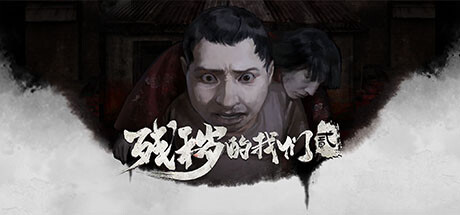
Filthy Us 2 is a somber and evocative psychological horror game developed and published by Game Logic Studio, with additional support from Paras Games. It continues the grim and culturally grounded storytelling of its predecessor, delving deeper into human guilt, superstition, and spiritual decay. Set in the early 2000s in northwestern China, the game opens with a shocking murder involving a man grasping half of a Buddha statue, a scene that immediately sets the tone for the haunting mystery that follows. What begins as a straightforward investigation into this act of violence quickly unravels into a tapestry of interconnected tragedies spanning decades, involving a past arson case, a cursed relic, and the lingering presence of a supernatural entity known as “the Nothingness.” From the start, Filthy Us 2 makes clear that its horror is not confined to monsters or ghosts—it is a meditation on the darker corners of human nature, where belief, resentment, and grief intertwine to create a world of spiritual suffocation.
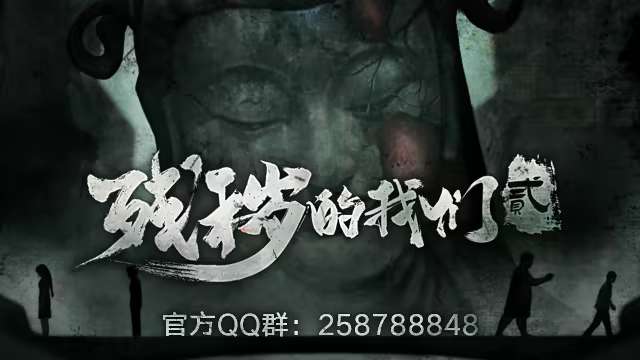
Visually, the game is a striking showcase of artistic restraint and symbolism. Its environments are rendered in bleak tones of gray, crimson, and sepia, creating a palette that reflects both decay and suffering. The traditional Chinese iconography—particularly Buddhist statues, ritual objects, and symbolic patterns—is woven seamlessly into the game’s visual language. Every frame feels like a painting, capturing the sense of age and forgotten pain that defines the setting. The 2D art direction uses meticulous hand-drawn elements that enhance the feeling of cultural authenticity, while the sound design deepens the immersion through eerie whispers, echoing footsteps, and the faint hum of ritual chants. There are no gratuitous jump scares or over-the-top shock moments; instead, the game cultivates dread through stillness, silence, and the slow realization that every object and gesture carries hidden meaning. It is an approach that feels closer to literary horror than cinematic, emphasizing reflection over reaction.
The gameplay follows a familiar structure for narrative-driven horror, but it distinguishes itself through its focus on storytelling and symbolism rather than difficulty or combat. Players navigate through a sequence of interconnected locations, exploring rooms, inspecting objects, and piecing together fragments of memory and evidence. The game shifts perspectives between multiple characters, each one contributing a layer to the overarching mystery. This multi-narrative structure mirrors the cyclical nature of guilt and revenge that the story examines—every character is both victim and perpetrator in their own way. The puzzles scattered throughout the game are few but carefully designed; they serve to reinforce the atmosphere rather than disrupt it. Most require observation and intuition, often based on visual cues or symbolic connections. These moments of interaction create a rhythm of contemplation, encouraging players to pause and absorb the world’s details rather than rush through it. The slower pacing may not appeal to those seeking constant action, but it suits the story’s introspective tone perfectly.
The true power of Filthy Us 2 lies in its narrative, which combines folklore, religion, and moral inquiry into a tightly woven tale of spiritual corruption. It portrays a society still entangled in outdated customs and hierarchical family structures, where superstition and resentment perpetuate cycles of suffering. Themes of patriarchal dominance, generational trauma, and moral hypocrisy surface throughout, often presented through tragic domestic scenes or conversations that hint at deep emotional wounds. The writing is understated yet potent, using suggestion and implication to explore the tension between faith and guilt. The “Nothingness” serves less as a traditional antagonist and more as a metaphysical reflection of the characters’ inner emptiness—a manifestation of unresolved sins and forgotten prayers. The game’s multiple endings, some hopeful and others devastating, offer different ways of interpreting this duality. Each conclusion leaves the player pondering whether redemption is possible in a world where human cruelty and divine indifference coexist so uneasily.
While its thematic depth is impressive, Filthy Us 2 is not without its imperfections. Some players may find the pacing too deliberate or the gameplay too sparse, especially compared to more interactive horror experiences. The puzzles, though cleverly integrated, are relatively easy, and the lack of variety in objectives can make the later portions feel repetitive. Moreover, the absence of English localization limits accessibility, meaning that non-Chinese-speaking players may miss much of the nuance in dialogue and symbolism. Still, these shortcomings are outweighed by the game’s artistic ambition and emotional authenticity. It does not aim to terrify through spectacle but to unsettle through empathy, forcing the player to confront uncomfortable truths about family, tradition, and the spiritual cost of human cruelty. The horror here is not just external—it resides in the memory of harm, the silence after tragedy, and the way despair seeps into generations.
Filthy Us 2 stands as a quietly powerful example of what independent horror can achieve when it prioritizes atmosphere and theme over conventional thrills. It is a rare work that fuses cultural specificity with universal emotion, using the framework of horror to comment on the nature of suffering, guilt, and belief. Its artistry lies in its restraint—the moments of stillness, the haunting imagery, and the lingering melancholy that follows long after the credits roll. Though small in scope, it leaves a deep impression, challenging players to reflect on the human stories behind its supernatural surface. For those willing to embrace its slow pacing and introspective style, Filthy Us 2 offers a haunting, unforgettable descent into the moral and spiritual darkness that lies beneath the surface of ordinary life.
Rating: 8/10