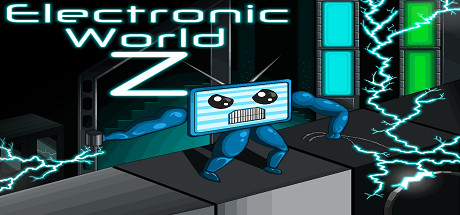
Electronic World Z is a 2D Challenging Platform game based on the story of a Robot called DGIN TV whose mission is to collect all of the Electronic components required to reinstate the Giant Power Generator device in "Z" Power Station.
Modeled estimate, not a reported figure. How we estimate →
Media

About

Stats
All-time low is the lowest price we've recorded for this game since we started tracking it.
Languages: English
Reviews
⠀
Electronic World Z is a laugably bad 2D retro pixel platformer with a janky computer monitor person as the protagonist. I know, yeah, whatever. Gameplay consists of carefully timed jumps between platforms to avoid zappy spikes and other timed obstacles. Here's my copypasta for this kind of retro pixel crapware: They chose to use obsolete retro pixel "art" as a substitute for contemporary PC graphics. It's unclear if this is due to lack of budget or talent, regardless, the overall visual quality of the game is extremely low as a result. Resolution and controls are locked. These flaws push this game far below minimum acceptable standards for PC.
This is the 2nd game from this developer that I've played that I recall and it isn't setting a very good precident. This is another low effort title with broken mechanics. Fix your games.
Electronic World Z is a retro-inspired action platformer that feels like a direct callback to the era when side-scrolling arcade shooters dominated gaming with their fast pacing, difficult enemy encounters, and simple but addictive gameplay loops. Developed and published by Anamik Majumdar, the game embraces classic 2D action design with a strong science-fiction identity, combining futuristic military conflicts, pixel-art visuals, mechanical enemies, and nonstop combat into an experience that clearly draws inspiration from old-school arcade traditions. While it may not possess the technical polish or large-scale ambition of modern indie platforming hits, it succeeds by staying committed to straightforward action and nostalgic gameplay principles. The game constantly feels like a project built out of genuine appreciation for retro gaming, and that sincerity becomes one of its most appealing qualities. The story takes place in a futuristic world where advanced electronic territories and powerful technological facilities have become the center of military conflict. Dangerous enemy forces have seized control over key locations within the mysterious Electronic World Z, threatening to destabilize the balance of power and unleash devastating technological weapons. Players take control of a highly trained combat operative sent deep into these hostile zones with the mission of eliminating enemy resistance, reclaiming occupied territories, and preventing catastrophic destruction. The narrative follows a very classic arcade-style structure where a lone hero battles overwhelming odds against powerful enemy organizations and mechanical armies. The story itself remains relatively simple, but it establishes the game’s atmosphere effectively and provides enough motivation to support the nonstop action. Rather than focusing on emotional storytelling or complicated character development, the game prioritizes momentum and progression, which ultimately fits the arcade-inspired structure well. One of the game’s strongest elements is its visual style. Electronic World Z fully embraces retro pixel-art aesthetics, using bright colors, exaggerated effects, and futuristic environments to create a distinct science-fiction atmosphere. The stages are filled with industrial complexes, underground facilities, enemy strongholds, laboratories, electronic wastelands, and heavily guarded military zones packed with traps and hostile enemies. Neon lighting effects, flashing projectiles, mechanical hazards, and explosive combat sequences help the world feel energetic and visually active at all times. While the sprite work and animations are relatively simple compared to larger indie productions, the game benefits from maintaining a consistent visual identity throughout the entire experience. Every level feels designed to capture the spirit of classic arcade shooters rather than chase realism or cinematic presentation. Gameplay revolves around traditional side-scrolling action mechanics mixed with platforming, shooting, and survival elements. Players move through increasingly dangerous levels while eliminating enemy soldiers, robots, mechanical creatures, and automated defenses using a variety of weapons and attacks. The controls are simple and generally responsive, allowing the game to maintain a quick arcade rhythm where movement and shooting remain constant. Combat encourages players to stay aggressive while also carefully avoiding traps and incoming projectiles. The game succeeds at creating the kind of fast-paced action loop that rewards quick reflexes and repeated mastery of enemy patterns. Weapon variety helps keep combat engaging throughout the campaign. Different weapons allow players to approach enemy encounters with slightly different strategies depending on the situation. Standard firearms are useful against weaker enemies, while stronger energy weapons and explosives become essential against larger mechanical threats and armored opponents. The progression system gradually introduces stronger enemies and more dangerous combat scenarios, forcing players to adapt their movement and timing as the game becomes more difficult. Combat may not be especially deep mechanically, but it remains consistently entertaining because the game understands how important pacing is within an arcade-style action title. The level design demonstrates more creativity than might initially be expected from a smaller indie project. Stages frequently combine platforming hazards with enemy ambushes, forcing players to carefully balance movement and combat at the same time. Players encounter moving platforms, laser traps, collapsing structures, hidden pathways, environmental hazards, and sections filled with enemy defenses that require quick reactions and memorization. Some levels focus heavily on combat intensity, while others place greater emphasis on precision platforming and environmental navigation. This variety helps maintain momentum throughout the campaign and prevents the gameplay from becoming entirely repetitive despite its relatively straightforward structure. Enemy variety also contributes significantly to the pacing. Early levels introduce basic soldiers and robotic enemies, but later stages feature flying machines, stronger armored units, automated turrets, mechanical creatures, and more dangerous enemy formations that force players to constantly stay alert. Boss encounters and larger-scale battles create some of the game’s strongest moments because they combine environmental hazards, projectile patterns, and enemy aggression into intense arcade-style challenges. These encounters reinforce the feeling that the player is fighting through increasingly dangerous sections of a futuristic war zone rather than simply repeating the same combat scenarios over and over. The soundtrack complements the science-fiction setting effectively. Electronic music tracks, industrial-inspired background themes, and energetic combat melodies help create a strong arcade atmosphere during gameplay. The sound design follows the same retro philosophy as the visuals, using exaggerated weapon effects, explosions, and environmental sounds to make every action feel impactful. While the audio presentation remains relatively simple overall, it successfully reinforces the fast-paced action and futuristic tone that define the game’s identity. What makes Electronic World Z especially admirable is the context behind its creation. Like many of Anamik Majumdar’s projects, the game was largely developed by a single individual responsible for the programming, graphics, artwork, and gameplay systems. That reality adds an extra layer of appreciation because the game consistently feels like a passion project built by someone who genuinely enjoys retro action games. The enthusiasm behind the project is visible throughout the campaign. Rather than trying to imitate modern AAA trends or overcomplicate the experience with unnecessary mechanics, the game remains focused entirely on delivering straightforward side-scrolling action built around nostalgic gameplay principles. For players who appreciate retro-inspired side-scrolling shooters, pixel-art science-fiction adventures, and indie platformers built around classic arcade design principles, Electronic World Z offers a fun and energetic experience filled with explosions, futuristic enemies, and nonstop action. Its rough edges, repetitive enemy behavior, and limited polish keep it from reaching the highest level of indie action platformers, but the passion and enthusiasm behind the project still make it a worthwhile experience for fans of nostalgic arcade gameplay. It feels less like an attempt to modernize the genre and more like a sincere celebration of the classic side-scrolling shooters that inspired generations of action games. Rating: 6/10
Well when the developer can not add a restart button it is certainly a complete nightmare, well as always solo developers better not to do platformers
Related
Related
Trends
Concurrent players on Steam, sampled daily since tracking started.
Related
| Glasses and Girls | $315.6 | 51 | 82% | $0.99 |
| Food and Girls | $315.6 | 51 | 86% | $0.99 |
| Dances and Girls | $322 | 52 | 83% | $0.99 |
| Anime Sunset Ride | $334.4 | 54 | 67% | $0.49 |
| Carnival and Girls | $334.4 | 53 | 85% | $0.99 |
| Cosmic Journey PC Live Wallpaper | $336.3 | 52 | 71% | $0.49 |