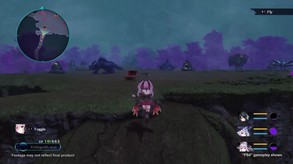
Fight in 3-tiered battles, devour your enemies, and customize your characters in this epic RPG to end the dragon's curse!
Modeled estimate, not a reported figure. How we estimate →
About
Stats
All-time low is the lowest price we've recorded for this game since we started tracking it.
Languages: English*, Japanese*, Traditional Chinese*languages with full audio support
Engagement
Hours played at review time, across 42 reviews with recorded playtime.
Reviews
Themes across 42 recent reviews and how positive each mention is. A keyword signal, not full sentiment analysis.
positive critical· bar length = how often the theme comes up
Reviews
我明明是个男骑士,却变成了魔女
I have played several Idea Factory games and this one was by far the lowest budget and really dragged on. The game is over 50% talking. The dungeons are not great. The characters are fine and the combat was ok, but very basic. Overall a 5/10 and I can't recommend it unless you are a huge Idea Factory fan, in which case you already own it.
作为地雷社旗下的作品,想必大伙儿一看到画风就知道了,本作算是地雷社作品当中中上水平,游戏做出了不少的创新。首先就是游戏的战斗系统以及吞噬机制确实让人眼前一亮,外加上垂直战场策略和宝可梦式的技能树收集带来新鲜感,哪怕是路人玩家也能获得不错的爽感。 剧情方面,本来地雷社完全可以做出一个宏大的游戏世界和游戏背景,甚至可以推出系列衍生作品,但游戏里反派强行降智、部分剧情转折生,有些让我不知道如何吐槽。一手好牌打得稀烂...你会在游戏当中被迫于养妹妹与练级间疲于奔命,死亡结局的惩罚机制更让流程充满焦虑感。 至于游戏UI反人类?建模复用?拜托,这是地雷社的特色,哪天没有了我估计得直接震惊 抛开缺点不谈,本作的角色立绘和BGM质量相当在线,游戏剧情中的真结局的绝望氛围刻画也可圈可点。原价还是算了,但是打折就17块啊,卧槽,这还要什么自行车?赶紧给我冲爆好吧...
地雷社平平庸庸的敷衍作品,流程略短。有些地方也是坐牢,差点忘了特有的地图重复;好在剧情方面还算可以,转折点剧情自然猜中了,坐牢这点这些已经是地雷社的日常了。 敷衍的地方则是在立绘上面,塑造的角色居然查资料的时候就这么简单摆在那,真是让人琢磨不透啊,像是地雷社请不起画师和建模师了。
[h2]瑜不掩瑕的地雷社土法作坊产品[/h2] 小厂+二次元妹子通常来说能盖过不少游戏的小缺点,地雷社也正是这个赛道的佼佼者,什么神狱塔啦死亡终局啦还有数不清的nep都玩着挺开心的。但以本作来说,游戏性和剧情都实在不能令人满意,虽然不至于差评,但确实是标准的“不推荐”游戏 先说游戏性。首先本作属于硬移植的主机游戏,键鼠适配不好而且键位提示全是主机键,加上繁中是基于北美版汉化,经典AB反转更是体验难受。战斗方面,本作比较创新的是要在战斗中用特殊动作吃小怪解锁相应天赋树点技能,但除了boss其他怪都是要每个人吃一遍,还是挺难受的,分空域的战斗场面也没太大变化,反正对面人均多动症会自己调位置的 剧情的毛病也不小,说实话连地雷社自己的平均水准都没达到。虽然背景设定很丰富,但文案简直是赶着下班一样把每个角色当工具使唤。本作出现了以下难蚌剧情:开局显得压迫力敌人角色刚要开打被剧情杀一下秒掉,因为蒙蔽仇视了上百年的组织说和解就和解,巅了两百年的灭世反派吃了一次嘴炮下去就为了包寿司替主角牺牲救世,还认证通过了……等等一堆明显感觉敷衍的情节,浪费了大好的人设和设定 要说这游戏有啥优势的话……将近1折的史低,30多小时的较简单白金和还不错的立绘,喜欢的话可以拿来装饰一下库存
Dragon Star Varnir, developed by Idea Factory and Compile Heart and published by Idea Factory International, is a JRPG that stands out within its niche by embracing a darker, more somber tone than many of its contemporaries. While it carries the studio’s familiar structure—character-driven storytelling, turn-based combat, and visual novel-style presentation—it attempts to elevate itself through heavier themes and a few experimental mechanics. The result is a game that feels ambitious and distinctive, even if it doesn’t always deliver on every aspect of that ambition. The narrative centers on Zephy, a knight whose role is to hunt witches in a world where they are feared and persecuted. After a life-altering encounter, he finds himself transformed into the very thing he once hunted, forcing him to confront the harsh reality behind the witch curse. In this world, witches are bound to dragons growing within them, and their existence is defined by a tragic cycle—either they starve and lose control, or they succumb to the dragon’s emergence. This premise gives the story a strong emotional foundation, exploring themes of survival, prejudice, and inevitability. As Zephy becomes involved with a group of witches, the focus shifts toward their relationships and shared struggle against a fate that seems impossible to escape. The storytelling relies heavily on dialogue and character interaction, with extended scenes that resemble a visual novel in structure. This allows the game to develop its cast in detail, giving each character a clear role within the group and contributing to the emotional weight of the story. At its best, the narrative is engaging and surprisingly bleak, offering moments that stand out from more traditional JRPG storytelling. However, the pacing can be inconsistent, with certain sections feeling stretched or repetitive, and some plot developments lacking the impact they aim for. Combat introduces one of the game’s more interesting ideas through its vertical battle system. Instead of a flat battlefield, encounters take place across three layers, allowing characters to move up and down to gain advantages or avoid attacks. This adds a layer of positioning that encourages more strategic thinking than typical turn-based systems. Another key mechanic is the ability to devour defeated enemies, gaining their abilities and strengthening the party. This system ties progression directly to combat and encourages players to engage with battles more actively, rather than simply rushing through them. Character development builds on these mechanics, offering a degree of customization in how abilities are acquired and used. Players can shape their party’s strengths based on the skills they collect, creating opportunities for different strategies. While these systems are engaging, they are not always fully balanced, and certain aspects can feel underutilized or overly restrictive, particularly as the difficulty increases. Resource management also becomes more demanding later in the game, which can disrupt the flow of progression. Exploration follows a more traditional dungeon-crawling format, with players navigating 3D environments to trigger events and encounters. While functional, these sections are one of the game’s weaker points. The environments often lack variety and detail, leading to a sense of repetition over time. This is especially noticeable when compared to the more detailed character art and story scenes, creating a disconnect between the game’s visual strengths and its exploration segments. Visually, Dragon Star Varnir presents a contrast between its strong character design and more modest environmental presentation. Character illustrations are expressive and well-crafted, helping to convey emotion during story segments. In contrast, the in-game models and environments feel less refined, reflecting the limitations of its production scale. The audio design supports the experience adequately, with voice acting that enhances character interactions and a soundtrack that fits the tone without being particularly memorable. A unique element of the game is its emphasis on managing the condition of certain characters outside of combat. This system ties directly into the narrative themes, reinforcing the constant pressure and fragility of the characters’ situation. While it adds a layer of immersion, it can also feel restrictive, as it imposes additional constraints on progression and requires careful attention to avoid negative outcomes. Despite its uneven execution, Dragon Star Varnir succeeds in creating a memorable experience through its tone and ideas. It offers a darker take on the JRPG formula, supported by creative mechanics and a strong focus on character relationships. However, its inconsistencies in pacing, exploration, and system balance prevent it from fully realizing its potential. Ultimately, Dragon Star Varnir is a game that will resonate most with players who value narrative and are willing to engage with its systems despite their flaws. It may not achieve the level of polish seen in larger titles, but it stands out through its willingness to explore heavier themes and experiment with its mechanics. For those looking for a JRPG with a more somber and character-driven approach, it offers a worthwhile, if imperfect, experience. Rating: 7.5/10

Played a fair bit of Idea Factory games now, mostly neptunia ones, this one out of all that ive played is probably the most unique while still keeping the neptunia ish style gameplay. Run around a map with a single character from your party as the one running around on your screen, press attack to get the first hit on the enemy before the battlefield starts, or let them get first hit by letting them walk into you or from behind. This one however out of them all has the worst mechanics in that you have to "Devour" dragons, which is unfortunately its own special skill category, and the main way to unlock abilities and passive stat points. This game also lacks outfit customization as its somewhat pretty good in the other neptunia series of games. However, gameplay wise its all fairly similar, so if you like those you would like these aswell for a bit of an afk - auto combat feature - style gameplay loop.
[h1]《龙星的瓦尔尼尔》:这一次,我喝下了诅咒之血[/h1] [h2]从没想过会因为“喝龙血”这件事记住一款JRPG[/h2] 开局十分钟,我以为只是个老套的反转,骑士团抛弃了主角,魔女救下男主,剧本顺理成章地把我从屠龙一方扔到了魔女的视角。可随着剧情推进,我发现事实上是:我原本的同僚将我当成叛徒;不得不亲手喂食魔女们龙血.并且为了保护他们我必须必须成为杀戮的那一方。 一次又一次地喂食,一次一次的厮杀。终究会意识到这不是一个拯救魔女的故事。 [h2]三层战斗,轻战略感,实则是换了壳的养龙RPG[/h2] 系统方面,《龙星的瓦尔尼尔》试图构建一个“高低位三层空间”的战斗系统,乍看之下很有想法,不同敌人分布在上中下三层,你需要思考位置、技能射程和击退机制。但实战体验并不复杂,一旦理解了“吞龙”是最优解,这套系统就成了个偏装饰性的背景。 没座,我后期直接主练吞龙队:用技能削弱敌人后直接吞噬,学到新技能、回血、回MP,效率甚至比打还高。尤其高难度下,魔法攻击MP高、技能倍率低,纯靠输出反而不如迅速吞完一个怪来的实在。某种意义上,这是JRPG版的“抓宝可梦”,抓的方式还带点“残忍成分”。 玩家可以从几十种龙身上夺来不同的因子核,构建一套自己的技能树,这部分算是整个系统的核心乐趣所在。只是数值成长与技能搭配缺少打磨,等你后期全队都能吞,地图也好、BOSS也罢,全变成了经验包和技能树碎片。 [h2]画面别抱太多希望,但老婆是真的香[/h2] 别问,问就是立绘好看,BGM不俗,福利场面能社保,缺点就是——全是看图说话。 期待的那些好看的建模、演出、过场、互动,基本靠CG和静态画面撑着。战斗画面一到BOSS战就开始抽象,建模皮套重复利用严重,部分角色甚至连战斗动作都像“CTRL+C/V”。但立绘确实香,尤其某些变身动画,真的是地雷社老传统:建模可以丑,但老婆不能挫。 [h2]剧情:是拯救,也是自救[/h2] 一边拿着“变成龙之前快来喂她”的计时器,一边去地图上刷怪、找支线、打BOSS。走得太慢,她会发狂;喂得太多,她会龙化。某种程度上,这就是对玩家情绪的绑架——你如果在意她们,就必须压着时间线完成一切探索。 而你永远也不能真正拯救她们,只能让她们“先不龙化、一直活下去,直到最后结局揭晓:她们早就知道自己会死,只是没告诉你。那一瞬间,我突然觉得这个游戏的所有设定都说通了。不是你拯救了她们,而是她们在陪你一起走完这一段“不得不背叛骑士团、不得不吞下龙血”的路。 [h2]如果你是JRPG老玩家,别错过这段略显残酷的旅程[/h2] 说实话,这不是一款制作精良的游戏。场景粗糙,动作僵硬,UI和键鼠支持也做得一言难尽。但本作把一个“变成怪物”的命题,做出了情绪价值,做出了选择代价,也做出了角色的孤独。会让我在“明知道她们会死”的前提下,还想拼一把试试。 是的,她们会变成龙。但我曾努力过。 这就足够了。 [table][td]欢迎关注鉴赏家[url= https://store.steampowered.com/curator/45519015/]“无趣评测”[/url][/td][/table]
My Tamagotchi can't possibly be this adorable! This game was originally announced on 6/14/18 for PS4 in Japan, with its Western release following in June of 2019 and PC in October of the same year for those curious. This game features a unique style of combat where it's fought on 3 different levels: bottom, middle, and top. There are some monsters that can hit multiple levels, but nothing too terrifying; you should always expect, though, that bosses can hit multiple levels. Now, regarding characters and design, the game has a medieval aesthetic to it with knights, bandits, and witches. The super forms of the main party all have a dragon aesthetic to them, as implied by the title.
Dragon Star Varnir is a turn-based JRPG developed by Compile Heart and published by Idea Factory. It mixes dark fantasy storytelling with a layered battle system centered on aerial combat. The game’s mood and design lean toward gothic themes, blending tragedy, morality, and transformation. The story follows Zephy, a knight turned into a half-dragon after a fateful encounter. He joins a group of witches cursed with dragon blood, fighting both to survive and to resist their inevitable change into monsters. The narrative explores desperation and choice, pushing players to make difficult moral decisions about life and sacrifice. Combat is the game’s most distinctive feature. Battles take place on three vertical planes, and managing position is crucial. Characters can attack from above or below, exploit enemy weaknesses, and chain combos across layers. It’s a system that feels both strategic and dynamic once mastered. Character progression allows flexible customization. Each witch gains abilities by consuming dragon cores, unlocking spells and passive buffs. The “Devour” mechanic, used to absorb enemy powers, adds risk-reward tension—failing it can backfire, but success offers major benefits. This creates depth without overwhelming complexity. Visually, Dragon Star Varnir presents detailed character art and stylized environments typical of Compile Heart’s anime aesthetic. While the 3D models are modest in fidelity, strong color direction and smooth animations carry the presentation. The gothic tone and creature designs give the world a distinct identity. The soundtrack complements the setting with atmospheric, orchestral tracks and haunting melodies. Voice acting—available in both Japanese and English—adds emotional weight to major scenes. The audio design supports immersion without being intrusive. Overall, Dragon Star Varnir stands out for its inventive combat and emotionally charged story. It’s not technically ambitious, but it compensates with heart, style, and creativity. For players who enjoy dark fantasy JRPGs with layered strategy and character-driven drama, it’s an underappreciated gem worth discovering.
Related
Related
Trends
Modeled estimate over time, reconstructed from Steam's monthly review histogram.
Audience
Estimated from the language of this game's reviews — a proxy for where players are, not official Steam demographics.
Related
| Black Myth: Wukong | $794.9M | 1.2M | 97% | $59.99 |
| DARK SOULS™ III | $467M | 437.9K | 94% | $59.99 |
| 7 Days to Die | $425.3M | 403.5K | 87% | $44.99 |
| Hogwarts Legacy | $323.6M | 369.9K | 90% | $59.99 |
| Mount & Blade II: Bannerlord | $309.8M | 293.9K | 88% | $49.99 |
| Palworld | $279.6M | 445.8K | 94% | $20.99 |
Related
| Meet Your Maker | $469.1K | 3.4K | 71% | $5.99 |
| Naheulbeuk's Dungeon Master | $468.8K | 1.6K | 71% | $9.99 |
| Mixcraft 8 Home Studio | $469.4K | 667 | 89% | $39.99 |
| The Legend of Heroes: Sen no Kiseki IV -THE END OF SAGA- | $469.4K | 539 | 86% | $44.99 |
| Fast and Low | $468.7K | 802 | 81% | $19.99 |
| Car Dealership Simulator | $468.7K | 1.9K | 72% | $9.99 |