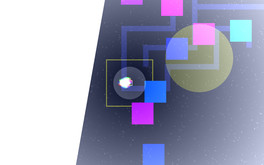
You play David, an awfully small abstracted chosen hero tossed into a blissfully simple world overrun by giant culminations of evil physics-beasts. As David, you are given a slingshot-esque gift that you will have to use to conquer your colossus foes. Be there AND be square.
Modeled estimate, not a reported figure. How we estimate →
Media

About

Stats
All-time low is the lowest price we've recorded for this game since we started tracking it.
Languages: English
Engagement
Hours played at review time, across 40 reviews with recorded playtime.
Reviews
David. is a minimalist action platformer developed by Fermenter Games and published by First Break Labs that proves strong gameplay design can leave a lasting impression without relying on visual excess or large-scale production values. Built around fast movement, challenging encounters, and a distinctive combat mechanic tied to time manipulation, the game takes a simple concept and gradually reveals surprising depth. What initially appears to be a small independent arcade experience quickly develops into a demanding and rewarding adventure focused on skill, precision, and persistence. The game places players in control of David, a tiny geometric hero navigating a strange world dominated by giant enemies and dangerous environments. Storytelling remains deliberately subtle, avoiding lengthy exposition and instead allowing gameplay progression and environmental presentation to carry much of the experience. The minimalist approach works in the game's favor because it creates room for interpretation while keeping the focus entirely on challenge and mechanical mastery. One of David.'s strongest features is its combat system. Rather than relying on standard weapons or traditional attacks, the game introduces a projectile-based mechanic tied directly to time manipulation. Players launch attacks while simultaneously controlling movement and positioning in environments filled with hazards and enemy threats. Slowing time becomes more than a defensive tool. It evolves into the foundation of combat strategy, allowing players to react to dangerous situations, reposition carefully, and create openings during increasingly difficult encounters. This mechanic gives combat an unusual rhythm that separates David. from more traditional action platformers. Success rarely comes from reckless aggression. Careful timing, observation, and understanding enemy behavior become essential. Players must constantly balance offense and survival while navigating increasingly demanding situations. The result creates encounters that reward patience and precision rather than simple reaction speed. Boss encounters serve as the centerpiece of progression and consistently provide some of the game's strongest moments. Rather than overwhelming players with endless waves of smaller enemies, the experience focuses heavily on memorable large-scale battles that introduce new mechanics and force adaptation. Each major fight feels distinct enough to remain memorable, gradually pushing players toward mastering movement systems and learning increasingly advanced strategies. Platforming mechanics complement combat exceptionally well. Movement feels responsive and fluid, supporting the precision demanded by later sections. Jumping, navigating hazards, and positioning during combat all work together to create gameplay that feels challenging without becoming overly restrictive. As difficulty increases, mastery over movement becomes just as important as understanding combat systems. Difficulty plays a major role in shaping the overall experience. David. embraces challenge openly and expects players to improve through repeated attempts. Mistakes frequently lead to failure, but quick restarts help maintain momentum while encouraging experimentation rather than frustration. Progression feels satisfying because improvement comes primarily through player growth instead of relying heavily on upgrades or simplified mechanics. The minimalist visual style becomes another strength rather than a limitation. Abstract environments, geometric enemy designs, and clean visual presentation create clarity during intense gameplay moments while establishing a distinct artistic identity. The game avoids visual clutter and instead focuses attention directly on movement, timing, and environmental awareness. Simplicity enhances readability without sacrificing atmosphere. Audio design further strengthens the experience. Music and sound effects contribute energy during combat while reinforcing the unusual tone established by the minimalist presentation. Combined with the visual direction, the audio helps create an experience that feels focused and cohesive from beginning to end. Additional content beyond the primary campaign helps strengthen replay value. Extra challenges, alternate modes, and opportunities to test mastery beyond initial completion encourage players to continue improving long after reaching the ending. Higher difficulty settings also provide additional motivation for players seeking greater mastery. David. succeeds largely because of restraint. Fermenter Games understood exactly what experience they wanted to build and avoided adding unnecessary systems that could distract from the core gameplay strengths. Every mechanic feels purposeful, contributing directly to the overall design rather than existing simply to increase complexity. The game's shorter runtime may surprise players expecting a lengthy adventure, but its emphasis on replayability and mastery helps compensate for that limitation. The experience feels designed around refinement and repeated improvement rather than sheer size. Players who appreciate demanding platformers, mechanically focused action games, and smaller independent titles built around skill progression will likely discover something memorable here. David. demonstrates how creativity and careful design can produce engaging experiences without needing enormous scale or technical spectacle. Its minimalist philosophy becomes one of its greatest strengths, creating a focused action experience that remains satisfying from beginning to end. Rating: 7/10
This might genuinely be one of the worst games I've ever played, the controls are abysmal and the gameplay is even worse, like wow it's so fun to constantly just be running away from things you can't even see because the screen keeps zooming in on you while every rapidly moving enemy or attack is offscreen which also oneshots you unless you're playing on baby mode (that one is so boringly easy that you might as well be spectating the game in god mode), the gameplay itself isn't even fun in any way even if this was balanced properly because the controls are genuinely so bad and unfun to use that it makes me wanna shoot myself just by doing anything, I usually like games in this style but this one is actually so bad that I can't bring myself to say anything positive about it.
David
ну как сказать!?
░░░░░░░░░░░████ ░░░░░░░░░░░█░░█ ░░░░░░░░░░█░░░█ ░░░░░░░░░█░░░░█ ██████▄▄█░░░░░███▄ ▓▓▓▓▓█░░░░░░░░░░░░█ ▓▓▓▓▓█░░░░░░░░░░░░█ ▓▓▓▓▓█░░░░░░░░░░░░█ ▓▓▓▓▓█░░░░░░░░░░░░█ ▓▓▓▓▓█░░░░░░░░░░░░█ ▓▓▓▓▓█░░░░░░░░░░░ ░░░░░░░░░░░░▀▀
- Less is more. - Without much graphics, this game manages to provide epic fights, and many moments of "yes yes YES YES NOOOOO!!!". - It's not long, managed to 100% is in 3h. - At first its not very clear how the shooting mechanism works, and it looks like sometimes you're shooting blanks. (You're supposed to have some orbs within the inner circle, and only then they can be used as ammo for shooting). - Towards the end it started to crash a lot, going offline solved this issue.
Crisp and responsive in a very technical way.
this took me 9 years to 100% lol
☀️
Reminiscent of Childhood platform games like Bounce on Nokia or similars from 95 2000 up to 2010
Related
Related
Trends
Modeled estimate over time, reconstructed from Steam's monthly review histogram.
Momentum
Pace estimated from the game's recent review growth (our daily snapshots) at its own sales-per-review ratio — a momentum signal, not booked sales.
Audience
Estimated from the language of this game's reviews — a proxy for where players are, not official Steam demographics.
Related
| Stump Simulator | $26.3K | 106 | 87% | $7.99 |
| Reversion - The Escape (1st Chapter) | $26.3K | 1.6K | 78% | $0.99 |
| Atomic Owl | $26.3K | 80 | 89% | $12.99 |
| The Haunting of Joni Evers | $26.3K | 164 | 91% | $8.99 |
| Touch Type Tale - Strategic Typing | $26.4K | 116 | 91% | $8.99 |
| The Cecil: The Journey Begins | $26.4K | 52 | 58% | $19.99 |
Related
| 7 Days to Die | $425.3M | 403.6K | 87% | $44.99 |
| Mount & Blade II: Bannerlord | $309.8M | 294K | 88% | $49.99 |
| Palworld | $279.6M | 447.5K | 94% | $20.99 |
| The Forest | $254.8M | 678.6K | 96% | $19.99 |
| Ready or Not | $238.1M | 339K | 78% | $49.99 |
| Clair Obscur: Expedition 33 | $233.9M | 273.3K | 95% | $47.99 |