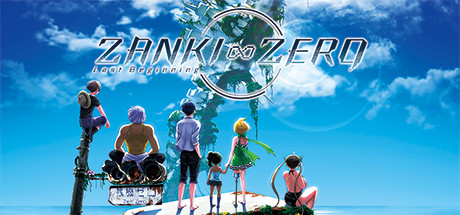
Explore the ruins, dungeons, and islands in this post-apocalyptic world through the POV of eight protagonists as they fight for survival and search for meaning in their never-ending cycles of life and death.
Modeled estimate, not a reported figure. How we estimate →
About
Genres
Stats
All-time low is the lowest price we've recorded for this game since we started tracking it.
Languages: English*, Japanese*, Traditional Chinese*languages with full audio support
Engagement
Hours played at review time, across 41 reviews with recorded playtime.
Reviews
Themes across 41 recent reviews and how positive each mention is. A keyword signal, not full sentiment analysis.
positive critical· bar length = how often the theme comes up
Reviews
TL;DR I enjoyed the game but it has it's issues. It's not worth $60 but I got it on sale for $7. That's $.11 per hour. Pros: The story was engaging and the characters were diverse enough that none of them felt like carbon copies. The dungeons were unique and had decent puzzles that motivated me to search every nook and cranny. The crafting and upgrading felt effective. The Shigabane system is what drew me to the game and it did not disappoint. Cons: The crafting and how to acquire specific items are not explained very well at all. Monkey adhesive was the bane of my playthrough. Combat takes some getting used to. I played this with mouse and keyboard and in handheld. I preferred M&K but combat in handheld was a decent bit harder. There is a surprising lack of information about this game online especially since it's 7 years old. No walkthroughs and only a handful of places could I find reliable info on item locations and mob drops. Overall I enjoyed the game and would recommend it if you're looking for a niche JRPG.
The My Hero Academia of Spike Chunsoft games. Wasted potential and forever unrealized brilliance, leaving only regrets.
As a horror game, this is an exceptionally well-crafted work. Zanki Zero might look like an anime-style survival RPG, but don’t be fooled—it’s one of the most quietly horrifying games I’ve ever played. The MCs is weak, the enemies are strong, and battles are always tense, making every encounter crucial. The stages are gloomy and damp, with poor lighting making it impossible to see what's in front of you. Yet, the eerie sound of footsteps echoes from somewhere, giving you the constant feeling that "there's something around that corner." The background music resembles ambient noise and is far too eerie. The monsters are grotesque and eerie, the story depicts the ugliness of humanity, the plot is completely hopeless, and the concept of death is so tenuous it destroys all dignity until the very end. At first glance, it doesn't look like a horror game, but it's truly terrifying. The cute character designs seem to add to the eerie atmosphere. Since bases are essentially safe zones, I was impressed by the calm atmosphere. However, some stages are outdoors, and even on sunny days, they are eerie, overturning the assumption that "if it's bright, it's not scary." The game system has a unique design, but is unlike anything else in the game, making it very rewarding. The fact that the game is played from a first-person perspective also adds to the sense of fear. The difficulty level can be adjusted quite flexibly, from difficulty level 1, where almost no enemies appear, to difficulty level 5, where every single game is a life-or-death battle, allowing for a wide range of enjoyment. The element of expanding your base through exploration is often implemented in other games, but it was a particularly enjoyable element in this game. It's by no means a bad game. I found it to be even creepier than Silent Hill, Resident Evil, or Forbidden Siren, which are generally defined as scary games. Personally, I find that most horror games are more entertaining than scary, and no matter how cleverly designed they are to make me feel horrified, I often find myself in a state of mental space where I'm thinking about how stylishly I can kill an enemy with a metal pipe, or how coolly I can land a headshot, or how I can humiliate the enemy with a perfect escape, even in a game where running away is the only option. This game was so well-made as a horror game that I even hesitated to start it up and venture into a new area. If there's a flaw, it's that it took me 80 hours to complete one playthrough, and I don't feel like playing it again. Perhaps because the gameplay itself takes too long and each part needs to be progressed slowly, it is not well suited to live game commentary, one of the ways modern people enjoy games. Because it is rarely streamed, it has not been discovered by new customers (and games that are so terrifying that people hesitate to play them are rarely even chosen as subject matter for streaming). Released quite some time ago, it has become somewhat forgotten in modern times, but this game is one of those gems that shines in the dark with its horrifying quality. I highly recommend it as one of the most horrifying horror games of all time.
Zanki Zero: Last Beginning is an unusual hybrid role-playing game developed by Lancarse and published by Spike Chunsoft, bringing together elements of dungeon crawling, survival mechanics, and visual-novel storytelling. The project also carries the creative fingerprints of several developers who previously worked on narrative-heavy titles such as the Danganronpa series, and that influence is immediately noticeable in the game’s tone and structure. Rather than delivering a straightforward fantasy adventure, Zanki Zero presents a bleak, mysterious world where identity, mortality, and the cycle of life itself become central themes. The result is a strange but memorable experience that blends emotional storytelling with unconventional gameplay systems. The story begins with eight strangers awakening on a desolate island known as Garage Island, surrounded by the ruins of what appears to be a collapsed civilization. The group has no clear memory of how they arrived there, and the outside world seems to have been wiped out entirely. As they explore the island and attempt to understand their situation, they uncover a shocking truth: each of them is actually a clone created from the memories of someone who previously died. Their existence is artificial, and even worse, each clone has a drastically shortened lifespan. Within thirteen days they rapidly age from childhood to adulthood and eventually old age before dying again. Fortunately—or perhaps disturbingly—the island contains a mysterious machine that recreates them as new clones every time they die, forcing them to repeat the cycle endlessly. This concept of accelerated life cycles forms the backbone of the game’s gameplay mechanics. Characters pass through different stages of life during each thirteen-day period, and these stages directly influence their abilities. As children they are physically weak and limited in what they can carry, but they gradually grow stronger as they mature into adults. Later, as they reach old age, their abilities begin to decline again, making them more fragile in combat. Eventually they die naturally or fall to enemies, only to be reborn through the cloning system and begin the cycle once more. This mechanic creates a constantly shifting party dynamic where players must adapt their strategies depending on the age and condition of each character. Exploration in Zanki Zero primarily takes place in first-person dungeon environments scattered throughout the island. These ruins, laboratories, and abandoned structures are explored through grid-based maps reminiscent of classic Japanese dungeon crawlers. As players move through corridors and rooms, they encounter enemies, gather materials, and uncover fragments of the story hidden within the ruins. Combat occurs in real time rather than turn-based form, allowing players to move freely while attacking enemies and avoiding their attacks. This system adds a sense of urgency to battles, as positioning and quick reactions can make the difference between survival and defeat. The game also introduces a number of survival elements that add complexity to the exploration process. Characters must manage several personal conditions such as hunger, stamina, stress levels, and even bodily needs that arise during long expeditions. Ignoring these factors can weaken characters or impair their performance, encouraging players to return to the base regularly to rest and prepare for the next journey. This system reinforces the feeling that the characters are struggling to survive in a hostile environment rather than simply exploring it. Crafting is another key part of the gameplay loop. Materials collected from defeated enemies and the surrounding environment can be used to create weapons, tools, food, and other essential supplies. Because resources are limited, players must carefully decide which items to craft and which to conserve for future use. This crafting system works closely with the survival mechanics, as maintaining a steady supply of equipment and provisions becomes crucial for surviving the deeper and more dangerous sections of the island. Between expeditions, players return to their home base on Garage Island, where they can upgrade facilities, craft equipment, and trigger story events. The narrative unfolds through visual-novel-style cutscenes that explore the past lives of each character. Each chapter focuses on one member of the group, revealing fragments of their memories from before they died and became clones. These backstories are often tragic or disturbing, touching on themes such as guilt, betrayal, trauma, and personal failure. The characters themselves are loosely associated with the concept of the seven deadly sins, which subtly influences their personalities and narrative arcs. The storytelling is arguably the strongest aspect of Zanki Zero. As the story progresses, the mystery surrounding the destruction of the world and the purpose of the cloning system gradually comes into focus. The game delivers a number of surprising twists that challenge the player’s understanding of the characters and their situation. While the narrative occasionally shifts between dark drama and strange humor, these tonal contrasts contribute to the game’s distinctive identity. Visually, the game adopts a stylized anime aesthetic that combines illustrated character portraits with fully rendered 3D environments for dungeon exploration. The character designs are expressive and memorable, helping convey the emotional intensity of the story during dialogue scenes. The environments themselves emphasize the sense of abandonment and decay that defines the post-apocalyptic setting. Ruined buildings, overgrown corridors, and strange mechanical structures reinforce the idea that the world has long since collapsed. The audio presentation further enhances the atmosphere. The soundtrack alternates between melancholic melodies during narrative sequences and tense, dramatic compositions during dungeon exploration. Voice acting is available in both Japanese and English, and the performances help bring emotional depth to the characters’ personal stories. Combined with the unsettling themes of the narrative, the audio design contributes significantly to the overall mood of the game. Despite its creative ideas, Zanki Zero is not without flaws. The dungeon environments can feel repetitive after extended play sessions, as many areas rely on similar corridor layouts and exploration patterns. The inventory and crafting systems can also become somewhat cumbersome, requiring frequent menu navigation that slows down the pace of exploration. Additionally, the combination of survival mechanics, dungeon crawling, and visual-novel storytelling may feel overwhelming or uneven to some players. The game’s tone can also be divisive. Its narrative moves between deeply serious psychological themes and moments of exaggerated humor or eccentric character behavior. For some players this contrast adds personality and unpredictability, while others may find it difficult to fully engage with the story’s emotional weight due to these tonal shifts. Ultimately, the game is best suited for players who enjoy experimental RPGs and story-driven experiences. Those willing to embrace its unusual mechanics and darker themes will discover a haunting and thought-provoking journey through a broken world where life and death repeat endlessly. Even with its imperfections, Zanki Zero delivers a distinctive adventure that remains difficult to forget once its mysteries are finally revealed. Rating: 7/10
Not for me. Good game but i QUIT OVER Stamina Stress and Hunger Mechanic IT WAS NO ♥♥♥♥♥♥ FUN. YOUR ♥♥♥♥♥♥ CHARACTERS GET HUNGRY STRESSED AND RUN OUT OF STAMINA TO ♥♥♥♥♥♥ QUICK
Etrian meets Dangan Ronpa! While I wish the combat system was better, I love the game! Exploring diffrent levels, solving puzzles, building your base, managing survival needs, etc etc its a blast!
This is a really good visual novel, but unfortunately, it is more than just a visual novel. The game portion is grueling to get through, even in easy mode. The story was starting to get really interesting, but I just can’t bear to play it anymore.
世界観には惹かれつつも低評価が気になって長らく購入に踏み切れなかった作品だが、プレイして良かったと感じている。 RPGの皮を被ったアクションゲーム。難易度は私はⅡでクリアしたが、とりあえずⅠを勧める。 取っつき辛いシステムで死にやすいが、シガバネ(デスボーナス)を得たり拠点のレベルを上げることで緩和していく。 それでも初見殺しな仕掛けだったり、難解な謎解きには苦労させられた。 老化状態のキャラ絵はもう少し魅力があっても良かったと思う。
I was attracted by this game´s beautiful graphics, thinking it will be a dungeon crawling RPG experience. Instead, i got a visual novel, with typical anime like boring, shallow, shounen-grade dialogues.
あれ、案外悪くないぞ・・・ スーファミのダンジョンマスターを遊びまくってた身には親和性が高いのかもしれない 1章クリア時点の感触としてはDRPG+リソースやりくりの拠点発展という明確なゲーム性がある今作品には ダンジョン探索中にちょくちょく入ってくるゲーム内TVアニメがむしろ煩わしく感じるくらいか とはいえこれは人によるだろう
Related
Related
Trends
Modeled estimate over time, reconstructed from Steam's monthly review histogram.
Momentum
Pace estimated from the game's recent review growth (our daily snapshots) at its own sales-per-review ratio — a momentum signal, not booked sales.
Audience
Estimated from the language of this game's reviews — a proxy for where players are, not official Steam demographics.
Related
| 永远消失的幻想乡 ~ The Disappearing of Gensokyo | $828.2K | 3.6K | 84% | $10.99 |
| Farmer's Dynasty 2 | $827K | 1.2K | 73% | $18.74 |
| Manga Maker Comipo | $828.4K | 761 | 77% | $49.99 |
| POSTAL: Brain Damaged | $827K | 9.4K | 95% | $4.99 |
| FINAL FANTASY III | $826.8K | 2.8K | 93% | $17.99 |
| Trigon: Space Story | $828.8K | 1.4K | 68% | $19.99 |