Learn and master the japanese phonetic alphabets at your own pace with this meditative language learning tool.
Modeled estimate, not a reported figure. How we estimate →
About
Genres
Stats
All-time low is the lowest price we've recorded for this game since we started tracking it.
Languages: English
Engagement
Reviews
Themes across 51 recent reviews and how positive each mention is. A keyword signal, not full sentiment analysis.
Reviews
Оч крутая игрушка для изучения хираганы и катаканы
Very useful game if you are learning Japanese. Must have especially during sales event, good for gifts!
Simple, fun and cozy. Learning Hiragana and Katakana here is very very very simple and fun.
Media

Related
Related
Price dynamics, follower growth, revenue and sales trajectories with interactive tooltips
This and every other Pro feature is free until October 20, 2026. A free account is all it takes.
Hours played at review time, across 51 reviews with recorded playtime.
positive critical· bar length = how often the theme comes up
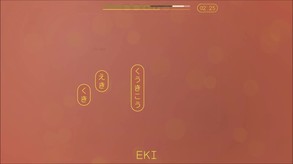
Great game for learning Hiragana and Katakana. If you're new to Japanese learning or you just want to get faster at reading characters, I can't recommend this game highly enough. There's not much to it. You learn to write the character a few times, then you play a timed typing game where you read the words on the screen and type them as quickly as possible. The game is well paced and organized. If you finish the game, which shouldn't take more than 10 or 15 hours at most, you will be able to read Japanese. You won't know what any of the words mean, but that is another hurdle for another game.
You Can Kana is an educational indie title developed and published by James Moulang that approaches Japanese language learning through the lens of gentle gamification rather than traditional study software. While it is distributed on Steam and presented as a game, its core purpose is clearly instructional: helping players learn, recognize, and internalize Japanese hiragana and katakana in a way that feels approachable, motivating, and far less intimidating than textbooks or rote memorization. It succeeds by understanding its scope and focusing tightly on foundational skills rather than overreaching into full language simulation. The experience is structured around teaching the two primary phonetic writing systems used in Japanese. Instead of overwhelming players with kanji, grammar rules, or sentence construction, You Can Kana narrows its focus to character recognition, pronunciation, and recall. This deliberate restraint makes it particularly welcoming for beginners, as it allows players to build confidence step by step. Lessons introduce characters gradually, pairing each symbol with audio pronunciation and romanized equivalents so that visual recognition and sound association develop together. Progression feels flexible rather than rigid. Players can follow the guided learning path from the beginning or jump directly into practice modes depending on their existing knowledge. For those who already have some familiarity with kana, the game’s challenge-oriented modes provide timed exercises that emphasize speed and accuracy. These sessions transform repetition into a light arcade-like activity, encouraging players to improve fluency without making the process feel like homework. The pressure of the timer adds excitement, but mistakes are treated as learning opportunities rather than punishments. Beyond simple matching, the game includes a variety of interaction methods to reinforce learning. Players can trace characters to develop muscle memory, match kana to sounds or romanized text, and read short Japanese words that demonstrate how characters function together. These small but thoughtful features elevate the experience beyond basic flashcards, helping learners connect isolated symbols to real usage. While it does not attempt to fully teach writing conventions or linguistic nuance, it lays a solid groundwork that can be built upon elsewhere. Visually, You Can Kana adopts a clean, minimalist interface that prioritizes clarity and readability. Characters are displayed prominently, menus are intuitive, and navigation is straightforward, making it easy to jump in for short study sessions or longer practice runs. The understated presentation is intentional, ensuring that nothing distracts from the learning process. Audio design is similarly functional, with clear pronunciation cues that reinforce correct reading without unnecessary embellishment. One of the game’s greatest strengths is how effectively it motivates repetition. Learning kana requires consistent review, and You Can Kana turns that necessity into something genuinely enjoyable. By framing practice as a game with progress tracking and challenges, it reduces the mental friction that often leads learners to abandon traditional study methods. Many players find themselves returning daily for quick sessions, gradually internalizing the writing systems without realizing how much progress they’ve made. That said, the game’s focused design also defines its limitations. You Can Kana does not aim to be a comprehensive Japanese language course, and players expecting in-depth explanations of stroke order variations, handwriting styles, grammar, or kanji will need supplementary resources. Absolute beginners may occasionally wish for more contextual explanation, especially when encountering characters that look similar or have subtle distinctions. However, these omissions feel intentional rather than negligent, reflecting a clear understanding of the game’s role as a foundation rather than a complete solution. In the end, You Can Kana excels by doing exactly what it promises. It is a polished, thoughtfully designed learning tool that transforms the often daunting task of memorizing hiragana and katakana into a calm, rewarding, and engaging experience. Its approachable pacing, flexible structure, and effective gamification make it especially valuable for beginners or returning learners who want to rebuild confidence. While it won’t replace formal study or advanced language tools, it stands out as one of the most accessible and enjoyable ways to master Japanese kana, proving that even small, focused games can have a meaningful educational impact. Rating: 9/10
This makes learning Japanese a fun experience than how a [b]certain owl[/b] teaches Japanese to foreigners Izuna from blue archive motivated me to learn Japanese Plus i like eastern Asian culture too so that inspired me to learn Japanese recommend 👍
good game to help learn and remeber kana, would reccomend
Text is mandatory. Seriously though, this is the most fun way to learn Kana that I have found.
very helpful in memorizing and not burning out
Very efficient way to learn kana with nice music
Selling now
See how fast this game is selling right now — estimated copies and revenue per day from recent review growth.
Players by region
Where this game's players are, estimated from review languages.
Players also reviewed
The games this title's players most often review too — audience affinity.
Related
| Game | Estimated lifetime revenue | Reviews | Review score | Price |
|---|---|---|---|---|
| $8.6K | 53 | 96% | $7.99 | |
| $5.1K | 37 | 92% | $7.00 | |
| $5.2K | 163 | 71% | $1.99 | |
| $921 | 18 | 94% | $2.99 | |
| $792 | 19 | 68% | $2.99 | |
| $450 | 3 | 100% | $7.99 |
Related
| Game | Estimated lifetime revenue | Reviews | Review score | Price |
|---|---|---|---|---|
| $51.5K | 268 | 65% | $9.99 | |
| $51.5K | 163 | 81% | $11.99 | |
| $51.5K | 395 | 66% | $4.99 | |
| $51.5K | 217 | 88% | $9.99 | |
| $51.5K | 265 | 94% | $14.99 | |
| $51.5K | 326 | 84% | $5.99 |