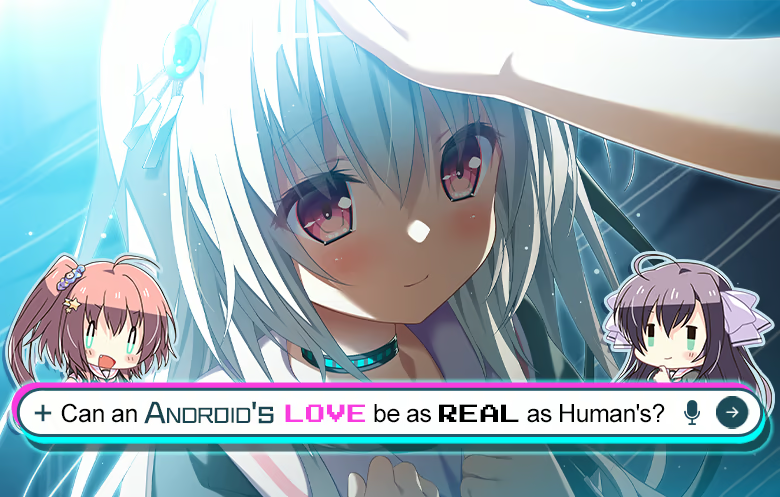
When tragedy sparks the advancement of science, a sentient android is created. Now, in this heart-wrenching, romantic, and beautiful visual novel, you will explore whether or not it's possible for man and machine to truly love each other.
Modeled estimate, not a reported figure. How we estimate →
Discounts
Every price cut of more than 20% we have observed, in each market that quoted one, with this game's chart position on either side of it. These are episodes, not a model: a sale is one event, and one event cannot tell you what the next one will do.
Reviews, worldwide (the counter carries no country): 0.14/day in the week to Sep 1 → 0.14/day in the week after.
For scale, across Steam · Top Sellers · Brazil over the last 30 days: the 26 chart moves that followed a price cut of more than 20% went a median of 7 places towards #1, and the 2,400 moves with no price cut behind them went 2 away. One store, one chart, one country — it is the only place we have enough observations to say even that.
Prices outside the United States have been collected since 6 August 2026 and chart positions since 19 July 2026, so a cut older than that has no market to compare and a market that joined later has no history yet. Nothing here is converted between currencies.
About

In this dramatic and emotional romance, you'll experience a visual masterpiece as the story delves into coping with loss, facing change, and what it means to love another.

When tragedy takes Shun's little sister away from him, he's left to try and cope with his survivor's guilt and move on, but his childhood friend takes a different approach. Wanting to see Shun smile, she puts her genius to work and creates a sentient android modeled after his dead sister.
Now faced with this innocent facsimile of your sister who's becoming a different person of her own, you're left to determine if you can love her all the same, or if you're better off moving on alongside either the friend who tried to bring her back for you or the friend who originally tried to accept the loss as well.


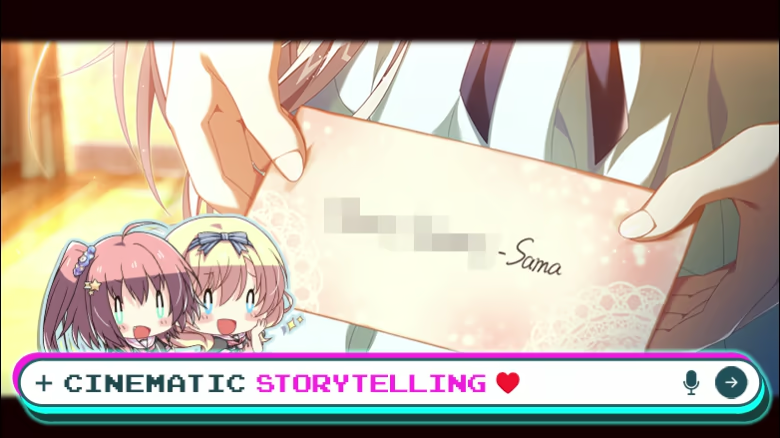
Just like minori's previous works, Trinoline utilizes countless CG, animated expressions, lip synch, and voice acting, along with careful, detailed production and direction to create a truly cinematic experience rarely found in visual novels.

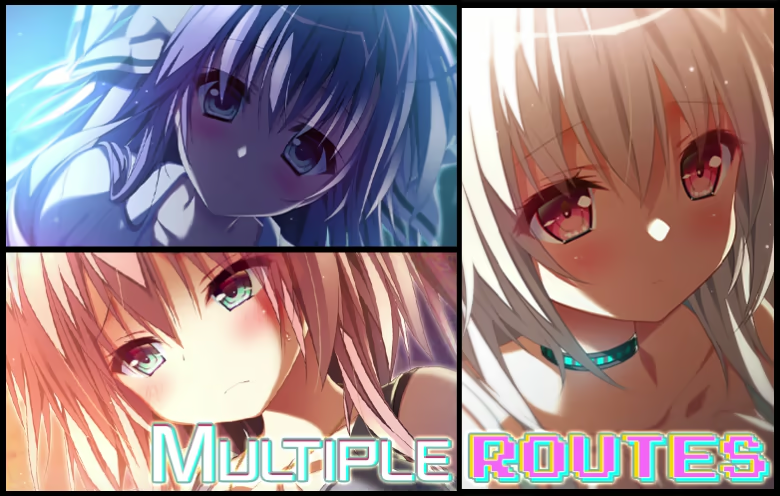
Experience three unique, heart-wrenching stories full of romance, drama, and hardships.

Enjoy numerous outstanding tracks composed by TENMON that bring the scenes to life and stick with you long after.
Engagement
Reviews
Themes across 56 recent reviews and how positive each mention is. A keyword signal, not full sentiment analysis.
Reviews
白樱线是不是有点莫名其妙
思考本身就是脆弱的,白樱的存在也是。
好看,不喜欢短发妹,我只喜欢夕梨
Media

Related
Related
Price dynamics, follower growth, revenue and sales trajectories with interactive tooltips
This and every other Pro feature is free until October 20, 2026. A free account is all it takes.
Genres
Stats
All-time low is the lowest price we've recorded for this game since we started tracking it.
Languages: English, Simplified Chinese
Hours played at review time, across 56 reviews with recorded playtime.
positive critical· bar length = how often the theme comes up
共通线4/10 白樱线7.5/10 夕梨线9.5/10 沙罗线5/10 ——共通线—— 开头写的挺好,设定世界观和人物徐徐展开,题材也不算俗套,是可以大展身手的方向。 但是写着写着白樱就开始0721,情感发展也过于仓促。 白樱是装着已故妹妹记忆的仿生人。他妈倒是个正常人,过了几天就明显的不接受,抵抗。 一个仿生人装着自己挚爱的记忆,在某种意义下可以说是特地来“夺取”“覆盖”生者对已故挚爱的记忆和怀念,是一种对逝者的不敬,对生者的践踏。 男主不将白樱视为妹妹,将其视为普通的(仿生人)女孩,对于男主来说,倒也不是不会产生这么个想法,可惜解释的模棱两可。 结果矛盾闹了半天,都给母亲整医院里了。 最后得出的解决方案就是分居而已,男主和白樱住在一块。从此之后母亲就权当NPC,显得先前的矛盾好似是为同居找了个借口。 一段日常后,白樱就突然觉醒人类之核了,开始思考何为喜欢。思考着也混乱矛盾了,要投海自尽了(剧情解释是想仿照白音的死法);最后给男主搭进去,失忆了,恰好失去了青梅夕梨和白樱记忆的,瞬间就对妹妹白音逝世释怀坦然(白樱线有提及)的崭新的男主人格就可以开启各个人线了👍🏻👍🏻👍🏻 (不过对于失忆的承接,夕梨线的处理是优秀的,作为青梅,第一时间不断的照虑男主。) ——白樱线—— 白樱被回收那天来了几次情感爆发(白樱跑出鸟笼,在海边告诉男主相爱不会带来幸福的未来),又开始思考意义了,男主又又喜欢上白樱了(?)。 然而第二天沙罗就告诉你,其实我们在实验过程中发现,白樱具有人类的心。直接机械降神般地盖棺定论了,白樱(或者说特里诺)就是有人心。让前面白樱对自我的苦闷思考变得像一出独角戏。不过好处是,可以将白樱理解为具有仿生人功能的永生人类来理解后续不再围绕仿生人是否有心而发展的剧情。剧情便从此攀升。 同时,男主萌生出将自己也变成特里诺的想法,想要能够永远的陪伴着白樱;而又在日后的生活和思考中反悔:明日何其多下的爱与依赖是不稳定的,不必须的;特里诺男主和白樱将不会再重视当下,长久幸福的在一起。承接于此,男主由于失忆和被提取记忆,时日不多。 白樱在男主死后选择格式化消除记忆——用仿生人的死法,回到男主身边,也回答了男主所希望白樱找到的幸福的意义。伴随着沙罗的独白,沙罗重启三号特里诺,带领白樱再来到海边,白樱却本能的落泪——此本能源自何,也引人遐想,沙罗此处也说「流泪是高级的情感表达方式……只有人类和特里诺才会流泪」。 最后以沙罗诵读白樱的信作结,希望白樱能像只鸟儿支配自己的命运,照应开头,也呼应男主和白樱自己的期望——“如果我拥有灵魂的话,那我真希望,它会是一只鸟儿的形状啊。” 本作不管是开头还是白樱线结局的这个独白式叙述还是非常优秀的,加之白樱和沙罗的声音都很平静温柔,使人沉浸回味。 ——夕梨线—— 这条线就没白樱和特里诺什么事了。节奏非常舒缓,感情发展连贯。 为了在终前再多创造一些记忆——因为因此也深知男主也能突然离开夕梨,夕梨骗男主在失忆前二者是恋人。二者感情不断升温。 夕梨长期罹患不愈之病,时日不多。夕梨在放弃治疗以获得自己的生活与接受新兴科技治疗但以长期住院药物监测和频繁更换身体器官为代价中选择了前者,并在男主表白时拒绝出于认为必然即将消逝的爱不值得。 男主则坚持爱情应重视当下,共同面对未来。两人成为恋人——失去过去之人与没有未来之人的恋爱,所剩便只有“当下”。 夕梨拜托沙罗,沙罗发明了类似于特里诺的VR夕黎,以便“夕梨”能长久的陪在男主身边。 分歧从此开始。夕梨去外岛治疗一周,男主在此期间不断沉迷夕黎。夕黎从诞生之初便不再是“夕梨”,夕黎获得了与男主的独特回忆,而夕梨没有。男主嘴上说着尽管夕梨有顽疾,仍会尽可能在当下塑造美好回忆,却始终幻想着有一个健康的,不再为疾病所扰的,开开心心的夕黎。 夕梨治疗回来后,治疗结果不理想,得知男主渐渐的依赖夕黎,依靠夕黎拥有的所谓的“夕梨”人格,自以为是地剖析夕梨内心所真正想的,深知夕黎在男主心里的地位不知不觉已比自己高了。夕梨与男主渐行渐远。(这段剧情节奏把握的比较不错,但也很胃疼,相当于自己的分身把自己牛了。) 在花子学姐的开导后,男主终于明白了自己的心意。夕黎不过是自己的一厢情愿,幻想着存在的一个事事理解自己,支持自己的完美女友。「一切都能被理解的生活,是无趣的」,正因为人类存在差异,所以才会在日常中不断交流,在恋爱中试图了解对方,「因为这才是人类」。 与夕黎作决断后,男主鼓起勇气向夕梨尽数坦白。人类必然依靠他人而活,夕梨的默默死亡的决定也是不信任男主,不信任医生,不信任朋友的体现。夕梨决定接受高阶治疗。「只要心怀勇气,未来一定存在」,不鼓起勇气去看看,怎么知道明天不会美好? 本线在带来happy ending的同时,完成了一次对科技复制体女友的探讨和爱情本质追求的检验。 ——沙罗线—— 懒得说了,太无聊了。 作者对人工智能数学本质(深度学习等)和人工智能伦理哲学(机器人三原则等)等的理解在本线中可见一斑,是捉襟见肘的。 相比于白樱,夕梨线另寻到合适的主题,沙罗线在科技与人这个主题一头走到黑,反而把作者在这方面的短板暴露无遗,说句不好听的,整条线像是无病呻吟的中二文学。 (把这条线放在true end更招笑了) ps.除了夕梨线和白樱线后段,男主基本上就是个沙币,本线尤为明显。 ——本作佳句—— 白樱线「为什么我们会追忆无法触及的过去,以巡想未曾目睹的明天呢…… 这是神明赐予人类和特里诺的美妙力量。」 夕梨线「Picture one's future,not to give up the life. There is a fingerpost leads the one to hope.」 ——总结(除沙罗线)—— 本作以极具张力的伦理禁忌的特里诺白樱设定展开,却没有讨论到可有的高度。但却及时止损,在每条线,都围绕本作真正的主题——终将逝去的爱情,此时此刻的接受,付出和享受是否还有意义。白樱终将失去男主,要不要拒绝无爱的永生;夕梨线险些错失彼此,要不要告别完美的幻象。 本作给出了回答——没有终点的爱会贬值,哪怕明天遍布荆棘,当下残缺而笨拙的真实拥抱,也胜过科技拟态的完美延续。
作者想讨论何为人,何为主体性,然而没那个笔力。主题是很好的,展开的太垃圾了
Trinoline All Ages Version takes the familiar structure of a romance visual novel and gives it a surprisingly somber science-fiction foundation. Developed by minori and published by MangaGamer and Sunflower Ocean, it centers on Shun, a young man still carrying the emotional damage caused by the death of his younger sister. His unresolved grief becomes far more complicated when his brilliant childhood friend Shirone develops an advanced android that resembles the sister he lost. What sounds like a technological miracle quickly becomes an uncomfortable emotional dilemma, giving the story an effective foundation for examining loss, memory, identity, and the difficulty of moving forward. The android is particularly important because the narrative does not treat her as nothing more than a mechanical copy. As she interacts with Shun and the people surrounding him, questions emerge about whether memories and physical appearance are enough to recreate a human being. Her ability to think, learn, and develop her own personality gradually challenges the idea that she exists solely as a substitute for someone who died. This creates some of the game's most interesting moments, especially when Shun must separate his memories of the past from the individual standing in front of him. Romance remains a major component, with three heroine routes providing different perspectives on the central conflict. Choices determine which relationship and storyline receives greater attention, encouraging multiple playthroughs for readers interested in seeing the complete narrative. Each route has its own emotional priorities rather than feeling like a simple variation of the same romance. The branching structure works particularly well because relationships are connected to the larger themes of attachment, mortality, acceptance, and artificial life. Gameplay follows the traditional visual novel formula. Players spend most of their time reading dialogue and narration while occasionally making decisions that influence the story's direction. There are no elaborate combat systems, exploration mechanics, or demanding puzzles. Consequently, the experience depends almost entirely on whether the writing and characters can maintain the player's interest. The pacing can occasionally become slow during extended conversations and everyday scenes, but these quieter portions establish relationships and provide contrast for the more dramatic events later in the story. The visual presentation is one of its strongest qualities. Detailed character artwork, attractive backgrounds, expressive portraits, and numerous event illustrations give important scenes considerable personality. Character animation and presentation effects add movement to conversations that might otherwise feel static. The overall anime-inspired art direction is colorful and polished, yet it remains capable of supporting the darker sections of the narrative when the atmosphere changes. Audio quality is equally important to the experience. Japanese voice performances give the cast distinct personalities and add weight to emotional scenes, while TENMON's soundtrack contributes greatly to the melancholic atmosphere. Music frequently enhances moments of romance, sadness, tension, and reflection without distracting from the dialogue. Because the story spends so much time exploring personal relationships, good voice acting and carefully placed music make a noticeable difference in how convincing its dramatic scenes feel. The All Ages designation should not be interpreted as meaning the story is completely cheerful or suitable for every audience. Although this edition removes the emphasis on explicit adult sexual material, its narrative still tackles serious subjects including death, terminal illness, attempted suicide, experimentation, bodily modification, and other disturbing situations. These themes are not merely included for shock value. They reinforce the game's interest in mortality and the lengths people might go to when they cannot accept losing someone important. Steam Deck compatibility is officially listed as Unsupported. Players primarily interested in experiencing it on Valve's handheld should keep this limitation in mind rather than assuming that the simple controls automatically guarantee full compatibility. Its design may appear ideal for portable play, but the official Deck classification does not currently provide that assurance. What makes Trinoline All Ages Version memorable is the contrast between its attractive romantic presentation and its much heavier underlying ideas. It asks whether technology can truly restore what death has taken away and whether recreating someone's appearance and memories would actually recreate that person. The story occasionally leans heavily into melodrama, and its slow pacing will not suit players who prefer constant interaction, but readers who enjoy character-focused visual novels are rewarded with substantial storytelling, multiple routes, impressive artwork, strong music, and emotionally complicated relationships. It is a polished and emotionally ambitious visual novel whose science-fiction premise provides more than a decorative backdrop. Its limited gameplay and occasional pacing issues narrow its audience, but the combination of thoughtful themes, attractive production values, compelling heroines, and a memorable soundtrack makes it a worthwhile choice for visual novel fans who appreciate romance mixed with tragedy and speculative ideas. Rating: 8/10
[h1]三线合一,命运转动[/h1] [h2]游戏推荐指数:★★★★★★★★★☆[/h2] 非常棒的演出效果和画面,剧情有许多诟病的地方,但在三线合一的时候还是有被感动到。 本个作品采用了大量的渐变动画和背景移动,在三线全通关的时候可以浏览CG,可以看到一系列的动作原本都是静态壁纸,在采用了许多渐变式的动画再配合人体的眨眼自适应补祯,就会觉得一整个动作动态感不错。画风上,光线效果给的很足,服装褶皱和人体结构无崩坏,上百张CG都很精美和对口味。 剧情上有许多值得诟病的地方。 一开始推的为夕梨线,主要讲述了[spoiler]夕梨因为身患重病,时日不多,创造了一个替代自己的机器人并最终正视自己内心的[/spoiler]故事,探讨了机器人的心与工具的问题。在现代人工智能快速发展地阶段,这条故事线非常有思考价值,可以试想一下如果以后人真的能和机器人谈恋爱,是会把他当成无条件服从的工具,还是把他当成一个人来看呢,机器人的人性和工具性二者是否能有平衡?回到作品,虽然大主题上有深远意义,但是剧情发展却无痛呻吟、有许多无必要的煽情,比如[spoiler]夕梨和夕黎之争、夕梨的不想治病[/spoiler],看得我是目瞪口呆:剧情还能这样子强行胃痛发展? 然后是白樱线,故事为[spoiler]白樱因为是仿造男主妹妹白音,不被妈妈接受,在封闭自己内心的同时却又有了自主意识的对男主的爱慕之心,随着同居日子的变长,白樱也逐渐从矛盾的心理变成确定的爱慕,又重新被妈妈接纳,但同时男主病情加重,在男主死亡之时也选择自己的“死亡”[/spoiler]。本条线剧情发展无太大问题,探讨了机器人的记忆连续性和自主意识性,在三原则的限定下,机器人是否能保有自主意识,这种自主意识又是如何体现,也非常有思考价值。 在推完两条线后,在游戏开启新篇章中选择从头开始就可以进入沙罗线。沙罗[spoiler]作为研发机器人的核心人物,对机器人的发展有独到的见解。由于幼年时在囚笼中被男主29次救助,早已埋下了爱慕的心理,在夕梨和白樱线中爱的隐匿于沙罗线中彻底爆发,在大量的观测实验中,最终决定“销毁”自己多年研究的机器人[/spoiler]。沙罗线回收了夕梨线和白樱线中埋下的伏笔,是个人觉得比较精彩的地方,故事也探讨了机器人的安全问题,提出如何发展机器人的疑问,且最后的电脑端自启动的开放式结局更加深了这一研究。 实际上,在打补丁后推线的时候就注意到剧情很多的不合理性,我愿称之为反人性。比如在男女主病怏怏的时候还要大Do特Do(好一个果蝇),然后让女主走路不稳的时候还要独自回家。此外,不知是否因为H剧情与全年龄剧情是在作品创作的时候就已经分好了,但是没有做过渡的剧情,导致进H剧情时非常突兀,在过H剧情的时候快速阅完,或者直接不打补丁完,剧情更有连贯性。这种H剧情也有弥补,比如多种场景、强烈反差感。 总之,较于废萌作品的galgame而言,有着强行胃痛的通病,也有画面精美、故事连贯的亮点。而在这个作品中,相较于色色或者画面而言,更值得关注的应为剧情带给大家的思考,因为有这一项,我愿意给更高的打分。(要是有无码补丁就好了) [quote][h3]鉴赏员测评配置:[/h3] CPU:Intel(R) core(TM)i7-9750H GPU: NVIDIA GeForce GTx 1650 加入[url=https://steamcommunity.com/groups/GgamePlayer] G胖受害者鉴赏组[/url] 和鉴赏员一起战斗!爽! [/quote]
还是中二一如既往难评的剧本,只不过这次真的抽象到了一定地步,并且媚宅到难以想象的地步。白音一条线玩得我要吐了,这神人剧情和对白没三百斤扛不住,已经媚宅到了恶心的地步,实在是过头
非常不错,长度适中
巨乳社对的
Players by region
Where this game's players are, estimated from review languages.
Players also reviewed
The games this title's players most often review too — audience affinity.
Related
| Game | Estimated lifetime revenue | Reviews | Review score | Price |
|---|---|---|---|---|
| $1,000 | 2 | 0% | $12.99 | |
| $146.5K | 235 | 90% | $34.99 | |
| $103.2K | 163 | 97% | $39.99 | |
| $8.4K | 44 | 91% | $11.99 | |
| $4.7K | 30 | 90% | $8.99 | |
| $516 | 2 | 100% | $14.99 |
Related
| Game | Estimated lifetime revenue | Reviews | Review score | Price |
|---|---|---|---|---|
| $84.3K | 138 | 64% | $18.99 | |
| $84.3K | 196 | 78% | $14.99 | |
| $84.3K | 214 | 83% | $14.99 | |
| $84.3K | 2.1K | 77% | $1.99 | |
| $84.3K | 1.1K | 82% | $4.99 | |
| $84.4K | 107 | 81% | $19.99 |