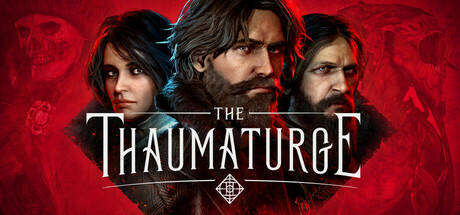
The Thaumaturge is a character-driven RPG with a rich story, morally ambiguous choices, and turn-based combat. In a city on the brink of change, use your mystical powers to read emotions, uncover motives, and command folklore-inspired demons — while resisting the temptation of your own pride.
Modeled estimate, not a reported figure. How we estimate →
Prices
Each in the currency that store quoted — not converted: the gap between two rows is the publisher's pricing, not an exchange rate.
Discounts
Every price cut of more than 20% we have observed, in each market that quoted one, with this game's chart position on either side of it. These are episodes, not a model: a sale is one event, and one event cannot tell you what the next one will do.
Reviews, worldwide (the counter carries no country): 1.71/day in the week to Sep 3 → 4/day in the week after.
About
A hero with a flaw
Wiktor Szulski is a thaumaturge, a master of mystical arts, who can peer into the hearts and minds of others, uncovering their deepest emotions, desires, and secrets. However, his powers also feed into his flaw of pride, which can present him with various opportunities or lead to negative consequences.

Untold mysteries waiting to be revealed
No secret or intrigue is safe when the thaumaturge is around. Your unique abilities will give you a great edge in solving detective investigations, becoming a savvy socialite or even dealing with the criminal underground. Explore the world using Wiktor’s perception, seeking personal secrets hidden in objects, that provide different perspectives on events that may seem obvious at first glance.
Taming mythical creatures
As a thaumaturge, you draw your power from the ability to summon salutors – mystical, folklore-inspired demons that inhabit the ethereal realm. Use their powers to manipulate your foes, sway the minds of allies, and fight opponents in turn-based tactical combat.

Unique turn-based combat
Engage in deep, tactical combat against various opponents – some physical, others more elusive. Wiktor's thaumaturgical abilities let you bend the rules of reality, summoning demons to unleash powerful attacks or gain strategic advantages.
A rich gallery of characters
The early 20th-century Warsaw is a multicultural metropolis with inhabitants from all walks of life. Among them, you’ll meet historical figures like the monk Rasputin or Tsar Nicholas II. The story also introduces you to a gallery of characters connected to Wiktor’s troubled past such as his well-versed sister Ligia or Abaurcy, a childhood friend who turned to a life of crime.

Features:
· Play an isometric RPG in which your choices will shape the final outcome of the story.
· Use your unique skills to influence and manipulate other characters.
· Tame the power of folklore-inspired demons called the salutors to gain an advantage when exploring the world and bringing adversaries to their knees.
· Experience unique turn-based combat and defeat your foes using both the physical attacks and skills of the tamed salutors.
· Meet a rich gallery of characters from the early 20th-century Warsaw.
Add-ons
Each DLC is estimated with the same model as a game, then summed — a modeled figure, not reported DLC sales.
Sums Steam only; PlayStation, Xbox, GOG, Epic publish no volume signal, so the true total is higher by an unknown amount.
| Store | Price | Audience | Score | Chart | Est. revenue |
|---|---|---|---|---|---|
SteamYou are here | $34.99 | 5.9Kreviews | 83% | — | $3.2M |
| $34.99 | 3.4Kratings | 86% | — | not modelled | |
Updates
Build ids and update times come straight from Steam's PICS — the same source SteamDB reads. Patch history grows as we record new builds.
Engagement
Reviews
Themes across 910 recent reviews and how positive each mention is. A keyword signal, not full sentiment analysis.
Reviews
[h1]My Review in One Phrase: The Devs are Cowards[/h1] This is the first time I'm going to write a negative review not because I think the game is particularly bad, but because I think it could have been so, SO much better, and the developers should know. The Thaumaturge is so close to a great game, but hampered because the developers quite obviously couldn't follow through on some fundamental basics of game design. First, the [u][b]graphics[/b][/u]. It's too good. And that might seem weird at first, but once you play the game, you'll understand. There's too much of a disconnect between how good the graphics look, and how much of an absolute jank the animation is. I don't know why the developers decided to go with this weird "isometric in gameplay but 3rd person in cutscenes" approach, but it's incredibly jarring, because it's obvious a lot of the animation and art works better in isometric. And whenever the camera zooms into 3rd person, it gets really ugly, really fast. Objects look like plastic, and animations looks bad for the fidelity. Every time I spend a significant amount of time in one camera mode, I get into this gameplay groove where I start settling into the game. Then, the camera switched and BAM! It's like I just got slapped across the face and my eyes needs to readjust. It's just so, so jarring. [u][b]Gameplay[/b][/u] wise, I'm not far enough to fully comment on the complexity, but I'm far enough to see a fundamental error in the design. One that a lot of beginner game designers often fall into the trap of making, especially in RPGs. The stats don't matter. What this means is that levelling up, putting points into your skills, all of that don't matter. You don't have to choose, or plan, or anything. Because there's only one character, the developer must make sure that whatever build you make will carry you to the end game. The fights aren't challenging enough to make you want to put anything more than needed either, since you don't have traditional "levels" to scale to. Outside of combat, because of how nebulous the classification of skills are, you don't have any way to know which ones will affect dialogues which way. If for example, you want to play a pacifist character, you don't know which stats is the pacifist one. What happens then is you start hoarding skill points since you don't NEED it for combat. So you wait until you see a thing where you don't have enough levels in to do, then you throw the skill points in that. This means The Thaumaturge doesn't have vertical or horizontal game scaling, which is really, really bad RPG design, because it prevent the gameplay from evolving. You're stuck at the "starting point", all the time. You can't do "more things", nor can you do the same thing "but better". You're just doing whatever comes along with just the illusion of choice. My final big issue is the [u][b]voice acting[/b][/u], because it perfectly highlights the main problem with this game. If you're like me, someone who lives in a culture of multiple languages with multiple accents, you'll hear it immediately when you play the English audio. Everyone is desperately trying to sound like they are using the wrong accents. You have Polish actors, trying desperately to sound more English, and Canadians doing their attempts at some Slavic accents. I don't know if it's because they were afraid it'd sound bad or whatever, but now it just sounds weird. When, in all honesty, they should have just embraced their Eastern European accents. Because it sounds so incredibly unnatural, almost robotic, when everyone is trying to be something the game is not. Like, why does my proletariat from Warsaw sounds like a Pol pretending to have a London accent? Mid way through chapter 1, I could not stand the voice acting any longer, and just switched the audio over to the Polish one, and even though I could no longer understand what was said, it sounded [i]natural[/i]. It sounded right, and so much better. All this is to say, the overarching issue is that the developers were not brave enough to commit to a vision. If they had just focused on an isometric camera design, or cleaned up the animation for 3rd person, the game would be beautiful. If they had just focused on either a Disco-esque nebulous stat system for mystery or combat focus, instead of this half-half nonsense, the gameplay would be uniquely fun. Instead of trying to make the game sound English, and just have it embrace all its Eastern European accents, the acting would be enjoyable. But they didn't do that. They got scared. I look forward to the dev's next title, because there's actual talent and promise here, just not focused into something worth while.
Media

Related
Related
Price dynamics, follower growth, revenue and sales trajectories with interactive tooltips
This and every other Pro feature is free until October 20, 2026. A free account is all it takes.
Every market we collect.
For scale, across Steam · Top Sellers · Brazil over the last 30 days: the 25 chart moves that followed a price cut of more than 20% went a median of 10 places towards #1, and the 2,413 moves with no price cut behind them went 2 away. One store, one chart, one country — it is the only place we have enough observations to say even that.
Prices outside the United States have been collected since 6 August 2026 and chart positions since 19 July 2026, so a cut older than that has no market to compare and a market that joined later has no history yet. Nothing here is converted between currencies.
Genres
Stats
All-time low is the lowest price we've recorded for this game since we started tracking it.
Languages: English*, French, German, Spanish - Spain, Polish*, Russian, Simplified Chinese*languages with full audio support
| $34.99 |
| 789ratings |
| 76% |
| — |
| not modelled |
| $12.25−65% | 146ratings | 82% | #133 | not modelled |
| $34.99 | — | — | — | not modelled |
Matched by title — a reused name can pair the wrong games. * is a critic aggregate. Prices and positions are each store's United States storefront; Epic charts worldwide. Audience and Score too, except Steam's, which is worldwide.
Hours played at review time, across 915 reviews with recorded playtime.
positive critical· bar length = how often the theme comes up
Having mastered the game I feel obliged to share my thoughts about it. I'm giving it a negative review, but truth be told - it's not a horrible game. There is a plenty of things that can be appreciated and I'm sure many-a people like or even love the game, so I'll start with good things. To begin with - I am Polish and I've played Polish version of the game. It's important to mark that, because it feels like it's a game made by Poles for Poles. The setting itself, which is arguably one of the most attractive traits of this title, is definitely a breath of fresh air, but it favourises the Polish recipients. There has undeniably been a lot of effort put into research as the characters utilise a dialect, or at least words from it, typical for Warsaw of the early 20th century. There are a lot of references to historical facts and events such as the infamous brochure about the canalisation of Warsaw, which for a Polish might be understandable references, but for outsiders they might bear no meaning at all. Furthermore, one of the strongest bits of this game is that it's full of little winks to Polish players referencing not only the historical events, but modern popculture - bystanders refer memes and sayings typical for modern Polish culture, and as someone who understood those references, I enjoyed them. Unfortunately, in my opinion, the developers have overtly focused on making the setting historically accurate, which they have succeeded in doing to a great degree, at the expense of making an enjoyable game. Everything other than that is mediocre at best and plain bad at worst. And if Steam review system was not binary, I don't think I would review it negatively, but I hope my negative review will work as a sort of a warning for those who still plan to buy the game. Because for me, it's genuinely not worth it and was it not for my completionist obsession, I wouldn't have spent as much time as I have playing this game. As for the visual and audio aspects of the game - they just feel off. The music, while memorable, is far from being enjoyable - it's obviously subjective, but I thought we'd start from the best aspects of the game and proceed to the worst. As far as the dialogues in the Polish version of the game, it's again in a weird spot - while there obviously have been a lot of effort and money put in that aspect, as so many of the voice actors are recognisable veterans of the Polish industry, their performances were usually very plain. Almost everyone, with very very few exceptions, sounds emotionless, tired, depressed and it just reinforces the very grim and morbid atmosphere of the game, which is about as appealing as the rainy winter evening in central Poland. It's also really funny how people speaking otherwise perfect, standard Polish dialect insert one or two random slang-words with no accent. It adds to the total awkwardness of the game. That alone would even be acceptable if it wasn't for the visuals and the animations - the characters move weirdly, their facial expressions placed solidly in the middle of the uncanny valley, sometimes even not moving at all. And with a very unique artstyle, which is borderline realistic and grotesque, the unappealing dialogues just reinforce the feeling that this area of the game is simply undercooked. The characters are stiff and usually simply ugly. Looking at dialogues in the game is like watching an orange rot - neither pleasant nor enjoyable and you being to wonder why you're doing that in the first place. So the game is unsettling, but not in a good way. The only thing I can complement is the design of the salutors - in most of the cases they look really interesting, even if they're animated as terribly as the rest of the characters in the game. If you look past that however, you unfortunately get to the story and gameplay. Without spoiling too much, the story is full of cliches and is in general very simple and feels cut short. Most of the characters are plain, and while some of them you think you will develop a more proper relationship with, all interactions boil down to literally just a handful of dialogues. The actual story is also rather short, so there's not much room for getting invested anyway. The mythical elements of the setting and the entire thaumaturge backstory has some potential, especially when faced with other "mystical" traditions and characters, it's surprisingly less prominent in the story than you'd expect it to be. Finally, we come to the creme de la creme - gameplay. It's masochistic. While the game pretends to be an RPG game, it's actualy a point-and-click with RPG characteristics. The combat system itself is alright, albeit really repetitive - the skills and perks neatly sorted into useful/useless dichotomies and there is little incentive to try different builds or tactics, so after a moment the fights cease to be exciting at all and feel like a chore. The system itself is not bad, but it's really poorly made. However, the exploration aspect is just terrible and the main reason why this game gets this negative review. What feels like 90% of the game, you just run around cluttered locations being stuck on every little obstacle, constantly pressing right mouse button looking for "clues". And while this game pretends to be some sort of "mystery solving" game, there's actually no player agency on that part. You just run around using your witcher senses to collect all the "evidence" and that's it. You don't have to put anything together - as long as you collect three to five "collectibles" - here you go, you've solved the mystery and unlock the right dialogue option. Proceed to the next location to run around like a headless chicken or a Lelek. Who thought it would be fun gameplay loop is beyond my understanding. So all in all - in the Thaumaturge you get a game that under a guise of an RPG-game presents you with a miniature-model of interwar Warsaw that you can endlessly run around in with very little to do other than that. There's no player agency, basically one major narrative choice, and you don't get to do anything other than run around and have unexciting combat once in a while. And there's not even any proper exploration! You just get guided towards whatever you need to finish the current quest you've started. It's as scripted as games can be. So don't get cheated like I did that you're going to get an enjoyable narrative experience in a fascinating setting - you will get bored to death. It feels like the developers had a great idea, threw all their efforts in being historically accurate, and were left with no money, time or strength to put similar effort into other areas of the game resulting in a very bland and apathetic experience. Unless you want to learn the Varsovien dialect, there's a high chance you'll regret playing the game. I'm not saying don't buy this game - it is finished and playable - but do so forewarned.
This is a mixed review. I enjoyed the game but it was difficult to do so for a couple reasons. I would happily purchase a sequel with the hope that the team can improve upon what they've created here. + Excellent artwork, especially the salutors, and the atmospheric environments. + Voice acting of the main cast, namely Wiktor and Ligia, was excellent. + The progress of the main story arc was compelling, such as your relationships with Rasputin and Ligia. And how Wiktor evolves as he reflects on his father's choices. - A graphical glitch plagued me throughout the entire game, causing distortions and flickering, even despite troubleshooting and reaching out to the forums. - It's easy to miss advancements, such as optional Flaws and salutors, without realizing it. Unless you're carefully managing iterative saves, you're likely to make mistakes and lock yourself out of preferred routes. - Some of the story beats conclude awkwardly, with what's established as character motivations being forgotten and rushed toward the finish line. - The main gameplay loop gets tedious after while. As much as I wanted to unlock more stats and dialogue options, wandering through the city clicking, searching, and fighting would drag on and feel like a waste of time. - Some of the character models, namely the children, seemed rushed and incomplete. They appeared as old, little men with giant hands.
[i]11 bit studios[/i] славятся тем, что как разработчик, и как издатель находят действительно интересные проекты, обладающие собственными уникальными чертами. Именно это и сподвигло меня купить [i]The Thaumaturge[/i]. [i]The Thaumaturge[/i] позиционируется как детектив с глубоким сюжетом и персонажами, с вариативными диалогами, RPG-элементами и с заделом на мистический лор. Завязка у [b]сюжета[/b] хоть и классическая, но от этого не плохая: ваш отец умирает внезапной смертью, и теперь вас преследуют его [i]призраки[/i] прошлого, с которыми предстоит разобраться. Но в общем сюжет обычный, некоторые повороты кажутся уж слишком натянутыми и без предпосылок, но дабы избежать спойлеров, не буду на нем акцентировать внимание. Говоря о местной драме, стоит упомянуть и персонажей. Взаимоотношения с сестрой особого развития не получили. Конфликт с отцом странный: вы решаете, простить отца или нет. Хотя, на мой взгляд, было бы куда логичнее, если бы ГГ в ходе рассуждений, например, прощал бы отца, так как конфликт был у них, а не у меня с отцом Виктора. Это, к слову, и о следующей проблеме: [b]RPG и диалогах[/b]. Диалоговая система тут примерно как в Fallout 4: да, нет, сарказм, пока. Только вместо сарказма – гордыня. Однако если по ходу игры вы не будете использовать реплики с гордыней, то во второй половине вам уже не будет хватать уровня, и реплика будет заблокирована. Кстати, достаточно часто встречается фраза: «ваши действия заблокировали эту реплику». А что именно я не могу сказать – непонятно… Отсюда и проблема: тут нет RPG. Диалоговая система тут существует только потому, что это модно. Куда лучше было бы проработать черты характера персонажа и просто оставить катсцены без диалогового окна, так как эти реплики, как правило, ни на что не влияют. Только в самом финале у вас будет выбор, который повлияет на вашу концовку. Пару слов о [b]детективной составляющей[/b]: её здесь нет. Ты не напрягаешь свою индукцию, собирая зацепки, так как после их сбора игра сама выдает тебе однозначные умозаключения. И сюда же можно отнести [b]проблемы лора[/b], которого также нет. Игра больше сосредоточена на том, что какая-то тетка разводит собак или что где-то дети играют в СЕРСО! (это можно узнать, собирая записки), чем на демонах из разных мифологий. Единственное место, где можно узнать о салюторах (местных демонах), – ваш дневник, но и в нем всего пару абзацев о каждом. Отдельного упоминания достоин [b]макгаффин[/b] игры – черный гримуар отца. Добрые ¾ игры будет проведено в его поисках. И вот при его получении вы думаете: он в моих руках, тайные знания, священные писания, местный некрономикон. А получаете шиш. Его невозможно ни прочитать, ни воспользоваться; он нужен только для определенного сюжетного хода в конце игры. Если говорить в целом о [b]сеттинге[/b], то Польша начала XX-го века, наверно, местами и показывает отличительные постройки, которые были бы близки живущим там людям, однако в целом я не вижу отличий от любого другого города этого временного периода. Возможно, проблема в том, что у игры нет какого-либо уникального визуального стиля. Возможно, всему виной [i]UE5[/i]. Насчет богатой [b]галереи персонажей[/b]. Из знаменитых исторических личностей тут можно встретить [i]Распутина[/i] и царя-батюшку [i]Николая II[/i]. Еще есть генерал [i]Скалон[/i], однако надо быть большим поклонником истории, чтобы знать, кто это. Но если уж вы используете исторических личностей и играете в альтернативную историю, почему хотя бы в качестве эпизодических персонажей не вписать сюда [i]Владимира Ленина[/i], [i]Розу Люксембург[/i], коли уж тема социализма затронута? Ну или менее политических личностей, например, [i]Кюри[/i], которая, кстати, родилась в Польше, однако о ней будет лишь одно упоминание по игре. Кто-то скажет: не захотели и не ввели. А зачем тогда ввели персонажа, который встречается не один раз и следует в Альбукерке, явно отсылая нас к сериалу [i]Breaking Bad[/i]? Такие отсылки рушат погружение в игру; у вас не открытый мир, этот персонаж встретился 99% игрокам. Что еще портит погружение, так это [b]анимации лиц[/b]. До тех пор, пока персонажи не используют мимику, все хорошо, но как только они пытаются улыбнуться… брр… дрожь по всему телу… эффект зловещей долины в действии. А теперь к куда большей проблеме. [b]Бой[/b]. Мало того, что большинство боев начинаются спонтанно и не к месту, и даже если ты пытаешься не накалять обстановку, бой все равно состоится, так еще и боевую систему сделали отвратительной, но назвали уникальными пошаговыми боями. На самом деле – классическая пошаговая боевка: есть ваш персонаж с набором способностей и есть набор салюторов, якобы с уникальными способностями. Бой поделен на раунды, вы заранее выбираете, какую способность применяете вы, какую – салютор, а затем наблюдаете процесс. Салюторы так или иначе повторяют друг друга, из-за этого добрая половина способностей и некоторые салюторы просто становятся не нужны. Анимации долгие и однообразные, новые способности у вас не открываются, прокачиваются только те, что есть. Так, помимо этого всего, разработчики умудрились зафакапить смысл пошаговых боев – какую-никакую тактику. А именно: есть тут помимо классического здоровья еще и концентрация, что-то вроде «ментального щита». Когда очки ментального щита заканчиваются, можно провести супер-пупер атаку, которая скорее всего убьет противника. И вот в чем особенность: допустим, у врага осталось 1 очко концентрации, и вы за своего персонажа применяете способность, которая снижает эту самую концентрацию, и затем хотите выбрать суперспособность салютора, а нельзя. Несмотря на то, что способность салютора будет применена после способности ГГ, которая снизит концентрацию до нуля, игра все равно считает, что у противника еще есть концентрация, и не позволяет применить на него сверхспособность. В итоге эту атаку можно будет провести только в следующем раунде. Из-за чего идея просчета ходов и какая-либо тактика душатся (прямо как эта рецензия). В итоге мы получаем скучные, однообразные, затянутые бои. В конце хотелось бы поговорить о том, что [i]дьявол[/i] кроется в мелочах. В игре существуют коллекционные предметы. И вопрос один: зачем? Ответ тоже один – затем, что модно. Одежда никак не меняет внешность персонажа, это просто набор штанов, жилетки и плаща. Все чем они отличаются – это цвет и чуть-чуть фактура, которая будет незаметна. Набор причесок, однако, открыт, но они повторяют прически, существующие в игре; ну что это за 2005 год. Зачем вообще эти 5 причесок добавили? На что вы потратили время?... Возможно, это мелочи, но на мой взгляд они отлично показывают подход к созданию игры. Лениво, просто лениво, никаких интересных разнообразных кастомизаций. Да и будем честны: они тут и не нужны, без допов игра проходится часов за 15 максимум. И последнее. [b]Субтитры[/b]. Перевод в подавляющем большинстве кушает смысл фраз, а иногда переводит не то, что говорят персонажи, из-за чего сыпятся их характеры. Но будем честными: это бич большинства локализаций, у игры и без этого много проблем. В общем игру я конечно не советую. Уберите вы эти кастомизации не нужные, не тратьте на это время, уберите диалоговую систему и проработайте главного героя и персонажей, с боем не знаю что придумать, он реально плохой, создайте свой визуальный стиль, если проблема не в движке, пофиксите мимику персонажей, развейте лор, чтобы салюторы были его центром, а то получается, у вас и не детектив, и не политическое высказывание (про это я даже упоминать не стал в обзоре), и не мистика, а сборная безвкусная солянка и это было бы хотя бы играбельно.
Я нормально отношусь к желаниям народов забыть о периоде подчинения Российской империи (у всех своя правда), но здесь русофобия откровенно неуместная, выбивающая из погружения: просто чтобы запихнуть её как можно больше и чаще, а не для того, чтобы как-то дополнить сюжет. Каким-то застарелым комплексом отдает, не добавляет игре красок, а просто есть. Зачем, для чего? Ну, вот чтобы было.
Мы слишком долго пытались объяснить друг другу, почему мы разные. Разные боги, разные флаги, разные книги, разные страхи, разные слова для одних и тех же вещей. Одни молятся, другие смеются над молитвой. Одни требуют свободы, другие – порядка. Одни живут прошлым, другие пытаются дожить хотя бы до завтра. Ирония в том, что объединяет нас вовсе не память. История никогда никого по-настоящему не объединяла – она лишь распределяла роли: победителей, виноватых, мучеников, предателей. Прошлое – это бесконечный склад старых обид, где человечество с болезненным упорством роется веками, называя это «идентичностью». Нас объединяет только будущее. То единственное место, куда мы все идём одновременно, даже ненавидя друг друга. Будущее – общий дом для тех, кто никогда бы не сел за один стол. И, возможно, именно поэтому так много людей хотят его уничтожить. Будущее требует признать неприятную вещь: рядом с тобой будут жить не твои копии. Не люди «правильной» веры, нации, ориентации, идеологии или культуры. А просто люди. Чужие. Непохожие. Упрямо существующие. Для некоторых это невыносимо. Они с удивительным усердием поджигают завтрашний день во имя вчерашнего. Сражаются за «традиции», после которых остаются только руины. Кричат о морали, ненавидя живых людей больше, чем саму жестокость. Требуют спасения мира, уничтожая всё, что делает мир пригодным для жизни. Человечество вообще странное существо: мы научились разговаривать через океаны, лечить страшные болезни, видеть галактики за миллионы световых лет – и всё ещё готовы убивать друг друга из-за того, что кто-то иначе произносит слово «истина». Но будущее всё равно существует. Тихо. Упрямо. Безразлично к нашим лозунгам. И единственная настоящая зрелость цивилизации наступит не тогда, когда все начнут одинаково думать, а тогда, когда люди наконец поймут: право другого быть другим – не угроза их существованию. Но мы этого не увидим.
Welcome to 1905 Warsaw, where your primary weapons are historical politics, occult manipulation, and severe generational trauma. You play as Wiktor, a man who looks like a shipwreck survivor but dresses like a fashion icon, wandering the streets to collect terrifying folklore demons like they’re anxiety-infused Pokémon. The gameplay is fun: you walk into a bar, psychologically dissect a local thug until he has an existential crisis, and then unleash a Slavic myth to slap his friends into the shadow realm. You get to gaslight Tsarist cops, hang out with Rasputin, and force your inner demons onto everyone else. If you like deep isometric RPGs, historical fiction, urban fantasy, and projecting your psychological issues onto magical monsters, try this one.🦊🙂
Instead of smashing enemies with giant swords, you psychologically dismantle them while your monster bites their soul. Half the fights feel less like battles and more like hostile performance reviews. The dialogue choices are fantastic because most options boil down to: be polite, be manipulative or become the most exhausting man alive. Naturally, I chose option three every single time. What really sells the game is the atmosphere. It has that “everyone is suffering beautifully” energy that Eastern European RPGs specialize in. Even side characters talk like they’re moments away from delivering a tragic monologue in the rain. And somehow the game makes reading people’s flaws genuinely addictive. I spent hours walking around Warsaw mentally roasting strangers with supernatural insight: “This man fears commitment.” “This woman hides ambition.” “This child has stolen bread.” Overall, The Thaumaturge is like Disco Elysium and Pokémon got locked in a haunted history museum together.
[h1][b]文字的呐喊[/b][/h1] 这里先阐明一个观点:好的剧情向游戏,哪怕玩家对其背后的世界观、衍生背景一无所知,也能纯粹通过游戏本身,沉浸体验到一段完整自洽、触动人心的优质剧情。 那奇唤士有做到这点吗?我只能说一半一半。 好的方面,是奇唤士的文本写作水准非常优秀。游戏中奇唤士的能力,就是感知物品上残留的情绪碎片,还原出当事人当时的行为轨迹和精神状态。大量细腻的环境描写和人物独白,极具场景化的写作风格,让文字富有情感张力,哪怕没有任何画面也胜似有画面。 我单这么说可能感受不到,那在这里节选几段文字让大家感受一下吧: [quote=]一张被血浸透的铺位,游戏中是这么写道的:“听天由命的无力感,伴随血液从伤口中汨汨涌出,打湿了床垫。过往的人生如走马灯一般,从已呆滞的眼前闪过,而后凝聚成无可转圜的命运——死亡将至。” 一个薄瓷制成的茶杯,游戏中是这么写道的:“回想中的情绪不由自主地附在了口红上。它充满恐惧和惊慌,就像即将被拧断脖子的鸟儿。自由和独立已经离你远去了,你被困住了,坐在你面前的男人会把你牢牢抓住,绝不松手。” 一本字迹模糊的笔记,游戏中是这么写道的:“纸页间的兴奋如溢出的泉水,笔墨散发出心跳加速的激动,思绪被匆忙地记在纸上,疯狂啜饮着拉斯普京说出的每一个字。这肯定是头版新闻!”[/quote] 这样的文本散布在游戏中的每个角落,并且制作组有意鼓励玩家搜寻并阅读文本,因为这些文本是角色提升等级的重要经验来源,属于是看得越多玩家就会越强。 文本描绘的内容包括方方面面,不管是底层人民的怨声哉道和苦中作乐,还是精英阶层的灯红酒绿和世态炎凉,不过都是生活中的一角。但玩家扮演的维克多总能从中捕捉无形的情绪,都在无声诉说着那个时代华沙的压抑、动荡与人性的挣扎,以及在时代进步、前卫理念的不断壮大中,一触即发的暗流涌动。 游戏通过文字传递温度,确实能让我窥见到1905年动荡华沙的一角。 [hr][/hr] 而不好的方面,要分几部分来说。 一是奇唤士有大量的过场对话演出,但制作组的工业水平实在是太一般了——全程站桩式对话,人物的表情和动作都十分僵硬,镜头调度、场景演出几乎没有;以及在切换镜头时,人物鬼畜般的脖子扭动,对剧情演绎来说完全是副作用,一定程度上割裂了剧情体验上的连贯性,还不如完全采用纯文本+配音的形式来推进剧情。 二是在剧本编排上存在非常严重的头重脚轻的问题。前两章的剧情华沙背景更多只是个故事发生的舞台,叙事重点围绕主角维克多展开——为寻回父亲遗留的黑魔法书,他辗转各地游历,一路上顺道收服被各种缺陷吸引而来的异界种,两章的内容占据了几十个小时的游戏时长。但到了第三章,各种因素叠加下冲突终于爆发,本该从幕后走向台前的华沙历史,却只撑起了短短不到两小时的剧情。玩家刚因冲突升级期待剧情全面铺展的时候,却迎来了仓促突兀的收尾,前期积累的叙事张力瞬间落空。 三是游戏中的文本、对话选项是存在十分严格的强制检定的——某项属性没有达标,那这个对话选项就是选不了,这个文本选择互动就是会看不到任何信息。而这些选项承载着游戏推理环节中线索的职责——是的,奇唤士还有推理系统,但这只是一个浮于表面的流程,只要将文本、对话搜集齐全,游戏就会自动推导出结论帮玩家梳理好剧情当下阶段的脉络。因此这就导致了一旦属性检定没过,就会无法有效推进剧情,从而造成叙事体验断档的问题。对于奇唤士这个强调剧情体验的游戏来说,这种做法无疑十分粗暴且效果不佳。 [hr][/hr] 最后简单过下奇唤士的玩法: 奇唤士的玩法是基于行动条的回合制游戏,玩家+至多八个异界种共同作战,作战风格可以大致分为四类——直伤、DOT、击破和推条。玩家自身有四维属性对应四条技能树,且全收集全支线也无法把所有技能树点满,所以存在一定的加点取舍。玩家技能随着不同维度属性的提升会解锁更高阶的版本,同时也会解锁不同效果的附魔,可用于玩家技能的插槽上自由搭配。 在游戏初期接触到游戏的战斗系统还觉得有点意思,但随着游戏流程的推进,战斗系统的上限还是有所欠缺。 首先是战斗流程上的死板——敌人存在一个非常强力的BUFF,有免疫负面状态、免疫降低集中值、80%减伤、每回合回血...等等,明摆着就是“不先解除BUFF就别想好好打”。这就导致每场战斗都有着固定的流程,开局要么使用特定异界种进行针对性攻击,要么强行击破敌人集中值,降低了些许回合制战斗博弈的乐趣。 然后是角色构筑上的死板——前面提到的附魔只能使用在主角维克多身上,而附魔效果的强弱也是看一眼便知。要是这些附魔能使用在异界种的技能上,想必构筑的自由度上会更上一层楼。 [hr][/hr] 总结,奇唤士是一个轻玩法重剧情的游戏,作为一个完全不了解华沙历史的我来说,奇唤士通过大量精彩的文本写作,在一定程度上让我流连忘返动荡华沙的历史舞台。但粗糙的过场演出、虎头蛇尾的故事剧情和强检定的剧情推进又时不时地打乱我的剧情体验。对于偏好剧情体验、特别是喜欢阅读文字的玩家来说,奇唤士值得体验。
I came into the game with high expectations. It's the type of combat and setting I usually like. But it just didn't click with me. The combat is ok and has potential, but it feels forced into the situations. What you end up doing most of the time is walk around spamming the red mist "sense clue" ability, talk, read, repeat. Felt really boring and tedious. The story unfortunately wasn't strong enough to keep me entertained either.
Active players
Estimated daily and monthly active players (DAU/MAU) modeled from peak concurrency.
Players by region
Where this game's players are, estimated from review languages.
Players also reviewed
The games this title's players most often review too — audience affinity.
Related
| Game | Estimated lifetime revenue | Reviews | Review score | Price |
|---|---|---|---|---|
| $230.3K | 1.7K | 80% | $7.49 | |
| $56 | 1 | 100% | $2.99 | |
| — | 0 | — | — | |
| — | 0 | — | — | |
| — | 0 | — | — | |
| — | 0 | — | — |
Related
| Game | Estimated lifetime revenue | Reviews | Review score | Price |
|---|---|---|---|---|
| $3.2M | 16.2K | 90% | $9.99 | |
| $3.2M | 5.6K | 97% | $19.99 | |
| $3.2M | 5.2K | 80% | $24.99 | |
| $3.2M | 11K | 89% | $29.99 | |
| $3.2M | 11.4K | 90% | $7.99 | |
| $3.2M | 29K | 95% | $4.99 |