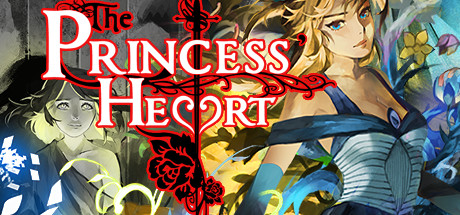
With a style inspired by Earthbound and Final Fantasy 3, The Princess' Heart features up to 15 hours of epic fantasy gameplay. Follow Princess Aerin on a quest to defeat her demons, both literal and metaphorical, in this light-hearted tale of hope and love.
Modeled estimate, not a reported figure. How we estimate →
Media

About

Stats
All-time low is the lowest price we've recorded for this game since we started tracking it.
Languages: English
Engagement
Hours played at review time, across 44 reviews with recorded playtime.
Reviews
Themes across 44 recent reviews and how positive each mention is. A keyword signal, not full sentiment analysis.
positive critical· bar length = how often the theme comes up
Reviews
The Princess’ Heart, developed by RosePortal Games and published by KOMODO, is a story-driven role-playing game that combines traditional RPG mechanics with an emotionally charged narrative about love, loss, and redemption. The story centers on Princess Aerin Goldheart, whose idyllic life begins to unravel when she suspects that her beloved prince has been unfaithful. Desperate to mend what she believes is a broken bond, Aerin makes a fateful deal with the Demon of Desire, a choice that sets off a chain of consequences that test her courage and morality. What follows is a journey that’s both literal and symbolic, as Aerin travels across a fantasy world filled with magic, danger, and temptation in search of a way to undo the pact and restore her heart. It’s a premise that feels both classic and deeply personal, weaving elements of romance, tragedy, and self-discovery into a cohesive emotional thread that drives the experience from start to finish. At its core, The Princess’ Heart is built on familiar JRPG foundations—exploration, turn-based combat, and party management—but it introduces small innovations that keep the gameplay engaging. One of the game’s most interesting mechanics is the ability to switch party members in the middle of combat, allowing for flexible strategy and resource management during long battles. Each character has their own distinct role, and being able to swap them mid-fight opens up tactical options rarely seen in RPG Maker titles. The game also incorporates spells and abilities that can target specific enemy positions, rewarding careful planning and awareness of the battlefield layout. These touches elevate combat beyond simple attack-and-heal loops and make even routine encounters feel dynamic. The balance between offense and defense, along with the need to manage magic and healing resources, encourages thoughtful play and prevents the game from feeling too easy or monotonous. Exploration in The Princess’ Heart takes place across towns, fields, and dungeons that follow a familiar structure but retain charm through small details. The maps are straightforward, yet they contain hidden treasures and occasional branching routes that reward curiosity. Some dungeons include light puzzle elements or environmental challenges that break up the pacing between battles. While the world design lacks the grandeur or complexity of larger RPGs, its simplicity helps the focus remain on the story and characters. However, there are areas where the presentation feels uneven. The game uses RPG Maker assets quite heavily, and while certain scenes are enhanced with custom character portraits and visually distinctive monster designs, other parts of the game feel somewhat generic. The environments, though functional, often come across as sparse or lacking in personality. The simplicity of the visuals doesn’t completely detract from the atmosphere, but it does make the storytelling carry most of the emotional weight. The narrative is undoubtedly the strongest aspect of The Princess’ Heart. Aerin’s journey is as much about confronting her own fears and insecurities as it is about battling demons and saving kingdoms. Her deal with the Demon of Desire acts as both a plot device and a metaphor, representing the danger of letting obsession and jealousy dictate one’s choices. The writing explores themes of emotional manipulation, personal accountability, and the nature of true love with surprising maturity for a game of this scale. While the story can be melodramatic at times, it carries genuine heart, and the dialogue does a good job of conveying Aerin’s evolving mindset as she learns to reconcile her mistakes. Supporting characters add layers to the narrative, often serving as moral foils or reflections of Aerin’s inner conflict. Though not every character is deeply developed, they each contribute to the larger themes of trust and redemption that underpin the story’s arc. The emotional tone is further strengthened by the game’s soundtrack, which stands out as one of its most memorable features. The music shifts seamlessly between melancholy piano pieces, adventurous field themes, and tense battle tracks, helping to establish the emotional rhythm of each scene. Even when the visuals and dialogue feel limited, the music manages to elevate the mood and immerse the player in the story’s emotional stakes. Certain tracks linger long after the game is over, enhancing the sense that Aerin’s journey is as much about feeling as it is about action. The understated sound design complements this as well—there are no grand explosions or overbearing effects, just subtle cues that make every spell, strike, or revelation feel grounded in tone. From a gameplay balance perspective, The Princess’ Heart walks a fine line between accessibility and challenge. The early sections are forgiving, allowing players to get comfortable with the mechanics, but later chapters introduce tougher enemies and bosses that require more strategy and patience. This shift in difficulty feels organic, though some players may find certain encounters unexpectedly punishing if they haven’t managed their resources wisely. A notable design choice is the scaling of prices in shops and inns as characters gain levels. While it adds a layer of realism and encourages careful spending, it can also make late-game progression feel unnecessarily constrained, especially when item costs rise faster than income. Still, this mechanic forces players to think strategically about preparation and adds to the survival tension during longer dungeons. The Princess’ Heart’s imperfections are most visible in its pacing and presentation. While the story moves steadily, a few sections drag due to repetitive side quests or extended dungeon crawls that don’t add much to the narrative. Some quests rely on generic fetch or battle objectives that feel like filler between major story beats. The limited visual variety also contributes to a sense of monotony after several hours, though the emotional momentum of the plot generally keeps things from stalling entirely. The game’s brevity—roughly 10 to 15 hours—works in its favor, as it delivers a complete narrative without overstaying its welcome. Despite its modest production values, it remains cohesive, polished enough to feel professional, and heartfelt in its storytelling. What truly makes The Princess’ Heart memorable is its sincerity. RosePortal Games crafted a story that feels personal and earnest, even if it leans into familiar RPG tropes. There’s a distinct sense that this game was made with care rather than commercial ambition. It doesn’t try to impress with size or spectacle; instead, it focuses on emotional resonance. The story of Aerin’s struggle against her own darkness reflects the kind of intimate storytelling that indie RPGs do best. It’s the kind of game that lingers in the player’s memory not because of technical innovation or visual grandeur, but because it succeeds in making you care about its characters and their journey. Ultimately, The Princess’ Heart is a small but emotionally powerful RPG that manages to balance simplicity and substance. It’s not without flaws—the visuals are dated, the world design is limited, and some mechanics feel uneven—but its heartfelt writing, thoughtful combat system, and evocative music elevate it beyond its technical shortcomings. For fans of character-driven stories and classic turn-based RPGs, it offers a touching experience that explores the price of desire and the meaning of redemption with surprising depth. It may not rival high-budget titles in scope, but it achieves something arguably more valuable: sincerity, emotional impact, and a sense of purpose that stays with you long after the credits roll. Rating: 5/10
I got this game while it was on a pretty good sale so I figured I'd give it a shot. I use RPG Maker myself so I did recognize quite a bit of the RTP art, however, it is used very well. The music in the game is also great. But I, like many other reviewers, immediately hated the princess character. I'm about an hour and a half in and I have yet to have a reason to care for this character. I am also taking a break tonight from it because I have been going back and forth throughout the same dungeon to flip switches on opposite sides (you can't get switch A until you hit switch B and switch A lets you go onward into the dungeon (the stairs for which are back on the other side) so after clearing the enemies this makes for a rather dismal walk back and forth. Not looking forward to doing this multiple times, I hope some of the later dungeons are better laid out. The game gives me a couple good ideas for "do's" and "don't's" for videogame design. I'll probably shelve this one for now, might play it during some down time.
💋
Let me try to summarize this.... This game is not an rpg. It's more like the story of a selfish and self-centered princess who gives no ♥♥♥♥♥ about anyone else and just ♥♥♥♥♥ around with the prince of another country. The spells, though customizeable, literally require you to grind around 5+ levels to get the next one because you need points to learn them, points that you get at a rate of 1 per level. All the "playable characters" are just a hindrance because you can only have 4 at a time fighting. Music is nice for what could have been a snes game, but nothing to brag about. there is also no open exploration of entire world as claimed. Deluxe version comes with extra skills and items? for a 15 hour game? not worth at all. they do a nice job at trying to sell their game with loaded words, but that's all it is. there are no equipments. All you get is a single weapon and a single accessory per character. TL;DR this isn't really a game at all as much as it is a sort of anti-hero princess story that you can "play" at least it only cost me $0.99
Хотела написать, что игра помойная и этим хороша, но У МЕНЯ ВНЕЗАПНО ПРОПАЛИ ВСЕ СЕЙВЫ ТАК ЧТО ♥♥♥♥♥ ЭТУ ПАРАШУ ЕБАННУЮ НЕ СОВЕТУЮ.
Игра с бесконечными диалогами для узкого круга лиц, для фанатов.
Not what I though'd it be, guess I need to do some research before I buy games from now on :P
⣿⣿⡻⠿⣳⠸⢿⡇⢇⣿⡧⢹⠿⣿⣿⣿⣿⣾⣿⡇⣿⣿⣿⣿⡿⡐⣯⠁ ⠄⠄ ⠟⣛⣽⡳⠼⠄⠈⣷⡾⣥⣱⠃⠣⣿⣿⣿⣯⣭⠽⡇⣿⣿⣿⣿⣟⢢⠏⠄ ⠄ ⢠⡿⠶⣮⣝⣿⠄⠄⠈⡥⢭⣥⠅⢌⣽⣿⣻⢶⣭⡿⠿⠜⢿⣿⣿⡿⠁⠄⠄ ⠄⣼⣧⠤⢌⣭⡇⠄⠄⠄⠭⠭⠭⠯⠴⣚⣉⣛⡢⠭⠵⢶⣾⣦⡍⠁⠄⠄⠄⠄ ⠄⣿⣷⣯⣭⡷⠄⠄⢀⣀⠩⠍⢉⣛⣛⠫⢏⣈⣭⣥⣶⣶⣦⣭⣛⠄⠄⠄⠄⠄ ⢀⣿⣿⣿⡿⠃⢀⣴⣿⣿⣿⣎⢩⠌⣡⣶⣿⣿⣿⣿⣿⣿⣿⣿⣿⣿⣆⠄⠄⠄ ⢸⡿⢟⣽⠎⣰⣿⣿⣿⣿⣿⣿⢀⣾⣿⣿⣿⣿⣿⣿⣿⣿⣿⣿⣿⣿⣿⣦⠄⠄ ⣰⠯⣾⢅⣼⣿⣿⣿⣿⣿⣿⡇⣾⣿⣿⣿⣿⣿⣿⣿⣿⣿⣿⣿⣿⣿⣿⣿⡄⠄ ⢰⣄⡉⣼⣿⣿⣿⣿⣿⣿⣿⢸⣿⣿⣿⣿⣿⣿⣿⣿⣿⣿⣿⣿⣿⣿⣿⣿⣧⠄ ⢯⣌⢹⣿⣿⣿⣿⣿⣿⣿⣿⢸⣿⣿⣿⣿⣿⣿⣿⣿⣿⣿⣿⣿⣿⣿⣿⣿⣿⠄ ⢸⣇⣽⣿⣿⣿⣿⣿⣿⣿⣿⠸⣿⣿⣿⣿⣿⣿⣿⣿⣿⣿⣿⣿⣿⣿⣿⣿⣿⠄ ⢸⣟⣧⡻⣿⣿⣿⣿⣿⣿⣿⣧⡻⣿⣿⣿⣿⣿⣿⣿⣿⣿⣿⣿⣿⣿⣿⣿⣿⠄ ⠈⢹⡧⣿⣸⠿⢿⣿⣿⣿⣿⡿⠗⣈⠻⣿⣿⣿⣿⣿⣿⣿⣿⣿⣿⣿⣿⣿⡇⠄ ⠄⠘⢷⡳⣾⣷⣶⣶⣶⣶⣶⣾⣿⣿⢀⣶⣶⣶⣾⣿⣿⣿⣿⣿⣿⣿⣿⣿⠇⠄ ⠄⠄⠈⣵⣿⣿⣿⣿⣿⣿⣿⣿⣿⣿⢸⣿⣿⣿⣿⣿⣿⣿⣿⣿⣿⣿⣿⣿⠄⠄ ⠄⠄⠄⠸⣿⣿⣿⣿⣿⣿⣿⣿⣿⣿⠘⣿⣿⣿⣿⣿⣿⣿⣿⣿⣿⣿⣿⠇⠄⠄
weird
u havnt chinese, so say love u have little hard... 202512,steam,steam掉卡掉物抵扣,它处自定义包入的本体约9元。 爱人如己,目前就这,看以后追评。
Related
Related
Trends
Modeled estimate over time, reconstructed from Steam's monthly review histogram.
Momentum
Pace estimated from the game's recent review growth (our daily snapshots) at its own sales-per-review ratio — a momentum signal, not booked sales.
Audience
Estimated from the language of this game's reviews — a proxy for where players are, not official Steam demographics.
Related
| Marble Mountain | $7.1K | 63 | 71% | $4.99 |
| Sudoku Quest | $7.1K | 84 | 67% | $4.99 |
| Humans Must Answer | $7.1K | 63 | 62% | $4.99 |
| Root Letter Last Answer | $7.1K | 183 | 84% | $2.99 |
| My Big Sister: Remastered | $7.1K | 230 | 92% | $2.23 |
| Town of Night | $7.1K | 168 | 50% | $1.99 |