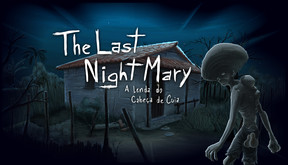
Escape through maze forest searching for a shelter, because the cursed beast is after you ... And if there was a chance to reverse the curse, would you run away or would you try to find answers? It is better think fast, because the monster is in a hurry, the beast is starved.
Modeled estimate, not a reported figure. How we estimate →
Media
About
Genres
Stats
All-time low is the lowest price we've recorded for this game since we started tracking it.
Languages: English, Italian, Portuguese - Brazil*, Russian, German, Spanish - Spain*languages with full audio support
Engagement
Hours played at review time, across 40 reviews with recorded playtime.
Reviews
Themes across 40 recent reviews and how positive each mention is. A keyword signal, not full sentiment analysis.
positive critical· bar length = how often the theme comes up
Reviews
"The Last NightMary - A Lenda do Cabeça de Cuia" é um jogo que se destaca por explorar uma lenda folclórica brasileira pouco conhecida nos videogames. O jogo combina elementos de suspense, exploração e sobrevivência. A história coloca o jogador em uma mata densa e labiríntica, fugindo de uma criatura amaldiçoada enquanto tenta descobrir se há uma forma de romper a maldição. Essa dualidade entre fugir e buscar respostas é o que torna a experiência emocionante e dá um toque de profundidade à trama. O design do labirinto exige atenção e memorização, e, com o tempo de jogatina, o jogador começa a entender os padrões e rotas, o que torna a experiência mais estratégica. Completar todas as conquistas é uma tarefa divertida e não extremamente complexa, o que o torna um título agradável de "platinar". Além disso, as conquistas estão bem distribuídas, incentivando o jogador a explorar todos os aspectos do jogo e experimentar diferentes abordagens. O jogo é vendido a um preço acessível, considerando o cuidado com a narrativa, a ambientação e os finais alternativos. Isso o torna uma excelente opção para quem busca uma experiência diferente sem gastar muito. Recomendo para quem gosta de suspense e mitos brasileiros. Vale cada minuto!
Погружаясь в тёмные глубины лесного лабиринта, чувствуешь, как время стремительно утекает. Проклятый хищник, ведомый древним заклятием, стремительно приближается, оставляя след разрушительной энергии. В этом смертельно опасном сценарии, где выживание зависит от быстроты действий и стратегического мышления, встаёт вопрос: пытаться спастись, используя все ресурсы, или рискнуть и раскрыть тайну, которая снимет зловещее заклятие? Каждый шаг может стать фатальным, инстинкты выживания обострены до предела. Зверь, движимый голодом и агрессией, неумолимо преследует жертву, делая каждую минуту критически важной. В условиях ограниченного пространства и непредсказуемости, необходимо проявить не только физическую выносливость, но и интеллектуальную гибкость.
Jogo absurdamente bem feito, musica incrível, finais curiosos, realmente valeu a pena comprar
Last Nightmare: Lenda do Cabeça de Cuia é um jogo que me chamou atenção pela ideia e pela história — que são realmente muito boas e originais. É muito legal ver uma lenda do nosso folclore brasileiro ganhar vida em um game, ainda mais com esse clima de suspense que prende a gente. Por outro lado, encontrei alguns problemas técnicos, principalmente com o bug da chave da cabana, que travou minha progressão várias vezes. Precisei reiniciar do zero em mais de uma ocasião, e como o jogo não tem sistema de checkpoint, isso acaba cansando bastante. Cheguei até a pensar em pedir reembolso por causa disso. Mas no fim das contas, decidi apoiar os desenvolvedores, justamente por ser um projeto brasileiro com bastante potencial. Se esses problemas forem corrigidos, acredito que o jogo pode crescer muito e conquistar ainda mais jogadores. Recomendo para quem gosta de terror e quer apoiar produções nacionais, mas deixo o aviso de que ainda precisa de polimento. 🇧🇷🎮
The Last NightMary – A Lenda do Cabeça de Cuia, developed and published by Submersivo Game Studio, is an independent survival horror title that separates itself from more conventional genre experiences by drawing heavily from Brazilian folklore. Instead of relying on familiar horror ideas that dominate games involving haunted buildings, paranormal investigators, or overused supernatural creatures, it builds its tension around a regional legend that many international players may never have encountered before. That choice immediately gives the experience a stronger identity, allowing atmosphere and cultural storytelling to become central parts of what makes the game memorable. The story follows Maria, a young woman returning to her hometown in the countryside of Piauí after learning that her mother has become seriously ill. What begins as a personal journey quickly transforms into a terrifying struggle for survival after Maria becomes entangled in an ancient curse connected to the legendary Cabeça de Cuia. The myth surrounding the creature becomes the foundation supporting the entire narrative. According to local legend, the supernatural entity seeks victims sharing Maria's name, creating immediate danger and establishing tension that remains present throughout the experience. One of the game's greatest strengths comes from how effectively it uses folklore as more than background decoration. The legend does not exist merely to provide a monster for players to avoid. It influences atmosphere, narrative direction, and environmental tension throughout progression. Horror often becomes stronger when it explores unfamiliar ideas rather than repeating established formulas, and The Last NightMary benefits greatly from building itself around cultural mythology that feels distinctive and authentic. Gameplay revolves around survival horror mechanics combined with exploration and puzzle-solving elements. Players spend much of their time investigating dangerous areas, searching for clues, and navigating locations while remaining aware that danger can appear unexpectedly. Progression depends on observation and careful movement rather than direct combat systems, reinforcing vulnerability throughout the adventure. The game also embraces a point-and-click structure that shapes pacing differently from many modern horror experiences. Exploration becomes slower and more deliberate, encouraging players to pay attention to environmental details rather than rushing toward objectives. Hidden information and important items reward curiosity while helping maintain immersion. The slower pace allows tension to develop naturally instead of depending entirely on sudden scares. Environmental design contributes heavily to atmosphere. Rural Brazilian locations help establish a setting rarely explored within horror games. Forest paths, isolated structures, and remote surroundings create a feeling of vulnerability that strengthens progression considerably. The countryside itself becomes part of the horror experience. Familiar locations gradually become unsettling as supernatural elements begin influencing the world around Maria. The forest sections work especially well because they create uncertainty through limited visibility and confusing navigation. Isolation becomes one of the game's strongest tools. Players frequently feel exposed and uncertain, reinforcing survival horror fundamentals without requiring constant confrontation. The environment itself becomes a source of tension rather than simply serving as scenery. Puzzle systems also help strengthen pacing. The Last NightMary avoids becoming a purely chase-driven horror experience by encouraging interaction with the environment and problem-solving during progression. Players must remain observant and thoughtful rather than depending entirely on reflexes. These quieter moments help create balance while giving larger horror sequences stronger impact. Audio design contributes significantly toward immersion. Ambient sounds, environmental effects, and carefully timed horror cues strengthen discomfort without becoming overwhelming. Silence often becomes just as important as louder moments, helping tension build gradually rather than constantly demanding attention. The atmosphere succeeds largely because the game trusts restraint rather than nonstop intensity. Visually, the independent production scope remains visible, but the game succeeds through identity rather than technical ambition. Environmental presentation emphasizes mood and cultural authenticity over visual spectacle. The rural Brazilian setting creates personality that helps distinguish the experience from more traditional horror locations. Replay value receives support through multiple endings and hidden discoveries encouraging additional playthroughs. Players willing to explore more thoroughly may uncover additional details connected to both the larger mystery and the folklore driving the experience. These additions help strengthen longevity despite the game's more focused scope. The independent nature of the project naturally creates limitations. Players expecting large-scale horror systems or highly complex mechanics may discover a smaller and more focused experience than larger genre productions. Certain puzzle structures remain relatively straightforward, and the overall adventure favors atmosphere over mechanical depth. However, those design choices ultimately support what the game does best. What allows The Last NightMary – A Lenda do Cabeça de Cuia to stand apart is authenticity. Submersivo Game Studio builds horror around cultural storytelling rather than familiar genre repetition. The result feels personal and distinctive while introducing players to mythology rarely explored in gaming. For players interested in folklore-inspired horror, slower survival experiences, and atmospheric storytelling built around regional legends, The Last NightMary delivers a memorable independent adventure filled with mystery, tension, and a refreshing sense of identity. Rating: 8/10
Jogo bem legal, eu havia visto algumas gameplays dele, decidi experimentar e gostei!
A short point-and-click horror game (30–60 minutes for one ending) with an uninteresting story, outdated graphics, and boring gameplay. It would’ve been a good game in 2005. It was just okay in 2015. But in 2025, there are simply many better horror games, better point-and-click adventures, and better horror point-and-clicks out there.
🧟♀️ 《The Last NightMary – A Lenda do Cabeça de Cuia》简评: 这款游戏是一款由巴西独立团队 Submersivo Game Studio 开发的第一人称点击式恐怖游戏,灵感源自巴西皮奥伊州的民间传说“Cabeça de Cuia”。玩家将扮演女主角 Maria,在迷雾重重的玉米地迷宫中逃离传说中的怪物 Crispim。 优点: 独特的文化背景:游戏以巴西本土传说为背景,提供了新颖的恐怖体验。 氛围营造出色:通过音效和视觉设计,成功营造出紧张的游戏氛围。 多结局设计:游戏包含多个结局,增加了重玩价值。 缺点: 游戏时长短:主线流程较短,可能无法满足寻求长时间游戏体验的玩家。 玩法单一:游戏主要依赖点击操作,缺乏复杂的解谜元素。 场景重复:游戏场景较为有限,可能导致玩家感到乏味。 总体而言,《The Last NightMary – A Lenda do Cabeça de Cuia》是一款具有独特文化背景的恐怖游戏,适合对巴西民间传说感兴趣的玩家。然而,其在游戏时长和玩法深度方面还有提升空间。 ⭐⭐⭐(3/5)
Jeu très symphatique. Gameplay pas très fournit, mais différentes fin possibles qui rallongent sa durée de vie. Pas le banger de l'année, mais très bonne découverte, je conseille.
Ich hasse pixelgenaues Suchen bei Point n Click Games, in der Hoffnung, dass man alle Sachen findet. Dazu kommt, dass kleine Items, z.B. Batterien, nicht auf dem Hintergrund zu sehen sind, sondern man hoffen muss, das sich der Cursor verändert, weil man irgendetwas unsichtbares aufnehmen kann.
Related
Related
Trends
Concurrent players on Steam, sampled daily since tracking started.
Momentum
Pace estimated from the game's recent review growth (our daily snapshots) at its own sales-per-review ratio — a momentum signal, not booked sales.
Audience
Estimated from the language of this game's reviews — a proxy for where players are, not official Steam demographics.
Related
| Otherskin | $50.4K | 94 | 76% | $22.49 |
| BatteryNote | $50.4K | 221 | 99% | $11.99 |
| Everdream Village | $50.4K | 141 | 72% | $19.99 |
| SACRIFICE VILLAINS | $50.4K | 142 | 87% | $19.99 |
| Grimgrad | $50.4K | 90 | 51% | $17.99 |
| Fabular: Once Upon a Spacetime | $50.4K | 162 | 85% | $14.99 |