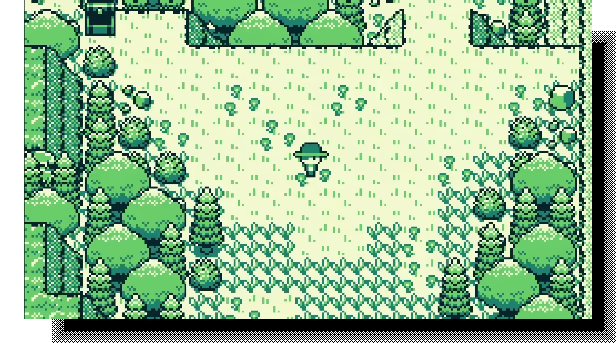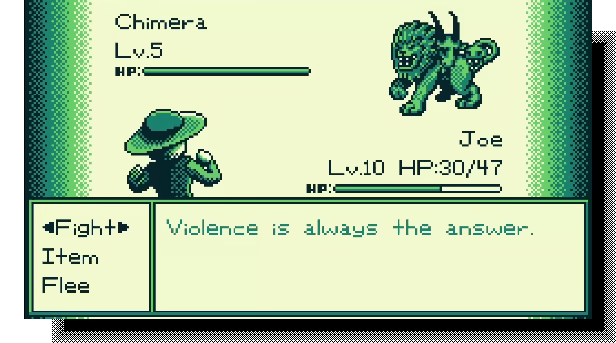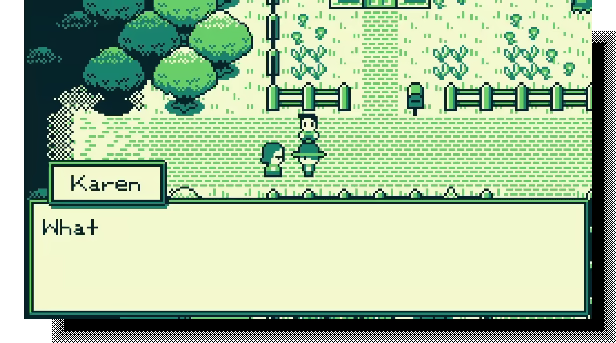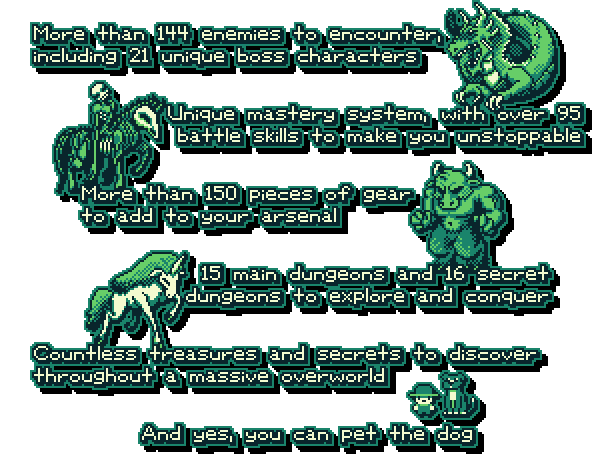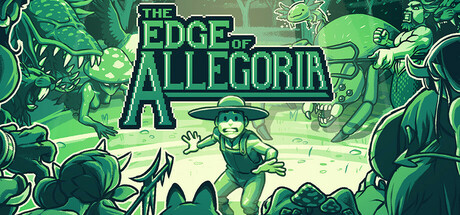
Turn-based RPG, inspired by classic titles from the golden age of handheld gaming. But make no mistake: This ain't no f@#%ing kid's game.
Modeled estimate, not a reported figure. How we estimate →
Media

About


Stats
All-time low is the lowest price we've recorded for this game since we started tracking it.
Languages: English, German, Spanish - Spain, French
Engagement
Hours played at review time, across 40 reviews with recorded playtime.
Reviews
Themes across 40 recent reviews and how positive each mention is. A keyword signal, not full sentiment analysis.
positive critical· bar length = how often the theme comes up
Reviews
Das Spiel hat schon eine gute Abwechslung zu den Kreaturensammler-Games. Statt Kreaturen sammelt man hier Gegenstände, welche dem Character bestimmte Attacken geben. Finde ich gut. Allem in allem schon interessant. Die Sprache hat wohl manche bei den Rezensionen negativ aufgeschlagen, was ich bedingt nachvollziehen kann. Aber das Spiel hat eine Demo, welche man ja kostenfrei anspielen kann :)
Wer die OG PKM Games mag und auf "Erwachsenen" jokes steht, wird dieses Game lieben! Liebevoll gestaltete Level, dungeons, Monster und Storys sowie einige Überraschungen mehr bis auf 1-2 Frustrationen hat mir das Game mega gefallen. die Deutsche Übersetzung war auch Top bis auf 1-2 Kleine Fehler was aber das Spielerlebnis 0 beeinträchtigt hat Für manche Achievements muss man bischen rumprobieren oder knobeln da es noch wenig inhalt zu dem game in Foren/Youtube und co gibt ^^ Alles in allem für mich eine Gelungene 10/10 Indigame-Perle
Ich habe das Spiel schon auf Gog gespielt und nun auch hier. Ich konnte damals nichts mit Pokemon anfangen und war daher skeptisch aber es hat mich direkt abgeholt und ich war sofort drin. Was mir am besten gefiel, man ist direkt drin dazu die tolle Gameboy Grafik aber ohne die Batterie Probleme die man damals hatte 😁 Von mir eine ganz klare Empfehlung und sein Geld absolut Wert.
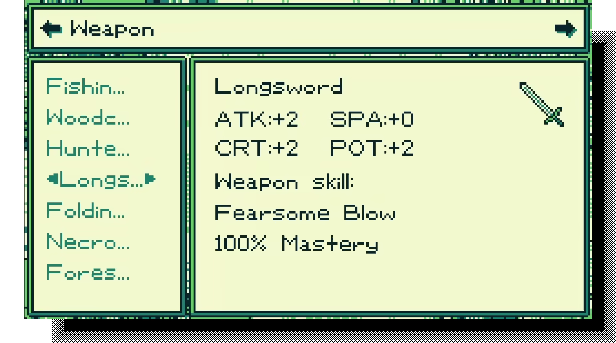
First of all, this is a very good game. However, it's a game made with a Gameboy era Pokémon vibe. So as I see it, comparing the two is unavoidable. Also, make no mistake, this is the most degenerate Pokémon like game you will ever see. It also has references to lotr, final fantasy, pulp fiction, Jay and silent Bob... Even Carlton Banks will dance and look good in it, among other things. So yeah, definitely not for kids. That out of the way, let's criticize what needs to be. Gameplay: I get the classic old-school vibe, I really enjoyed pokemon red/blue on my Gameboy as a kid, but there were some improvements made even in classic games that could drastically enhance the quality of life here. The the character progress system is very interesting, the player have a wide range of items to master, and each time you master something, you permanently gain something. Amazing right? Except after a while it's hard to remember what does what. That's specially troublesome when optimal gameplay depends on matching skills to combo. Classic Pokémon games had evolved into showing the power and accuracy of each move while you are battling, some games even have short descriptions. And quality of life get a big hit in Edge of Allegoria for not having one of those improvements. Everytime I want to select a new gear, I need to enter another menu to set my skills just so I can read the related skill description again and figure out what it does. It's not like the game is ruined by it, but the experience would improve significantly if we could have ways to reminds of what move does what while battling for example. Story progression: This is the biggest thing modern Pokémon games lack: A good/clever narrative. And that's the easiest way to make Edge of Allegoria shine. Which the author does builds the experience upon. Main story bosses have their own cutscenes, and those are accessible anytime after bearing them. Dialogs and funny, provocative and adult themed. The experience on that regard is indeed quite refreshing. However, what the games win in wittinesss, unfortunately lacks in an actual progression that makes sense. Initially it feels like we are in an open world with some restrictions to direct the player in a certain way. But different from Pokémon, some restrictions don't really make sense. While in Pokémon you can't enter a city because a guard wants a bribe, in EoA you can't progress because your dog is sleeping on the way or some random dude is singing a song. While in Pokémon you need to arrive a certain city and obtain an item to bride the said guard. In EoA to deal with your dog you need to... God knows? Games like Zelda masterfully offer problens players can't fix at that time, but we can trust the game will present a solution later, mostly in a form of either a tool or a new power. What EoA does is present the same problem, but with random solutions. Sometimes is something obvious, like defeating a boss. But sometimes it's about talking to the same npcs you already interacted with just because a Queen vaguely told you to do so. I get the road needs to be blocked, but I can't help to feel that an omnipresent dog/singer is just a lazy solution. The first minutes of a game are very important to present what the game has to offer. EoA shows you how to fish, gives a taste of what an pokemon game for adults would be like from npc dialogs and points you in the direction of some Goblins. Then I started to notice how transitions felt like big empty corridors with random chests along the way. Exploration in this game can be much more interesting than already is, the potential is all over the place. Music: Pokémon has one of the most genius tunes, it's frankly legendary. The music makes you tense in battles, apprehensive in ghost towns, curious in caves. And fans been hearing these tunes for years. It's a very difficult job to do anything related to those feelings. EoA does a very good job in creating those atmosphere, but as much as I want to compliment these, some tunes feels too short. Gameboy games usually had this feel where you can't listen to the same song for long until going crazy, and pokemon had some good exceptions to this. I was hoping EoA could be the same. But sometimes I just felt fatigued of listening the same short tune for hours. I might as well just be getting old and cranky, so take this with a grain of salt lol Conclusion/tl;dr: If you ever had a Gameboy, is at or over your 30's, like Pokemon games and ever wondered how playing an adult version of it would look like: this game is for you. The dev is very active and I really respect him for it. If he ever reads this, I hope he takes this as suggestions from a fan rather than a hater. I really appreciate the effort and i perfected this game with a smile on my face.
The Edge of Allegoria is a retro-styled role-playing game developed by Button Factory Games and published by CobraTekku Games. Drawing inspiration from classic handheld RPGs, the game immediately evokes memories of the genre's early years through its pixel-art presentation, turn-based combat, and world-spanning adventure. However, beneath its nostalgic exterior lies an experience that is far more unconventional than its visuals initially suggest. Rather than delivering a straightforward heroic fantasy tale, the game embraces satire, dark humor, and an often outrageous sense of comedy that gives it a distinct identity among modern independent RPGs. Players are introduced to a world that appears familiar at first glance, filled with villages, monsters, dungeons, and mysterious dangers. As the adventure progresses, however, it becomes clear that Allegoria is anything but a typical fantasy setting. The game constantly subverts expectations through bizarre encounters, eccentric personalities, and dialogue that frequently shifts between absurd humor and surprisingly thoughtful observations. This unique tone ensures that the world remains unpredictable, making exploration feel rewarding not only because of the gameplay benefits but also because players never know what strange situation or character they may encounter next. The combat system follows traditional turn-based principles while introducing enough customization to keep battles engaging throughout the journey. Encounters are quick and responsive, encouraging players to experiment with different strategies rather than relying on a single approach. A large selection of weapons, armor, and skills provides plenty of opportunities for character development. The progression system is particularly effective because new abilities are tied to equipment mastery, rewarding players for frequently changing gear instead of clinging to the same setup for the entire game. This mechanic creates a constant sense of growth and encourages experimentation with different combat styles. One of the game's strongest features is the variety found within its progression systems. Defeated enemies provide useful rewards, equipment choices meaningfully impact combat performance, and newly acquired skills often open fresh tactical possibilities. As players travel through the world, they continually gain access to more powerful tools while also facing increasingly dangerous opponents. The balance between challenge and progression generally feels satisfying, ensuring that advancement remains rewarding without becoming overly complicated. Exploration plays a major role in the overall experience. The world of Allegoria contains numerous towns, hidden areas, side activities, and optional discoveries that encourage curiosity. Players who take the time to venture beyond the main path are often rewarded with valuable equipment, humorous encounters, or additional lore. This emphasis on exploration captures the spirit of classic RPG design, where discovering secrets and interacting with the world felt just as important as advancing the main story. The game's structure encourages players to slow down and appreciate everything the world has to offer. Visually, The Edge of Allegoria succeeds in recreating the charm of older portable role-playing games while maintaining enough detail to feel modern. The pixel art is colorful and expressive, with environments and character designs that possess a great deal of personality. The simplicity of the visuals works to the game's advantage because it allows the writing, gameplay systems, and world design to remain the primary focus. The nostalgic presentation feels authentic rather than forced, making it especially appealing to players who grew up with classic RPG adventures. The narrative takes an unusual approach compared to many contemporary role-playing games. While there is a larger story unfolding beneath the surface, the game often prioritizes character interactions, comedic situations, and world-building over traditional epic storytelling. As a result, the plot can feel unpredictable and unconventional. The writing frequently alternates between crude jokes, social commentary, and surprisingly sincere moments. This creates a distinctive tone that helps separate the game from more serious fantasy adventures, though it may not appeal equally to every player. Humor serves as both one of the game's greatest strengths and its most divisive aspect. The script is packed with sarcasm, absurd scenarios, adult jokes, and intentionally ridiculous dialogue. For players who appreciate irreverent comedy and genre parody, the writing can be consistently entertaining. Others may find certain jokes excessive or repetitive over the course of the lengthy adventure. Fortunately, the humor is often supported by strong gameplay systems and an interesting world, ensuring that the experience remains enjoyable even when individual jokes fail to land. The game is not without flaws. Some areas can feel less refined than others, navigation occasionally becomes confusing, and the constant comedic tone can sometimes undermine moments that aim for emotional impact. Certain players may also find the intentionally crude writing style difficult to embrace. However, these shortcomings rarely overshadow the strengths of the overall package. The engaging combat, rewarding exploration, and distinctive personality help maintain interest from beginning to end. What ultimately makes The Edge of Allegoria memorable is its willingness to take risks. It respects the foundations of classic role-playing games while refusing to imitate them completely. By combining old-school mechanics with unconventional humor, extensive customization, and a world filled with strange surprises, it creates an experience that feels familiar yet refreshingly different. The game understands why players love retro RPGs but is unafraid to poke fun at the genre while telling its own unique story. The Edge of Allegoria is a highly entertaining independent RPG that successfully blends nostalgia with originality. Its engaging combat systems, rewarding exploration, memorable world design, and fearless sense of humor make it stand out among modern retro-inspired role-playing games. While its comedic style may not suit every audience, those willing to embrace its eccentric personality will discover a surprisingly deep and enjoyable adventure filled with charm, creativity, and countless unexpected moments. Rating: 8/10
Ce jeu est excellent. Pas pour les enfants mais un humour et une mécanique d'upgrade de stats agréable. Succès pas difficile à avoir. 42/96 sans les regarder en seulement 14heures de jeu. Un régale
Quite fun, very raunchy (putting it lightly). Movement is smooth and travelling becomes a breeze once you finish a certain side quest but never ran into an issue where something it studdery. Game doesnt exactly take 20h+ to finish, just trying to 100% might. Gameplay-wise, it is a psudo pokemon game, except you are the ones beating up on monsters and capturing none. there is also no encounter zones even though there is grass around, you can get into an encounter anywhere on any non town or sanctum map, though the encounter rate is low (for better or for worse). You get a miriade of skills from weapons and stat gains from gear and though you can run anything you want, you'll likely find yourself gravitating more towards either burn and sleep builds since they reduce atk/def and matk/mdef respectfully, and is the most damage you could be doing. Progression-wise, its pretty linear with a lot side quests you can be doing, getting hints from your dog as you beat bosses on where to go next, you can also freely teleport (though have to beat the boss in a dungeon if in one) to any key location you've at least entered so getting around isnt that bad. There are hidden areas here and there but unless you are specifically looking for them then you might miss a bunch, and it's not until way later do you get an item that helps you see the hidden spakle better. These areas mostly just have a single piece or gear (or 2), which is another skill or more stats, so not the worst thing to miss. Those areas also scale with your level. Music-wise outside of battle they are mostly short loops but don't get gratting if you are just running through. Its not really until you are running back and forth looking for certain encounters that it gets bad. Best to mute and play your own in that case. things i like: - movement is fluid and there isnt much interuptions from exploring and mass opening chests outside of required bosses and mimics respectfully. - You get stronger the more you put into it, so going out of your way to master things is helpful in the long run - levels are frequent, which refills hp and remove ailments so they are nice to get, especially before boss fights. - lots of synergies and wepons with matching ailments are close together, though later ones has the trade off of a higher infliction chance for a lower hit accuracy. It does let you try things, even if certain synergis are much harder hitting. - story is interesting, so going out of your way to learn more about the world in game can be fun in it's own way. and now for things i didnt like: - There isnt really a tracker so if you are going for 100%, its really hard to figure out what you are missing because even with a guide there is no way to sort items so in the event you are checking what you are missing via an alphabatised list. You are then spending the next few hours either checking items off one at a time, or spending hours sorting your gear list one item at a time to match to the list. - Missions that require very rare enemies and are not guarenteed drops from them, ideally you omit them to not sell as junk as you find them, but unless you are following a guide then you might not know what you need (especially since some of those are worth the most to sell), wish the sell all junk option sold all but 1 instead since money early to mid is quite needed. - Since the encounter rate is quite low, it takes forever to find certain mosters either for drops or beastiary (satyr took me 2 hours to find for instance), game could use either an encounter rate slider or a dedicated button to force encounters, if it seems too broken this could also lower the exp gained equivalent to how much increased. - Some skills are so over tuned that trying much of anything else but it is definitely more of a pain then it's worth (ex: guard was in my 2nd skill slot from the moment i got it until the end of the game, and when you have to setup synergies or need to run, then there is no reason not to use it). All in all fun game. Very crass, very raunchy, but more then anything the interest to keep ging was there since i was curious where the story was going with my single random fisherman character going around beating up demons, angels, furries and dragons.
Very good game.
difficult but fun with plenty of adult humor
I enjoyed my time with this game. The jokes are funny and the combat has a suprising amount of depth.
Related
Related
Trends
Modeled estimate over time, reconstructed from Steam's monthly review histogram.
Momentum
Pace estimated from the game's recent review growth (our daily snapshots) at its own sales-per-review ratio — a momentum signal, not booked sales.
Audience
Estimated from the language of this game's reviews — a proxy for where players are, not official Steam demographics.
Related
| Socialism Simulator | $31.8K | 285 | 95% | $3.99 |
| Gakuen Club | $31.8K | 63 | 68% | $29.99 |
| Valfaris: Mecha Therion | $31.8K | 456 | 92% | $3.99 |
| The Groom of Gallagher Mansion | $31.9K | 227 | 100% | $4.99 |
| Platonic | $31.9K | 109 | 86% | $19.99 |
| SurvHive | $31.8K | 84 | 62% | $14.99 |