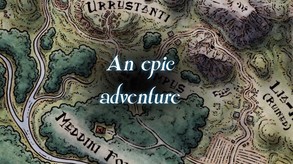
An epic adventure in a land of monsters, traps and magic. Journey across the deadly Shamutanti Hills and through Kharé, Cityport of Thieves. Armed with your sword and over fifty spells with weird and wonderful effects, embark on a narrative adventure of a thousand choices where every one is remembered.
Modeled estimate, not a reported figure. How we estimate →
Media

About
Stats
All-time low is the lowest price we've recorded for this game since we started tracking it.
Languages: English**languages with full audio support
Engagement
Hours played at review time, across 43 reviews with recorded playtime.
Reviews
Themes across 43 recent reviews and how positive each mention is. A keyword signal, not full sentiment analysis.
positive critical· bar length = how often the theme comes up
Reviews
Great writing and worldbuilding. If you play with a permadeath/no retries/ironman mindset, you may find it unfair because certain actions can lead to terrible outcomes with little warning. I recommend playing with an exploratory/learning mindset instead, don't be afraid to undo actions to learn more about other outcomes/possibilities.
日本語版はないです。ただ、超面白い。今はAIとかPcotがあるので勉強がてら 楽しめると思います。昔発売された有名なゲームブックのゲーム版ですが、 ゲームブックのテイストを残しつつ、プレイしやすいように調整されている。ちゃんと選択肢を変えたくなったら巻き戻せるし、アイテムとかはいちいちメモらなくてもいい。小学生のころにやった記憶があるが、子供の時でも面白いと思ったが、今ちゃんと理解してできるようになったら、なお面白い。 文字だらけだけど、面白くてずっとやり続けてしまった。ただ、カーレは結構難しいので、Steamsでどなたかが書いてるWalkthrough(英語)を参照するといいと思う。一応2の途中まではSteamの攻略Wikiあります。本当に最高でした。
The first chapter is useful to understand the mechanics of the game and also enter into the mind of the author Steve Jackson...then the real challenge begins! The second chapter is full of riddles and dangers and you really need to manage well your resources to succeed. The story is amazing and the graphical realization is well done.
The BEST Role-Playing-Game. Extremely systemic while still telling a compelling story through a wonderfully realized world.
Game is marketed as a Choose Your Own Adventure experience that routinely invalidates it's own premise by railroading player choice into one static binary result, often leading to complete dead-ends, unfair situations and the illusion of choice. Of thousands of choices in a game predicated upon choice, there is only one right way to play. This makes the game virtually indistinguisable from a standard visual novel with extra steps and is unfun to boot. Play if you enjoy reading a story. Avoid if you want to roleplay or actually have the choices you make in a CYOA game respected. Requiring meta-knowledge of specific decision trees well in advance of other branching paths just to proceed with the story in the way you initially chose is poor design completely antithetical to the genre this game (and I'm assuming the other 3 parts) are predicated upon.
Sorcery is definitely one of the best games in the text based genre. The characters are interesting, the art style is beautiful, the storyline is engaging. Everything that makes a good text based game is found within Sorcery.
Sorcery! Parts 1 and 2 is an outstanding fusion of interactive fiction and role-playing adventure, successfully bringing Steve Jackson’s acclaimed gamebook series into the digital era. Developed and published by inkle Ltd, the game combines the first half of an epic fantasy quest, allowing players to journey through the perilous Shamutanti Hills and the infamous city of Kharé in search of the stolen Crown of Kings. Rather than focusing on action-heavy gameplay or cinematic spectacle, the title embraces storytelling as its greatest strength, delivering a rich narrative experience where every decision can alter the course of the adventure. The game's world is one of its most compelling features. The Shamutanti Hills present a rugged landscape filled with dangerous creatures, mysterious travelers, magical encounters, and hidden paths waiting to be discovered. Every location feels carefully crafted, encouraging exploration and rewarding curiosity. As the journey progresses into Kharé, the experience becomes even more intricate. The city is packed with secrets, rival factions, suspicious merchants, and memorable characters, creating an environment that feels alive and unpredictable. Exploring its twisting streets often feels like solving an elaborate fantasy puzzle where observation and memory are just as important as combat skills. A major highlight is the game's emphasis on player choice. Almost every encounter presents multiple ways to proceed, whether through diplomacy, deception, combat, or magic. Decisions rarely feel superficial, as consequences can emerge much later in the adventure. The story constantly adapts to the player's actions, creating a sense of ownership over the narrative that many role-playing games struggle to achieve. This branching structure significantly enhances replay value, as alternative choices often reveal entirely different events, characters, and outcomes. Magic is deeply integrated into both the gameplay and storytelling. Players gain access to a vast collection of spells that can influence conversations, solve environmental challenges, uncover secrets, and provide advantages during dangerous encounters. Instead of functioning as simple offensive abilities, spells frequently serve as creative tools that encourage experimentation. Discovering the most effective use for a particular spell becomes a rewarding part of the adventure, reinforcing the feeling of being a resourceful adventurer navigating an unpredictable world. Combat takes a distinctive approach that prioritizes tension and strategy over complexity. Battles rely on a system of attack and defense choices that creates a constant game of prediction between the player and their opponent. While mechanically straightforward, the encounters remain engaging because they are supported by strong narrative descriptions and meaningful consequences. Every battle feels like a chapter in the story rather than a detached gameplay segment, helping maintain immersion throughout the experience. Another noteworthy feature is the inclusion of Swindlestones, a dice-based game of bluffing and deduction encountered throughout the adventure. What initially appears to be a simple diversion gradually reveals itself as an entertaining side activity that adds variety to the journey. Combined with the game's many optional encounters, hidden quests, and branching storylines, it contributes to a world that consistently rewards exploration and experimentation. The presentation is equally impressive despite its minimalist style. The hand-drawn map unfolds dynamically as the player travels, creating a visual representation of the adventure that feels both elegant and immersive. The artwork effectively captures the atmosphere of a classic fantasy tale, while the writing remains the true centerpiece. Rich descriptions, memorable dialogue, and a steady sense of discovery ensure that even routine encounters possess personality and charm. The game's rewind feature deserves special mention because it allows players to revisit previous decisions and explore alternate outcomes. While some may prefer a stricter commitment to choices, this system enhances accessibility and encourages experimentation without requiring multiple complete playthroughs. It also allows players to appreciate the complexity of the branching narrative and uncover content that might otherwise remain hidden. Its primary limitation is that the experience heavily relies on reading and thoughtful decision-making. Players seeking fast-paced action or visually spectacular combat may find the slower, text-driven structure less appealing. Additionally, because the game only covers the first two chapters of a larger saga, certain storylines remain unresolved until later installments. However, these factors are unlikely to bother those who appreciate narrative-focused adventures. Sorcery! Parts 1 and 2 succeeds as both an adaptation of a beloved gamebook and a standout interactive fantasy adventure in its own right. Through exceptional writing, meaningful choices, inventive magic systems, memorable world-building, and impressive replayability, it delivers an experience that captures the imagination from beginning to end. It remains one of the strongest examples of how interactive storytelling can rival traditional role-playing games in depth and engagement. Rating: 8/10
^^
recommended for those who wish choose your own adventure books had stats.
Ennuyeux
Related
Related
Trends
Modeled estimate over time, reconstructed from Steam's monthly review histogram.
Momentum
Pace estimated from the game's recent review growth (our daily snapshots) at its own sales-per-review ratio — a momentum signal, not booked sales.
Audience
Estimated from the language of this game's reviews — a proxy for where players are, not official Steam demographics.
Related
| Caladrius Blaze | $179K | 424 | 85% | $19.99 |
| Rollers of the Realm | $179K | 709 | 89% | $9.99 |
| LIZARDS MUST DIE 2 | $179K | 2.5K | 95% | $3.39 |
| Forsaken Frontiers | $178.9K | 502 | 81% | $14.99 |
| Grit and Valor - 1949 | $178.9K | 322 | 78% | $19.99 |
| Komorebi | $179.1K | 288 | 93% | $19.99 |