In this uniqueTower Defense you will travel through William’s mind in a colored and dreamlike universe.
Modeled estimate, not a reported figure. How we estimate →
Media

About
Stats
All-time low is the lowest price we've recorded for this game since we started tracking it.
Languages: English*, French*languages with full audio support
Engagement
Reviews
Themes across 47 recent reviews and how positive each mention is. A keyword signal, not full sentiment analysis.
Reviews
Lots of cool ideas for a tower defense game. Namely the MMO-style boss fights, fog of war mechanic and unique bonus stages. The difficulty spikes can be discouraging at first, but knowing which spells and companions to pick and upgrade is the key to get through the campaign. It's a solid experience.
Do not buy this garbage it requires some specific version of QuickTime which is long dead and full of exploits that put you PC at risk
GAme doesn't even start.
Related
Related
Trends
Modeled estimate over time, reconstructed from Steam's monthly review histogram.
Hours played at review time, across 47 reviews with recorded playtime.
positive critical· bar length = how often the theme comes up
Shad'O 10/10
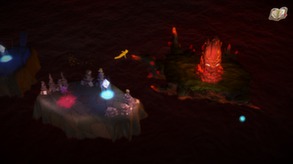
Shad’O, developed and published by Okugi Studio, is a tower defense game that seeks to merge strategic gameplay with the atmosphere of a dark fairy tale. Set within the mind of a young boy named William, the game unfolds as he becomes trapped in a dreamlike realm consumed by shadows. Guided only by his loyal teddy bear, he must illuminate forgotten corners of his memory and fend off the creeping darkness that threatens to erase him completely. The story’s concept is both haunting and tender, turning what might have been a standard defense experience into a metaphorical journey of self-discovery. Every level represents fragments of William’s memories—bright, fragile pieces that must be protected from the spreading void. Rather than focusing on military might or technological prowess, Shad’O asks players to fight with light, memory, and courage, lending the experience a deeply emotional undertone rarely seen in the genre. The gameplay in Shad’O builds on familiar tower defense foundations but adds unique mechanics that make it stand apart. Each map begins covered in a thick fog of darkness that conceals the paths enemies will take. To reveal the terrain and place defenses, players must expand areas of light by deploying “companions,” magical beings that serve as both soldiers and symbols of hope. These units, each with distinct abilities and attack styles, are powered by the same resource—light—that is also used for building and casting spells. This creates a constant tension between conserving energy for exploration and spending it on defense. Players must decide when to illuminate more of the map to anticipate enemy routes and when to fortify their current position. The introduction of spells, such as healing bursts, slowing fields, or explosive blasts of light, further adds tactical variety, allowing moments of active intervention in what is traditionally a passive genre. The combination of light management, fog clearing, and wave defense transforms each level into both a strategic puzzle and a visual revelation, as the world literally brightens with every successful defense. What truly sets Shad’O apart is its visual and atmospheric design. The game’s presentation is striking, blending a painterly art style with ethereal lighting and heavy use of shadow. The environments float in an abstract void, and each stage looks like a dream half-remembered—fragmented, surreal, and filled with symbolic detail. The fog effects are not just a gameplay mechanic but also an emotional tool, making the act of pushing back darkness feel satisfying and meaningful. The companion units are designed with a whimsical but melancholic charm, resembling spirits or imaginary friends born from a child’s imagination. Enemy designs, on the other hand, are twisted and faceless, embodiments of fear and loss. The use of color is deliberate: warm yellows and oranges radiate comfort and memory, while deep purples and grays evoke menace and uncertainty. The accompanying soundtrack, soft and melodic with occasional moments of tension, deepens the sense of dreamlike melancholy. The gentle voice of William’s teddy bear provides narration and reassurance throughout the campaign, giving the player emotional grounding even as the levels grow more complex and the shadows close in. Despite its beauty and originality, Shad’O’s gameplay pacing and balance are not without issues. The opening levels serve as an excellent introduction to its mechanics, but as the campaign progresses, repetition begins to creep in. The core loop of placing towers, revealing the map, and defending against shadowy waves remains largely unchanged, and the game could have benefited from more varied objectives or enemy behaviors to maintain long-term engagement. Certain units and upgrades feel underwhelming compared to others, leading players to rely on a few dominant strategies rather than experimenting widely. The resource management system, which ties both construction and upgrades to the same energy pool, can feel overly restrictive at times, forcing slow progress when the game would benefit from faster escalation. The difficulty curve also fluctuates unpredictably—some stages are forgiving, while others spike sharply, breaking the otherwise steady rhythm of play. These shortcomings do not ruin the experience but do highlight a lack of fine-tuning that prevents Shad’O from fully realizing its potential as a tactical masterpiece. The game’s camera and interface also present minor frustrations. Because the perspective is fixed and the player cannot rotate the view, it can sometimes be difficult to judge distances or anticipate enemy paths hidden within the fog. This limitation, while possibly intended to heighten tension, occasionally hinders strategic clarity. Performance issues, particularly frame rate drops during intense particle effects, have also been reported by some players, likely due to the game’s heavy reliance on lighting and fog rendering. These technical hiccups can slightly disrupt immersion in what is otherwise a visually cohesive experience. However, given that Shad’O was an independent effort from a small studio, its ambition in visual storytelling and atmosphere still deserves recognition. Few tower defense games attempt such a strong marriage between theme, mechanics, and art direction. Narratively, Shad’O achieves something subtle but impactful. Its story is minimalist, relying on tone and imagery rather than exposition to convey emotion. As players progress, they begin to piece together William’s past, his fears, and the emotional wounds that gave rise to the shadows. The journey becomes less about winning and more about healing—each level conquered feels like reclaiming a part of his lost self. The conclusion, while quiet, carries a sense of closure that aligns with the game’s themes of light overcoming despair. In this sense, Shad’O transcends its mechanics, becoming a meditation on memory and recovery rather than just another challenge-based game. It’s an approach that resonates more with players drawn to atmosphere and meaning than those seeking endless tactical complexity. In the end, Shad’O is a memorable and distinctive entry in the tower defense genre. Its strengths lie in its art direction, emotional narrative, and inventive use of light as both theme and mechanic. It offers a thoughtful alternative to the genre’s usual focus on efficiency and optimization, inviting players to experience defense as an act of creation and illumination. Yet its flaws—repetitive missions, uneven balance, and limited progression—keep it from achieving the polish and depth of the best in the field. Still, it remains a testament to what small studios can achieve when they prioritize vision and feeling over formula. For players who value atmosphere, symbolism, and a touch of melancholy in their strategy games, Shad’O delivers a hauntingly beautiful experience that lingers long after the darkness fades. Rating: 6/10
Inicio el juego y da error. Resulta que el juego necesita que tengas instalado Quicktime de Apple para funcionar. WTF.
Après avoir galéré 20minutes en installant quicktime, désinstallant quicktime et apple support, puis installant un rempalcement de quicktime, j'ai enfin pu lancer le jeu. C'était très laborieux mais finalement comme le jeu est agréable, ça passe. C'est plutôt joli et bien pensé. La difficulté est bonne et semble pouvoir se corser très rapidement. J'y ai encore très pue joué donc mon avis est pour l'instant trop superficiel. Mais de ce que j'ai pu voir, je ne suis pas déçu.
Ce n'est pas le meilleur jeux de défense de tours qui soit mais il a une excellent histoire.
daha önceden oynadım oyun şu hatayı veriyor Mevcut Quicktime kurulumu (veya ayarları), oyunla uyumluluk sorununa neden oluyor. Çözümler: 1) Quicktime ve Apple Application Support'u bilgisayarınızdan kaldırın. pc deki apple uygulaması ne alaka anlamadım bu oyun içinde kaldırmanın bi anlamı yok strateji tarzında kule savunma oyunu idare eder
鼓励性好评,无中文可玩。 202211下,t a o宝,支付宝红包,杉果,本平台,本平台充值折扣掉卡,indie gala,fanatical,humble,daily indie game,loot boy,它处自定义包入的本体约3元。爱人如己,目前就这,看以后追评。有中文的游戏请耐心自研体验乐趣,攻略指南尽量不用。不建议使用外挂,插件,作弊之类的,游戏都要这样搞,那现实里那更是如此了。兄弟萌,强烈建议不要第三方平台的小店买y u额,通过饰品等挂steam市场转的,高概率red信乃至封号,且行且珍惜。
Momentum
Pace estimated from the game's recent review growth (our daily snapshots) at its own sales-per-review ratio — a momentum signal, not booked sales.
Audience
Estimated from the language of this game's reviews — a proxy for where players are, not official Steam demographics.
Related
| Plump! Dumb Frog Pond | $18.8K | 62 | 98% | $7.99 |
| delivery pals | $18.8K | 176 | 47% | $4.99 |
| The Bradwell Conspiracy | $18.8K | 61 | 59% | $19.99 |
| Old School RPG | $18.8K | 58 | 79% | $14.99 |
| Intergalactic Ecstasy | $18.8K | 58 | 86% | $14.99 |
| The Drift Challenge | $18.8K | 530 | 79% | $1.99 |