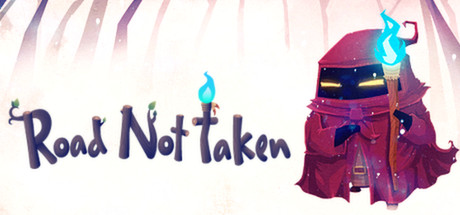
Road Not Taken is a roguelike puzzle game about surviving life’s surprises. You play as a ranger adventuring through a vast, unforgiving forest in the aftermath of a brutal winter storm, rescuing children who have lost their way.
Modeled estimate, not a reported figure. How we estimate →
About
Genres
Stats
All-time low is the lowest price we've recorded for this game since we started tracking it.
Languages: English, French, Italian, German, Spanish - Spain, Japanese
Engagement
Hours played at review time, across 40 reviews with recorded playtime.
Reviews
Themes across 40 recent reviews and how positive each mention is. A keyword signal, not full sentiment analysis.
positive critical· bar length = how often the theme comes up
Reviews
tl;dr: This game has some things going for it but misses the mark in some fairly big ways. Can't recommend. I really wanted to like this game. I enjoy roguelikes, and the idea of a puzzle based one sounded fun. The aesthetics are nice, and I'd like to know where that intro and first year cutscene are going. But this game just isn't fun. Later levels keep piling more things into rooms for you to have to work around. Mistakes are costly, which I expect from a roguelike. But gameplay was less a puzzle to solve and more a tedious thing to work around. I stuck with it until reached the end of a career rather than dying, in the hopes that learning more secrets and finding my win conditions would make it more fun. It never did. Learning more secrets did help me gain more energy to keep going, but doing so was just more tedium. A neat idea for a game, but it fell short on the delivery.
So, what to say and not to sound bitter… I came back to this game after almost 10 years - I put the game on hiatus in 2016. All I could remember about it was that it quickly became rather hard… well, still a valid point. [i]Road Not Taken[/i] is a roguelike puzzle game with charming visuals and frustratingly increasing difficulty. We play as a lone ranger rescupedling lost children from a nearby forest after the end of every winter. The layout of the forest is randomly generated every year. The same goes for the number of children in need of rescue, the enemies, or puzzles. To successfully fulfill your duty, you need to bring home at least half of the missing children - especially helpful when the forest layout is extremely against you. The game ends when you survive for 15 years… then you die and start over as a new ranger. If you manage to save every kid in your whole career you will see an extra version of the ending intro... checked it on Youtube and it's not worth it. :P There isn't much of a story to tell about… the whole game is concentrated on the children and how they bring joy and higher meaning to our lives… which is all true, but after a few hours of the same lines on this theme, it gets pretty boring. We can build a relationship with some of the villagers, and if everything goes right, i.e. we bring them what they like and don't court someone they don't like, we can even marry them. There is no real benefit in it though (except for an achievement) - they will live with us and cry at our grave longer than others. But getting friendly with everyone is a great way to gain items or knowledge about the forest, so go for it! The gameplay in its core is quite simple - you need to navigate the forest, find the children, and bring them to their mothers (yeah, no fathers at all) - or the other way around. To progress, you need to open the rooms by bringing the required items to one pile - for example four trees, five stones, six moles… you do that by grabbing the item and throwing it where you want it - that's the ideal solution because going around with the item while holding it depletes your life energy. Also, most of the items interact together, so you need to be extra careful what you lift up because you can't put it down! You can create helpful things by combining items (an axe thrown at a tree will create a log; two logs will create a fire) or unhelpful ones like an angry devilish rabbit that will hurt you and kick you out of the room or a burning tree that will cause fire to spread around with every step. Some items can hurt you when you touch them, some animals can hurt you when getting close to them, some enemies will hunt you around the room and you can do nothing about them, some enemies will kill the children if you are not quick enough… with every year the amount of items in the rooms increases and as there are hundreds of combinations you can easily get into trouble by basically soft-locking yourself from progressing in the room. You can banish a few of the items from appearing in the forest, but be careful, even worse things can thus manifest there. The first five years are fun! Then the difficulty gets wild - the rooms are cluttered with items, sometimes there is basically no chance of moving without wasting half of your life energy on clearing the room, which is pointless, as you want to keep as much energy as you can because the next year you receive an addition of about 40% of the ending amount... which means you are always in need of energy. The game quickly turned from enjoyable to frustrating. There are too many item combinations that you are quickly overwhelmed by them. Collected items and buffs don't offer any serious advantage to make navigating the forest any easier. You can play the game on normal (which is apparently an easy mode) or on hard - considering how some of the rooms were almost unplayable on "easy", I can't even imagine what the hard difficulty looks like. Getting all of the achievements requires quite a lot of dedication, time and luck.
⣿⣿⡻⠿⣳⠸⢿⡇⢇⣿⡧⢹⠿⣿⣿⣿⣿⣾⣿⡇⣿⣿⣿⣿⡿⡐⣯⠁ ⠄⠄ ⠟⣛⣽⡳⠼⠄⠈⣷⡾⣥⣱⠃⠣⣿⣿⣿⣯⣭⠽⡇⣿⣿⣿⣿⣟⢢⠏⠄ ⠄ ⢠⡿⠶⣮⣝⣿⠄⠄⠈⡥⢭⣥⠅⢌⣽⣿⣻⢶⣭⡿⠿⠜⢿⣿⣿⡿⠁⠄⠄ ⠄⣼⣧⠤⢌⣭⡇⠄⠄⠄⠭⠭⠭⠯⠴⣚⣉⣛⡢⠭⠵⢶⣾⣦⡍⠁⠄⠄⠄⠄ ⠄⣿⣷⣯⣭⡷⠄⠄⢀⣀⠩⠍⢉⣛⣛⠫⢏⣈⣭⣥⣶⣶⣦⣭⣛⠄⠄⠄⠄⠄ ⢀⣿⣿⣿⡿⠃⢀⣴⣿⣿⣿⣎⢩⠌⣡⣶⣿⣿⣿⣿⣿⣿⣿⣿⣿⣿⣆⠄⠄⠄ ⢸⡿⢟⣽⠎⣰⣿⣿⣿⣿⣿⣿⢀⣾⣿⣿⣿⣿⣿⣿⣿⣿⣿⣿⣿⣿⣿⣦⠄⠄ ⣰⠯⣾⢅⣼⣿⣿⣿⣿⣿⣿⡇⣾⣿⣿⣿⣿⣿⣿⣿⣿⣿⣿⣿⣿⣿⣿⣿⡄⠄ ⢰⣄⡉⣼⣿⣿⣿⣿⣿⣿⣿⢸⣿⣿⣿⣿⣿⣿⣿⣿⣿⣿⣿⣿⣿⣿⣿⣿⣧⠄ ⢯⣌⢹⣿⣿⣿⣿⣿⣿⣿⣿⢸⣿⣿⣿⣿⣿⣿⣿⣿⣿⣿⣿⣿⣿⣿⣿⣿⣿⠄ ⢸⣇⣽⣿⣿⣿⣿⣿⣿⣿⣿⠸⣿⣿⣿⣿⣿⣿⣿⣿⣿⣿⣿⣿⣿⣿⣿⣿⣿⠄ ⢸⣟⣧⡻⣿⣿⣿⣿⣿⣿⣿⣧⡻⣿⣿⣿⣿⣿⣿⣿⣿⣿⣿⣿⣿⣿⣿⣿⣿⠄ ⠈⢹⡧⣿⣸⠿⢿⣿⣿⣿⣿⡿⠗⣈⠻⣿⣿⣿⣿⣿⣿⣿⣿⣿⣿⣿⣿⣿⡇⠄ ⠄⠘⢷⡳⣾⣷⣶⣶⣶⣶⣶⣾⣿⣿⢀⣶⣶⣶⣾⣿⣿⣿⣿⣿⣿⣿⣿⣿⠇⠄ ⠄⠄⠈⣵⣿⣿⣿⣿⣿⣿⣿⣿⣿⣿⢸⣿⣿⣿⣿⣿⣿⣿⣿⣿⣿⣿⣿⣿⠄⠄ ⠄⠄⠄⠸⣿⣿⣿⣿⣿⣿⣿⣿⣿⣿⠘⣿⣿⣿⣿⣿⣿⣿⣿⣿⣿⣿⣿⠇⠄⠄
Road Not Taken puts a hard emphasis on the NOT when it crams its 8x6 single-screen dungeon rooms with an unmanageable myriad of enemies, NPCs, materials and hindrances rubbing shoulders. Puzzles can be solved by mashing stuff together to create new units, and the smart premise of doing everything (saving children, defeating foes, unblocking paths) through this “dynamic crafting” system would be a killer one if actually feasible–navigating the mazes, per se, gets seriously impractical over time–let alone doing it within the min-maxer mindset the game demands. Elsewhere it manages to be compelling enough though. Building relationships back at the village (à la Harvest Moon) unlocks both perks for the current run and secrets that carry over to the next ones, potentially lending meaning even to trips headed south. Presentation here is charming and cohesive overall too. Above (or behind, as a pervasive mood) everything else, Road Not Taken’s quirkiness may be its biggest strength. Its interactions, lore and twists always stray away from predictability (every now and then throwing in a note of eeriness as well) and the genuine pleasure and awe in uncovering such mysteries can make it worth the trouble if that’s what tickles a player’s “one more try” trope.
The visuals are both charming and satisfyingly animated - and the dash of macabre and more than a hint of the cruelty of a rural winter helps without taking over the experience. And what it helps with is establishing that the game is in fact more difficult than it looks, and it might take you a while before you've managed even one full "career" run with your ranger. I like it, but don't expect to breeze through it, exactly.
very relaxing chill game. love it.
Developed and published by Spry Fox, Road Not Taken is a puzzle-driven roguelike that blends strategic gameplay with emotional storytelling, creating an experience that is both intellectually engaging and surprisingly reflective. Set in a secluded village surrounded by an unpredictable wilderness, the game casts players as a ranger tasked with rescuing children who have disappeared after brutal winter storms. While this objective forms the core of the gameplay, the adventure gradually evolves into a deeper exploration of sacrifice, responsibility, relationships, and the unpredictable consequences of the choices people make throughout their lives. The game's puzzle mechanics are unlike those found in most traditional roguelikes. Rather than relying on combat as the primary challenge, Road Not Taken focuses on manipulating the environment to navigate increasingly intricate forests filled with obstacles, wildlife, magical objects, and hidden dangers. Every object can potentially interact with another, encouraging players to experiment and discover creative solutions instead of following predetermined paths. Since each forest is procedurally generated, no two rescue missions unfold in exactly the same way, ensuring that adaptability and careful observation remain essential from beginning to end. Every successful rescue feels earned because victory comes through thoughtful planning rather than reflexes alone. Energy management serves as another major pillar of the gameplay. Nearly every action, from carrying heavy objects to interacting with the environment, consumes stamina, forcing players to think several moves ahead before committing to a strategy. Efficient resource management becomes just as important as solving the puzzles themselves. Players must constantly weigh the risks and rewards of exploring deeper into the forest, helping stranded children, or conserving enough strength to safely return. This balance creates consistent tension throughout every expedition, making even seemingly minor decisions feel meaningful. Beyond its rescue missions, Road Not Taken expands into a life simulation that adds emotional depth to the overall experience. Between expeditions, players return to the village where they can interact with its residents, build friendships, pursue romantic relationships, and influence the community over the course of multiple years. Conversations and decisions made outside the forest are not simply decorative additions but meaningful elements that shape both the protagonist's personal journey and the lives of those around them. The narrative embraces the idea that there are no universally perfect choices, encouraging players to accept both success and regret as natural parts of life's journey. Visually, the game presents a charming hand-painted art style that perfectly complements its fairy tale atmosphere. Vibrant forests, expressive character designs, and seasonal environmental changes create a world that feels inviting despite the dangers hidden within it. The soundtrack reinforces this atmosphere with calming yet melancholic compositions that shift naturally alongside the emotional tone of each expedition. Rather than relying on visual spectacle, the presentation emphasizes warmth, mystery, and quiet beauty, making exploration feel consistently rewarding even during difficult moments. One of the game's greatest achievements is its willingness to let players learn through experimentation. Instead of overwhelming newcomers with detailed tutorials, many mechanics are introduced organically through exploration and repeated play. Discovering how various creatures, magical artifacts, and environmental objects interact becomes an enjoyable part of the experience. This approach creates satisfying moments of realization, although it also contributes to a learning curve that may initially frustrate players who prefer clearer guidance or more immediate rewards. Replayability is exceptionally strong thanks to the randomized forests, evolving village relationships, and numerous long-term decisions that influence each playthrough. Different strategies, interactions, and priorities can lead to entirely different stories, encouraging players to revisit the game and experiment with alternative approaches. Because the procedural generation continually reshapes puzzles and environments, every new adventure demands fresh thinking rather than simple memorization, keeping the gameplay engaging well beyond the initial campaign. Road Not Taken is not without its shortcomings. Its intentionally mysterious design can occasionally feel overly cryptic, and certain mechanics may require trial and error before they become fully understandable. Some players may also find the deliberate pacing and demanding difficulty less approachable than more conventional puzzle games. However, these elements are closely tied to the game's themes of uncertainty, resilience, and learning through experience, making them feel like deliberate artistic choices rather than simple design flaws. Overall, Road Not Taken stands out as an imaginative and emotionally resonant puzzle adventure that successfully combines roguelike structure, environmental problem-solving, and life simulation into a cohesive whole. It rewards patience, creativity, and thoughtful decision-making while offering a narrative that reflects on the complexity of human choices without becoming overly sentimental. Its unique mechanics, memorable atmosphere, and philosophical storytelling ensure that it remains a distinctive title for players seeking something beyond traditional puzzle or roguelike experiences. Rating: 7/10
This is my gold standard for a good indie game; good mechanics, good story, good writing and a cute pithy ending that loops back around and makes sense in the frame of the story. I find myself wanting to know more about the world. Hidden gem honestly.
Really challenging and I gave up after 7 hours of play. I love puzzle games, but this one is too challenging for me.
Очень приятная головоломка! Красивый арт! Не жалею о потраченном времени.
Related
Related
Trends
Modeled estimate over time, reconstructed from Steam's monthly review histogram.
Momentum
Pace estimated from the game's recent review growth (our daily snapshots) at its own sales-per-review ratio — a momentum signal, not booked sales.
Audience
Estimated from the language of this game's reviews — a proxy for where players are, not official Steam demographics.
Related
| Football Club Simulator - FCS #21 | $101.4K | 286 | 65% | $9.95 |
| Putt-Putt® Saves The Zoo | $101.4K | 814 | 97% | $6.99 |
| Tiny Terraces | $101.4K | 870 | 93% | $6.99 |
| Beautiful Japanese Scenery - Animated Jigsaws | $101.5K | 269 | 86% | $9.99 |
| Tuition Academia | $101.4K | 347 | 95% | $9.99 |
| Explosive Escape | $101.5K | 103 | 87% | $39.99 |