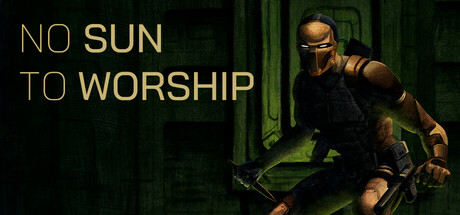
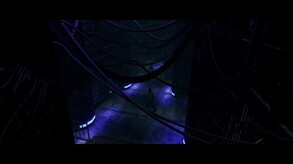
A short, minimalist stealth-action game about the importance of art. We painted the sky ashen gray. Burned the heavens to starve each other. Now we walk an endless cemetery of regret.
Modeled estimate, not a reported figure. How we estimate →
Media

About
Genres
Stats
All-time low is the lowest price we've recorded for this game since we started tracking it.
Languages: English**languages with full audio support
Engagement
Hours played at review time, across 44 reviews with recorded playtime.
Reviews
Themes across 44 recent reviews and how positive each mention is. A keyword signal, not full sentiment analysis.
positive critical· bar length = how often the theme comes up
Reviews
It has the old metal gear solid vibes. Love the challenge of playing on hard.
splinter cell and mgs merged into something so uniquely dystopian and heavy
Eu queria ter gostado desse jogo. Também entendo as análises positivas, porque ele oferece muitas coisas interessantes: uma atmosfera bacana, um princípio de narrativa instigante (que acaba não se sustentando), um estilo artístico que remete muito positivamente à estética do PS1 e, principalmente, a proposta do gênero de furtividade/stealth, que me parece em falta hoje em dia. Como grande fã do gênero, porém, eu me decepcionei um pouco com No Sun to Worship. Não me aterei ao fato de ser um jogo curto, pois acho que sua duração é condizente com um time pequeno e admiro o esforço dos envolvidos. Acho que faltou, na verdade, mais polimento. Deixo aqui minha percepção de quem chegou até um pouco mais da metade do jogo. O meu primeiro ponto, em comparação a títulos como MGS, Hitman e Splinter Cell, é que algumas mecânicas básicas estão em falta. As fases consistem em um longo e repetitivo processo de adentrar um local, vigiar inimigos que às vezes parecem circular num padrão de difícil identificação ou previsão, abatê-los e achar os alvos que devem ser eliminados. Simples e até funcional, mas a ausência de recursos e de polimento torna esse processo mais cansativo do que interessante. As rotas também caem no marasmo. Você segue por corredores que dão voltas e mais voltas, eventualmente pode cortar caminho por uma tubulação ou semelhante. Não há possibilidades de procurar pontos de vantagem visual (até porque o jogo se dá em ambientes internos) ou alcançar/evitar inimigos por meios menos convencionais, tipo se pendurar em na beirada de alguma superfície ou subir algum encanamento e afins. Os ataques furtivos SEMPRE tem de ser feitos pelas costas, e o tempo de reação dos adversários é muito rápido no que diz respeito à identificação. Vale ressaltar que há somente dois tipos de inimigo: um mais fraco, que facilmente morre com tiros na cabeça, e outro cujo combate armado não é tão vantajoso, forçando você a depender da furtividade limitada. O jogo lhe apresenta um indicador de som e visibilidade, mas eu sempre tive dificuldade em saber o que a IA do jogo consegue ou não identificar. Às vezes, a barrinha de visibilidade estava baixa, mas mesmo assim eu era facilmente visto, por mais que tentasse me esconder. Quanto ao som, ora eu conseguia matar os inimigos ao me movimentar agachado e em passos lentos, ora eles me ouviam independentemente do que eu fizesse. É difícil determinar o raio de alcance da visão e da audição dos soldados. No fim, essa falta de confiança na mecânica básica do gênero muitas vezes me desanimava, pois acabava morrendo e o jogo é um tanto punitivo nesse aspecto, já que você precisa reiniciar a fase. Ele propõe ao jogador um ritmo lento, mais analítico; mas eu, que curto essa pegada mais cuidadosa e reflexiva, eventualmente fiquei de saco cheio aguardando minutos e mais minutos para garantir que nenhum soldado aleatório surgiria (porque, sim, várias vezes isso aconteceu, levando ao ciclo de morrer e recomeçar a fase), para só então se traído pelo som que provoquei acidentalmente. Ele também tem uma mecânica interessante de se mover silenciosamente (apenas agachado) em troca de vida. Esse recurso é equilibrado pelo fato de que você recupera HP diante dos corpos dos inimigos mortos. Contudo, acho que a relação de equilíbrio entre esses dois pontos é muito discrepante. Perde-se muita vida muito rapidamente, e a única ocasião em que a quantidade é recuperada 100% é quando você abate um alvo. Em todos os demais casos, você dificilmente recuperará a quantia que sacrificou. É necessário um balanceamento para que isso funcione melhor. Em suma, acho que falta maior polimento para a mecânica de som e visibilidade. Também seria interessante que o personagem dispusesse de dispositivos tecnológicos mais variados para distrair e atrair/afastar inimigos, o que seria verossímil no ambiente bélico e pós-apocalíptico proposto pela narrativa. Gostaria que as sombras do cenário tivessem maior utilidade (somente quando se atira nas luzes é que se pode confiar um pouco mais na baixa visibilidade, mas você não quer ficar gastando munição com isso, pois é um item um tanto escasso). No final, talvez eu seja ruim, mas sempre gostei de jogos do gênero furtividade e nunca me desanimei com eles ou tive tanta dificuldade em me adaptar como tive com No Sun to Worship. Pode ser que seja questão de melhorar; pode ser que o jogo não seja pra mim. De qualquer forma, eu aprecio a produção artística e torço por um lançamento futuro com proposta semelhante e mais polida.
Ahh, I really wanted to like this game. The aesthetics and style, the homage to Metal Gear Soild and Splinter Cell, but seems to me this is more of a concept or a demo than a complete short game experience. It's a bit baffling to me how the first three levels are harder than the last three? I would expect difficulty to gradually increase as the game progresses in each short mission, but it was the other way around for me. When replaying it on hard difficulty, I actually started from the last mission first and went backwards. Mission 2: Underground Lab, was probably the most unforgiving, I tried a couple of approaches, but that one guard being stuck in the back of the cave and barely moving for me to get to the last target, left me little choice to improvise so I was just waiting for that brief second for him to turn and hope for the best...which leads me to my next nitpick. There are no check points or quick saves. If die, you start back from the beginning of the mission. On normal, it's not that hard to move around and memorize the guard's patterns, but on hard, guards take you out in two shots and their AI at times is a bit unpredictable. On one occasion you're totally fine, on another they immediately turn and spot you no matter how careful you are, even when using the silent steps mechanic which I really like how it was implemented. The hold up mechanic sometimes worked, sometimes didn't. At this state, I can't recommend this game to anyone casually trying to pick it up, it would only lead to a frustrating experience and it does cross a bit into "git gud" territory. But if you're willing to try out your luck and want to experience a short unique take on stealth gameplay, go ahead and wait for a sale.
This would be a neat tech demo, showing off some basic stealth mechanics that could eventually become the foundation for a solid stealth game: unfortunately, it's sold as a finished game while being far from that. The game is short yet still manages to become repetitive, the mechanics are minimal yet unpolished, the one original addition is the ability to move silently at the cost of draining your health and that's half-assed too (your footsteps still play their usual audio effects, your health drains even when you're not moving...), hard mode just reduces variety even further and makes several mechanics irrelevant... And even with all that the pretentiousness was what I disliked the most, two max vagueness cutscenes and a blunt "SAVE ART" end screen do not make "a game about the importance of art".
A metamodern homage to stealth action games from the past, particularly Splinter Cell and Metal Gear Solid. The story is (purposefully?) incoherent- something about aliens invading in triangular UFO's, humanity turning on itself (collaborators?), genetically engineered supersoldiers, etc. The PS1 style artwork and graphics suitably fits the retro vibe, but there are some modern touches, like projected shadows and lighting effects. The control scheme and mechanics are basic, but functional.
No Sun To Worship is a compact stealth-action experience developed by Antonio Freyre and published by Merlino Games and Hyperstrange. Despite its relatively short length and minimalist presentation, the game delivers a surprisingly rich blend of stealth mechanics, atmospheric storytelling, and symbolic narrative design. Drawing inspiration from classic tactical espionage titles while maintaining its own identity, it focuses on precision, observation, and player-driven problem-solving rather than spectacle or excessive complexity. Set in a bleak world seemingly approaching its final days, the game places players in the role of a mysterious operative carrying out covert missions across hostile environments. Very little information is provided directly, and the narrative unfolds through environmental details, visual symbolism, and carefully placed clues. This approach encourages players to interpret events for themselves rather than relying on lengthy exposition. Questions about the protagonist's identity, the state of the world, and the purpose behind each mission gradually emerge as the adventure progresses, creating an intriguing sense of mystery that remains present throughout the experience. Stealth forms the foundation of the gameplay. Success depends on understanding enemy behavior, managing visibility, and moving carefully through environments without drawing attention. Light and darkness play a critical role, forcing players to pay close attention to their surroundings. Remaining hidden often feels more satisfying than direct confrontation because every successful infiltration requires planning, patience, and situational awareness. The game rewards careful observation and punishes reckless behavior, making each completed objective feel earned. One of the strongest aspects of No Sun To Worship is the freedom it grants players when approaching missions. Objectives can often be completed through multiple strategies, allowing players to determine their own preferred style of play. Some may choose to avoid enemies entirely and move through levels like a ghost, while others may selectively eliminate threats to create safer routes. This flexibility adds replay value and encourages experimentation, as missions can be approached differently on subsequent playthroughs. The level design is particularly effective despite the game's relatively modest scope. Each environment is carefully constructed to support a variety of infiltration methods. Alternative pathways, hidden routes, strategic cover positions, and environmental interactions provide opportunities for creative problem-solving. The levels avoid feeling overly linear, giving players enough freedom to develop personal tactics while still maintaining a focused structure that supports the overall pacing. Combat exists as an option but never overshadows the stealth mechanics. Resources are limited, and direct engagements can quickly become dangerous if handled carelessly. Weapons feel powerful but are best used selectively rather than as primary tools. This design choice reinforces the game's emphasis on stealth and ensures that players remain thoughtful about every action they take. Even when violence becomes necessary, efficiency and precision are usually more effective than brute force. The atmosphere is arguably the game's greatest achievement. Through its restrained visual style, muted color palette, and haunting environments, No Sun To Worship creates a world that feels abandoned, oppressive, and emotionally distant. The minimalist aesthetic works in the game's favor because it focuses attention on mood and tension rather than graphical detail. Every location contributes to a feeling of decline and uncertainty, helping establish a unique identity that lingers long after the game ends. Audio design further strengthens this atmosphere. Environmental sounds, enemy footsteps, and subtle ambient effects provide both practical gameplay information and emotional weight. Players quickly learn to rely on sound as much as sight, especially during tense stealth sequences where a single mistake can expose their position. The restrained soundtrack complements the overall tone, allowing silence and environmental noise to carry much of the emotional impact. Another noteworthy strength is the game's pacing. The campaign avoids unnecessary filler and focuses on delivering a concentrated series of meaningful missions. New situations and challenges are introduced at a steady rate, ensuring that the experience remains engaging from beginning to end. Although the overall runtime is relatively short compared to larger stealth games, the focused design helps maintain quality throughout the entire adventure. The game does have some limitations. Players seeking extensive story exposition, large open environments, or long campaigns may find the experience too concise. Its minimalist storytelling style also requires active engagement from the player, which may not appeal to those who prefer direct narrative explanations. However, these elements are deliberate design choices rather than shortcomings, and they contribute significantly to the game's distinctive identity. What ultimately makes No Sun To Worship memorable is its confidence in simplicity. Rather than overwhelming players with countless mechanics or excessive content, it concentrates on delivering a polished stealth experience supported by strong atmosphere and thoughtful design. Every mission feels purposeful, every environment serves the narrative, and every mechanic reinforces the game's themes of isolation, secrecy, and decay. For fans of stealth-focused gameplay and atmospheric storytelling, No Sun To Worship is an impressive achievement that demonstrates how effective a focused design philosophy can be. Its rewarding stealth mechanics, intelligent level design, haunting world, and subtle narrative combine to create an experience that feels far larger and more meaningful than its runtime might suggest. While it may not offer the scale of major stealth franchises, it succeeds by delivering a concentrated and memorable adventure that leaves a lasting impression. Rating: 8/10
Short and sweet stealth action. The movement feels a lot like Splinter Cell, so I felt right at home. The graphics are functional, although I will always bemoan games that want to look like PS1 games (a look that I like) but need resources like a modern game. I did not understand the story but I don't think that was very relevant as it didn't seem to have any influence on the gameplay decisions. As others have said, the difficulty curve is a bit strange, with the last levels being easier than the first. But they are all fun. I briefly checked out hard mode, but having no target indicators and thereby forcing players to know (i.e. memorize) where they are is no fun, I think. Also, replacing all enemies with the ones wearing a bullet proof ant-style helmet reduces enemy variety even more.
6/10 I would say the game is alright. Nothing special but it is similar to Splinter Cell in some ways. Game is really short. Ran into some really odd bugs a few times where enemies would shoot me through the walls/floor!
Nothing interesting in this game. Even this old graphics "magic" in-game looks roughly bad because of potato animations (sometimes broken with NPCs), very bad fonts choice and stupid AI. Also this game's have nothing about some "story" that mentioned in description of the game and have vibes of vibe-coding product with much of AI used.
Related
Related
Trends
Modeled estimate over time, reconstructed from Steam's monthly review histogram.
Audience
Estimated from the language of this game's reviews — a proxy for where players are, not official Steam demographics.
Related
| My Suika – Kyo’s Fruit Merge | $50.3K | 1.9K | 93% | $0.99 |
| Laundry Simulator 2026 | $50.3K | 87 | 74% | $14.99 |
| Mage's Initiation: Reign of the Elements | $50.3K | 163 | 88% | $14.99 |
| [Bober Bros] The Hole | $50.3K | 811 | 85% | $2.99 |
| The Secret Order 6: Bloodline | $50.3K | 212 | 92% | $14.99 |
| SpriteMancer | $50.3K | 124 | 90% | $24.99 |
Related
| Free Fire: 9th Anniversary | $3.8B | 129M | 87% | Free |
| Temple Run 2: Endless Escape | $2.2B | 9.9M | 82% | Free |
| PUBG MOBILE | $2B | 48.6M | 86% | Free |
| Free Fire MAX | $1.7B | 31.4M | 89% | Free |
| Sniper 3D:Gun Shooting Games | $1.4B | 18.2M | 92% | Free |
| Among Us | $1.4B | 13.6M | 78% | Free |