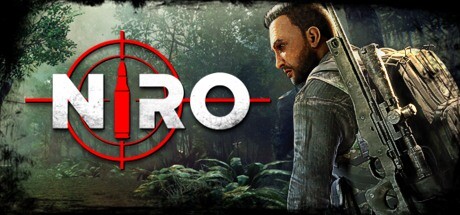
NIRO is a single-player stealth action game set in the jungles of asia. Track down and eliminate your targets deep into enemy territories and sabotage heavy guarded military bases with all the tools at your disposal. Upgrade your skills and experience this escapading campaign of shadows and fire!
Modeled estimate, not a reported figure. How we estimate →
Media
About


Stats
All-time low is the lowest price we've recorded for this game since we started tracking it.
Languages: English**languages with full audio support
Engagement
Hours played at review time, across 40 reviews with recorded playtime.
Reviews
Themes across 40 recent reviews and how positive each mention is. A keyword signal, not full sentiment analysis.
positive critical· bar length = how often the theme comes up
Reviews
NIRO, developed and published by Arimac Lanka Private Limited, is a strikingly ambitious attempt to deliver a stealth-action experience that reflects South Asian storytelling sensibilities within a global framework of tactical shooters. As one of Sri Lanka’s most prominent forays into full-fledged game development, NIRO sets its sights on blending cinematic flair, stealth gameplay, and moral undertones into a cohesive narrative about a war hero navigating a world consumed by conflict and corruption. The project aims high, not only as a game but also as a showcase of technical and artistic capability from a region rarely represented in the international gaming scene. While the result is uneven, it remains a bold and commendable effort filled with both promise and imperfections. Set in an environment shaped by war and espionage, NIRO places players in the boots of a skilled operative tasked with carrying out a range of missions—from silent assassinations to sabotage, infiltration, and open combat. The protagonist, Niro, operates deep behind enemy lines, guided by intelligence, stealth, and precision marksmanship. Each mission offers multiple approaches: players can embrace the shadows and rely on stealth to avoid detection, pick off targets from a distance using sniper tactics, or go in with a more direct and aggressive style. This flexibility defines the experience, giving players freedom to adapt based on playstyle and available resources. The presence of bullet-time mechanics, customizable gear, and a skill progression system further enhances the sense of agency, encouraging strategic thinking and experimentation. Although the gameplay loop draws inspiration from well-established stealth titles, it manages to integrate cultural and environmental elements that give it a unique regional identity. Visually, NIRO’s presentation reflects a determined attempt to push the limits of indie production. Built in Unreal Engine, the game’s environments showcase an admirable effort to create believable and atmospheric terrain—dense jungles, fortified bases, dimly lit compounds, and sprawling warzones. The attention to lighting and environmental design captures the humid tension of tropical settings, lending authenticity to its South Asian geography. The use of fog, ambient shadows, and reactive weather effects heightens immersion, especially during nighttime infiltration missions. Character models, while limited in complexity, are expressive enough to communicate emotion and tension. The cutscenes, structured with a mix of cinematic framing and comic-style presentation, give the narrative a stylized edge that suits the tone of a lone warrior’s journey through chaos. While not every scene achieves visual polish, the aesthetic ambition is undeniable for a small development team working within tight constraints. The gameplay itself, though conceptually rich, struggles with execution at times. Gunplay can feel imprecise, with inconsistent hit detection, erratic recoil patterns, and occasional lag in control responsiveness. Enemy AI fluctuates between sharp and oblivious—some enemies exhibit keen awareness, while others react sluggishly to sounds or movements in plain sight. This unevenness can break immersion, making stealth encounters unpredictable in ways that don’t always feel fair. The level design, while functional, occasionally funnels players into trial-and-error scenarios that force repetition rather than rewarding clever planning. Despite these issues, when NIRO’s systems align—when a stealth takedown chain flows smoothly, or a sniper shot lands perfectly from the shadows—the experience evokes genuine satisfaction and tension. The inclusion of bullet-time and slow-motion effects during critical moments adds cinematic drama, helping to elevate the gameplay beyond its mechanical inconsistencies. On the technical side, NIRO demonstrates both potential and the growing pains of an emerging developer. The Unreal Engine framework supports detailed environments, but optimization can be inconsistent, leading to frame drops, pop-in textures, and collision bugs in certain areas. Animations sometimes appear stiff or desynchronized, and camera transitions can feel jarring during cutscenes or tight corridor encounters. However, these technical issues never fully overshadow the effort evident in the game’s design. The audio design, in particular, contributes significantly to immersion—the echo of distant gunfire, ambient wildlife, and the rustle of foliage help sell the feeling of isolation and danger. The musical score underlines the emotional intensity of key sequences, striking a balance between tension and melancholy. Narratively, NIRO aspires to tell the story of a hero shaped by loss, duty, and the burdens of violence. The script leans into cinematic tropes of espionage and patriotism, presenting Niro as both a soldier and a symbol—a lone operative confronting not only external enemies but also the moral costs of his actions. The story unfolds through mission briefings, dialogue exchanges, and environmental storytelling, with flashes of introspection about the meaning of loyalty and sacrifice. While the writing occasionally feels heavy-handed and the pacing uneven, the attempt to embed emotional and philosophical depth into a genre dominated by spectacle is noteworthy. The voice acting and localized dialogue contribute to the cultural authenticity that the developers clearly intended, grounding the experience in a world that feels distinctively South Asian rather than derivative of Western military fiction. The overall reception of NIRO has been divided but largely sympathetic. Many players recognize it as a passionate indie project with heart, acknowledging its creativity and ambition even as they critique its rough edges. On Steam, reviews trend toward the positive, highlighting its atmosphere, unique setting, and earnest storytelling, while calling out its mechanical flaws, technical inconsistencies, and occasional bugs. For a debut of this scale, NIRO stands as a remarkable effort that hints at what Arimac Lanka is capable of achieving with further refinement and resources. It doesn’t reach the precision or fluidity of genre leaders like Hitman or Sniper Elite, but it offers a glimpse into the potential of South Asian game development on the international stage. In the end, NIRO is best appreciated not as a perfect stealth-action shooter but as a bold experiment from a studio determined to carve its own identity. Its ambition is evident in every corner of its design—from the cinematic presentation and layered gameplay to its thematic focus on courage and morality. Though it falters in execution, it succeeds in spirit, delivering a deeply earnest experience that reflects both cultural pride and creative passion. For players drawn to unconventional narratives and willing to forgive roughness in exchange for originality, NIRO offers a rewarding, if uneven, journey through the fog of war and the conscience of a soldier who walks alone. Rating: 7/10
This is a good game . that's make a better gameplay
Must be developed. But Mostly good.
Cool first person sniper game. Wish I had as much ammo as the bad guys though. They never run out WTH ???
ලේසි නෑ මහත්තයෝ, Nice game ah!
wazi waziii sudha anith ekata mahinda mahatayawa danna elakiri wage
As a Sri Lankan, I really appreciate Arimac Lanka for pushing Sri Lanka’s gaming scene forward. NIRO has a decent story, okay graphics, and a surprisingly good voice cast that adds depth to the experience. Sadly, the gameplay holds it back with clunky mechanics and frustrating design. That said, it’s great to see a local studio taking big steps, and I hope to see them refine their craft in future projects!
Nice game
mid graphics bad voice acting mid plot
supiri ...man agee karanawa lankawe mee wage wadak wechcha ekata...maarama sathutui,,,thawath mee wage godak hodata goda nagaa ganna puluwan wenna kiyala parthana karanawa
Related
Related
Trends
Concurrent players on Steam, sampled daily since tracking started.
Momentum
Pace estimated from the game's recent review growth (our daily snapshots) at its own sales-per-review ratio — a momentum signal, not booked sales.
Audience
Estimated from the language of this game's reviews — a proxy for where players are, not official Steam demographics.
Related
| 7 Days to Die | $425.3M | 403.5K | 87% | $44.99 |
| Mount & Blade II: Bannerlord | $309.8M | 293.9K | 88% | $49.99 |
| Palworld | $279.6M | 445.8K | 94% | $20.99 |
| Clair Obscur: Expedition 33 | $263.7M | 178K | 95% | $47.99 |
| The Forest | $254.8M | 678.5K | 96% | $19.99 |
| Ready or Not | $238.1M | 338.9K | 78% | $49.99 |
Related
| Summer Catchers | $70.1K | 403 | 80% | $8.99 |
| Toziuha Night: Order of the Alchemists | $70.1K | 155 | 83% | $18.99 |
| Rugby Union Team Manager 4 | $70.1K | 60 | 70% | $39.99 |
| Loot Tycoon | $70.1K | 520 | 72% | $6.99 |
| Arcane Worlds | $70.1K | 238 | 45% | $9.99 |
| The Assistant Season 1 | $70.1K | 360 | 89% | $9.99 |